
TL;DR
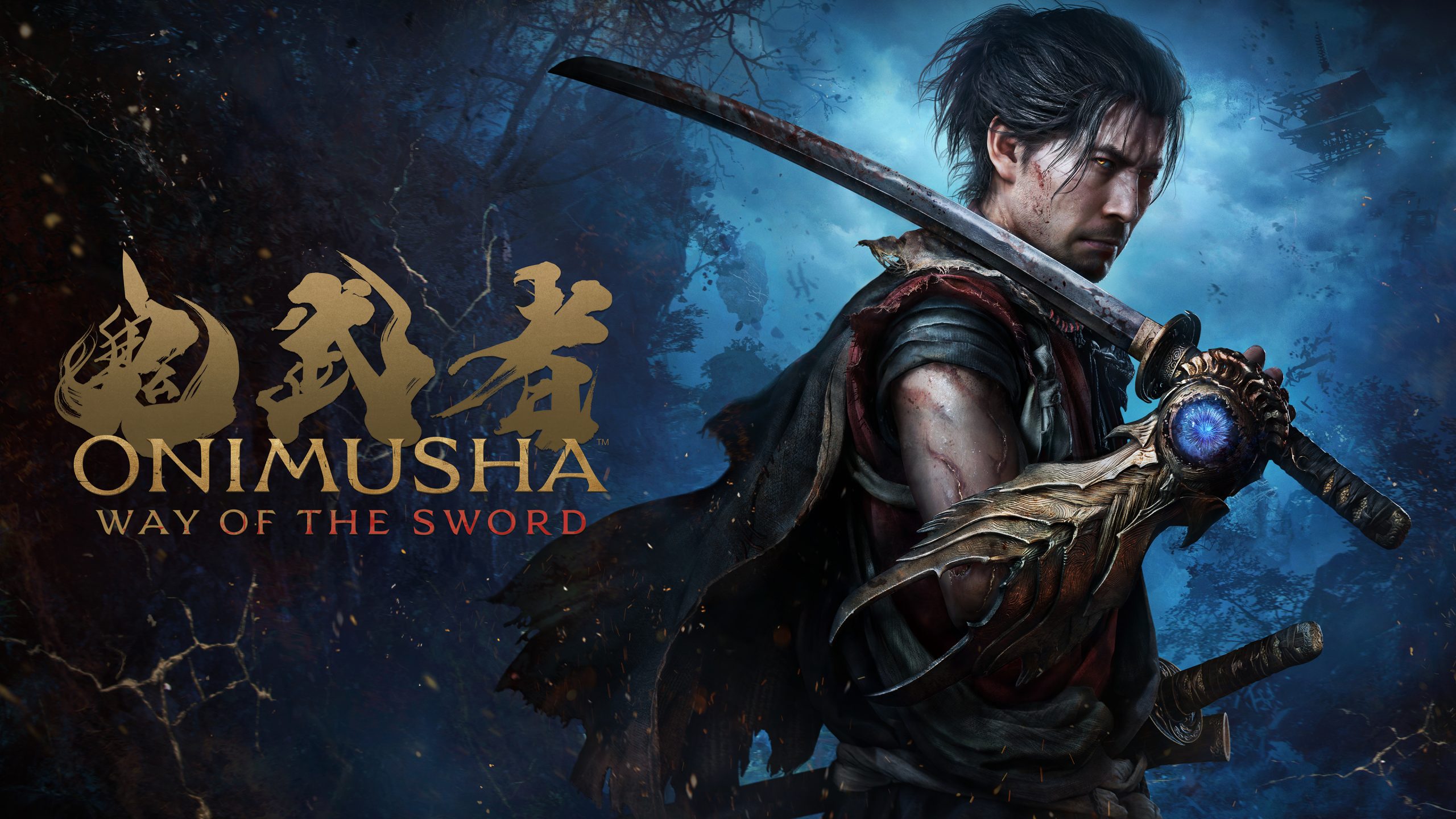
Onimusha Way of the Sword is a focused action-adventure reviving the classic series with fast, satisfying sword combat and an atmospheric historical Japan setting. It is held back by a thin, generic story, shallow upgrade mechanics, and late-game repetitiveness alongside a lack of lasting difficulty. Series fans and action enthusiasts will appreciate the brutal combat, while players seeking deep narratives or complex RPG progression should pass.
Capcom is having a real winning year in 2026. First the fantastic Resident Evil 9, then the very, very good Pragmata and now Onimusha. I believe we are living in their golden age right now. But many years have passed since Capcom last gave us a completely new game in the Onimusha series. Therefore, there is a special anticipation surrounding Onimusha: Way of the Sword. The series has always held a special place among action games, with its blend of samurai, Japanese history, demonic horror, and fast-paced sword combat. The question is whether Capcom succeeds in modernizing the concept without losing what made Onimusha unique to begin with. After playing the game, the answer is largely: yes.
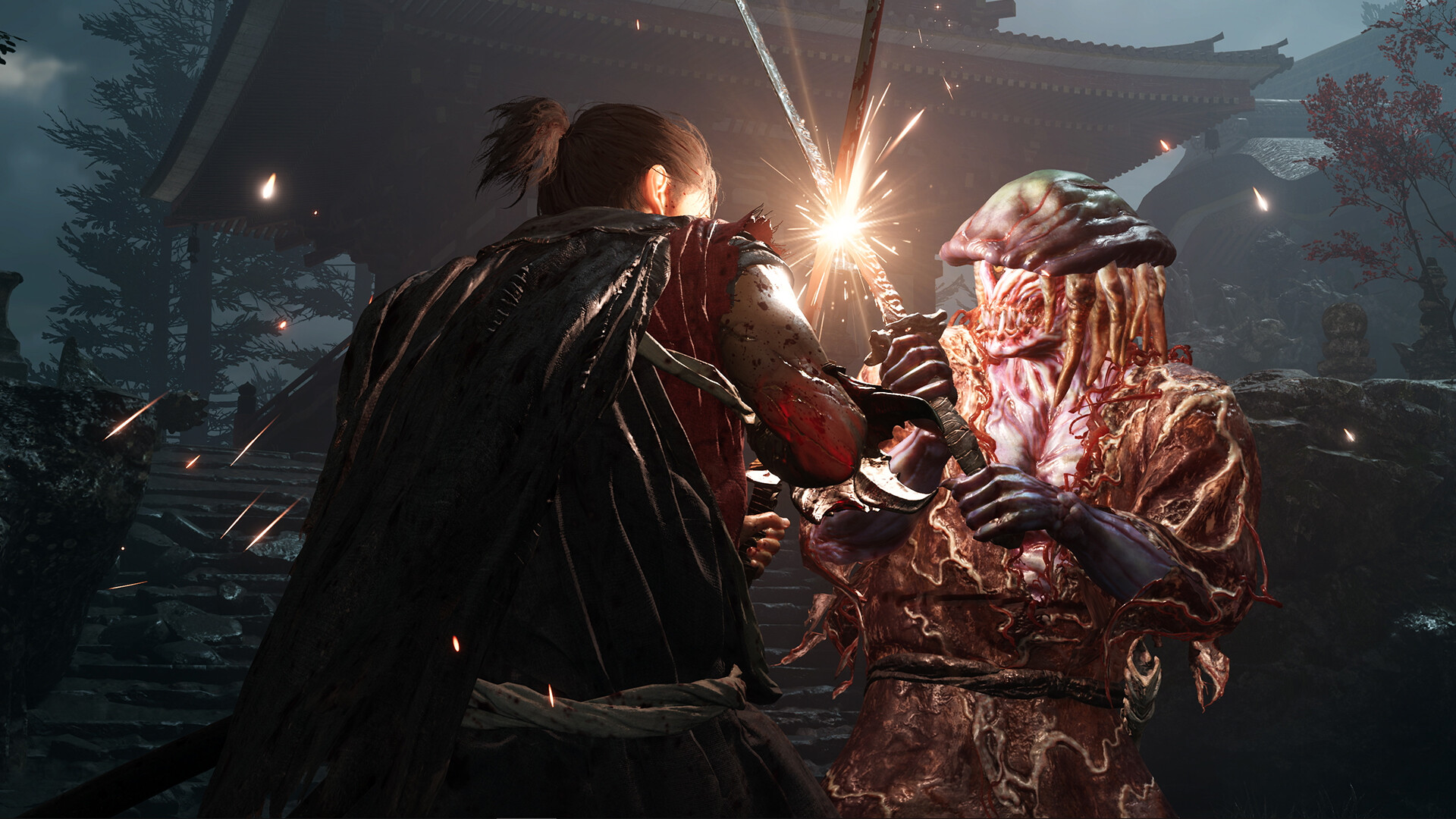
Way of the Sword is set in a dark and supernatural Japan. It is a world where temples, villages, castles, and forests are recognizable from Japanese history, but where there is always something menacing beneath the surface. It is precisely this atmosphere that is one of the game’s greatest strengths. Capcom succeeds in creating a world that feels both beautiful and unsettling. The lighting, weather conditions, and environmental details contribute to the feeling that you are constantly in a world on the brink of collapse. Furthermore, there is a clear respect for the series’ heritage. The game does not try to turn Onimusha into just another generic open-world action game. Instead, the focus lies on more linear levels, exploration, combat, and a narrative that drives the player forward.
But there isn’t really much of a good story here. “Fight evil” is roughly what it’s all about. There are no particular twists or anything else that stands out, nor any remarkably good characters, in my opinion.
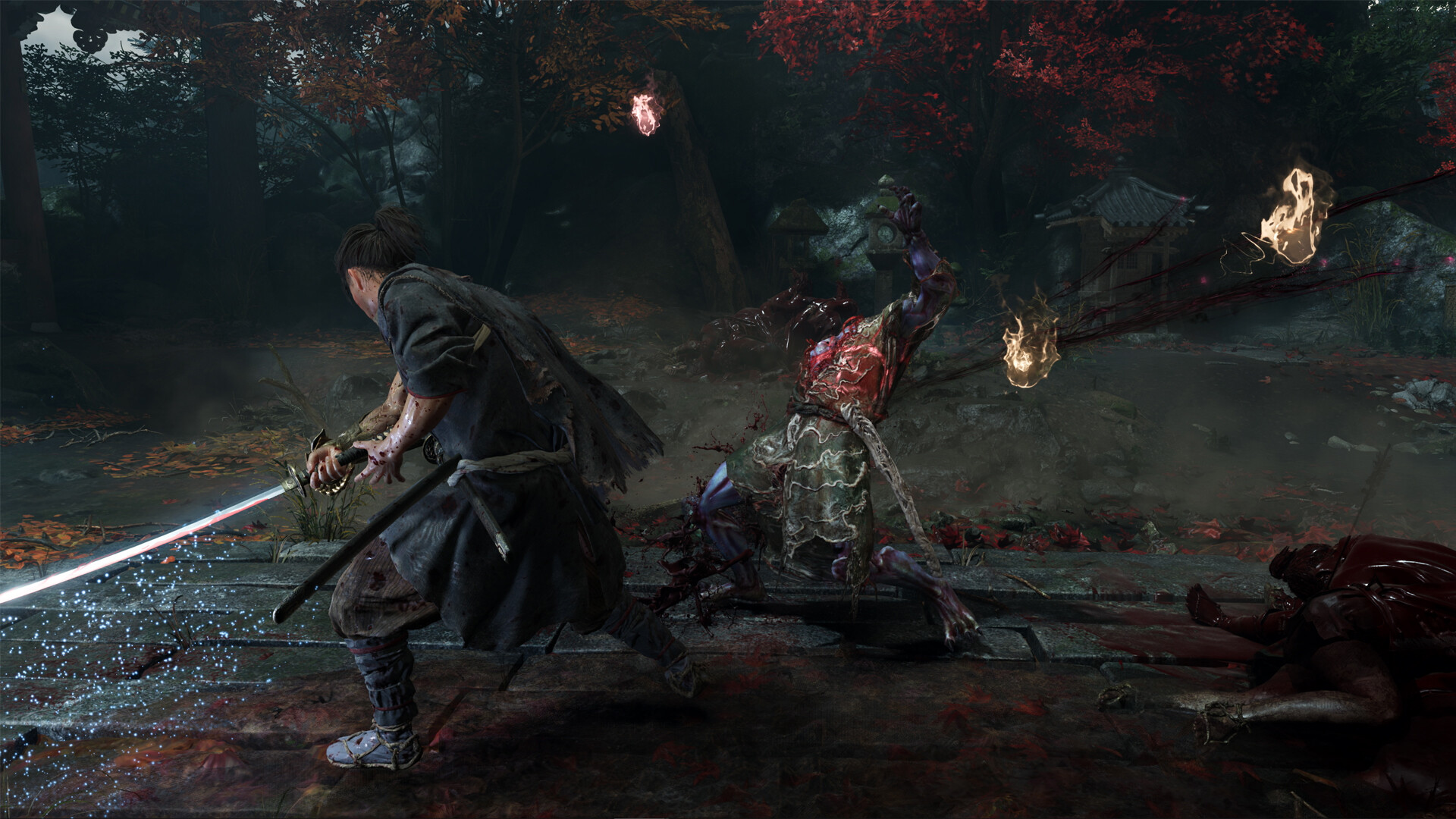
However, it is the combat that truly determines if Way of the Sword succeeds. And here the game delivers, to such a high level that it is one of my favorite games this year. The swordplay is fast, aggressive, and above all, very satisfying. Enemies do not just function as health bars to be smashed, but require you to actually learn their behaviors. Understanding when to attack, defend, dodge, or counter becomes crucial. There is a special satisfaction in successfully reading an enemy’s attack and responding with a perfectly timed counter-attack. The combat thus gains a rhythm that makes you gradually progress from surviving to actually feeling like a skilled samurai.
At the same time, the game tries not to be particularly forgiving. You can quickly be punished if you become too aggressive or stop paying attention. This gives every major battle a certain tension, especially when facing stronger enemies and bosses. However, after a while, once I learned the combat mechanics, it became far too easy. I played on the hardest difficulty, and after four hours, I was capable of not dying a single time for the rest of the game. A bit too easy for an Onimuska game, I would think. Or at the very least. But, and a big BUT—I have played everything in the realm of difficult games, from Dark Souls and Battletoads to the recent Mortal Shell 2. So I am used to challenging games and usually want to be tested. This is not a souls-like game, but an action-adventure. Still… even so, it feels a bit too easy.
Way of the Sword focuses more on a structured gameplay experience than on a massive open world, which is otherwise so popular now. It is a welcome decision. The environments are large enough to allow for exploration, but not so large that you get lost in hundreds of side quests and collectibles. There is a clear direction throughout the adventure, while the player is encouraged to investigate their surroundings. There is also satisfaction in finding alternative paths, secrets, and items. Exploration thus serves as a good complement to the combat. In some respects, however, I would have liked to see even more variation. Once you have understood the game’s basic structure, some parts can begin to feel predictable. It is not a major problem, but it prevents the game from becoming truly exceptional.
The sound design also deserves praise. Swords clashing, enemies screaming, and the various environmental sounds contribute to making the combat more intense. The music fits the tone of the game and blends traditional Japanese influences with darker, more dramatic elements. It does not constantly try to overpower what is happening on screen, which makes it work well for setting the mood. It is particularly in the quieter segments that the music comes into its own. When the game allows the player to walk through a peaceful Japanese setting before the next demon attack breaks the silence, a good contrast is created.
The combat is absolutely fantastic, so much so that the thin and boringly told story can be forgiven. But towards the end of the game, it still became a bit repetitive. The upgrade system gives you two skill trees and a weapon upgrade system that doesn’t have much depth. The longer I played, the thinner the game felt. Not like in Pragmata, where every hour opened up new paths and new weapons to play with, and where there was also a good story to lead you through the tight campaign.
But Onimusha: Way of the Sword is a good reminder of why the series worked in the first place. It is a focused action-adventure with brutal sword combat, a dark and atmospheric world, and a clear identity. Capcom has succeeded in modernizing the series without completely discarding its roots. The best part is still the feel of the combat. When you stand before a powerful enemy, read their movements, dodge the attack, and respond with a perfect sword strike, the game is at its best. That is when Way of the Sword truly feels like an Onimusha game. It could have dared to take even bigger steps forward in terms of storytelling and variation, but at the same time, it is difficult to be too critical when the game succeeds in reviving a series that has been gone for so long without losing its soul.
For old fans, this is a long-awaited return. For new players, it is a great opportunity to discover what made Onimusha special from the start.
Capcom sent a review code for this test. Senders of material have no editorial influence on our reviews.
Review Highlights: Q&A
How does the sword combat feel to play?
Onimusha Way of the Sword delivers fast, aggressive, and highly satisfying swordplay focused on learning enemy behaviors, dodging, and executing perfectly timed counter-attacks.
Is the game difficult?
While early encounters require careful timing and defense, mastering the mechanics can make the rest of the game feel far too easy, even on the hardest difficulty setting.
Is Onimusha Way of the Sword an open-world game?
No, the game avoids a massive open-world structure in favor of focused, linear levels that encourage exploring environments for secrets, items, and alternate paths.
How deep are the character upgrades and progression?
Progression is relatively shallow, featuring two skill trees alongside a basic weapon upgrade system that offers limited depth over the course of the campaign.
Does the game offer a compelling story and characters?
The narrative is thin and predictable with basic "fight evil" themes, lacking standout characters or memorable plot twists throughout the journey.