TL;DR
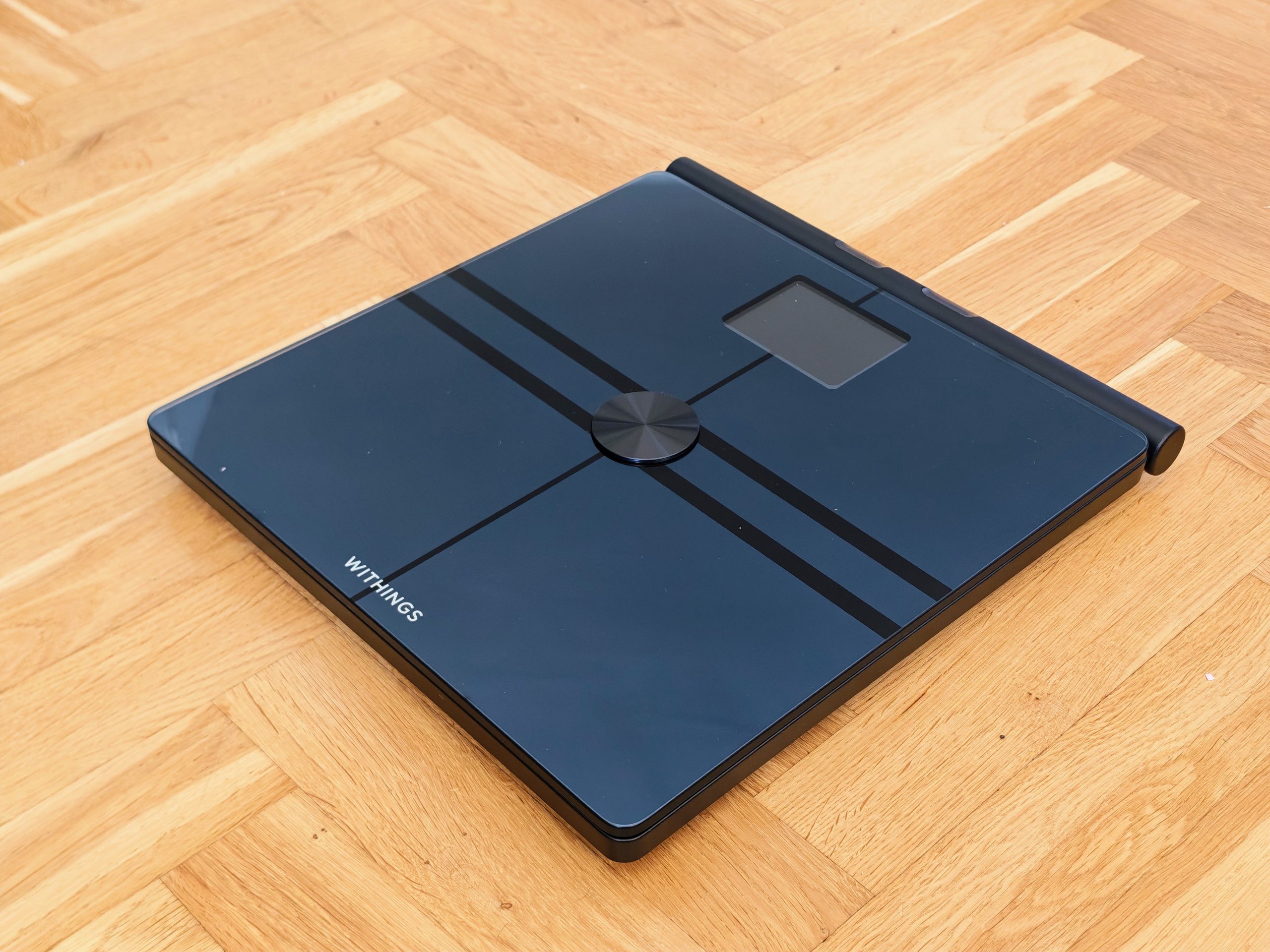
Withings aims to bring clinical-grade body analysis to your bathroom with the new BodyFit scale, featuring a telescopic handle and multi-frequency BIS technology. On paper, it is a powerhouse tracking over 40 biomarkers with segmental precision. However, our hands-on testing reveals a reality that is more plasticky than premium. Despite its sleek app interface and fast measurement speed, the BodyFit suffers from a lightweight design that tips over easily and, more concerningly, inconsistent data that varies wildly between weighs. With key insights now locked behind a Withings+ subscription, does this mid-range contender actually deliver on its promise of clinical accuracy, or is it a frustrating step backward for the health tech giant? We break down the ergonomics, the math behind the measurements, and whether you should hold out for the upcoming flagship instead. Read the full review to see if the BodyFit fits your fitness journey.
The health tech market is absolutely exploding right now, especially considering the massive global increase in GLP-1 weight loss drugs (Ozempic, Munjaro, etc.). Keeping track of your fitness is now about much more than just staring blindly at a number. French Withings has long been a favorite manufacturer within this niche here at the editorial office and is globally one of the strongest players in the market for smart bathroom scales in the premium segment. With the new mid-range model BodyFit, released on July 1 in Sweden, they are attempting to offer clinical precision at a lower price than the flagship models. However, quality comes at a price – and here, unfortunately, the experience leaves much to be desired.
Impressive technology on paper
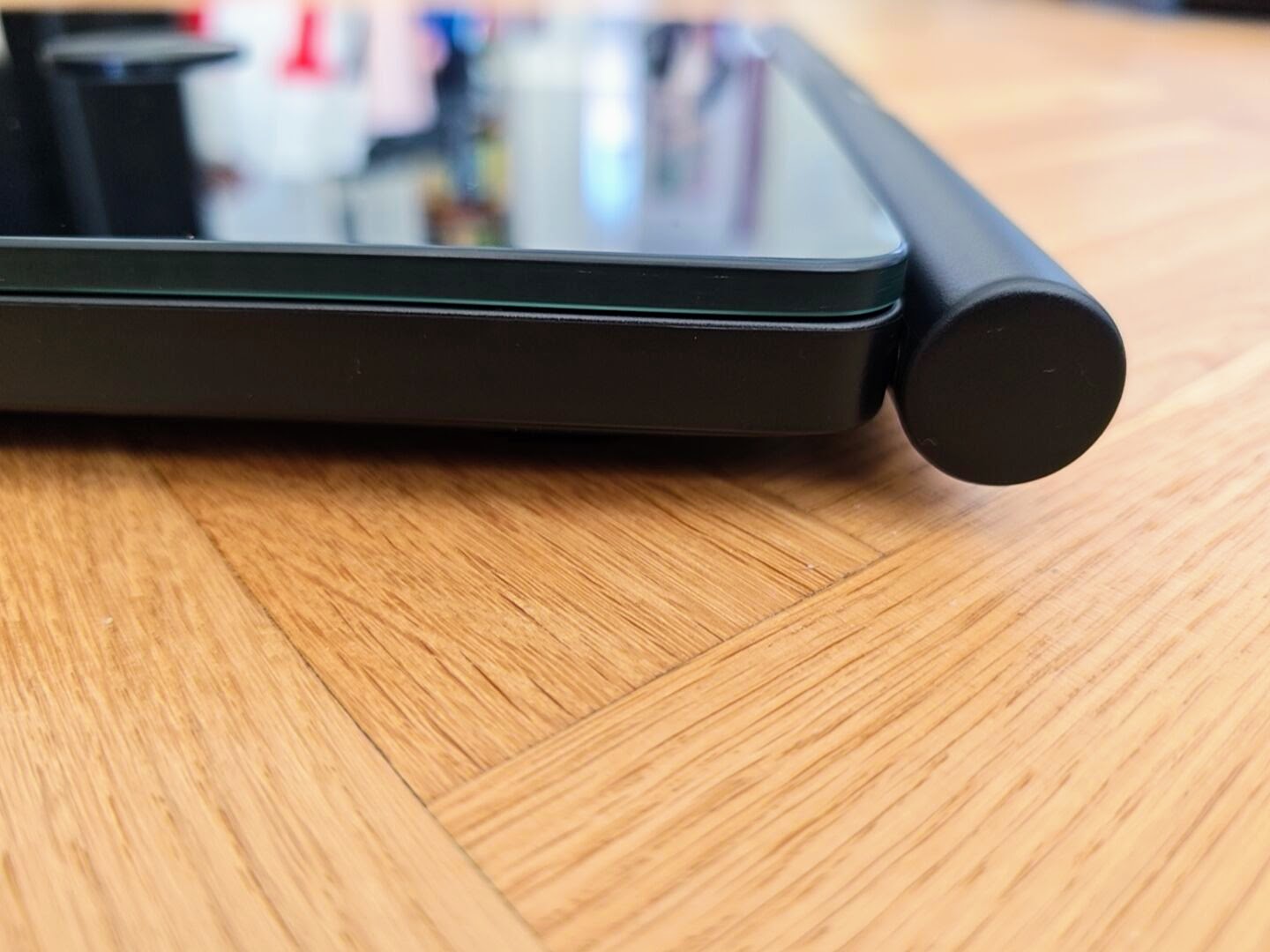
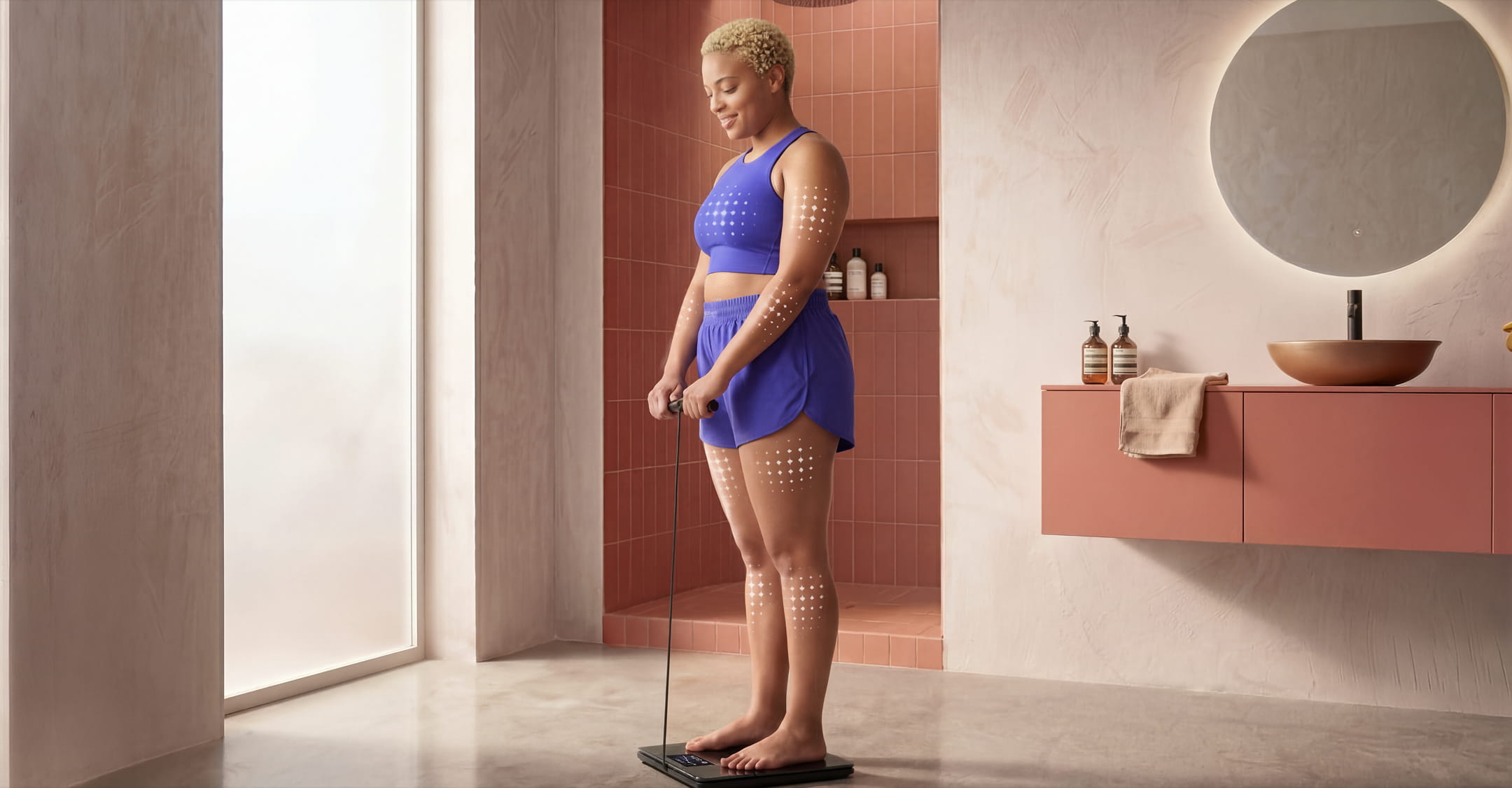
The big draw of BodyFit is the extendable telescopic handle combined with the new app overview and “over 40 biomarkers,” which sounds impressive. By using a total of eight electrodes (four in the feet, four in the handle) and sending low-level currents through the body via advanced multi-frequency BIS (Bioelectrical Impedance Spectroscopy), the scale divides your body into six different zones. The idea is that you should be able to see exactly where on your body you are losing fat and building muscle, with a promised 99 percent correlation compared to medical DEXA scans. The process is fast, and the entire measurement is over in about 20 seconds.
But when we leave the press releases and step onto the scale in the bathroom, my impression unfortunately becomes “so-so” almost immediately.
Plasticky build and ergonomic friction
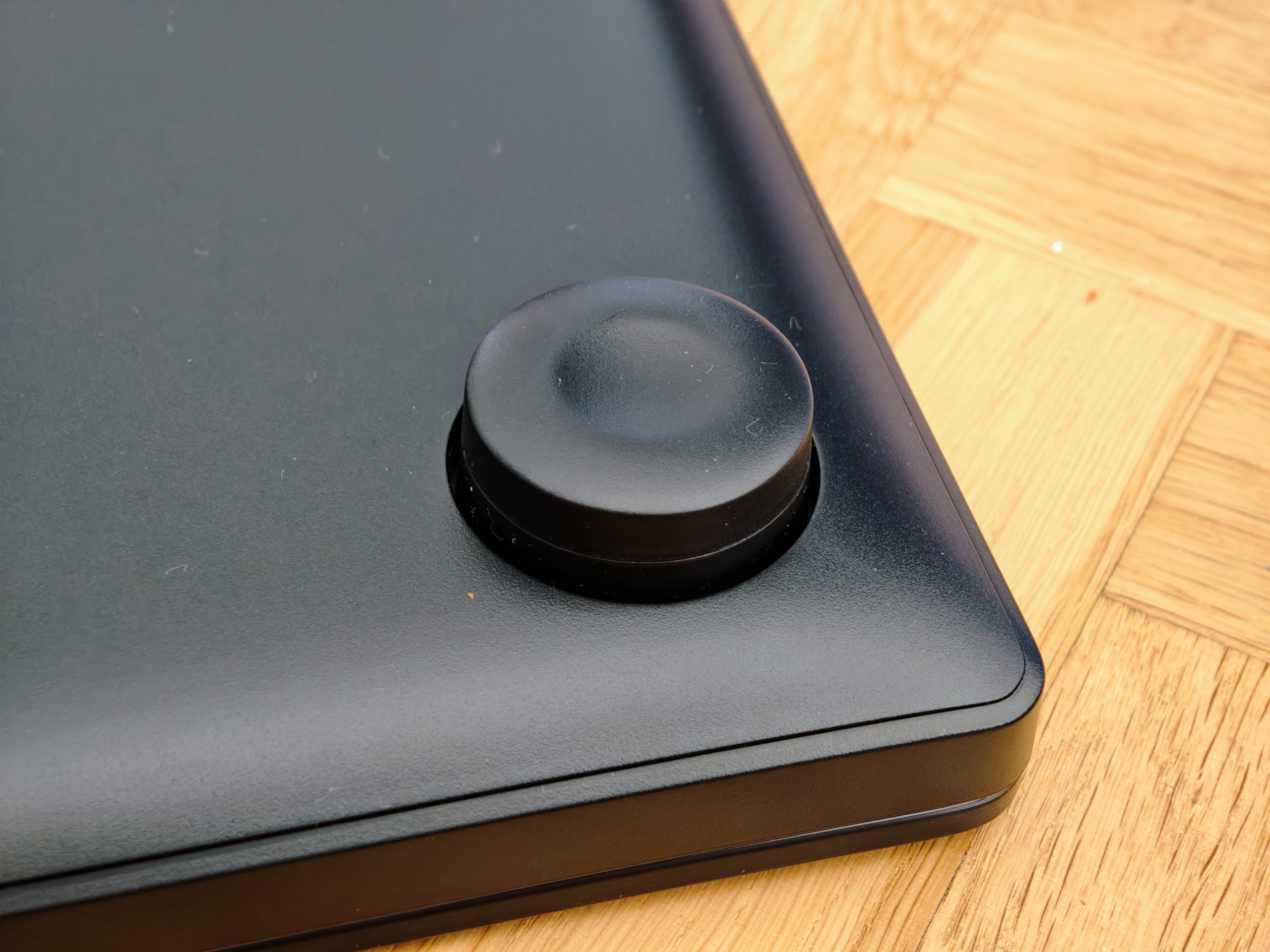
Firstly, the product feels strikingly plasticky and light for a device that costs north of 3,000 SEK. This creates a direct physical problem: the chassis is so light that if you pull the spring-loaded handle before placing your full body weight on the glass plate, the entire scale lifts off the floor. You must, therefore, position yourself perfectly, find your balance, and then bend down to pull up the handle. Furthermore, the instructions in the app itself on how to place your thumbs on the electrodes are directly inadequate, requiring a fair amount of trial and error.
Unstable measurements and data stress
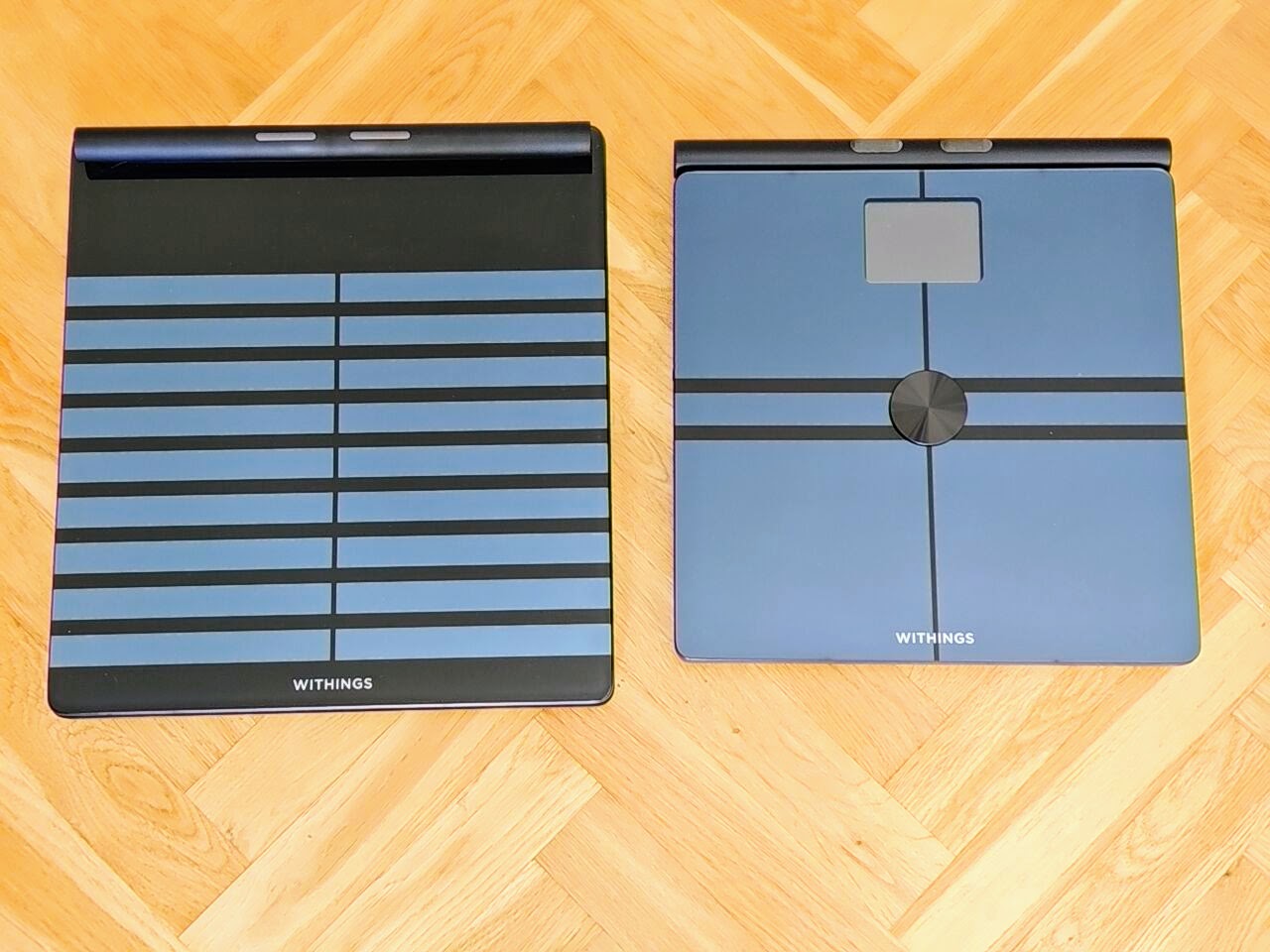
The most problematic aspect, however, is the measurement values themselves. Despite the boast of clinical precision, I find that the measurements vary extremely. The weight could fluctuate by several kilograms from one measurement to another on the same day, which is not exactly confidence-inspiring for a product whose entire raison d’être is accuracy. I am not alone in this; other users online have reported massive percentage differences between BodyFit and older Withings models, as well as a great deal of frustration over how the app’s internal mathematics sometimes don’t add up when body fat percentage and actual fat weight are compared.
In addition to this, the scale has several software modes, including a baby mode where you should be able to weigh your child by holding them in your arms. I was unable to test this as I do not have a baby, but the children were allowed to test the scale too, and the youngest girl’s body composition could not be measured, despite repeated attempts and several changed grips.
When you also consider that Withings is now trying to lock its best AI analyses and health trends behind the subscription service Withings+ (where only one month is included for free, thereafter costing just under 100 SEK per month), it starts to feel like a rather expensive affair overall.
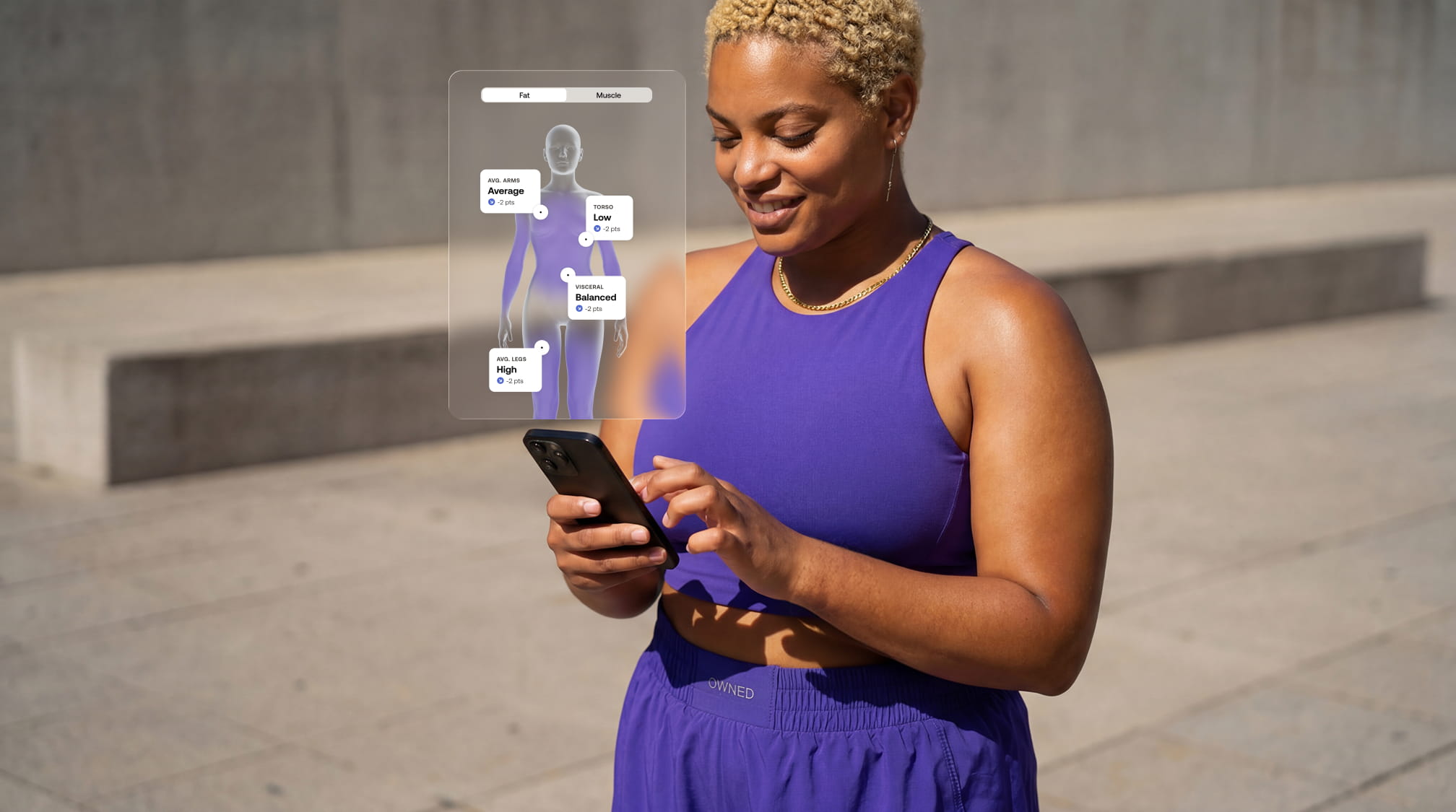
On the plus side, the overview in the app is really good and informative. Above all, trends over time are very interesting and useful. And when the measurement works as intended, it is both fast and smooth. The “40 biomarkers” ultimately turn out to be mostly things we’ve seen before on, for example, Body Scan and are just a compilation of each individual measurement value, which might feel like promising more news than we actually get.
Conclusion
Withings BodyFit is an ambitious attempt to democratize advanced body analysis, but it falls short in its execution. The plasticky design is a clear departure from Withings’ premium positioning, and the inconsistent measurements occasionally create more frustration than health-promoting motivation. If you are serious about your measurements and want to stay within the Withings ecosystem, I advise you to wait for our impressions of the flagship Body Scan 2, which will arrive at the editorial office later this summer.
Withings sent review units for this test. Senders of material have no editorial influence on our tests; we always write independently with you, the readers and consumers, in focus.
Review Highlights: Q&A
How accurate is the scale's measurement?
Weight and data measurements vary extremely.
What is the build quality of the BodyFit?
The device feels strikingly plasticky and light.
Does it include a subscription service?
Advanced health trends require Withings+.
How many biomarkers does the scale track?
The scale tracks over 40 different biomarkers.
What is the main issue with the design?
The light chassis lifts when pulling the handle.
How does the companion app perform?
The app overview is exemplary and informative.
