
TL;DR
Google’s Fitbit Air breaks the "more is more" trend with a screen-less, feather-light design focused entirely on passive health tracking. Weighing just 12 grams, this minimalist band is virtually unnoticeable, making it an ideal companion for those who prefer traditional watches but still want deep insights into heart rate and recovery trends. While it trades a display and built-in GPS for an impressive eight-day battery life, it delivers elite-level sleep analysis and heart rate variability tracking through the revamped Google Health app. With an integrated AI coach and the freedom of no mandatory subscription for core data, it offers a refreshing alternative to bulky, notification-heavy smartwatches. If you are ready to prioritize wellness without the constant digital clutter, you won’t want to miss our detailed performance breakdown. Read the full article to see if the Fitbit Air is your perfect health partner.
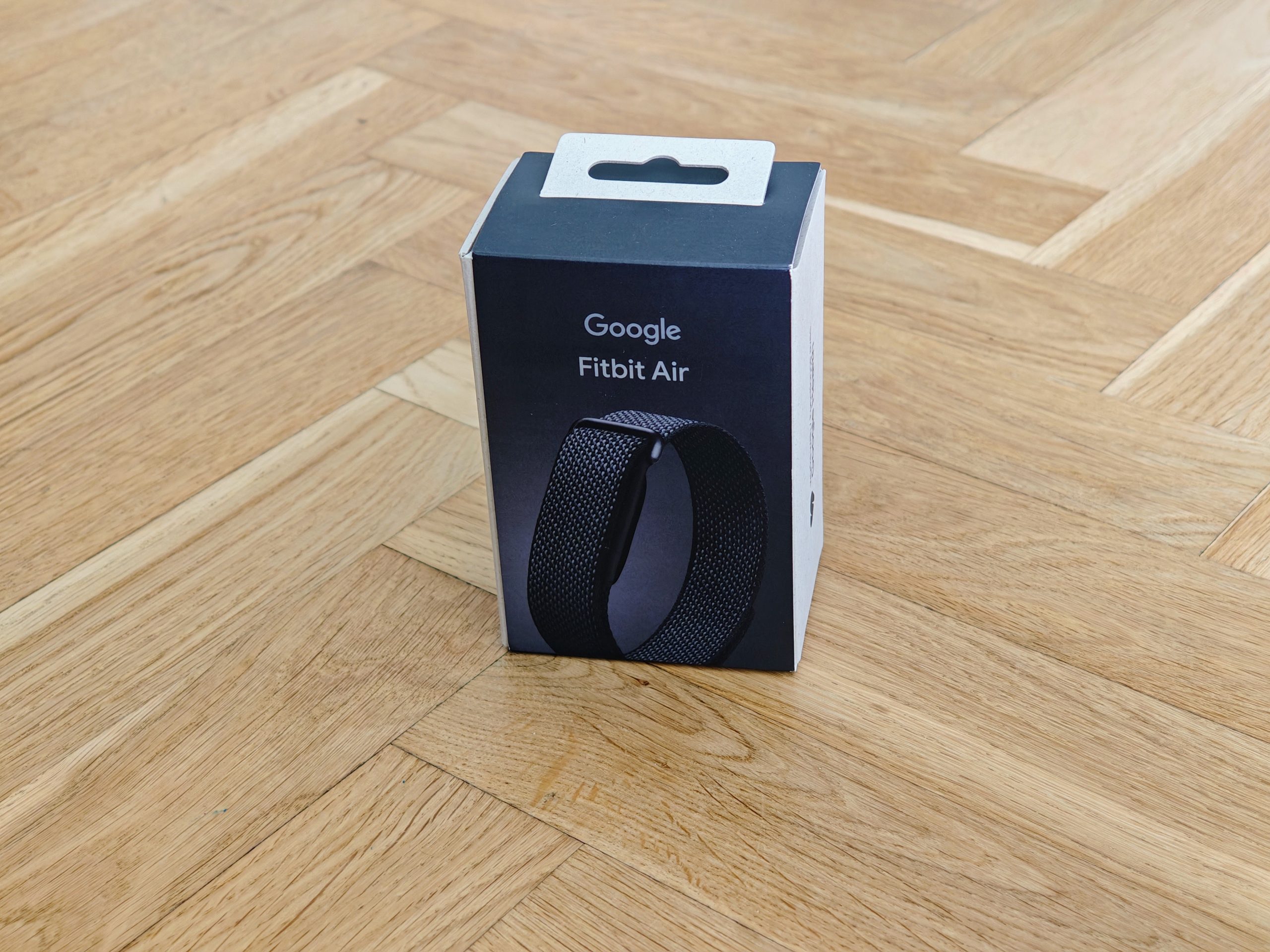
After the search giant Google acquired the manufacturer Fitbit in 2021 for over 2 billion dollars, new products from them have been quite sparse over the last three years (Charge 6 was the latest model, released in 2023). For the past decade, the wearable technology market has been about cramming as many features as possible onto as small a screen as possible. With the Fitbit Air, Google is doing the exact opposite: they have stripped away the screen entirely to instead focus on passive, continuous health and sleep tracking through a seemingly sleek band. After a period of testing, I can conclude that I am very satisfied with the product, even if it carries an inherent paradox.
Design and Comfort
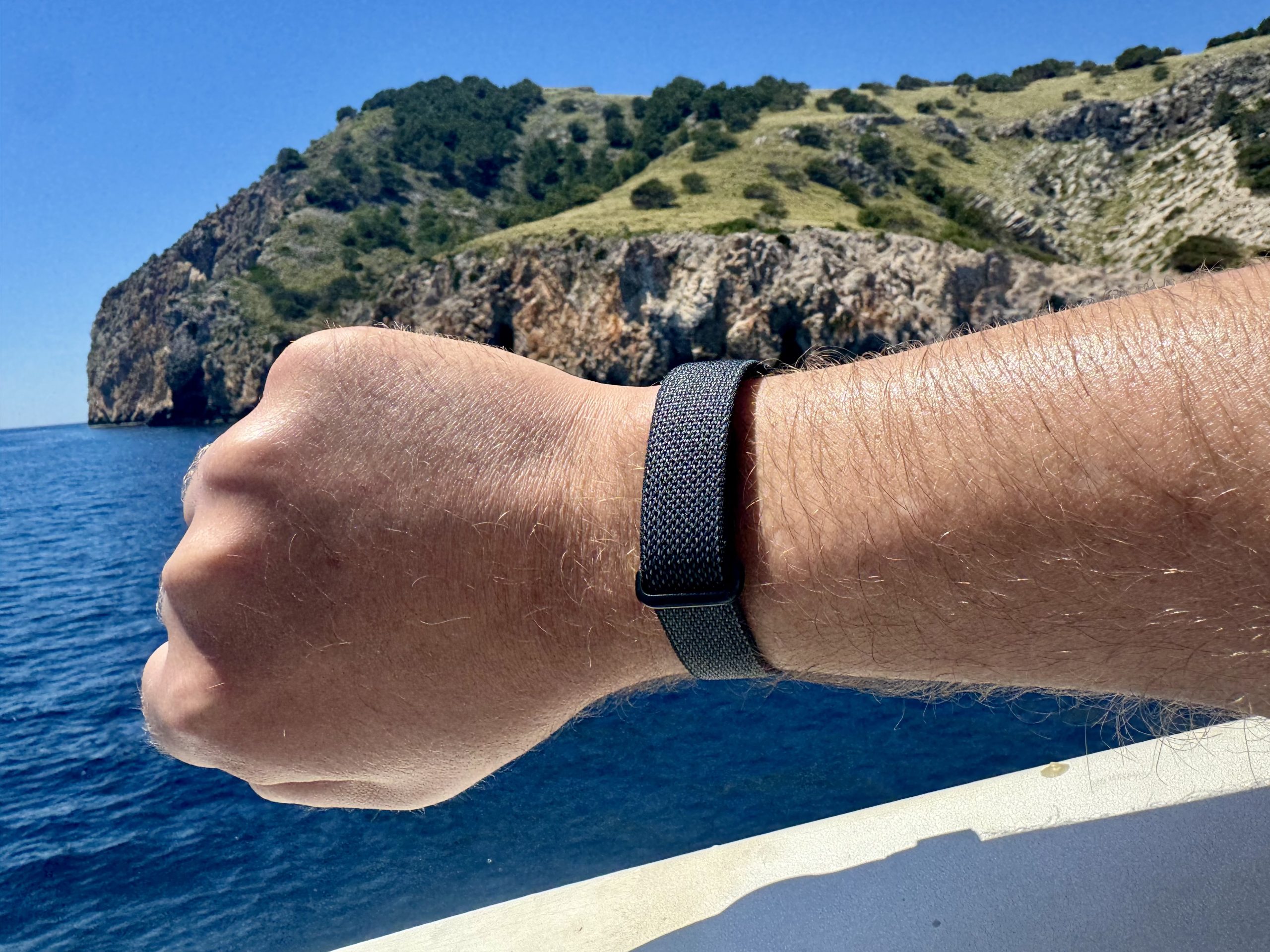
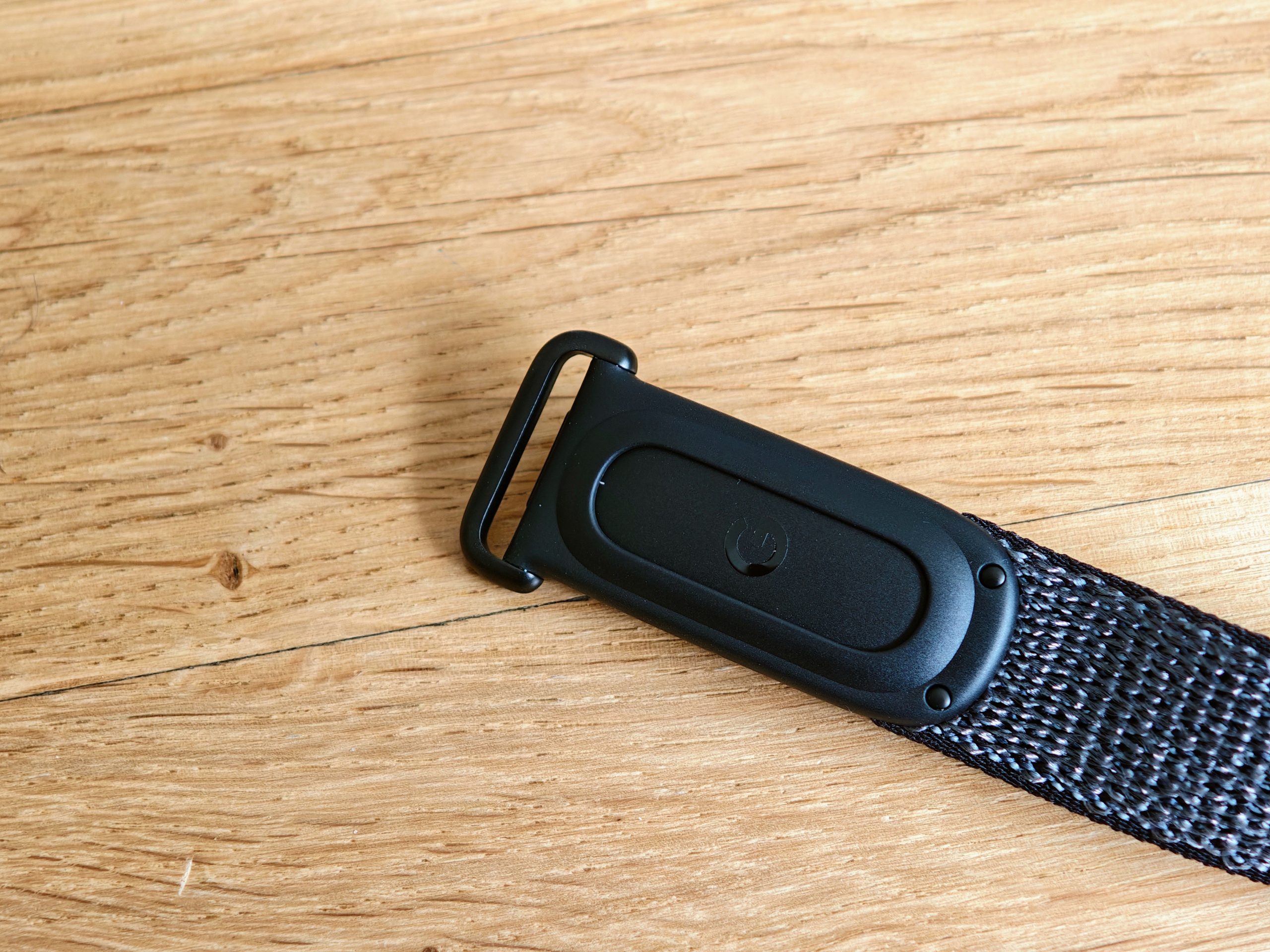
The first thing that strikes you is how feather-light the device is. The sensor itself weighs an incredible 5.2 grams, and with the included fabric wristband (Performance Loop), the total weight lands at 12 grams. This means you basically forget you’re wearing it, which is the whole point. For my part, this is a tremendous advantage. It allows me to wear a stylish, classic watch on one arm (such as the Withings Scanwatch Nova) and the Fitbit Air on the other, without looking like I’m wearing dual smartwatches.
Performance and Tracking
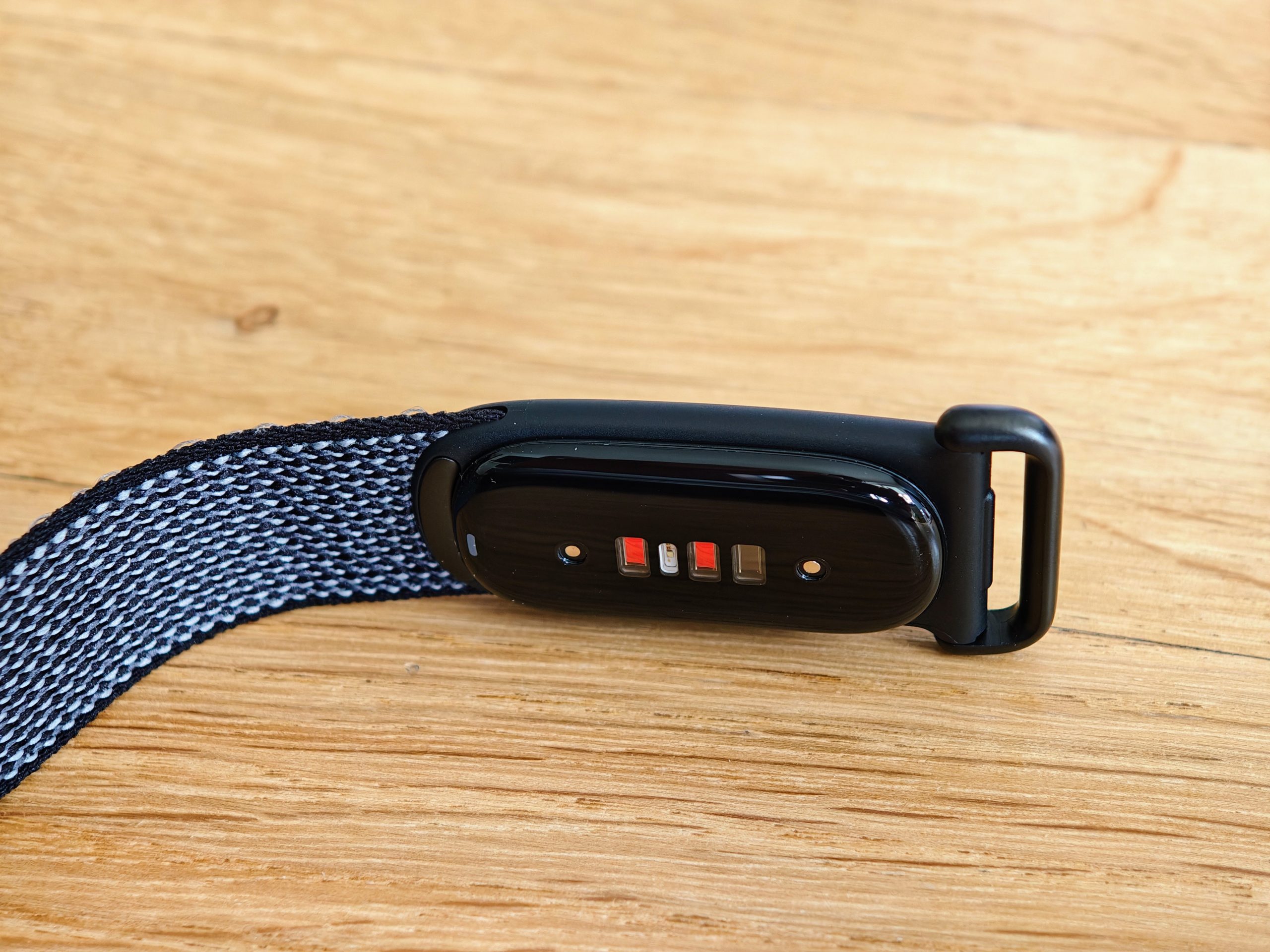
In the absence of a screen, all interaction and data reading take place in the redesigned Google Health app, which has been in beta for Apple iOS during the test period and also replaces the venerable old app from Fitbit. Fitbit Air measures heart rate, oxygen saturation (SpO2), skin temperature, and heart rate variability (HRV) with high precision. Regarding HRV specifically, it is worth noting a difference compared to more expensive competitors: Fitbit Air often calculates a slightly lower absolute value, but is just as accurate at measuring trends (i.e., whether you are well-rested or about to get sick) and presents this in an extremely minimalist way within a green zone in the app. The Huawei Watch 5 Pro, which also measures HRV continuously to track stress and recovery, gives you a much broader and more detailed overview by comparison, where you can break down the HRV data by day, month, and year. If you want to dive deep into the numbers, Huawei is sharper, but for a quick, simple overview, Fitbit does the job brilliantly.
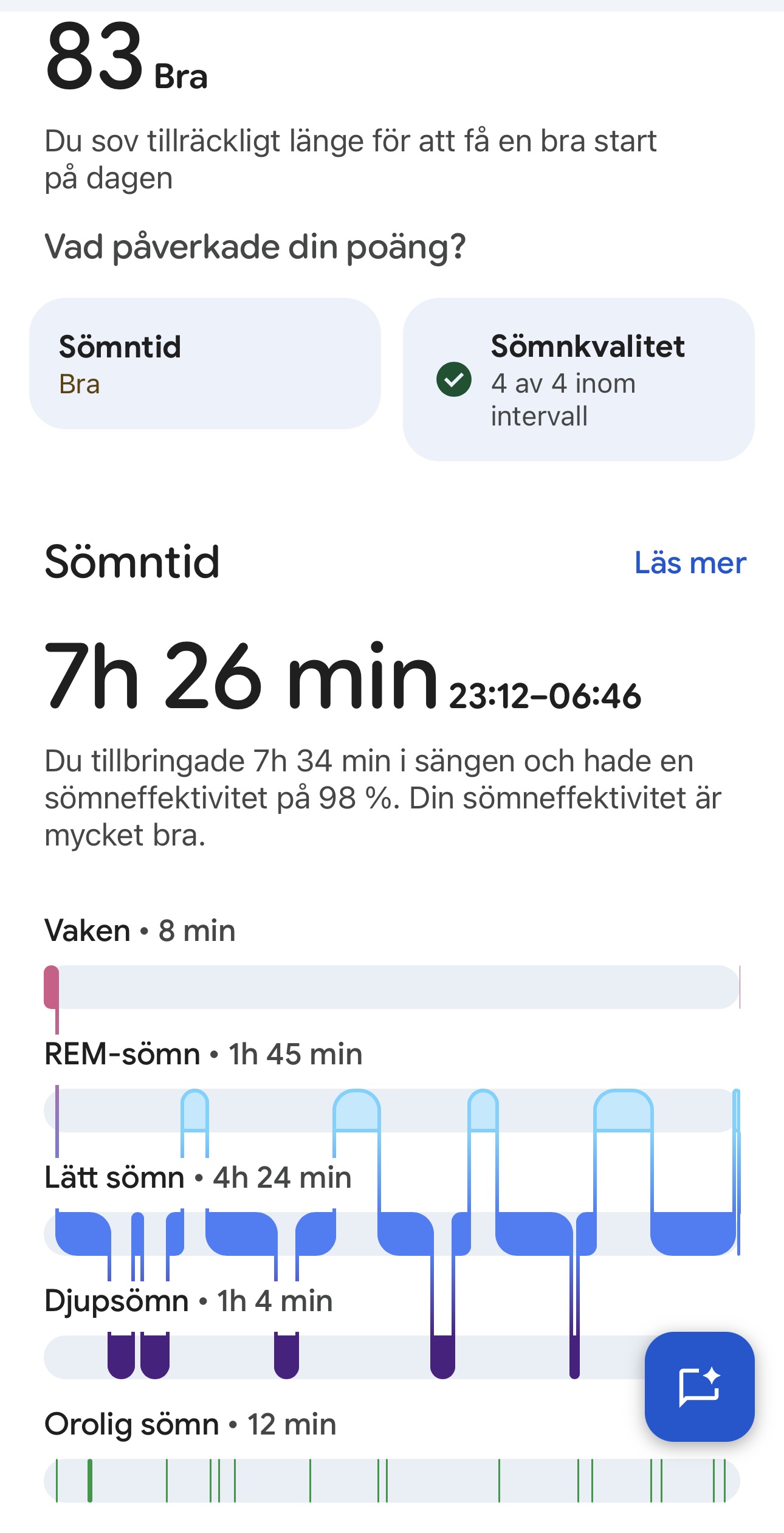
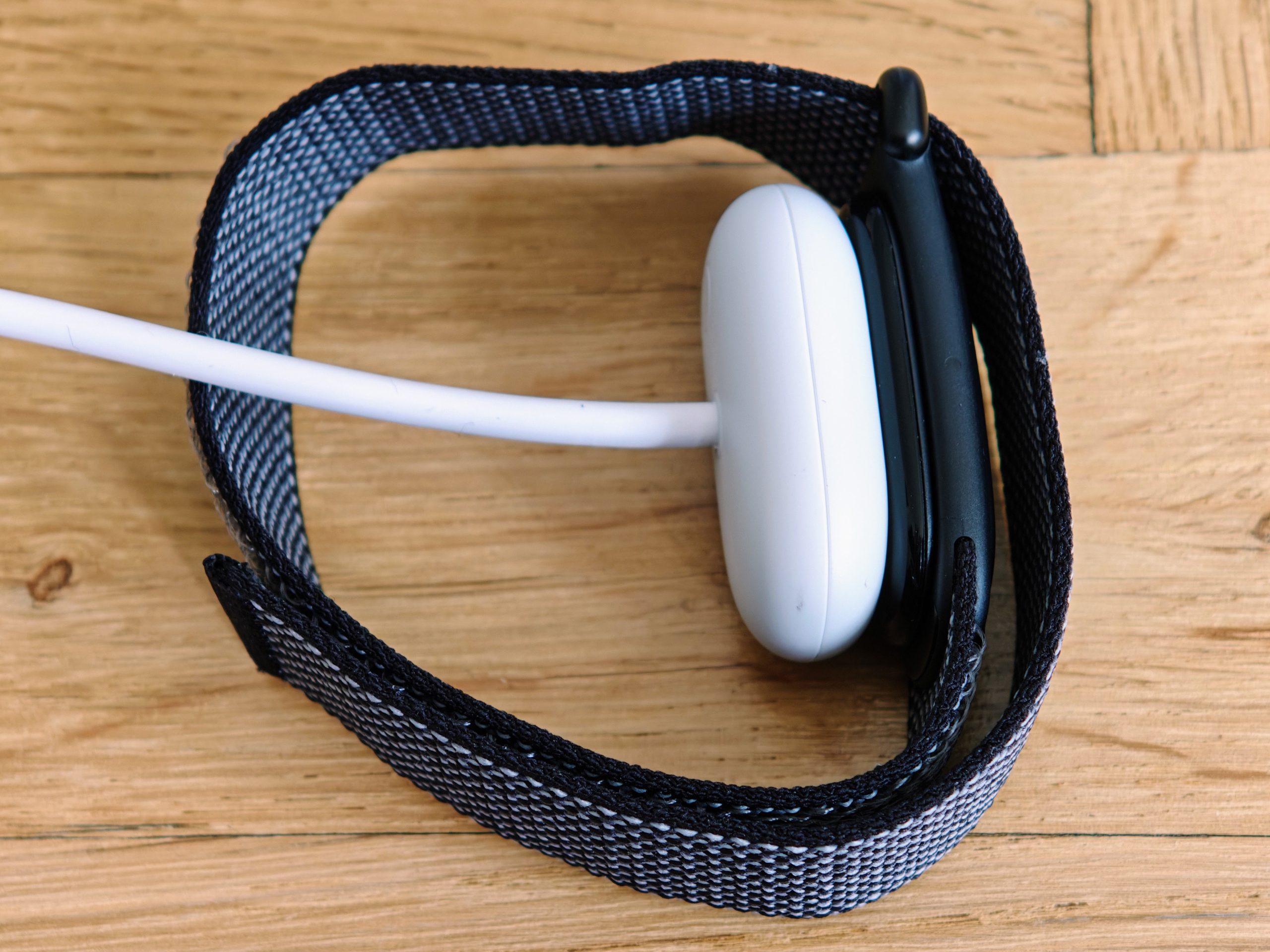
Where the Fitbit Air truly impresses is in sleep tracking. It analyzes sleep stages and wakefulness with an accuracy that, in my tests, proved to be on par with the excellent (and significantly more expensive) Huawei Watch 5 Pro. Battery life is rated at seven days, but in independent tests and during my own use, it often extends closer to eight days, and a full charge takes about 90 minutes (using the dedicated charger via USB-C).
Google heavily emphasizes its integrated AI coach, Gemini, which builds workout programs and provides health advice. However, this requires a subscription to Google Health Premium (approximately 99 SEK per month, three months included with purchase). The big advantage over similar competitors, like Whoop 5.0, is that the Fitbit Air does not become unusable if you don’t pay for the subscription; all basic health data and sleep analysis are available for free.
The Ironic Downside
Ironically, the device’s greatest strength—its simplicity and lack of a screen—is also its greatest weakness. If you’re going to have a device on your arm to track exercise anyway, a “real” smartwatch is indisputably more advanced and versatile. Since the Fitbit Air lacks a display, you cannot see the time, your current heart rate, or your pace during a run without picking up your phone. It also lacks built-in GPS and relies entirely on your phone for route tracking. Furthermore, the automatic workout detection tends to miss low-intensity sessions like yoga or strength training, requiring manual entry in the app afterward.
In summary, the Fitbit Air is an excellent product for those who want to keep a close eye on their health and recovery without being disturbed by notifications, and its lower price tag compensates well for the lack of smartwatch features.
Google sent a review unit for this test. Senders of material have no editorial influence on our tests; we always write independently with you, the readers and consumers, in focus.
Review Highlights: Q&A
Does the Fitbit Air have a display screen?
No, it has no screen to focus on tracking.
How long does the battery typically last?
It lasts about seven to eight days per charge.
Is a monthly subscription required to use it?
No, basic health and sleep data are free.
Does the device include built-in GPS?
It lacks GPS and requires a phone for routes.
How heavy is the device with the wristband?
The sensor and strap together weigh 12 grams.
What health metrics does the Fitbit Air track?
It tracks heart rate, SpO2, and skin temperature.
