
TL;DR
OnePlus is back with a flagship that prioritizes endurance and speed over absolute camera perfection. The OnePlus 15 boasts an incredible 7,300 mAh battery, easily lasting two days, and features a blazing-fast Snapdragon 8 Elite Gen 5 processor for smooth gaming and multitasking. While its design is a bit understated and the camera, though good, doesn't quite match the top-tier competition, its exceptional durability, stunning 165Hz display, and unparalleled battery life make it a compelling choice for power users and media consumers. Ready to see if it's the right flagship for you? Dive into the full review!
Over its twelve years on the market, OnePlus has evolved from a company making “near-flagship” phones at mid-range prices to an established player with devices in most price segments. This is the first phone we at Senses are testing from OnePlus, although we have previously tested and been satisfied with both their tablets and watches, and I have personally owned several previous models.
Now it’s time to take on a true flagship. OnePlus is tempting us with “Power On. Limits Off,” and it’s not just performance that’s maxed out—it also features a larger battery than anyone else has managed to squeeze in. How well does the OnePlus 15 hold up against the competition? Let’s find out!
Design and Build Quality
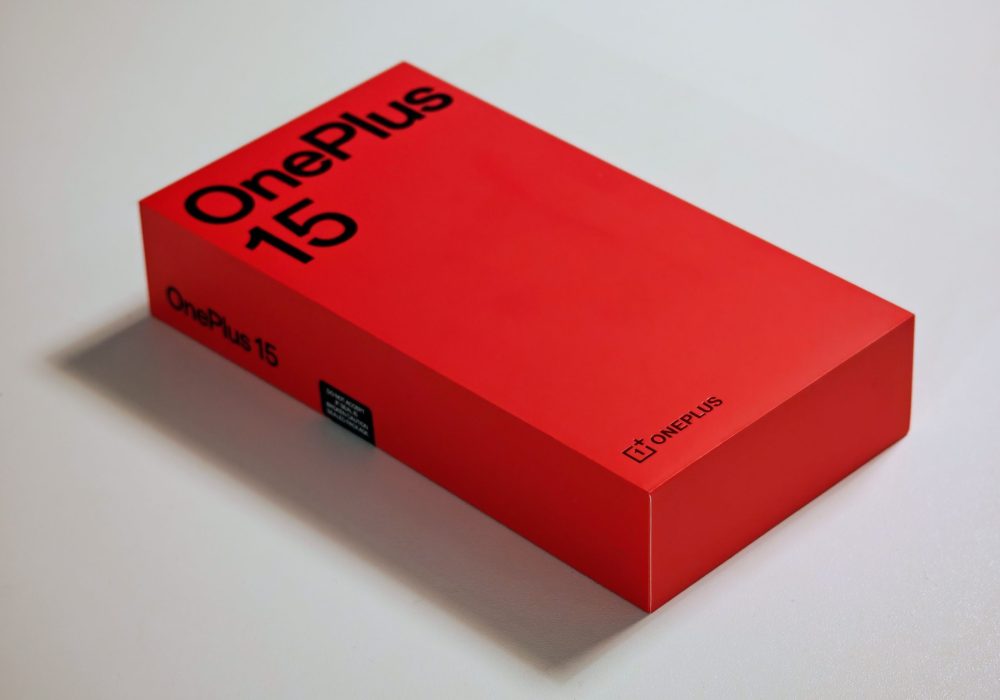
The first thing that strikes you when unboxing the OnePlus 15 from its stylish red box is that the design feels somewhat generic and anonymous.
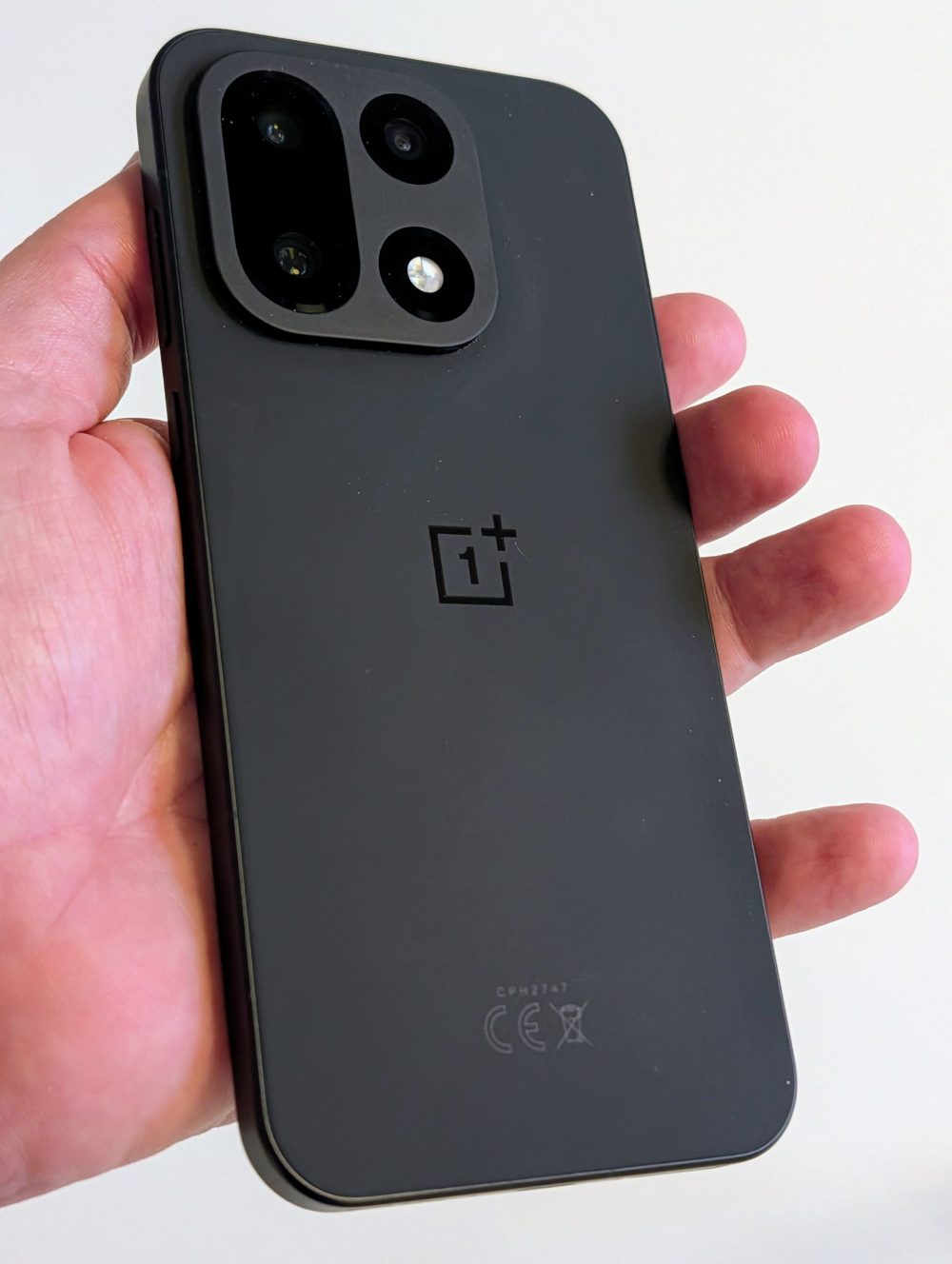
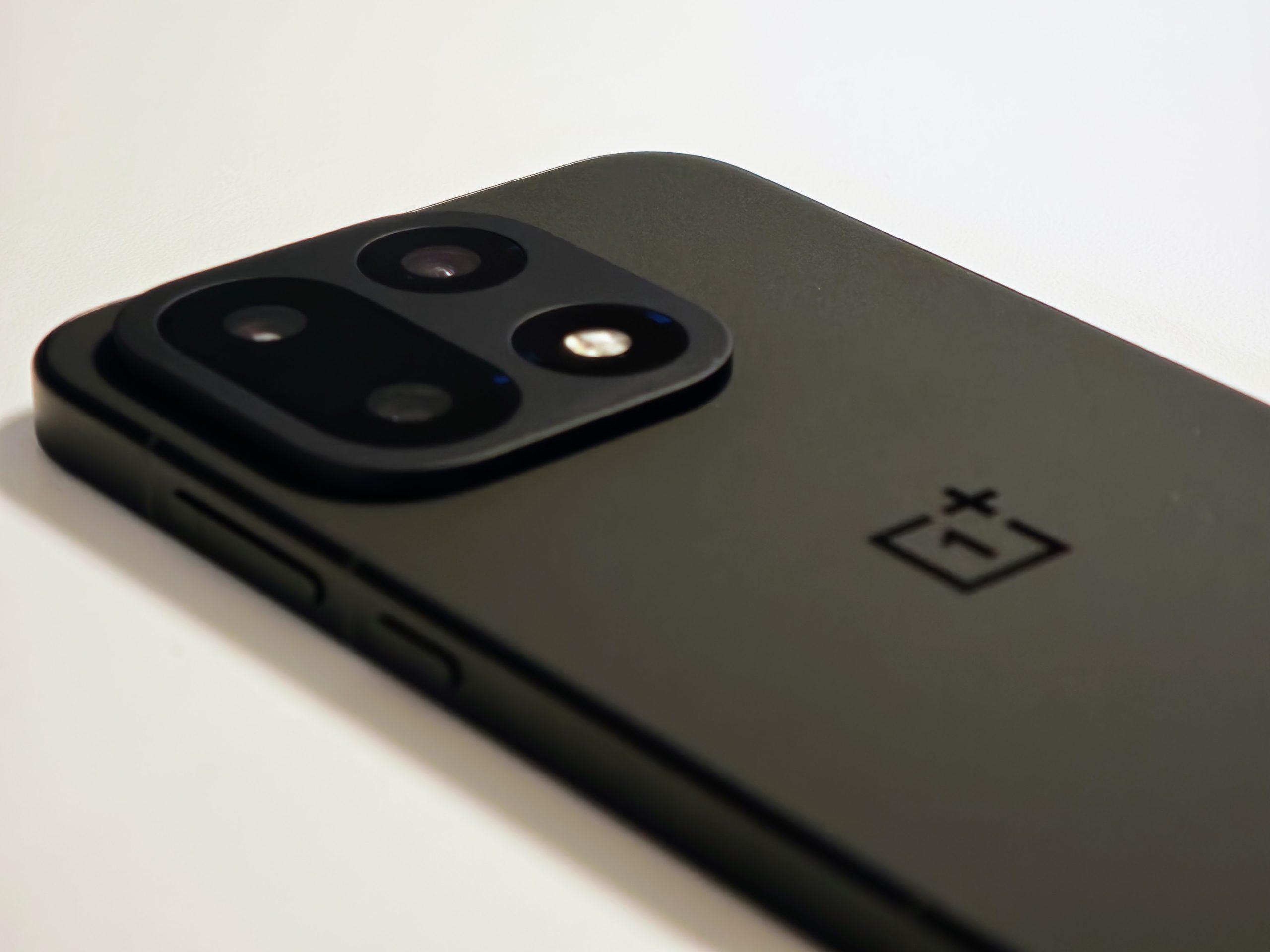
The model we are testing is in the “Infinite Black” color. It is matte black, and the back has a texture that makes it very easy to grip. This provides a fantastic feel, and you don’t have to worry about fingerprints. The frame is made of aluminum, and the phone feels very solid in the hand. The camera module has a very low profile, so the phone remains completely stable on a table despite the module not being centered on the back.
The build quality feels extremely high. This is underlined by the fact that the phone has the market’s broadest IP rating, featuring IP66, IP68, and IP69K. This means the phone can theoretically withstand being sprayed with a pressure washer using 80-degree water at a pressure of 100 bar.
For those who want something more exotic, there is the “Sand Storm” color. In this version, the back consists of a fiber-reinforced polymer that eliminates the risk of cracks, while the frame has been treated with Micro-Arc Oxidation (MAO) to provide a ceramic surface intended to be harder than titanium.
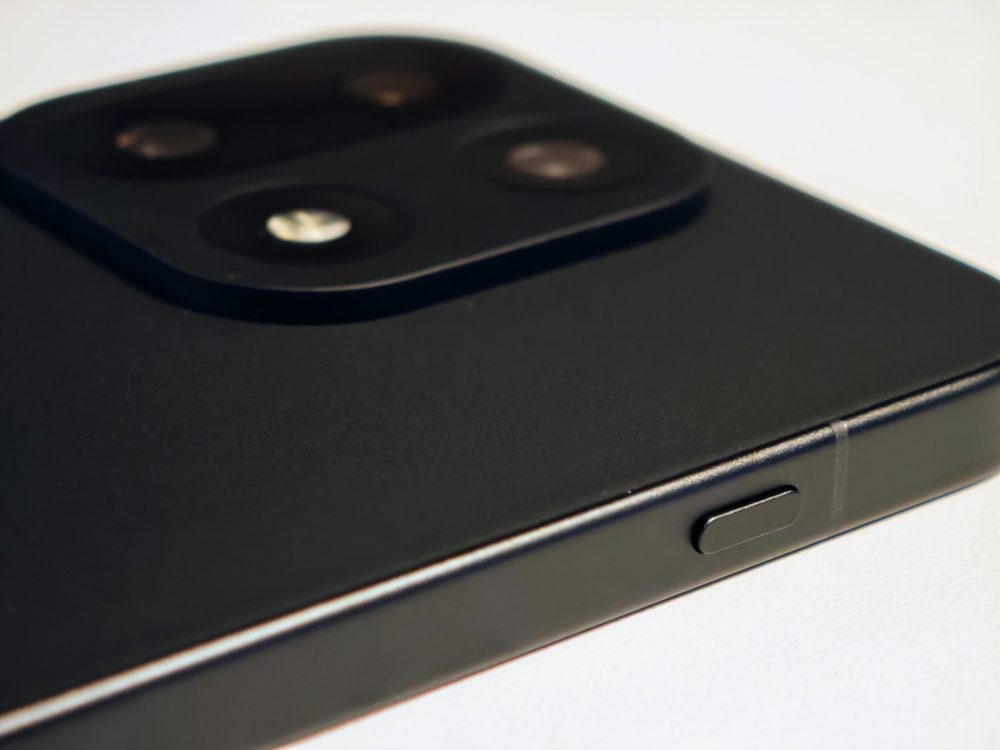
The biggest design choice, and the one we know will upset many loyal OnePlus fans, is that the iconic “Alert Slider” is gone. The mechanical switch has been replaced by a new “Plus Key.”
It is a push-button that can be programmed for various functions. However, it lacks that direct, tactile sensation of being able to quickly switch to silent mode in your pocket without taking the phone out. It feels like a shame, as this was something that set OnePlus apart from the crowd. But at the same time, is there anyone in 2026 who doesn’t have their phone on silent by default? So, in a way, I understand the decision to remove or evolve the function.
The stereo speakers deserve a mention. They sound surprisingly good for a mobile phone.
Display
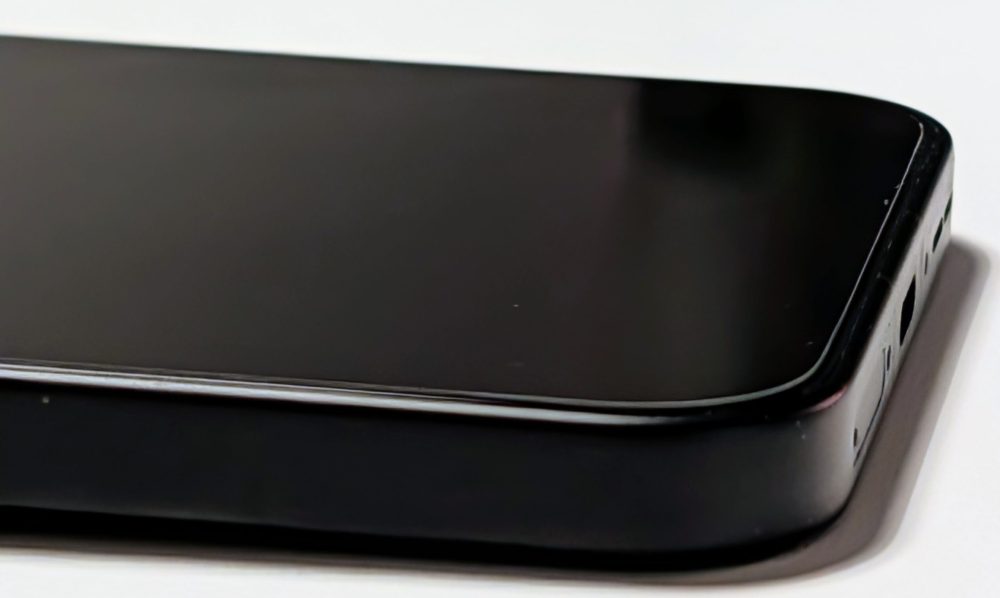
The screen is a flat 6.78-inch LTPO OLED panel. We appreciate that OnePlus has moved away from curved edges entirely, as it reduces the risk of accidental touches and makes it easier to install screen protectors (a factory-applied protector is included upon delivery).
The resolution is 1.5K (2,772 x 1,272). One might think this is an unusually low resolution for a flagship, but with a pixel density of 450 ppi, I see no difference compared to a 2K screen. OnePlus claims the choice was made to save battery life and enable the higher refresh rate of 165 Hz.
For those sensitive to flickering, it is worth mentioning that the screen uses high-frequency PWM dimming at 2,160 Hz at low brightness levels.
The display supports up to a 165 Hz refresh rate. The higher frequency is only activated in compatible games. Otherwise, when scrolling through menus or browsing, it runs at 120 Hz, which is very smooth. The responsiveness is also immediate, largely thanks to a dedicated touch chip that provides an “instant touch sampling rate” of 3,200 Hz. It feels as if your finger is directly connected to the screen.
Performance and Software
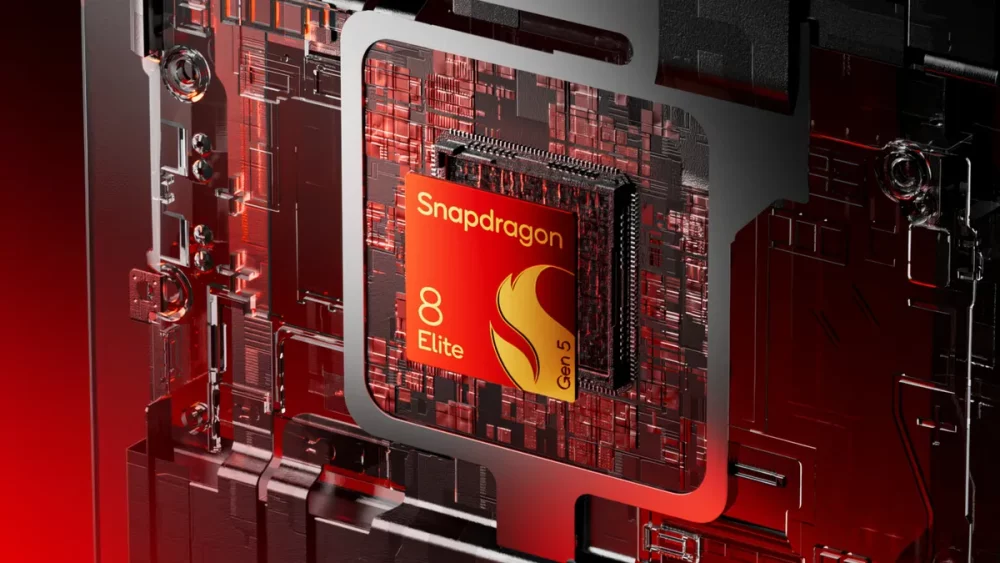
The heart and soul of the device is the Snapdragon 8 Elite Gen 5 with Qualcomm’s Oryon cores clocked at a staggering 4.6 GHz. This is backed by a separate graphics chip and a dedicated Wi-Fi chip to ensure connection stability. We are testing the model with 16 GB LPDDR5X Ultra+ RAM, and it is incredibly fast. Regardless of what you run, everything happens instantly.
At the start of our test period, the phone had some thermal issues where it could crash during heavy tests like 3DMark; however, we never experienced this during normal use, only during extended benchmarks. OnePlus seems to have resolved this with an update that adjusted how the processor handles load, and no matter how much we stress test it now, we cannot reproduce the issue.
During long gaming sessions in Genshin Impact or Call of Duty Mobile (where we utilize the 165 Hz mode), performance remains stable. The cooling system, which OnePlus calls “360 Cryo-Velocity”—featuring a vapor chamber and aerogel elements to isolate heat from the screen—does its job well.
The software is OxygenOS 16, based on Android 16. It runs incredibly smoothly thanks to what OnePlus calls “Parallel Processing 2.0.” The interface is clean and stylish. While we prefer a completely stock Android experience (like the Pixel), this is still more than good enough.
The AI initiative “Plus Mind” is deeply integrated. You can hold down the Plus Key to analyze content on the screen and save it to your “Mind Space.” It works okay for saving and organizing information but sometimes feels a bit like a gimmick; during the test period, I really tried to use it, but it was hard to find any real utility for the function. It’s a bit like an evolved version of “Pixel Screenshots” on Pixel phones (but with the major advantage that it actually works with Swedish).
OnePlus promises four major OS updates and six years of security updates. This is acceptable, but at the same time, we have been spoiled by Samsung, Google, and Apple, who are a step ahead.
Battery and Charging
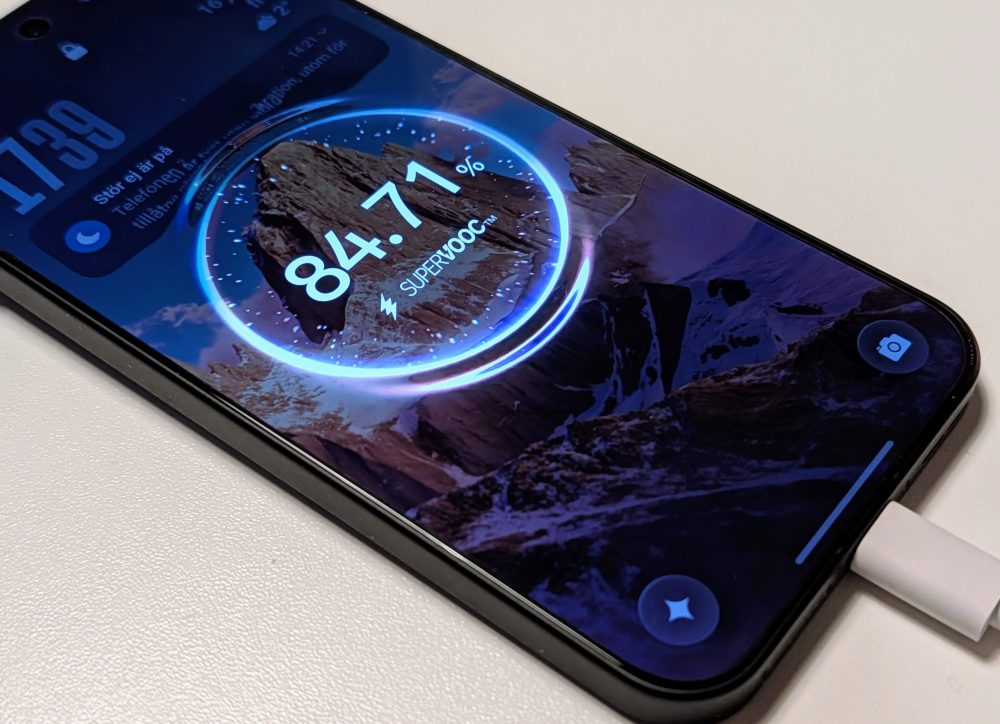
This is the phone’s greatest strength. OnePlus has managed to squeeze a capacity of an incredible 7,300 mAh into this relatively slim phone thanks to its “Silicon NanoStack” technology. The battery life is, to put it mildly, extremely good. During the test period, we managed two, sometimes almost three, days on a single charge.
The phone supports charging at up to 120 W. However, this requires a specific charger from OnePlus which, unfortunately, is not included. With such a charger, it takes just over 40 minutes to fully charge the battery, reaching 50% in fifteen minutes. When testing with our own chargers at the office, we reached a maximum of about 50 W, and then a full charge takes around an hour.
The phone naturally supports wireless charging. Here too, specific chargers from OnePlus with support for “AirVOOC” are required to reach the maximum speed of up to 50 W. Via standard Qi chargers, the power is limited to 15 W. Unfortunately, the phone lacks built-in magnets (Magsafe / Qi2).
Camera
OnePlus had a long-standing partnership with Hasselblad, but that has come to an end, and they now use their own technology called the “DetailMax Engine.” The main camera uses a Sony IMX906 sensor. The software works by stacking unexposed RAW data to maximize dynamic range. In daylight, the results are usually good, but sometimes the software works a bit too hard.


The 50 MP main camera usually takes very good photos in daylight. The images are sharp, the colors are vibrant, and the dynamic range is good. However, when light fades, it becomes apparent that the sensor is smaller.


Low-light photos are a bit grainier and lack the crispness we see from competitors like the Pixel 10 Pro XL. However, it is far from bad, and sometimes it is almost impossible to tell the difference between photos taken with the OnePlus 15 or the Pixel 10 Pro XL. It requires viewing the images on a larger screen to see that the Pixel delivers a better result (e.g., better texture on walls, less smearing, and sharper tree branches).








The telephoto lens with 3.5x zoom does a decent job, but it lacks the “wow factor” we’ve been spoiled with by competitors like the Google Pixel 10 or Xiaomi 15 Ultra. In daylight or for indoor portraits, it is good.
It performs less effectively in poor lighting. OnePlus does use its “DetailMax Engine” technology to try and compensate with software, but the result is that images can sometimes feel a bit over-processed or smeared. The result isn’t bad, but it’s not quite on the same level as the competitors’ flagships.
On the video side, the stabilization is top-class, and the ability to film in 4K 120 fps with Dolby Vision is great. One point of irritation, however, is that the transition when switching between lenses during recording is clearly noticeable, both in color and position.
Here are some mixed photos taken during the test.








Conclusion
The OnePlus 15 sacrifices some of its unique design identity and absolute top-tier camera performance to instead deliver perhaps the best battery life and performance on the market.
The recommended price is approximately 11,990 SEK, but at the time of testing, the phone can be found for under 10,000 SEK. This is significantly lower than the competitors’ “Ultra” models. For that price, you get a device that is extremely fast, can handle rough conditions, and has unsurpassed battery life.
Is the camera the most important thing for you? Then you might want to look at a Pixel, Samsung S-series, or Xiaomi Ultra instead. But for those who play a lot of games, consume media, or are simply tired of poor battery life, the OnePlus 15 is the obvious choice.
This is among the best that can be bought in the Android world right now. With a slightly sharper camera and a level of updates as generous as Google/Samsung, it would have received a higher rating. For now, it’s “only” a strong eight.
Oneplus sent a review unit for this test. The provider of the material has no editorial influence on our tests; we always write independently with our readers and consumers in focus.
How we rate products at SensesReview Highlights: Q&A
How long does the battery last on a single charge?
The 7,300 mAh battery lasts between two and three days.
Does the phone still feature the physical alert slider?
No, it has been replaced by a programmable Plus Key button.
How fast does the OnePlus 15 charge?
It hits 50% in 15 minutes and full charge in 40 minutes.
Is a fast charger included in the box?
No, the required 120W charger is not included in the box.
What is the maximum refresh rate of the display?
The screen supports 165 Hz in games and 120 Hz elsewhere.
What is the water resistance rating of the phone?
It has an industry-leading IP66, IP68, and IP69K rating.
How many years of software updates are guaranteed?
OnePlus offers four OS updates and six years of security.
How does the camera perform in low-light conditions?
Images are grainier and less crisp than top competitors.