
TL;DR
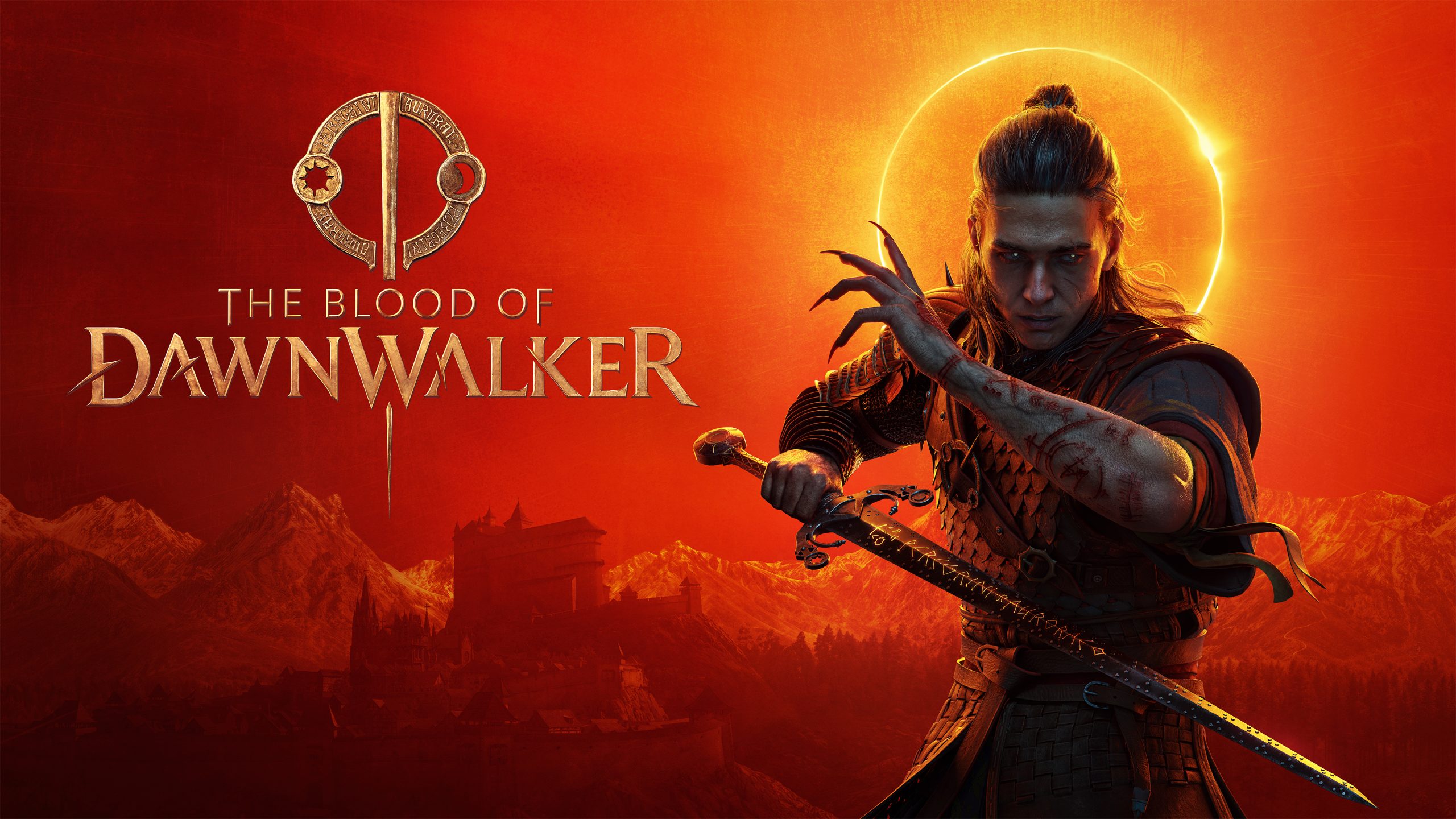
The Blood of Dawnwalker is an open-world vampire RPG adventure. It delivers engaging, well-written dark fantasy storytelling, impactful dialogue choices, and tactical directional combat. However, it suffers from hidden mission durations, cluttered progression, and a bland protagonist. It suits fans of rich, choice-driven dark RPG adventures, while completionist players who dislike rigid time limits should pass.
It can hardly have escaped anyone that I am a big Witcher 3 fan. Besides having been 2015’s best game by a wide margin, it is actually one of the best of the decade in my opinion. And in barely a week, we can experience it remastered, during the long wait for the fourth installment. Konrad Tomaszkiewicz was the lead director of that groundbreaking RPG adventure, but after an internal conflict and an investigation into bullying at the Witcher studio CD Projekt Red, he left and started his own, smaller game studio which he calls Rebel Wolves. And from this AA company now comes the vampire RPG adventure The Blood of Dawnwalker, a game with strong Witcher 3 DNA, but also a lot of other things that make it well worth checking out!
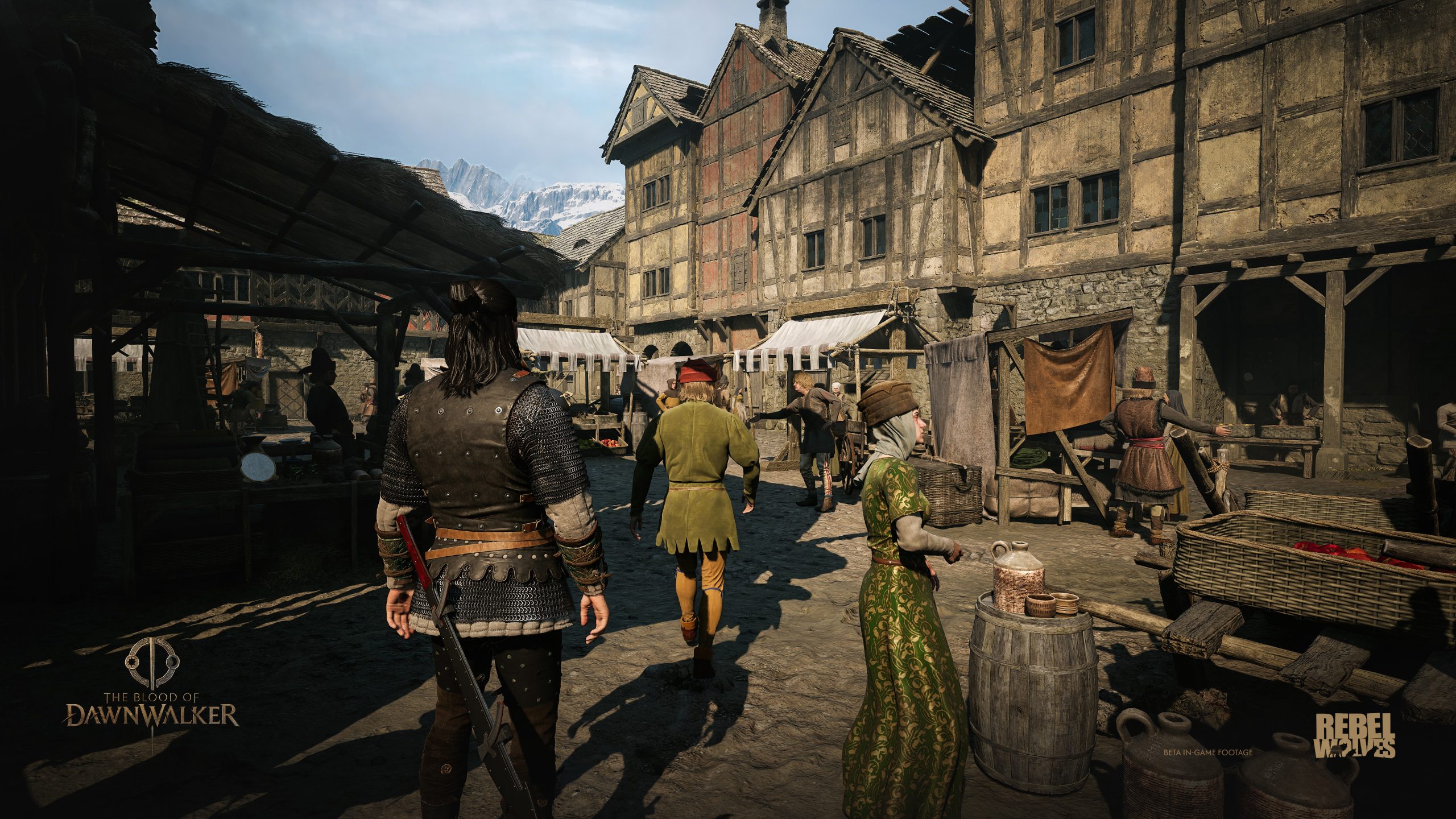
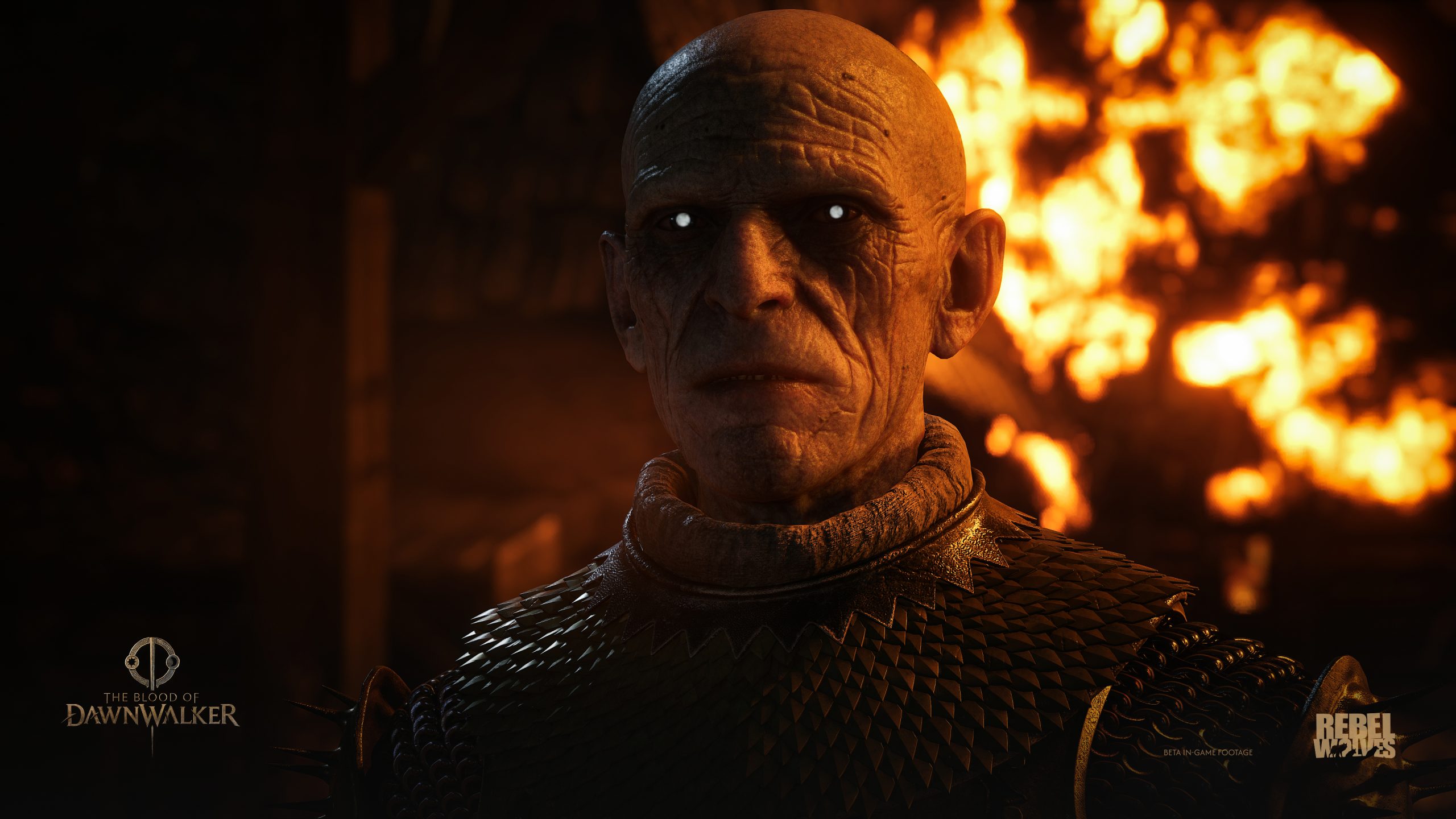
Somewhere around the Romanian part of the Carpathian Mountains in medieval Europe lies a valley called Vale Sangora and the community of Laslea. The people are poor, the Black Death has decimated the population, and the ruling lords are anything but kind to their subjects. Then one evening, a group of vampires appears and makes short work of them; the group, led by the “ancient” Brencis, murders the ruling lord (here called Knyaz) and instead introduces a feudal vampire rule, where the people are protected against the plague and diseases in exchange for being forced to participate—once a month—in a blood mass in the local church. There, they must bleed into a large vessel from which the vampire lords then drink, forcing them to live in a kind of devilish symbiosis with blasphemous undertones. Our protagonist, Coen, whose tough father was a mercenary and who cares for a very sick mother, ends up in the middle of all this. He stands up to the vampires one evening but receives a sharp reprimand, to say the least, from Brencis, who however fails to turn him into a full vampire—instead, he becomes a creature who is human by day and transforms into a vampire at night, with all that entails.
And suddenly we have the game’s USP—an open-world RPG adventure with missions that provide real consequences á la Witcher, but which also has a time management system á la the Persona games, where different missions cost a number of your time units and you must be economical with what you spend your time on and what is best—taking on a certain mission as a human (by day), or a vampire (by night)? The vampire is stronger, can restore health by drinking blood from opponents (and animals), and can also shadow-teleport short distances as well as climb buildings by defying gravity. On the other hand, the vampire is feared by humans, bloodthirsty, and must replenish blood at regular intervals. If your thirst is too great when you meet an NPC—even a good friend or someone critical to the story—your hunger cannot be tamed and you simply drink from them, with major consequences for the story. So like Skalman, you have to keep track of the clock and the food (thankfully not the sleep).
Those who have played Witcher 3 will feel right at home here. Everything from the music and the jingles when you finish a mission and grow in XP, to the crucial choices and dialogues where what you say and answer actually matters. It becomes exciting and it’s often difficult to be both moral and practical. The world has missions scattered about, and you can also discover new points of interest by climbing up church towers and scouting, which opens up more of the map, á la Assassin’s Creed (this also costs a time unit, of course).
You have 30 days to save your family, and that is certainly more time than you might first think when you see the enormous map and hundreds of missions. However, the time system is a double-edged sword and the game’s layout (in its current form, expect several updates to come á la Witcher 3, which often evolve and improve the mechanics) is that you cannot see in advance how long a mission will take. This is frustrating, as it makes planning very difficult. It is also messy in the prologue regarding which path you should follow—for example, your father invites you to join him for sword training right at the beginning. Leaving him standing there goes against all emotional logic, but if you follow him, you lose an entire, valuable day to do side quests and build up your character (which will be needed, as the game is quite difficult in the beginning). The creator Tomaszkiewicz says that “that’s how it is in life too, you don’t know exactly where you’re going and you won’t have time to do absolutely everything“. Which is certainly true, but this isn’t life but fantasy and escapism, and for us completionist gamers with a touch of OCD, it is at times incredibly stressful to see things “disappear” (fail) because you didn’t finish them in time. The idea is good and interesting, but the design could be refined and improved.
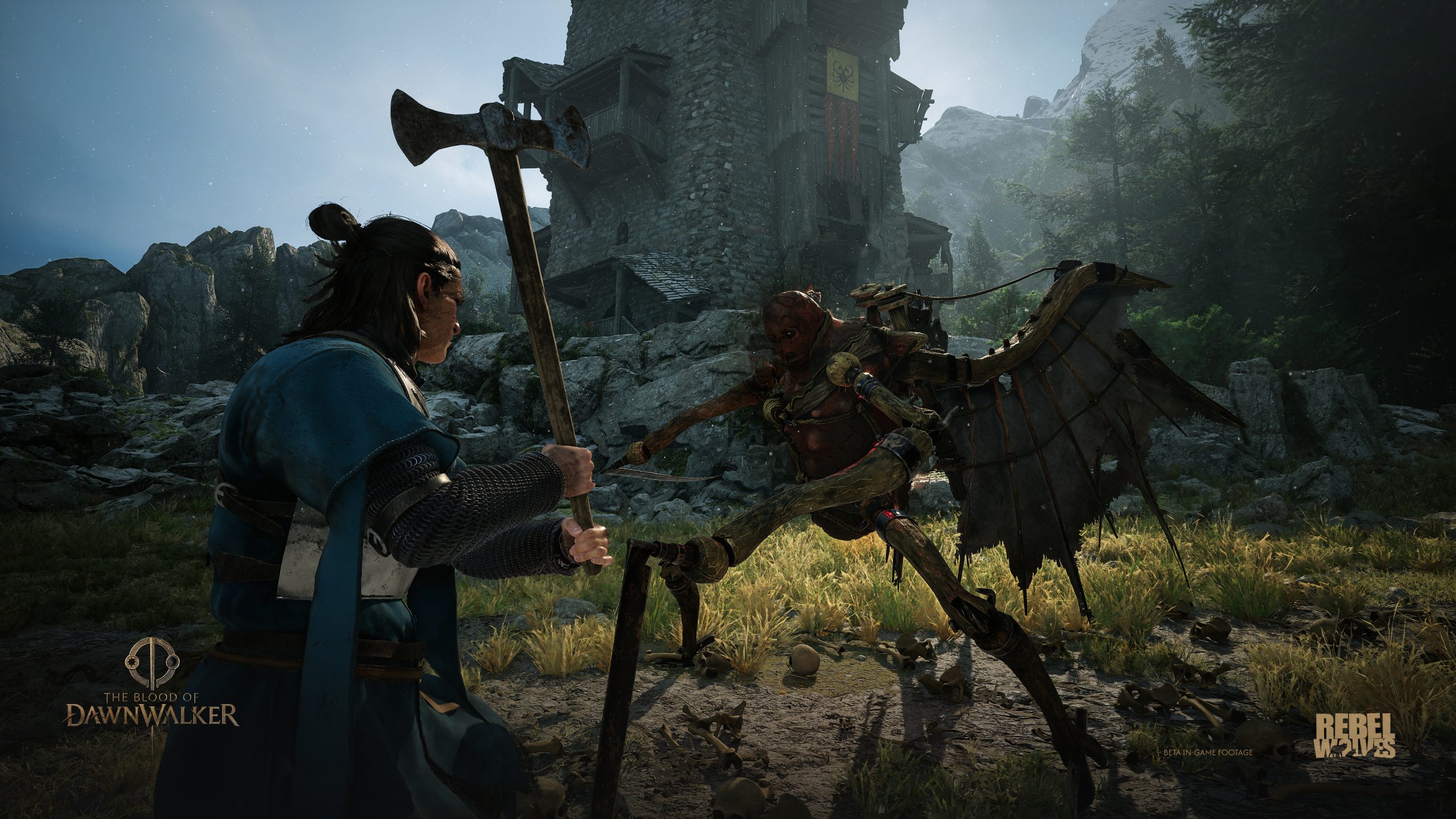
Then we come to the combat, which is also different from Witcher 3, where it quickly became quite simple and mechanical, with automatic special attacks and a simple dodge that didn’t cost any stamina. Here, you must both block by pressing the L-button and moving the left stick in the right direction (you see on the attacking figure which direction it will be), and you must attack yourself at the right time with the R-button and move the stick in one of the four directions while also managing your stamina and waiting for it to refill. If you use the same strike too much, the enemy blocks more often and your character becomes tired and sluggish. There is an “omni-block” and “omni-attack” where you don’t have to choose a direction, but they come with a penalty in terms of stamina consumption. Stamina (“orken”) also becomes a factor when you climb as a vampire, not unlike the two most recent Zelda games—if it runs out, you fall down. So you must either find platforms to recover on or stock up beforehand with special potions.
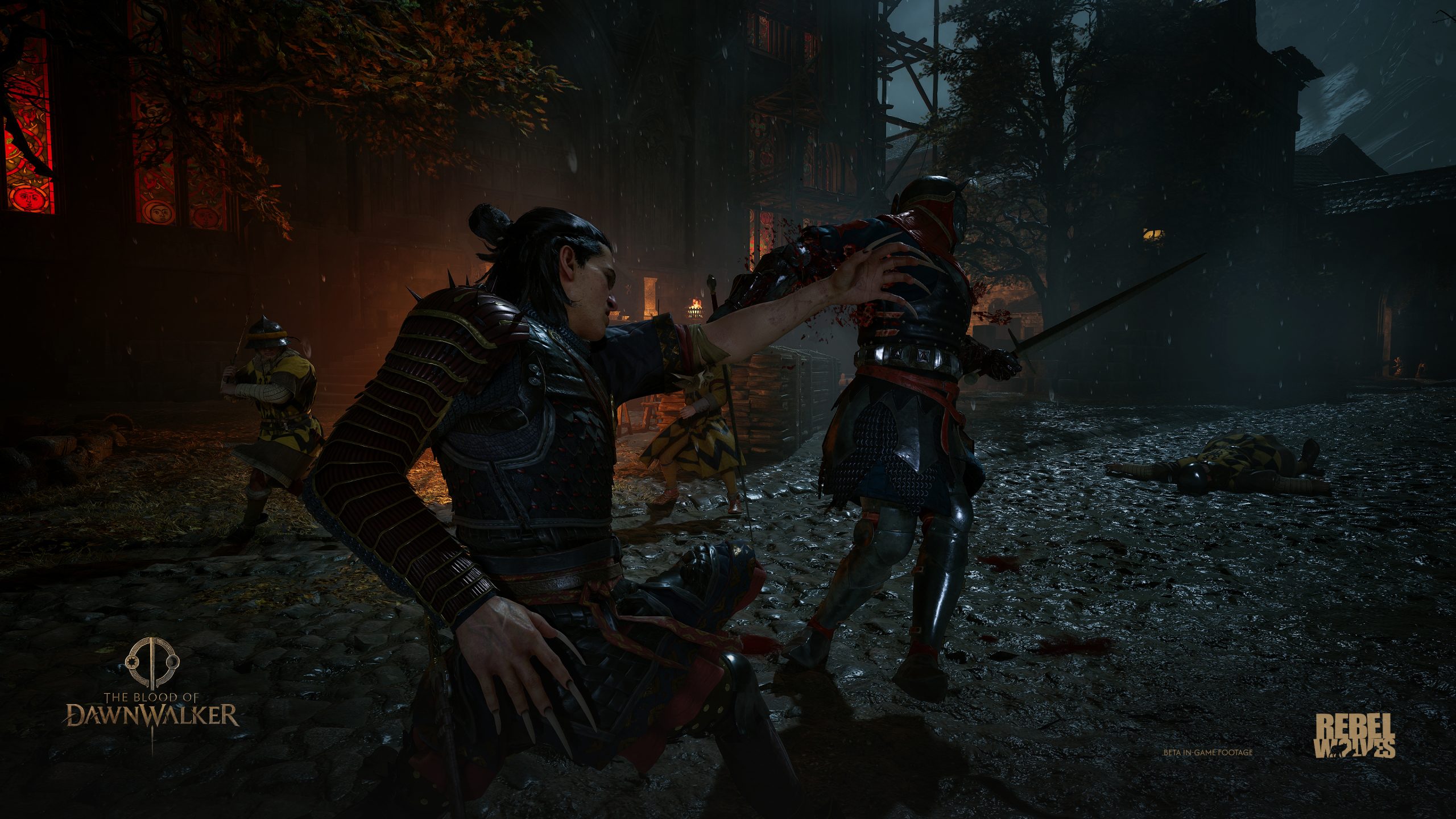
The Blood of Dawnwalker is, like Witcher 3, very well-written and engaging; at times it is quite dark and violent, and Slavic folklore is again constantly present, with a lot of Eastern European folk belief mixed with more traditional religion. Sometimes, however, it becomes a bit too sprawling and difficult to navigate, the interruptions with animal fights are a bit too frequent (á la the old Final Fantasy VII, but this should be tweaked in the latest update that has arrived), and it becomes pure guesswork which mission to tackle next—sometimes resulting in reloads due to difficulty or time consumption you didn’t count on. Here Witcher 3 should have been more of a guiding star, providing hints about the mission (name and content), recommended level (difficulty), and time consumption. Yes, it might take away some of the illusion, but at the same time, it is something you have to deal with anyway and only creates frustration if it goes wrong. I guess such an update (possibly optional to display) is on its way in the future.
The fighting feels a bit stiff and analytical at first, but you get into the feeling, the mindset, and the timing fairly quickly, and then it actually becomes quite fun. There are endless upgrades to find, new weapons, clothes, and you can trade with merchants and witches who can upgrade your equipment magically. And unlike Witcher 3, where I became an involuntary millionaire toward the end after all the money I found and looted during missions, the economy is a bit tighter here and requires more sacrifices and trade-offs. However, no Gwent card game to pass the time with here.
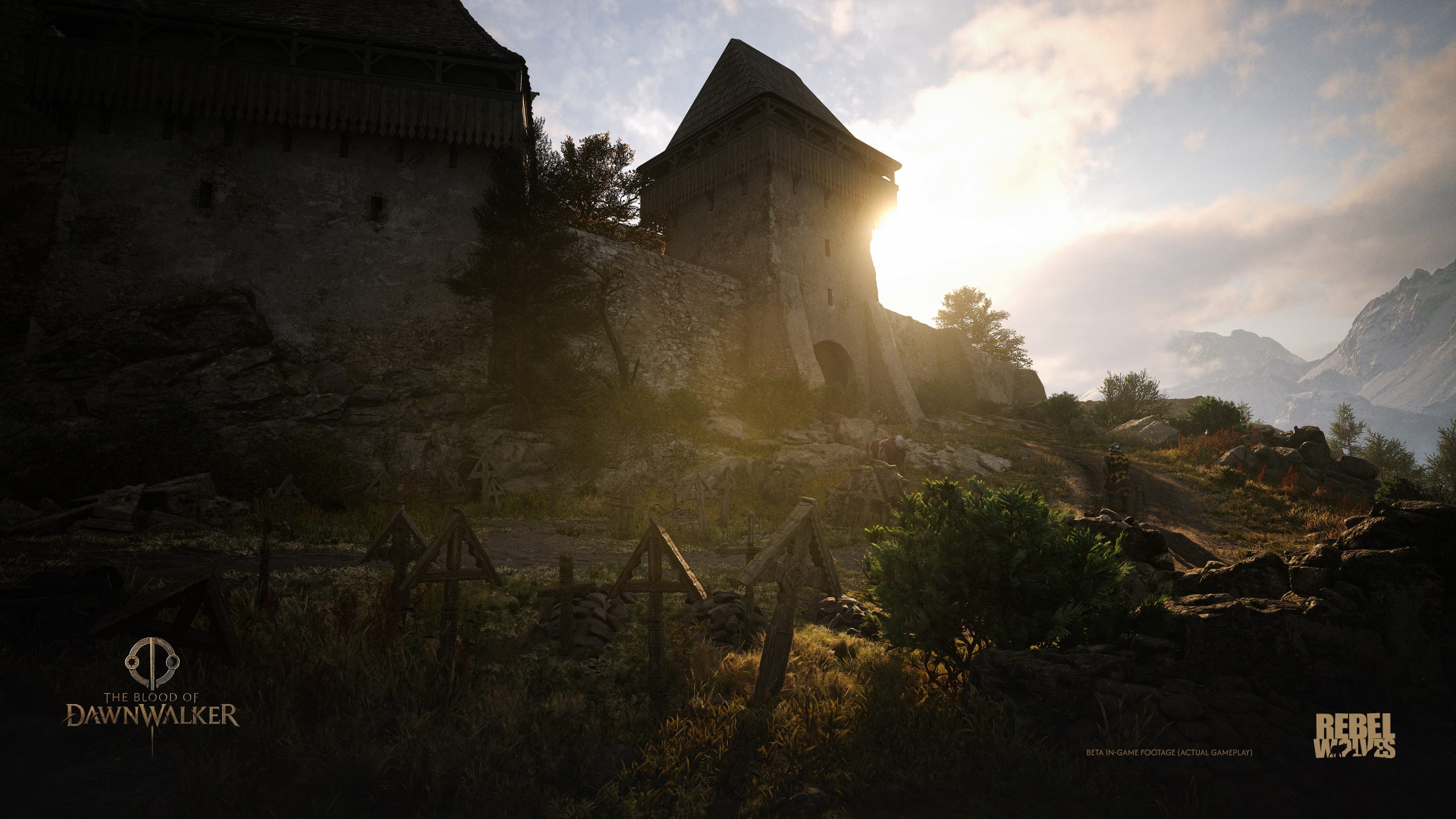
I’ve had a lot of fun with The Blood of Dawnwalker. In the beginning, I was completely ecstatic that the Witcher itch finally got scratched with something new after these eleven years, but as the adventure continued, the enthusiasm dampened somewhat. Not because The Blood of Dawnwalker is a bad game, not at all, but because the feeling of a rather cluttered map with cryptic tasks, mixed with a certain time pressure and difficulty in planning, makes the common thread less clear and the adventure loses momentum and some focus. Coen is also a rather bland figure, a nice guy, who lacks Geralt‘s multi-layered personality and sharpness. To take down the main vampire, Brencis—whom you can choose to face directly (again like the open-world Zelda on Switch), which is not recommended—you should pick off his generals first and thus weaken him. This results in a whole lot of minor side quests to sabotage them, and it’s hard to shake off a certain feeling of grind and fetch in the middle of it all.
With all that said, I still want to warmly recommend The Blood of Dawnwalker to all Witcher 3 and RPG adventure fans who like open worlds and well-written stories, and who are not afraid of blood and darkness. You want to stay in Coen’s Romanian valley and see what happens, and here there are naturally surprises, difficult choices, and romance to explore. Rebel Wolves has managed to create an impressive adventure with a limited team (and budget), and it will be very exciting to follow them in the future and see the upgrades to The Blood of Dawnwalker. And who knows, maybe a sequel is already in the works since the game has already sold very well?
Bandai Namco sent a review code. Providers of material have no editorial influence on our tests.
Review Highlights: Q&A
What is the premise of the story?
Set in medieval Europe's Vale Sangora, The Blood of Dawnwalker follows Coen, who transforms into a creature that is human by day and vampire by night. He has 30 days to save his family from the ancient vampire lord Brencis.
How does the time limit system work?
Players have 30 in-game days to complete the adventure. Activities like missions and scouting from church towers cost time units, but mission durations are hidden in advance, making planning difficult.
How do human and vampire forms differ in gameplay?
Humans rely on weapons and magic, while vampires use claws, skills, gravity-defying climbing, and shadow-teleporting. Vampires also have to manage a bloodlust meter that can cause unintended attacks on friendly NPCs.
How does combat function?
Combat requires directional blocking with the left trigger and directional attacks across four angles while managing stamina. Using omni-directional blocks and attacks avoids manual aiming but increases stamina consumption.