TL;DR
Control Resonant is an open-world action-adventure sequel set in a warped Manhattan. Its strong narrative atmosphere and intriguing mystery excel, but it falters with monotonous combat, overcrowded encounters, a distant camera, and repetitive open-world chores like activating map towers. Players invested in Remedy's story and lore may appreciate the journey, but those seeking varied and engaging combat encounters should pass.
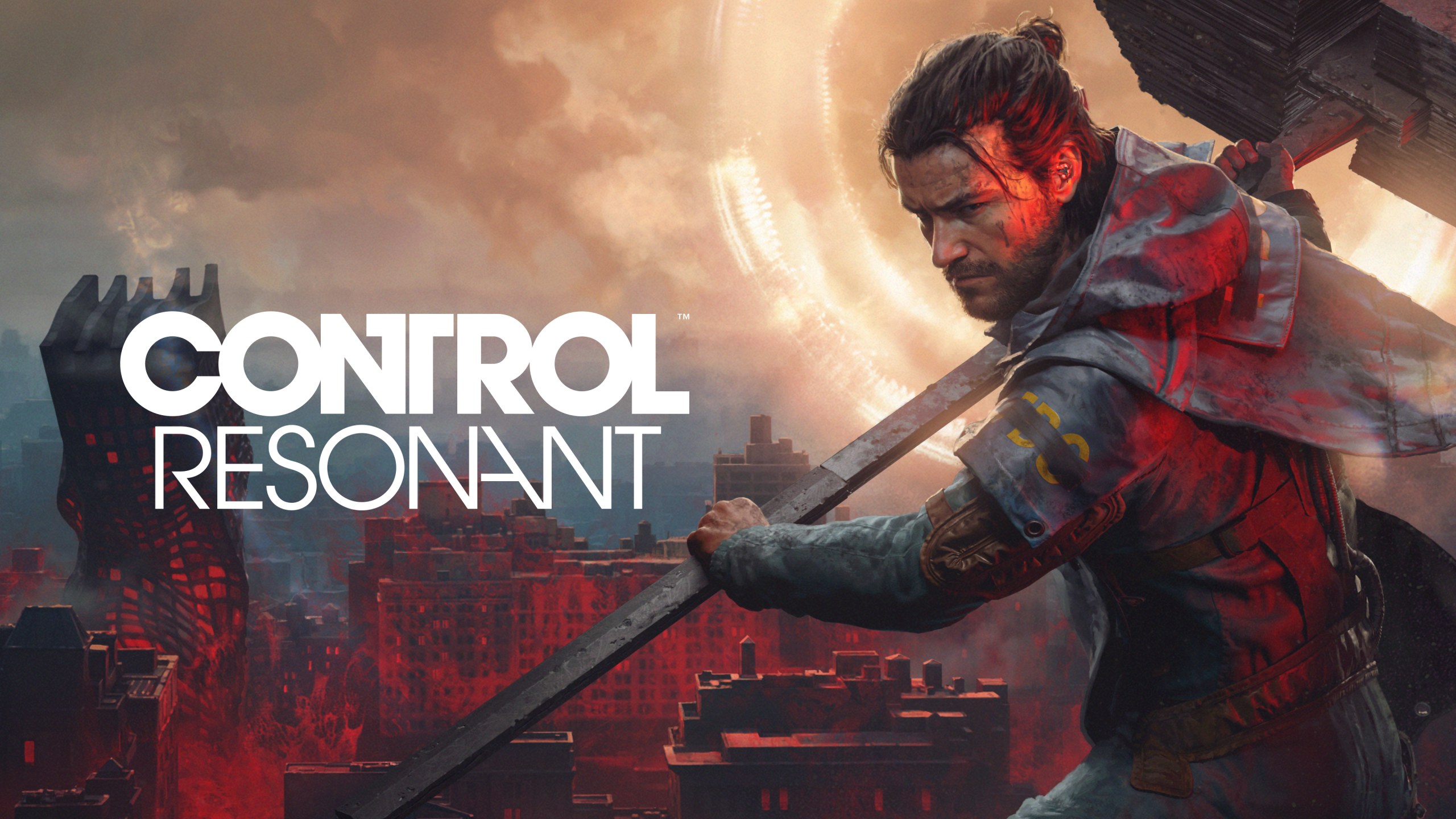
In Control Resonant, we step straight into a Manhattan that no longer follows the laws of nature. The city vibrates with paranatural instability, and in the middle of this stands Dylan Faden, the brother of Jesse Faden. Dylan now possesses powers that are as extraordinary as they are perilous. He does not remember everything that has happened or why everyone is afraid of him. But slowly but surely, memories from his former life return, and he realizes who he truly is. He must now find his sister and thereby solve the mystery of The Hiss once and for all.
The Remedy universe and the connection to previous games
Control Resonant is a direct sequel to Control which was released seven years ago, and just like in Alan Wake II, as many years have passed in the game as have passed in reality. So why am I mentioning Alan Wake in a review of Control? Well, because the Finnish studio Remedy has created a cohesive universe where all the games are connected to each other in one way or another. Control, Alan Wake, and Quantum Break share characters and events. I was one hundred percent sold on Alan Wake II and gave it the highest rating. Everything about that game was perfect for me, from the gameplay to the story and atmosphere. Since then, I have played everything I could get my hands on from Remedy, including the first Control. That game was different and has several good aspects, but at its core, it is often frustratingly difficult and not always entirely easy to follow what you are supposed to do and why. Consequently, I never got around to finishing it.
Dylan as protagonist and narrative continuation
The first few seconds of Control Resonant spoil some of the plot from Control, but if I haven’t finished it in seven years, I only have myself to blame. As mentioned, we play as Dylan, and for those of you who finished all of Control, you already know his fate. This is not something the game creators take into account, and they now show what happened and how we can play as Dylan.
Gameplay mechanics and structure
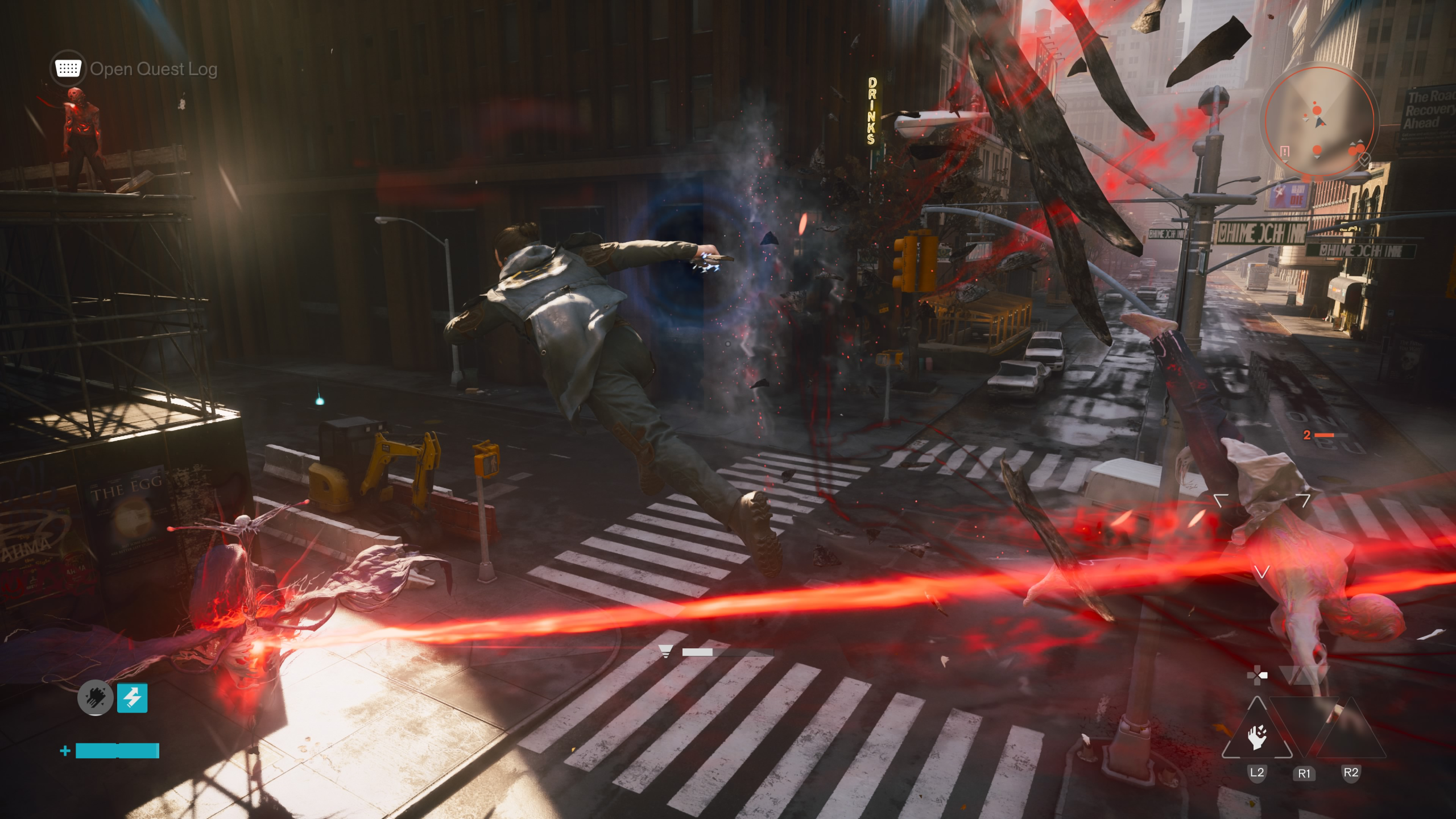
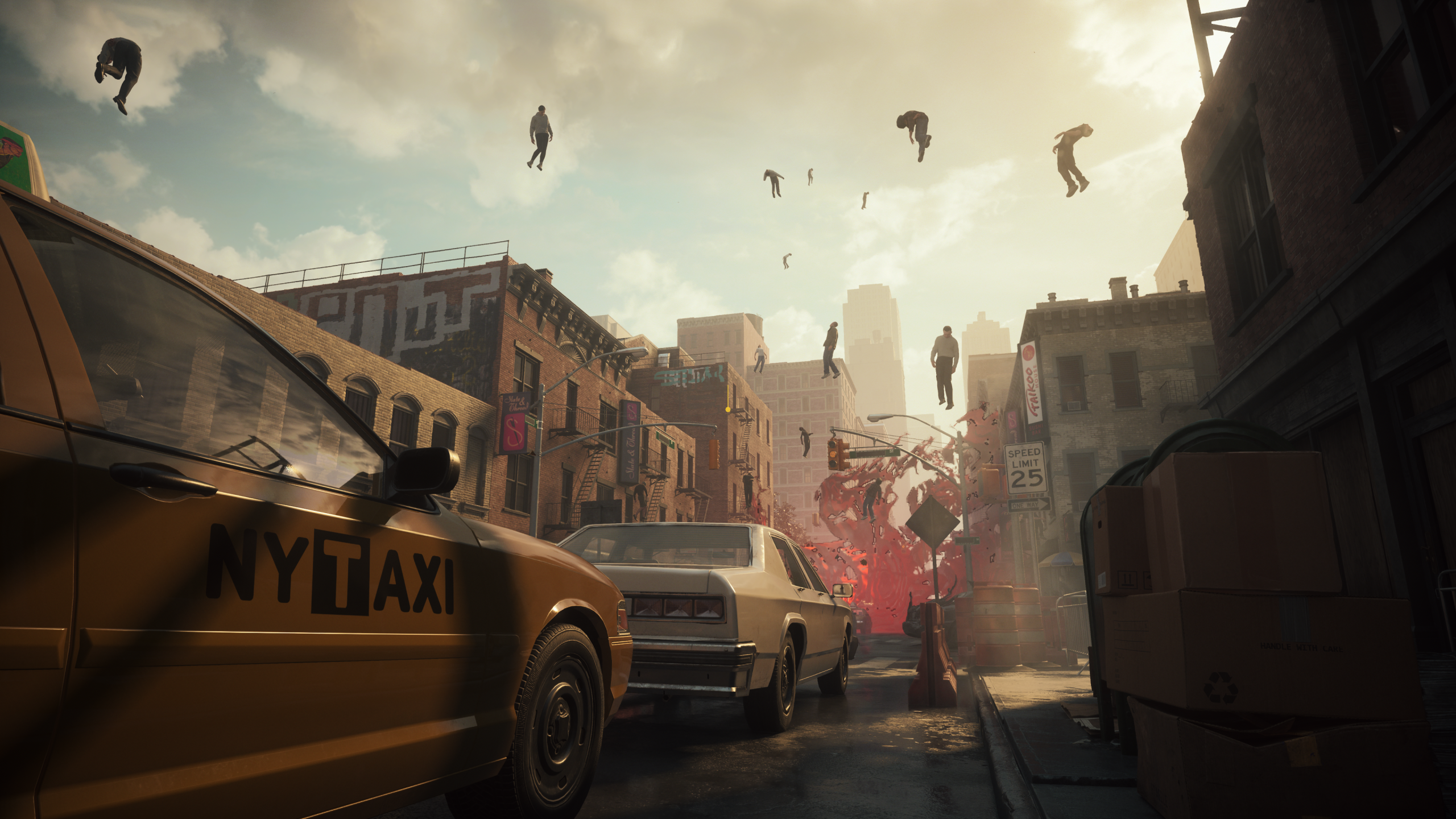
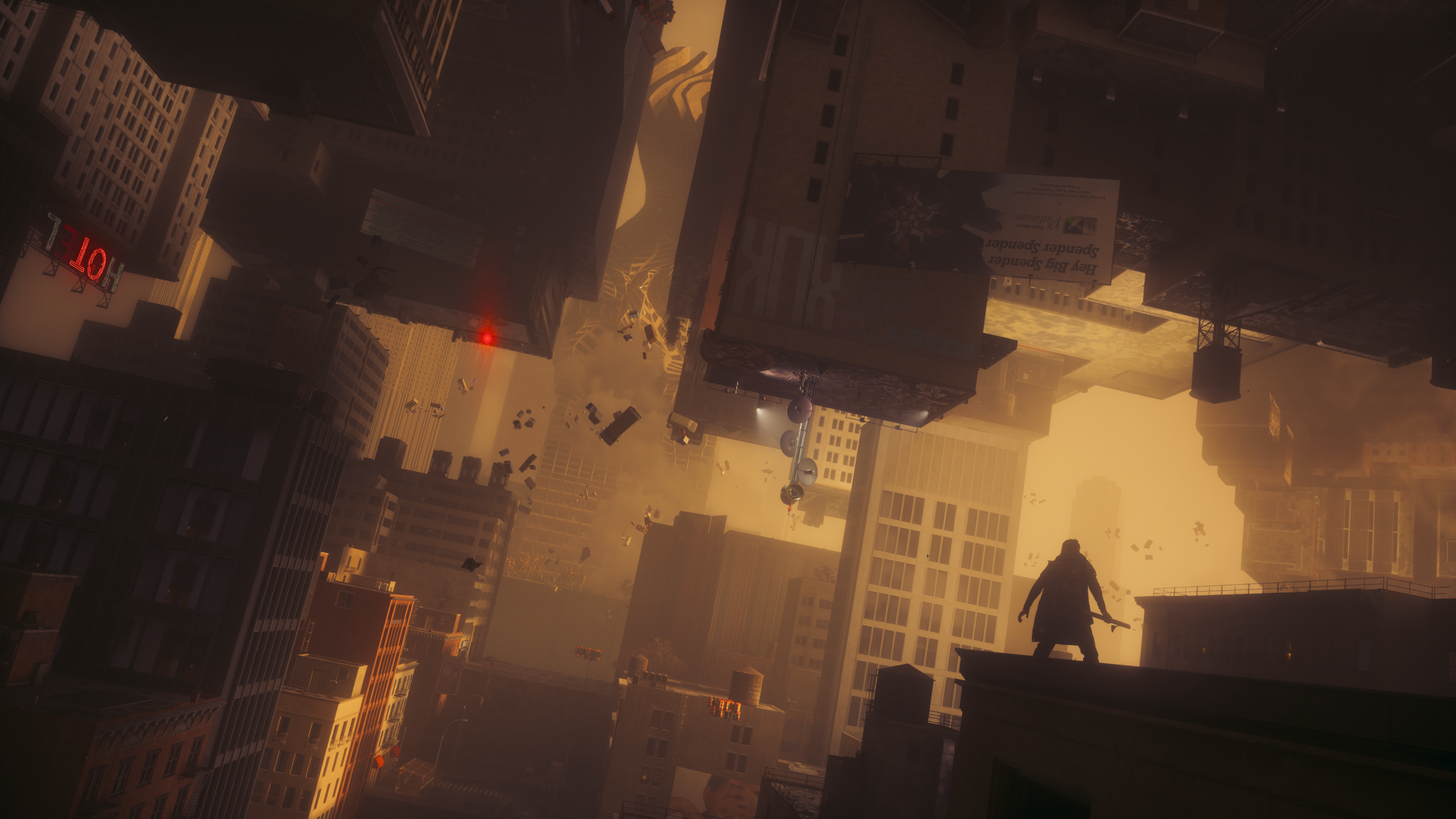
The gameplay mechanics have their similarities to the first game but with some major differences. Firstly, this is an open world set in an incredibly warped version of Manhattan. Roads run vertically and houses horizontally; up is down and down is up. You unlock various powers as you go, and as Dylan, you can jump long distances and even fly for shorter stretches. The color red is central to The Hiss and its powers, and we encounter many extremely powerful enemies, so be prepared to die often. There is no manual save option, but checkpoints are frequent and the game does not repeat dialogue or cutscenes if you have already played through them. Which is a huge plus in my book.
Camera angle and visual issues
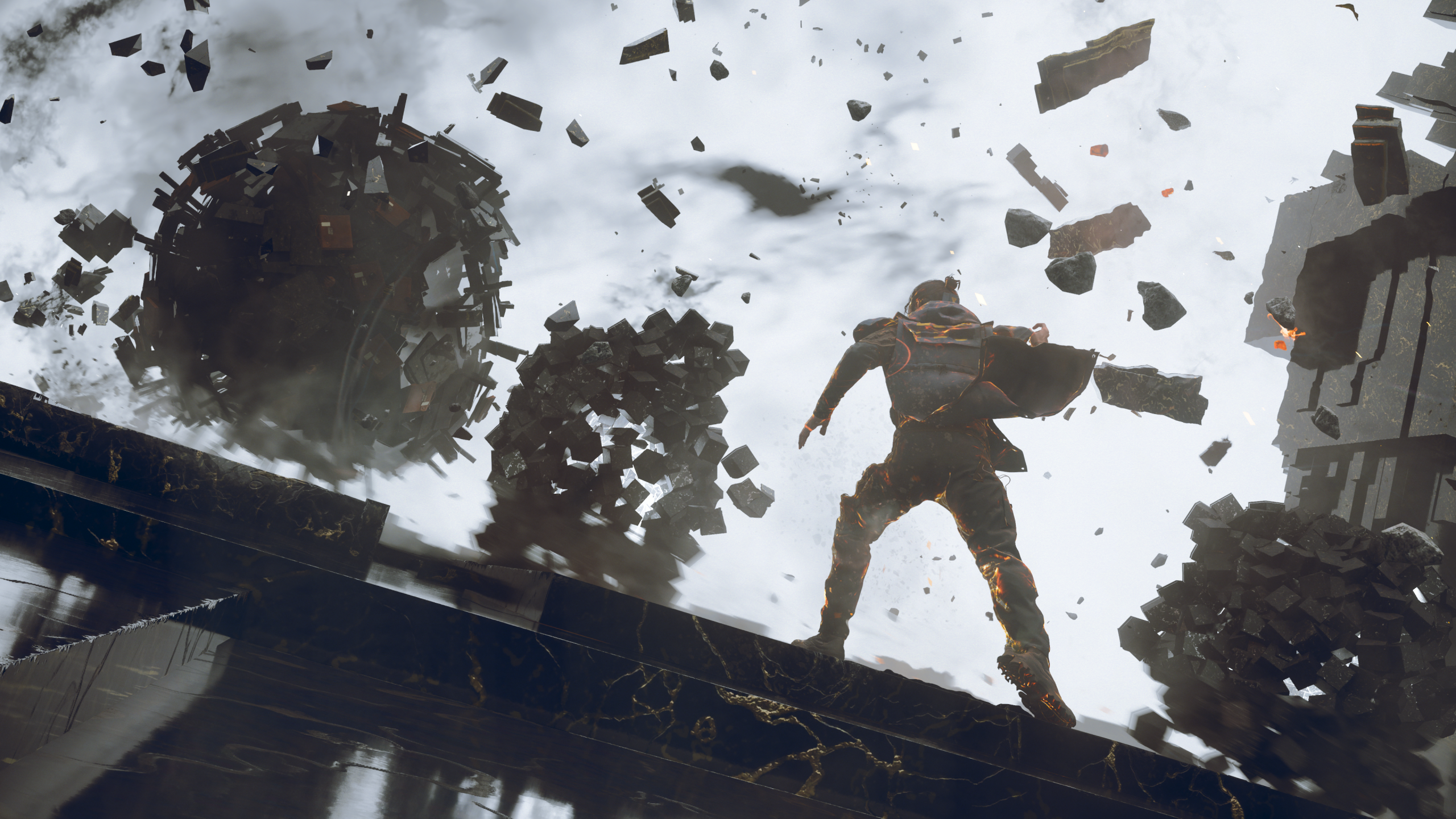
As I mentioned, there are strong enemies and sometimes extremely many, so it becomes almost difficult to see your character amidst everyone trying to kill him. The game is in a third-person view, but the camera is further away than what I am used to, making Dylan quite small on the screen. Personally, I don’t really like it, as I lose that sense of closeness to the character, and it sometimes gets a bit weird when the camera passes straight through signs or low entrances.
Difficulty and customization
Something I haven’t seen before in other games is how they have handled the difficulty level. You can set some predetermined difficulty levels, but you can also tailor your own, down to the smallest detail. You can even choose to have enemies die in one hit and make yourself immortal. I would like to say I didn’t use that mode, but for the sake of the review, I felt at times that I got tired of dying all the time, especially during the boss fights.
Combat, repetition, and design choices
Because what is best about Control Resonant is the story and the atmosphere—the mystery of trying to find out how and why everything is the way it is. What is worst about the game are the eternal battles. It’s the same characters attacking, they have the same patterns, and there are far too many of them. It very quickly becomes truly tiresome and repetitive. Additionally, there is quite a bit of repetition from so many other games, like running around an open world and activating different towers so you can see the map. In a game that otherwise has such a different premise, one would think they could come up with something new and original. I don’t feel the open-world aspect in this particular game adds anything except for greater irritation in running around trying to find where to go next. I never usually advocate for games to be more linear, but this one probably would have benefited from it. Above all, because the combat becomes very monotonous and the warped Manhattan gets tiring after a while.
Graphics and technical performance
The graphics are well-crafted and stylish, and the animations feel solid and well-thought-out. I tested the game on Playstation 5 Pro and, as usual, chose the Performance mode. Here we get a stable 60 FPS even during extreme combat with lots of enemies. The resolution is at least 1440p. In Quality mode, we get 30 FPS and 4K, and we are treated to advanced ray tracing. On the standard Playstation 5, the FPS and resolution fluctuate more and can drop as low as 1080p during certain heavy periods, and Quality mode features more limited ray tracing.
Conclusion and overall impression
In summary, the score does not reach a recommendation, precisely because I think Control Resonant becomes quite tedious in the end. Many times, I chose to “cheat” by setting a very easy difficulty level to avoid all those battles and protracted boss fights in order to progress through the exciting story. It’s strange that Remedy dropped the ball here, because normally this is exactly what they are good at: a superb story and entertaining fights. Here, they only succeed halfway.
Remedy sent a review code for this test. Senders of material have no editorial influence on our tests.
Review Highlights: Q&A
Who is the main playable character?
Control Resonant puts players in control of Dylan Faden, the brother of Jesse Faden, who has extraordinary powers, patchy memories, and a mission to find his sister.
Can you adjust the difficulty settings?
Yes, players can choose predetermined difficulty settings or fully customize individual options, including making the character immortal or killing enemies in one hit.
How does the game perform on PlayStation 5 and PS5 Pro?
PS5 Pro delivers a stable 60 FPS at 1440p in Performance mode, plus 4K at 30 FPS with advanced ray tracing. Standard PS5 experiences frame and resolution drops down to 1080p.
How is the world structured compared to the original game?
It features an open-world layout across a warped Manhattan where roads run vertically, though navigating it involves repetitive activities like activating towers to reveal the map.