TL;DR
Bara till jul is a Swedish holiday romantic comedy about two contrasting sisters swapping lives before Christmas. It succeeds with sharp dialogue, high-caliber acting, and sympathetic characters that keep the brisk narrative engaging. However, it relies on predictable genre arcs, a rushed relationship subplot, and less believable finale developments. It suits viewers who enjoy charming, cozy holiday romances, while those seeking unpredictable stories or laugh-out-loud comedy should pass.
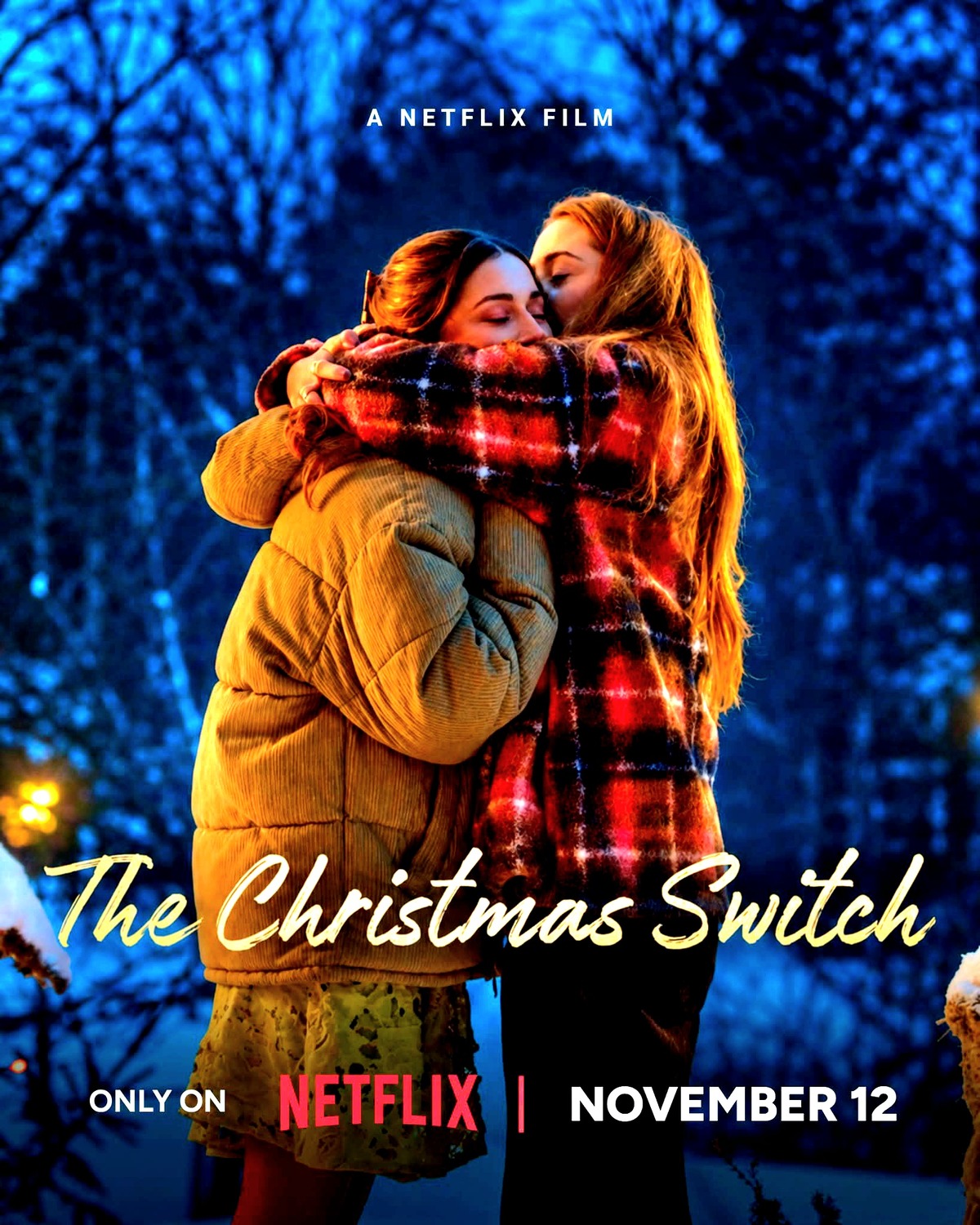
The combination of holiday spirit, feel-good tropes, and romance is a bankable formula in the film industry—and for good reason: it resonates with audiences. The inevitability of these seasonal releases brings to mind Charlton Heston’s narration in the prologue of Armageddon: “It happened before. It will happen again. It’s just a question of when.” While that may sound cynical, it isn’t meant to be. A well-crafted Christmas movie can be incredibly cozy; classics like The Holiday and, arguably, Die Hard—indisputably the world’s best Christmas film—prove the genre’s enduring appeal. This year, Netflix enters the fray with its major Swedish holiday production, Bara till jul, known internationally as The Christmas Switch.
In this romantic comedy, two sisters with contrasting personalities are forced to swap lives in the weeks leading up to Christmas. Within their new environments, they are challenged by their past life choices and discover romance in unexpected places. The narrative is adapted from Eleonor Sager’s successful 2021 audiobook advent calendar, Jul i Sankt Anna. The result is a classic comedy of errors infused with strong romantic elements—a familiar premise that, when executed effectively, continues to captivate audiences. It is, quite simply, a proven concept.
The film marks a somewhat surprising directorial turn for actor Adam Pålsson, widely recognized for his breakthrough role in Torka aldrig tårar utan handskar and his portrayal of Ted Gärdestad in Ted – För kärlekens skull. While Pålsson is a superb actor, here we are evaluating his vision behind the camera. The script draws from Sager’s audiobook series, which was re-released just days before the film’s premiere. The screenplay was penned by Mikael Syrén—known for his work on the Beck films and the Barna Hedenhös advent calendar—and Christin Magdu. Magdu’s previous credits include Vi dör i natt, Ute och cyklar, and the impressively titled Året jag slutade prestera och började onanera. Magdu also made her literary debut last autumn with the entertaining novel Miss Lyckad. This is clearly a seasoned creative team.
The cast features Felice Jankell, Happy Jankell, Christian Fandango, Celie Sparre, and Anastasious Soulis, with several other recognizable names appearing in supporting roles. The ensemble is polished and visually striking, fitting perfectly into the aesthetic demands of a modern holiday rom-com. The protagonists are almost impossibly “picture-perfect,” which occasionally borders on the unrealistic, yet the performances remain high-caliber across the board. The production likely benefits from having a director who is himself a seasoned performer, ensuring a high standard of acting throughout.
The script is equally solid. While it is unclear how much the adaptation deviates from the source material, it captures the intended atmosphere effectively. This is a genre where the narrative arc is predictable; we know exactly how the events will unfold and who will end up together. However, that predictability is part of the appeal, much like the reliability of a standard action movie. The script distinguishes itself with sharp dialogue and clever moments. One particular scene where Mathilda and Oliver first meet—ending with an awkwardly timed “Heja Bajen”—is genuinely funny. There are minor friction points, such as the overly brusque demeanor of the NK flower shop owner and a relationship subplot that feels slightly forced. These character tropes are common in American genre films, but here the execution feels a bit rushed. Additionally, certain developments toward the finale lack believability, though these minor flaws do not significantly detract from the overall experience.
Overall, the characters are relatable and sympathetic, and the story maintains a brisk pace. Despite the predictable outcome, the journey remains engaging. Bara till jul is consistently entertaining and avoids many of the common pitfalls found in Swedish comedies. While it isn’t a “laugh-out-loud” riot, it is a thoroughly enjoyable watch from start to finish—a testament to the source material and a creative team that understands how to hold an audience’s attention. The cast and crew’s apparent enthusiasm for the project is infectious. While Bara till jul may not reinvent the genre, it is a charming holiday offering. It remains to be seen if it will become a perennial classic, but it is certainly one of the stronger Swedish Christmas films in recent years.
Review Highlights: Q&A
What is the story of Bara till jul about?
Bara till jul follows two sisters with contrasting personalities who are forced to swap lives in the weeks before Christmas, confronting their past choices and finding romance in new environments.
Who directed and wrote the film?
The film is directed by actor Adam Pålsson. The screenplay was written by Mikael Syrén and Christin Magdu, adapting Eleonor Sager's 2021 audiobook advent calendar Jul i Sankt Anna.
How are the acting performances in the movie?
Performances remain high-caliber across the polished cast, which includes Felice Jankell, Happy Jankell, Christian Fandango, Celie Sparre, and Anastasious Soulis.
What weaknesses are present in the story?
The film features a completely predictable narrative arc, a rushed and slightly forced relationship subplot, an overly brusque flower shop owner, and late-story developments that lack believability.