
TL;DR
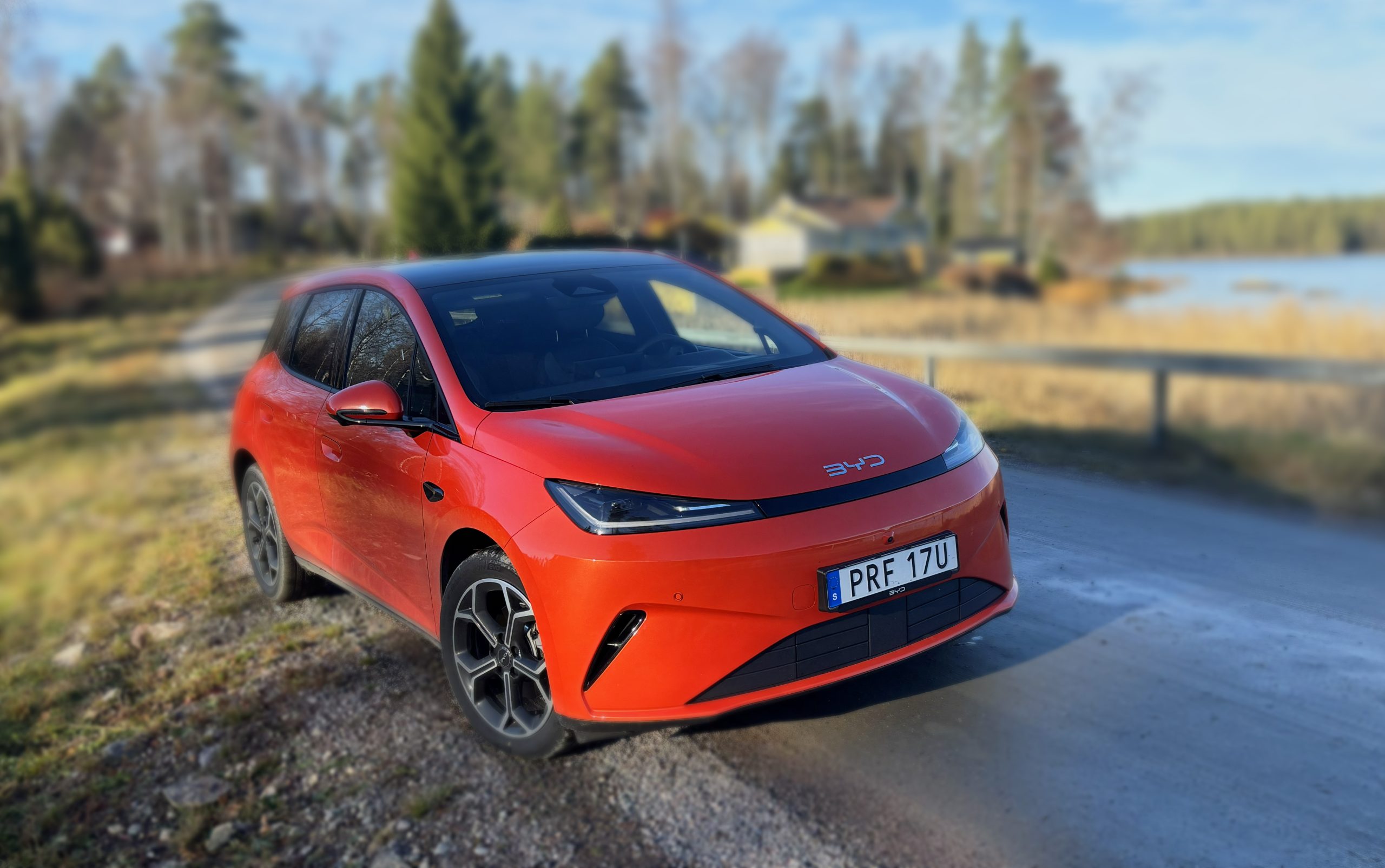
The Dolphin G (Comfort) is a plug-in hybrid hatchback priced at 369,900 BYD. It excels with seamless electric power delivery, an impressive daily electric range of 80 to 95 kilometers, generous standard equipment, and a comfortable suspension. However, it suffers from noticeable highway road noise, intrusive assist chimes, and excessive screen brightness at night. It fits daily commuters wanting low-cost electric driving with long-trip flexibility.
At senses.se, we have tested, written about, and reviewed a wide range of different products over the years, but so far, never cars. So now we are making a bit of history with this review of the Dolphin G from the Chinese BYD (Build Your Dreams). To make the car reviews as in-depth as possible, we have developed a brand-new concept that we will use to review all cars.
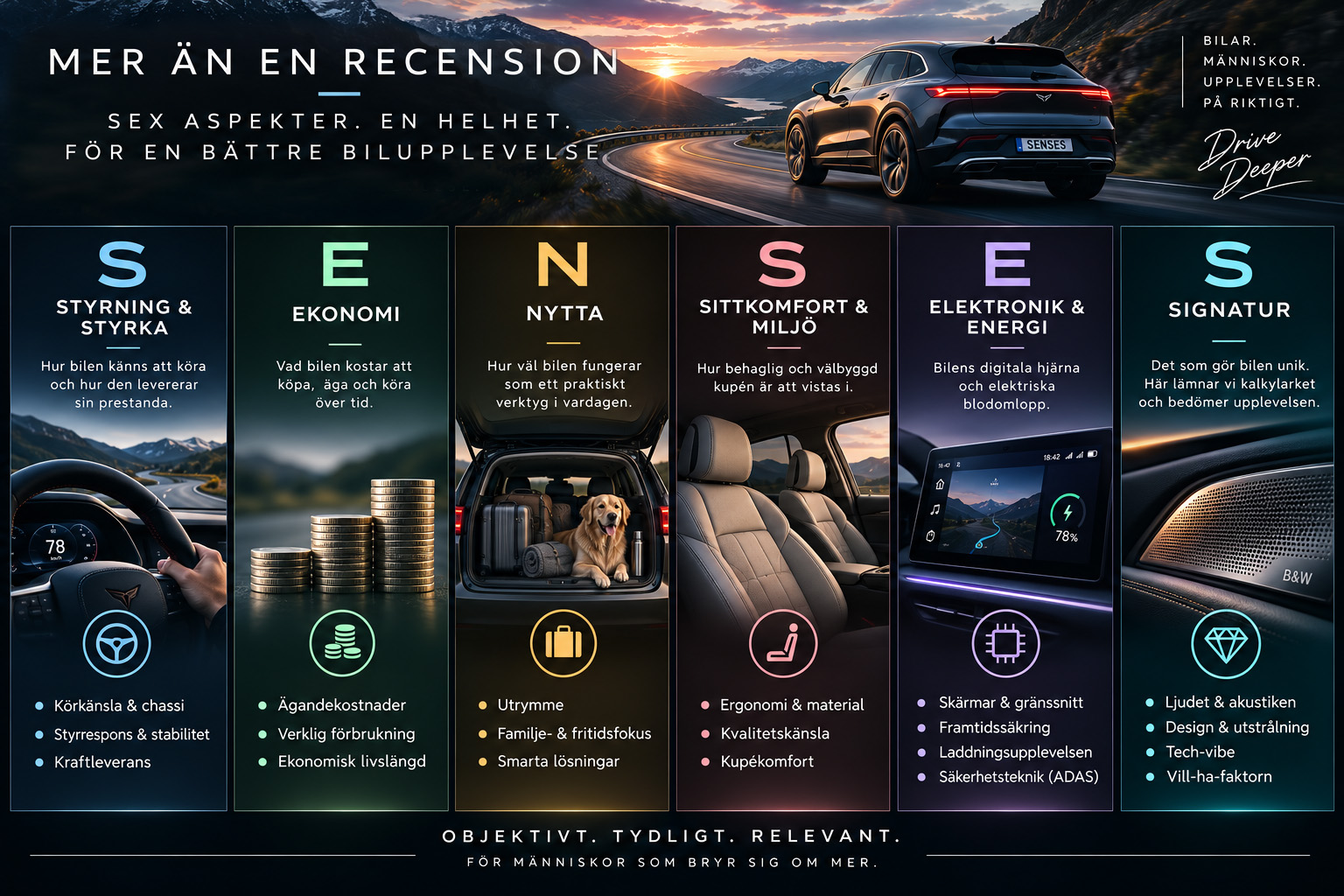
Each category receives its own rating, and you will find the final score at the bottom. The last category, Signature, is where we use our collective experience to reflect on what makes this particular car unique. A Corvette Stingray might not be the world’s most economical car to own or drive, but its Signature is sky-high! That is exactly why we want to include that category. Not all cars have to be the best at everything to be interesting.
I picked up the BYD Dolphin G Comfort on October 19. After two weeks behind the wheel, I feel I have gained a good understanding of both the pros and cons. So, without further ado, let’s dive into the first section.
Steering & Power
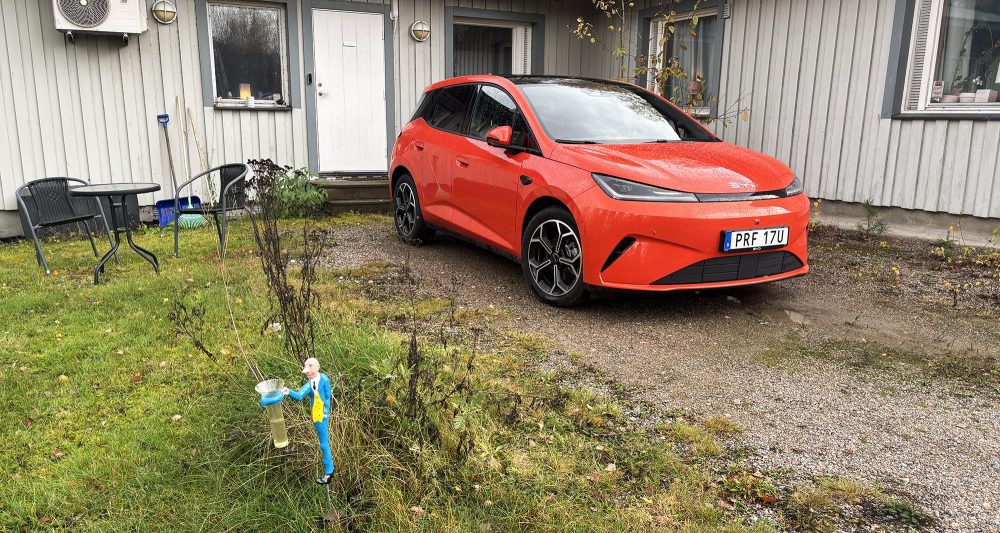
BYD Dolphin G Comfort sits right in the middle of the model lineup. It has a total system output of 212 horsepower, just like the Boost and Sport versions. The entry-level Active model has to make do with 176 horsepower. The 1.5-liter four-cylinder gasoline engine provides 95 horsepower in all versions, but together with the electric motor, there is significantly more power to tap into when needed. This is not some little city car that has to struggle to get up to speed.
Above all, it is the immediate response that impresses. There is something very satisfying about pressing the accelerator and feeling the car respond instantly, without having to consider gears or RPM first. The electric motor delivers power immediately when the pedal is pressed, and the car feels quicker than its exterior suggests.
I have never driven an electrified car before, so once I stopped being impressed by the raw acceleration, I began to wonder how seamlessly the drivetrain works. The Dolphin G is a plug-in hybrid, but not quite of the traditional kind. BYD calls the technology DM-i Super Hybrid 5.0 and fundamentally, it is a so-called series-parallel hybrid. It sounds more complicated than it is.
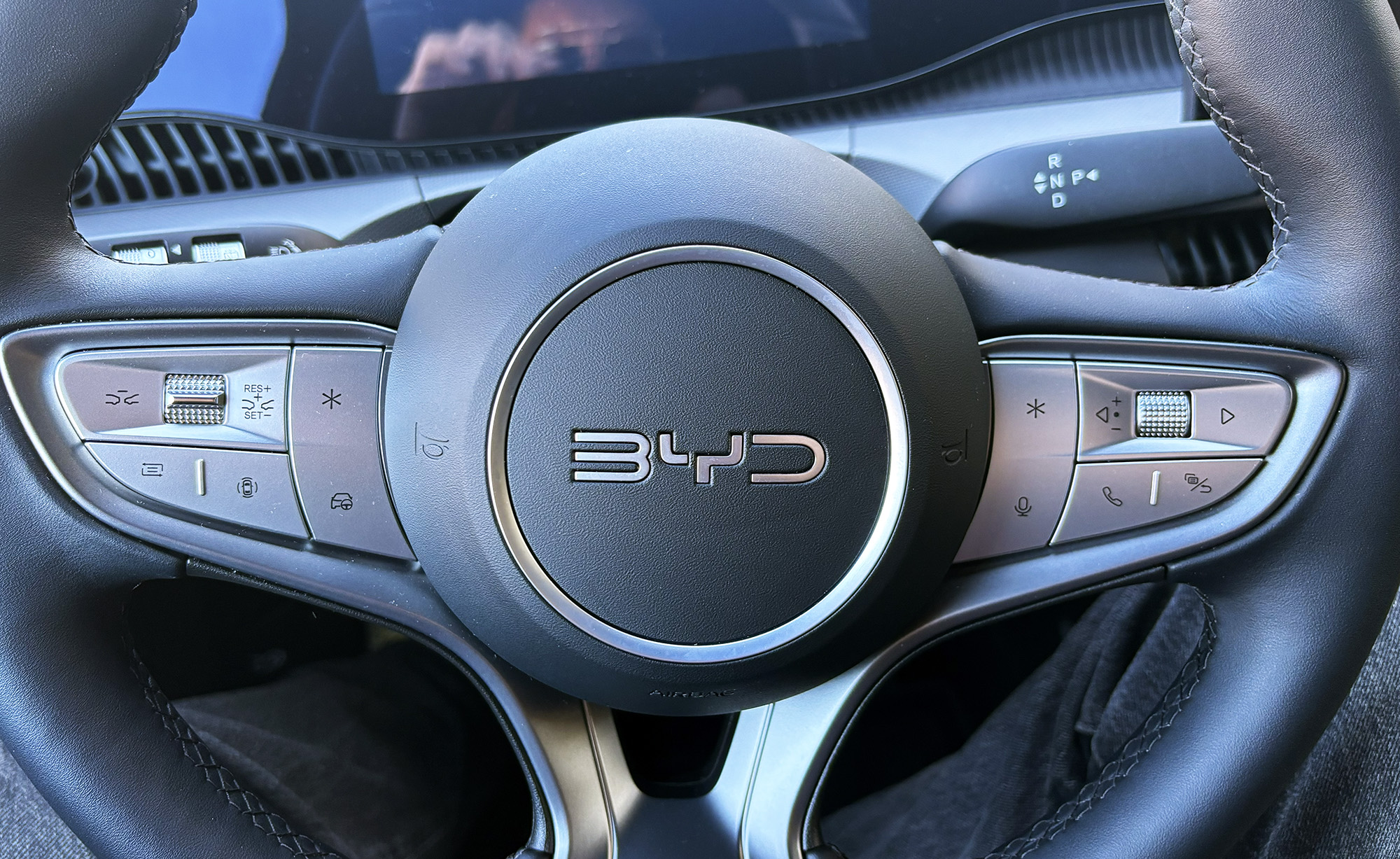
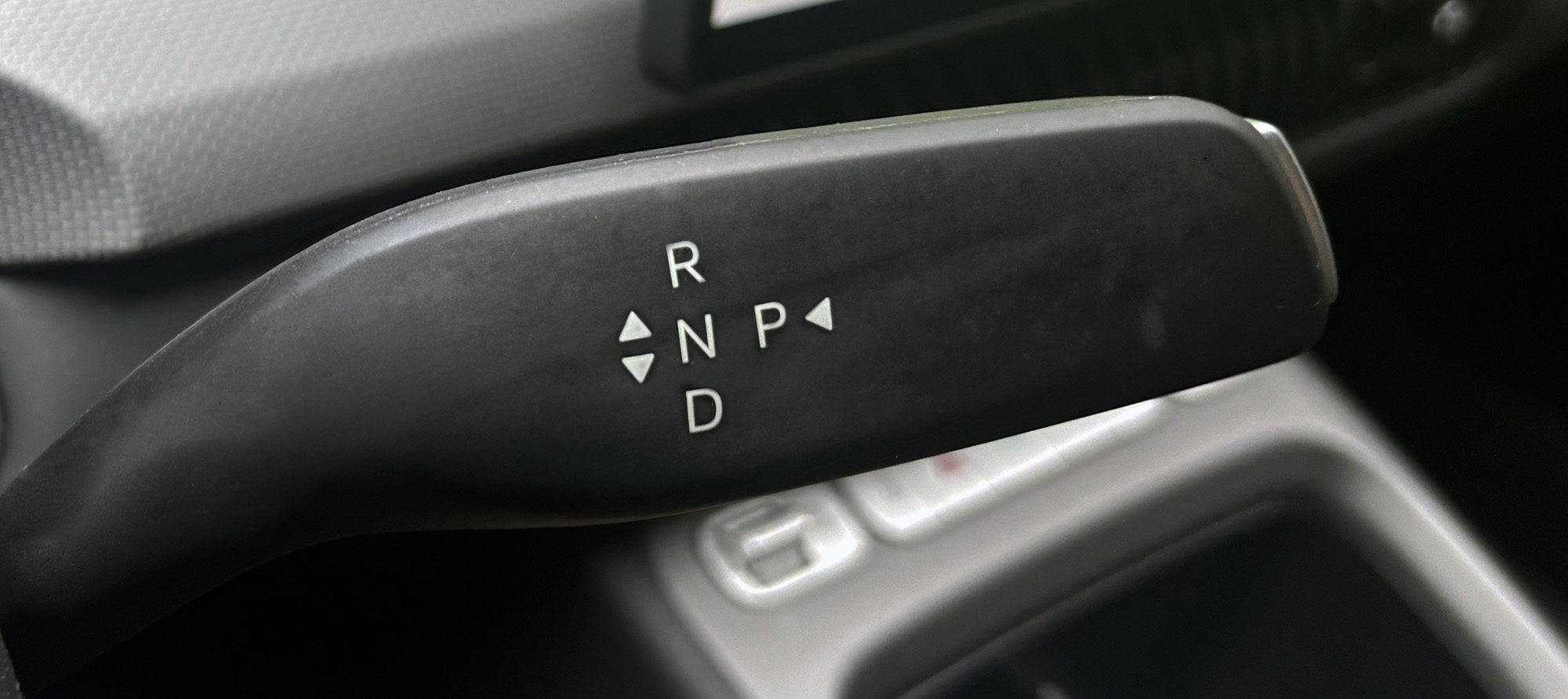
In EV mode, the car runs on electricity from the battery, just like an electric car. When the gasoline engine is needed, it can act as a small power plant producing electricity while the electric motor still drives the wheels. However, at higher speeds, for example, the gasoline engine can also be connected directly to the wheels. Unlike a pure series hybrid, it can therefore do both things. A small indicator on the display shows EV or HEV, but the car handles the switching between drive modes itself. The only thing I really noticed was when the gasoline engine started. The technology solved the rest on its own.
The steering is light and responsive, making parking and city driving easy. On country roads, the Dolphin G feels safe and stable, but it never tries to be sporty. If you are looking for a lot of feedback from the front wheels, there are more fun alternatives.
Instead, the focus is on comfort. The suspension swallows irregularities, road joints, and potholes convincingly. However, I had to get used to the weight. The Dolphin G is significantly smaller than my usual Skoda Octavia estate, but weighs nearly 300 kilograms more. On really twisty roads, it could therefore feel a bit top-heavy, and I didn’t dare take corners like I do with my Skoda. This could, of course, be because I haven’t had time to find the right driving style during these two weeks. I don’t want to judge the handling based on something that might just as well be due to the driver. But for those who, like me, are unaccustomed to electric and hybrid cars, it’s worth remembering: it’s a heavy car in a small shell.
Economy
If any model in the Dolphin G series feels the most sensible to spend money on, it is the Comfort. Active is cheaper, and Boost provides the same engine power and electric range as Comfort, but it is only here that I feel the equipment gets that little something extra.
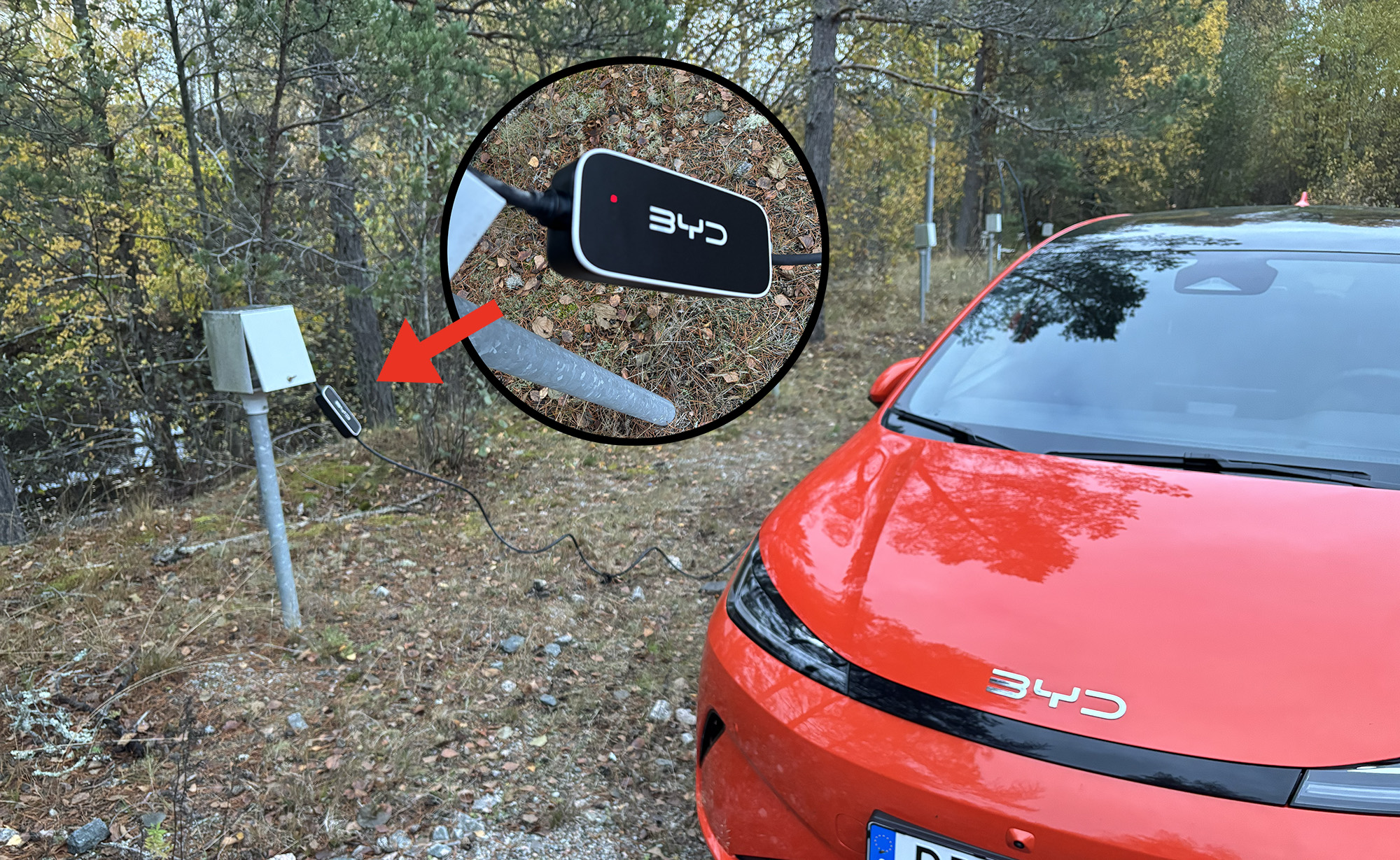
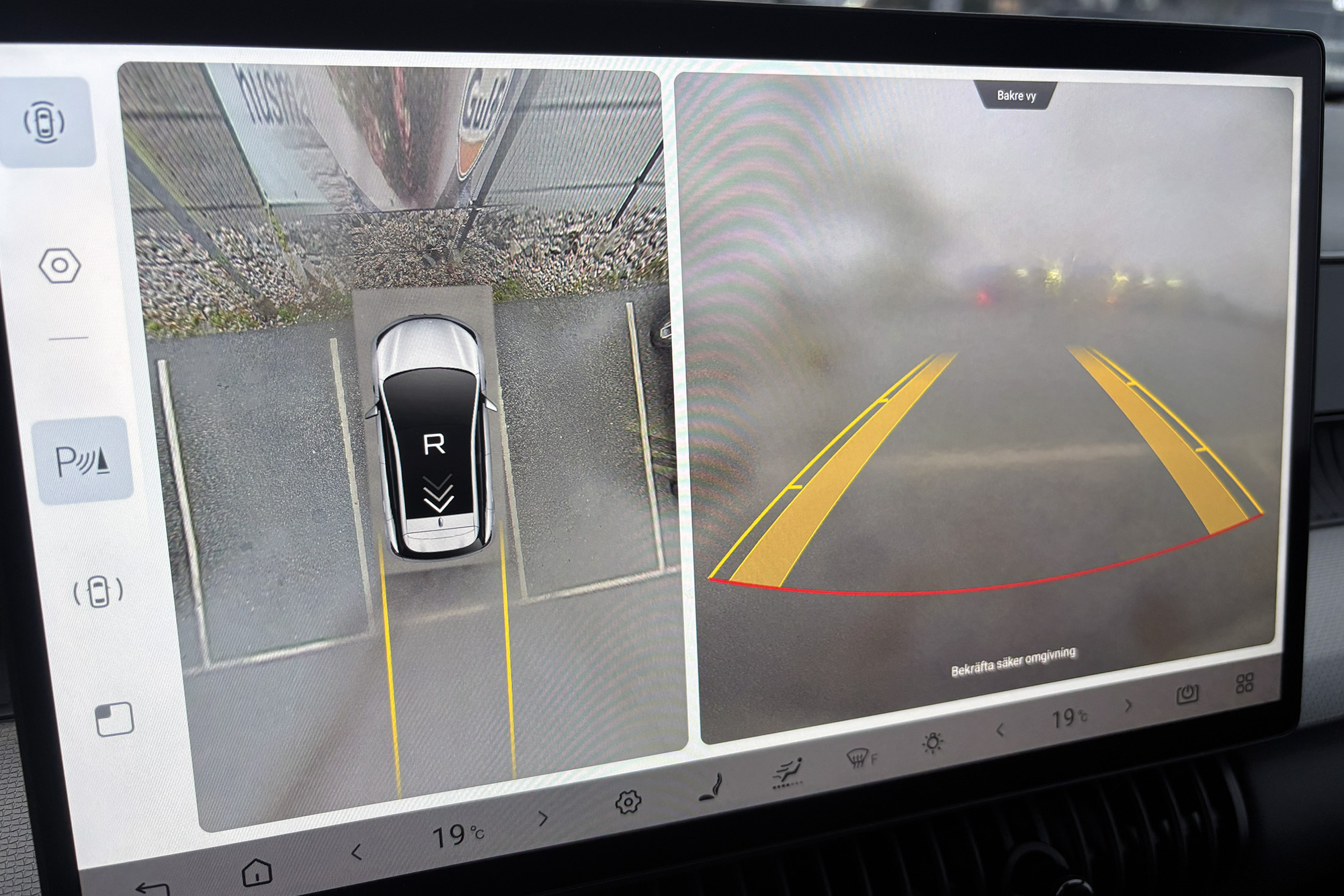
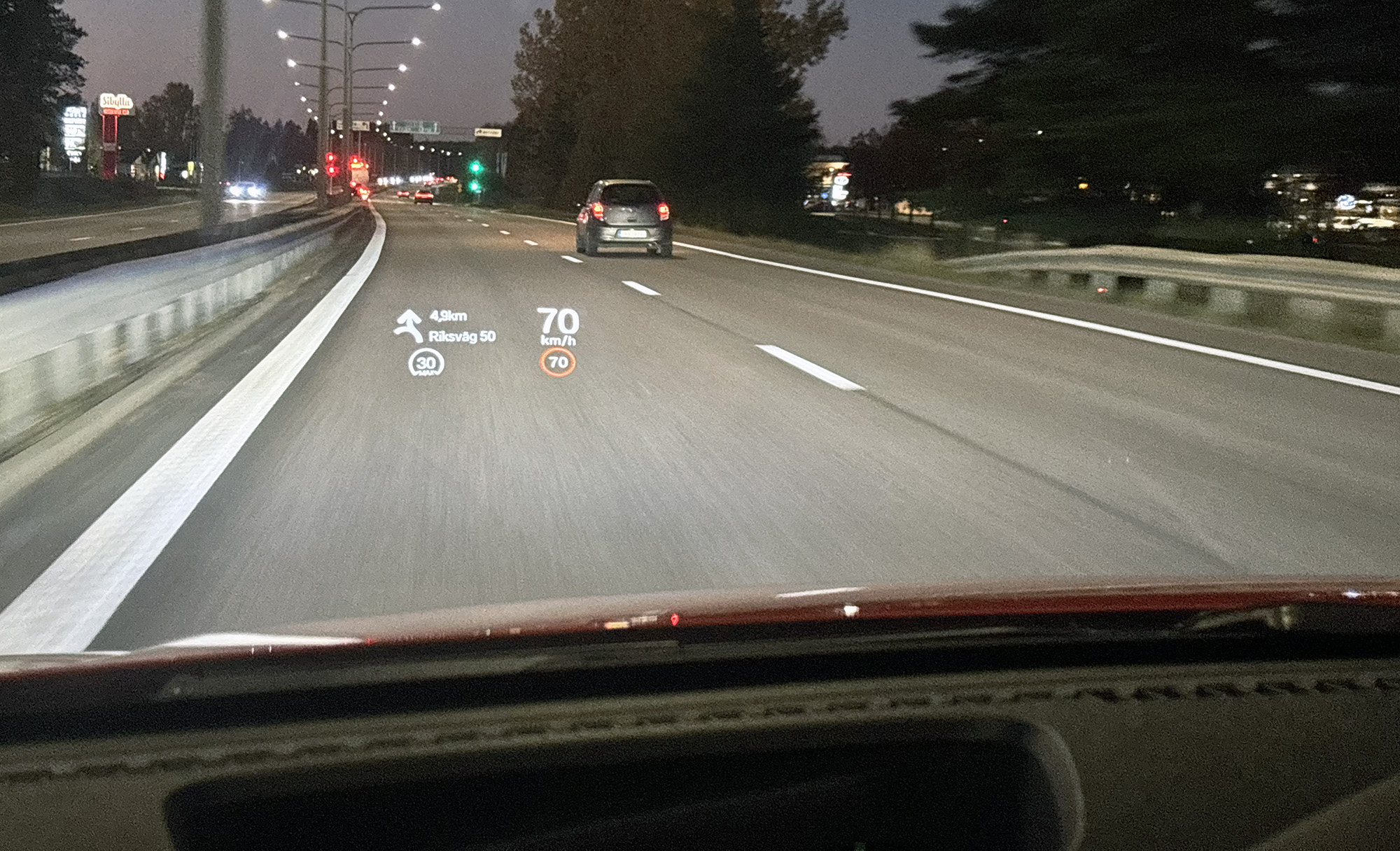
Active has a smaller battery of 7.42 kWh and, according to WLTP, manages up to 40 kilometers on electricity. Boost, Comfort, and Sport, however, share the 18.3 kWh battery, with up to 105 kilometers on pure electricity and a total of 1,040 kilometers on a full tank and charged battery. So, it’s not the range that distinguishes Boost from Comfort, but the equipment. In Comfort, you get, among other things, a panoramic roof, head-up display, electrically adjustable driver’s seat, and a 360-degree camera. These are things that make a difference during the time you actually own the car. To me, Comfort feels like the most well-thought-out combination, even if Boost is a sensible alternative for those who would rather save the money.
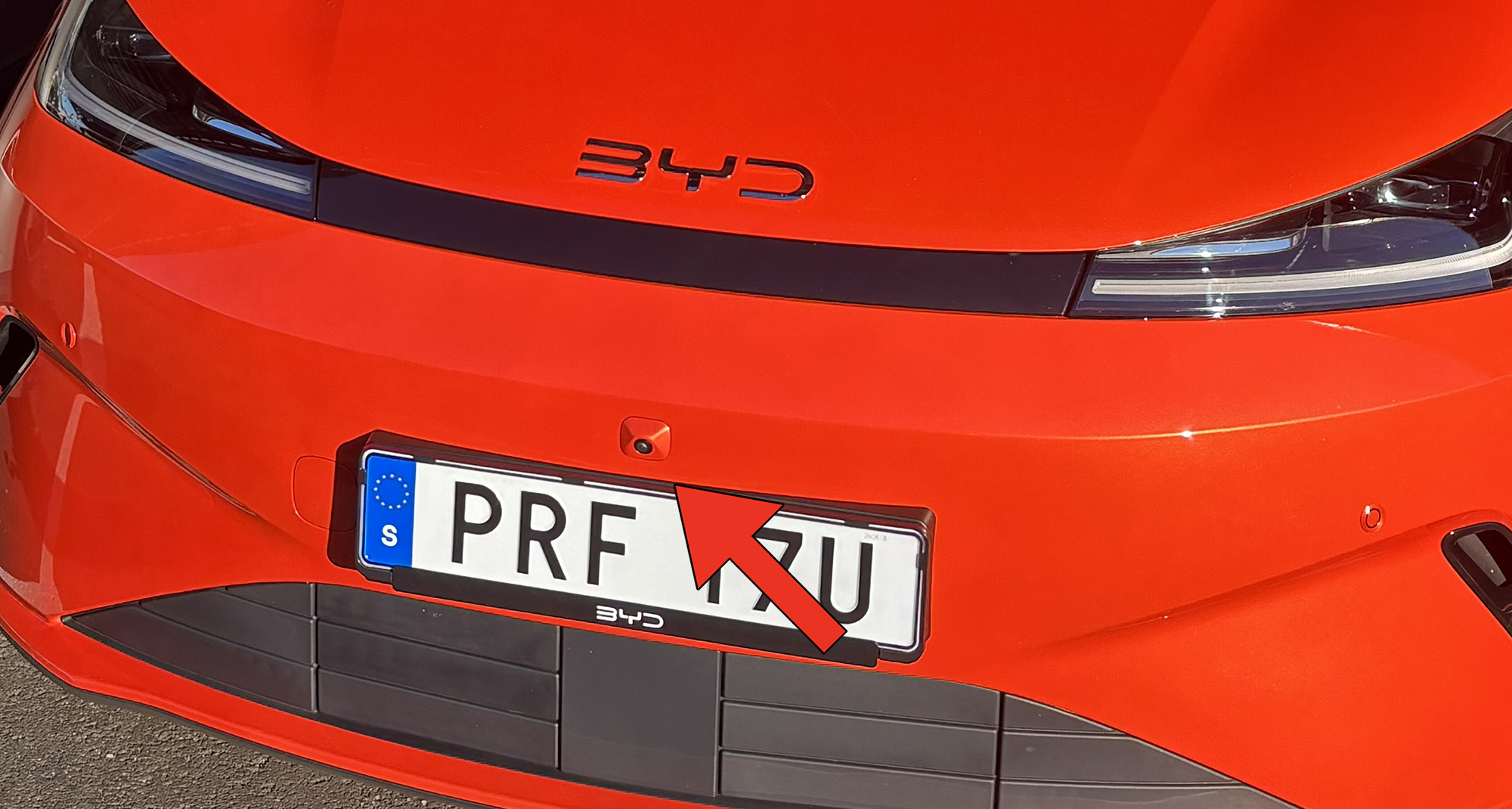
That doesn’t mean everything is a given. BYD still has a bit to prove in Sweden. Warranties and specifications look good on paper, but how will the resale value hold up? No one really knows how a five- or six-year-old Dolphin G will be valued compared to more established alternatives from Volkswagen, Kia, or Toyota.
During the test period, however, daily economy emerged as one of the car’s strongest points. If you charge at home and commute short distances, you can drive much of your daily life on electricity, with the gasoline engine as security for longer trips. If you have less than 50 kilometers to work, you can, under favorable conditions, manage the round trip on one charge. If you can also charge at work, the possibilities become even greater. It is precisely this combination that makes the plug-in hybrid interesting. You can utilize electric power during the week without having to plan your next long trip based on where the charging stations are. To me, that is quite a significant point.
This became especially clear when I calculated the charging costs during the test. A full charge at a public fast charger took around 35 minutes and cost over 90 SEK. Based on an electric range of about 90 kilometers, that works out to approximately 10 SEK per 10 kilometers. Meanwhile, gasoline cost around 15.70 SEK per liter, and I noted an impressively low consumption of 0.4 liters per 10 kilometers. This results in about 6.30 SEK per 10 kilometers, which is less than what that particular fast charge cost. Of course, this doesn’t mean gasoline is always cheaper than electricity, just that where you charge matters a lot. At home, the calculation is completely different.
You also get a lot of equipment for your money. Features that are hidden in expensive optional packages with competitors are included here from the start. Not everything maintains quite the same quality level as the European brands, but certain details are a positive surprise. This is somewhat of the car’s consistent theme: you get plenty of features but discover over time which ones you actually use and which ones mostly just look good on a spec list.
I still come back to the same conclusion when comparing the versions: if the price difference compared to Boost (about 20,000 SEK) is reasonable, I would have chosen Comfort. Not because I get more range or more power, but because I appreciate the extra equipment. Boost actually gives you very much of the same car for less money. But in this particular test, it was Comfort that made me feel the overall package was just right.
By today’s standards, the Dolphin G Comfort is relatively inexpensive. In this configuration, it costs around 360,000 SEK, yet it still feels like good value. Because there is, after all, a difference between being expensive and costing a lot of money.
Utility
It’s easy to underestimate the Dolphin G at first glance. In the parking lot, it looks like a fairly compact hatchback, but once inside, the car feels larger than its exterior dimensions suggest. Above all, the back seat is surprisingly spacious, with room for both adults and children in car seats. ISOFIX mounts are available on the outer rear seats and also on the front passenger side.
I usually test back seats by first adjusting the driver’s seat to my height and then sitting behind myself. It went relatively well here. Not that I’d want to sit there for an entire holiday trip, but shorter distances work without a problem. You sit quite high in the back, which also contributes to the sense of space. And let’s be honest: if I, at 196 centimeters tall, can sit behind myself at all, that’s a pretty good rating. Shorter passengers are likely to have significantly better comfort.

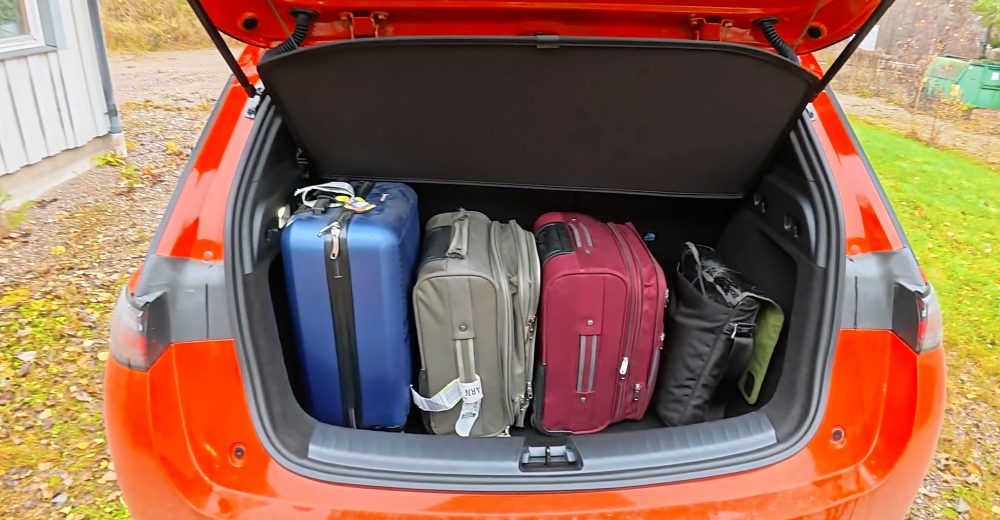
For daily tasks, the car works fine. The trunk space is 425 liters, and the weekly groceries fit without any issues. But if the whole family is packing for a longer vacation, it becomes clear that the Dolphin G is still a compact car, not a large estate. After all, I’m used to an Octavia, and that makes you easily spoiled with cargo space.
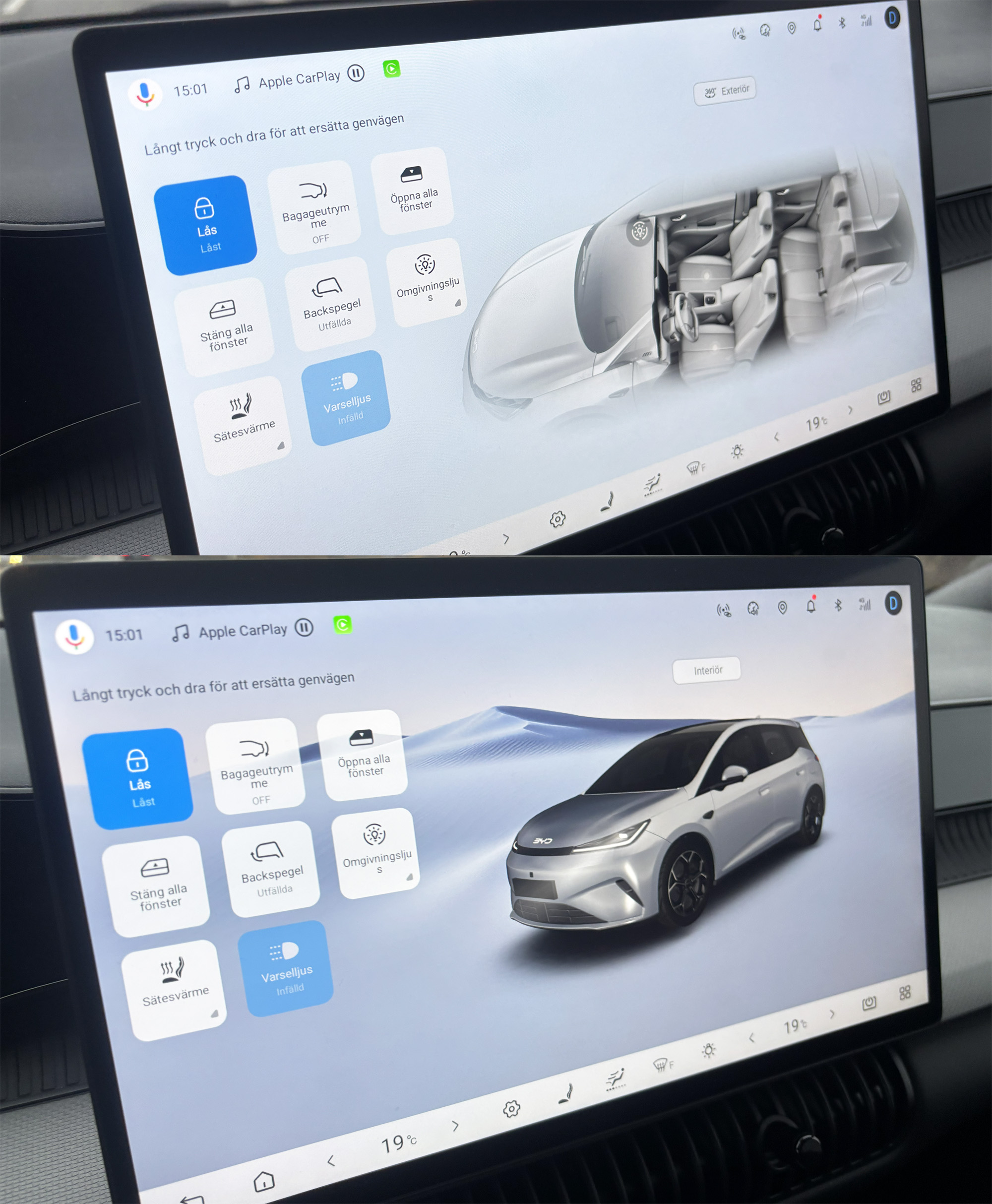
Certain details also start to annoy after a while. The large center screen is impressive but has taken over functions that could just as easily have been handled with regular buttons. A simple adjustment sometimes requires more taps than it should. In the driveway, it doesn’t matter. During driving, however, it becomes unnecessarily distracting. There is a reason why a regular button can be so good: you learn where it is and barely have to take your eyes off the road. I sometimes miss that simplicity here.
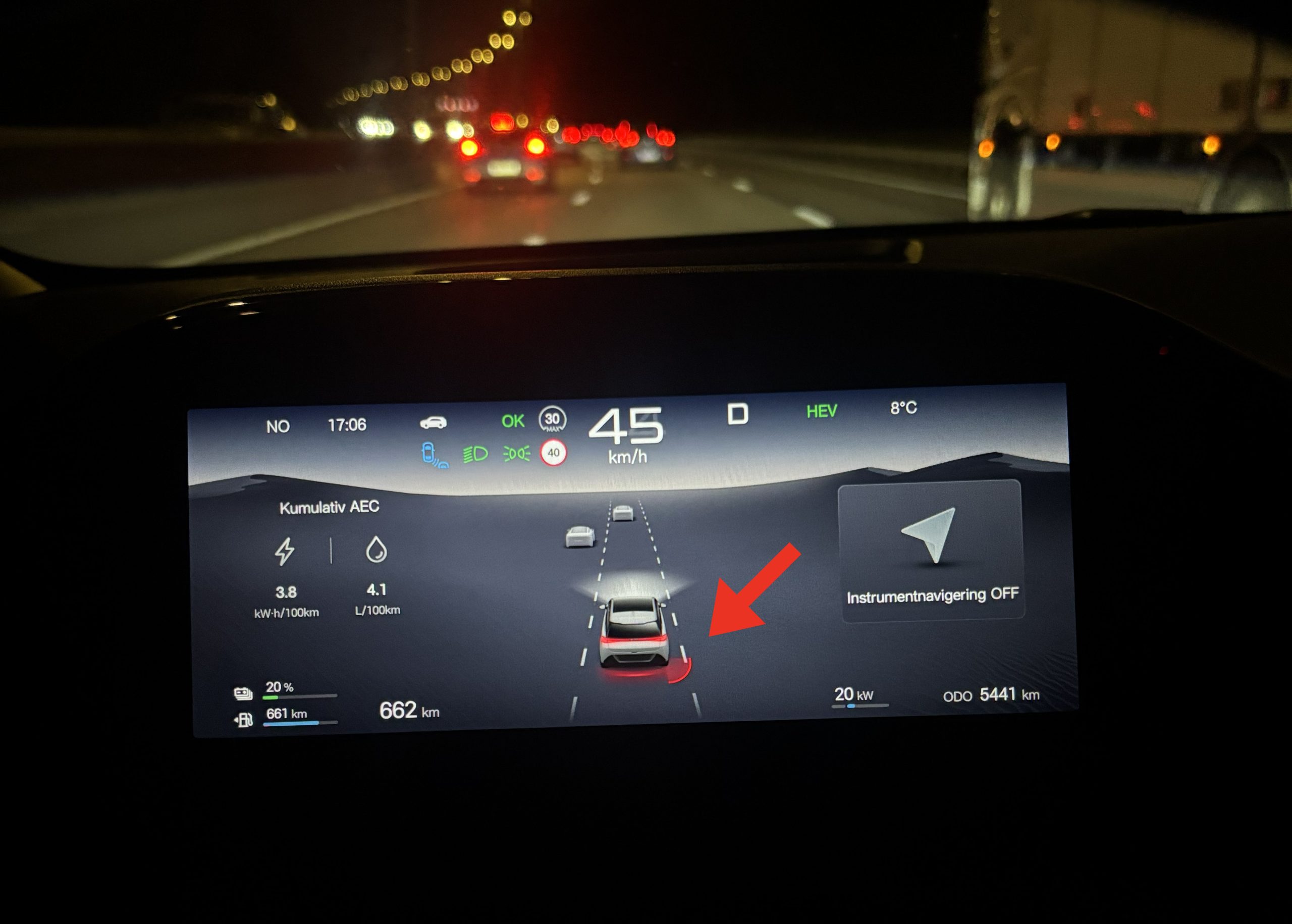
And then we have the assistance systems. They are very eager to help, sometimes significantly more than I would like. It beeps, chimes, and if you drive a short distance without a seatbelt, a voice announces: “You must use your seatbelt.” It cannot be turned off. The intensity of the warnings can be adjusted, but even at the lowest level, I felt they distracted more than they helped.
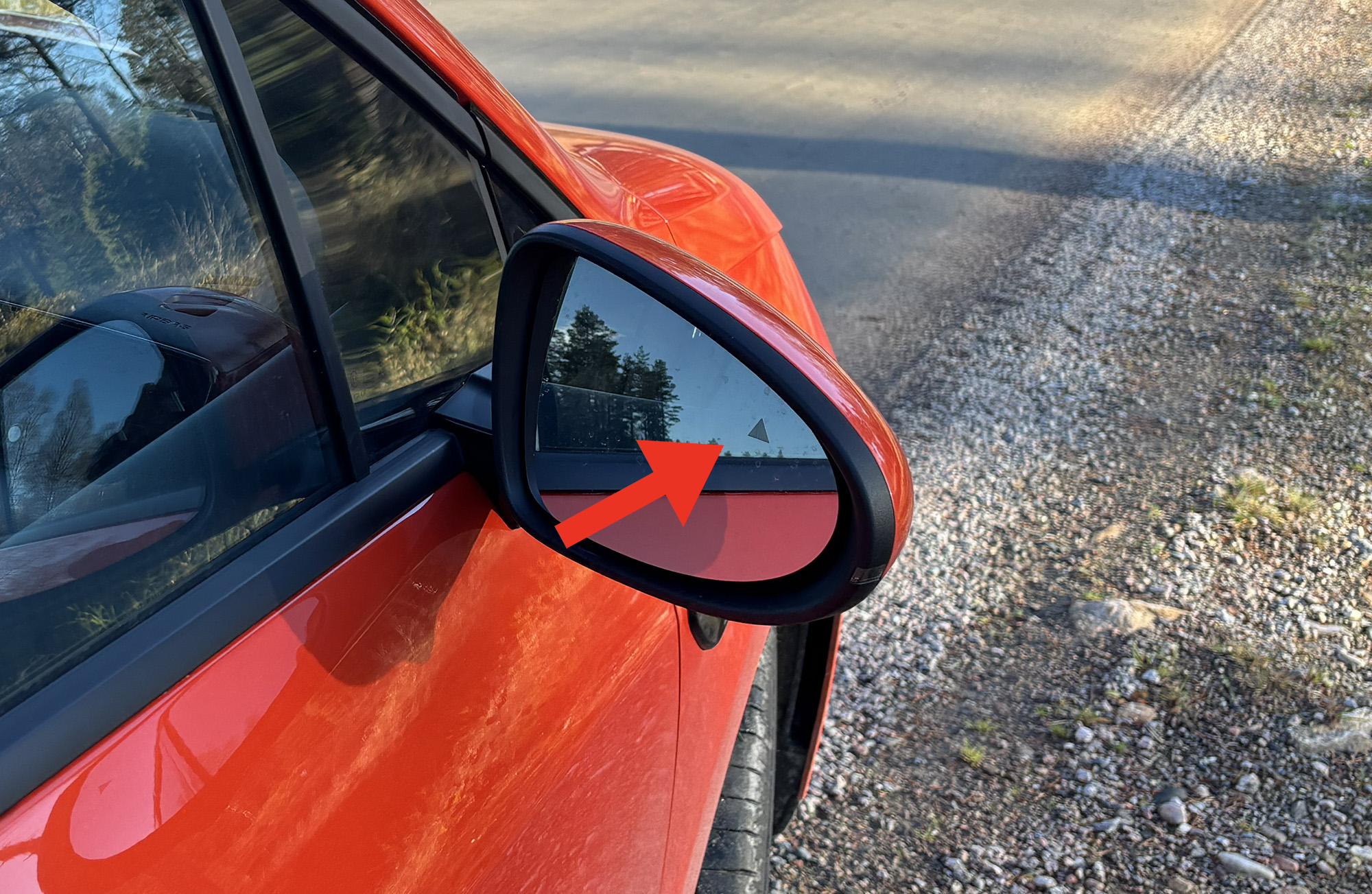
I am used to using the rearview mirrors when reversing and not just relying on cameras and sensors. This doesn’t mean the systems are bad. On the contrary, the safety system is based on both camera and radar and can detect obstacles even when visibility is poor. But for me, as an experienced driver who has also recently obtained a heavy vehicle license, the amount of warnings sometimes becomes more distracting than helpful.
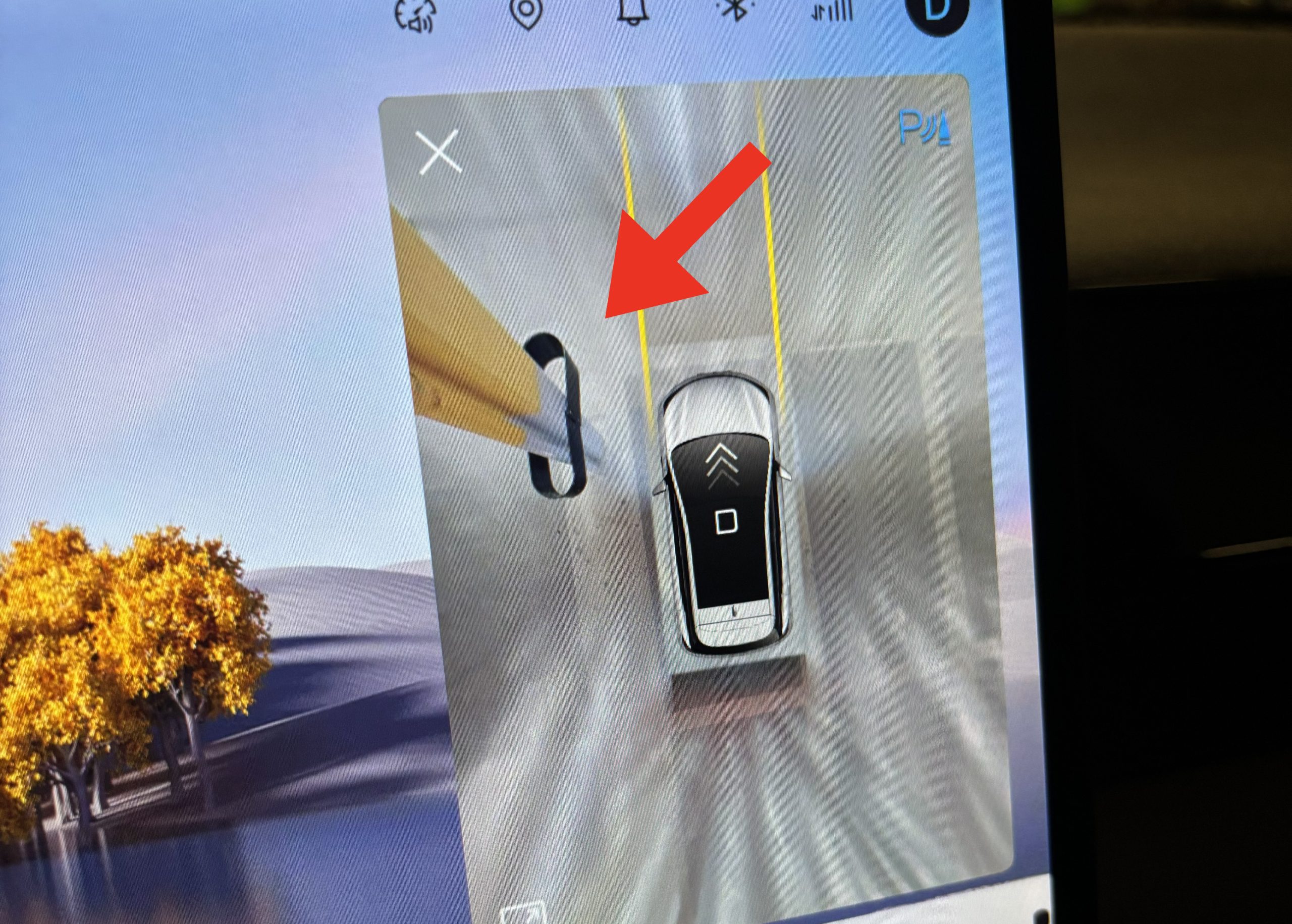
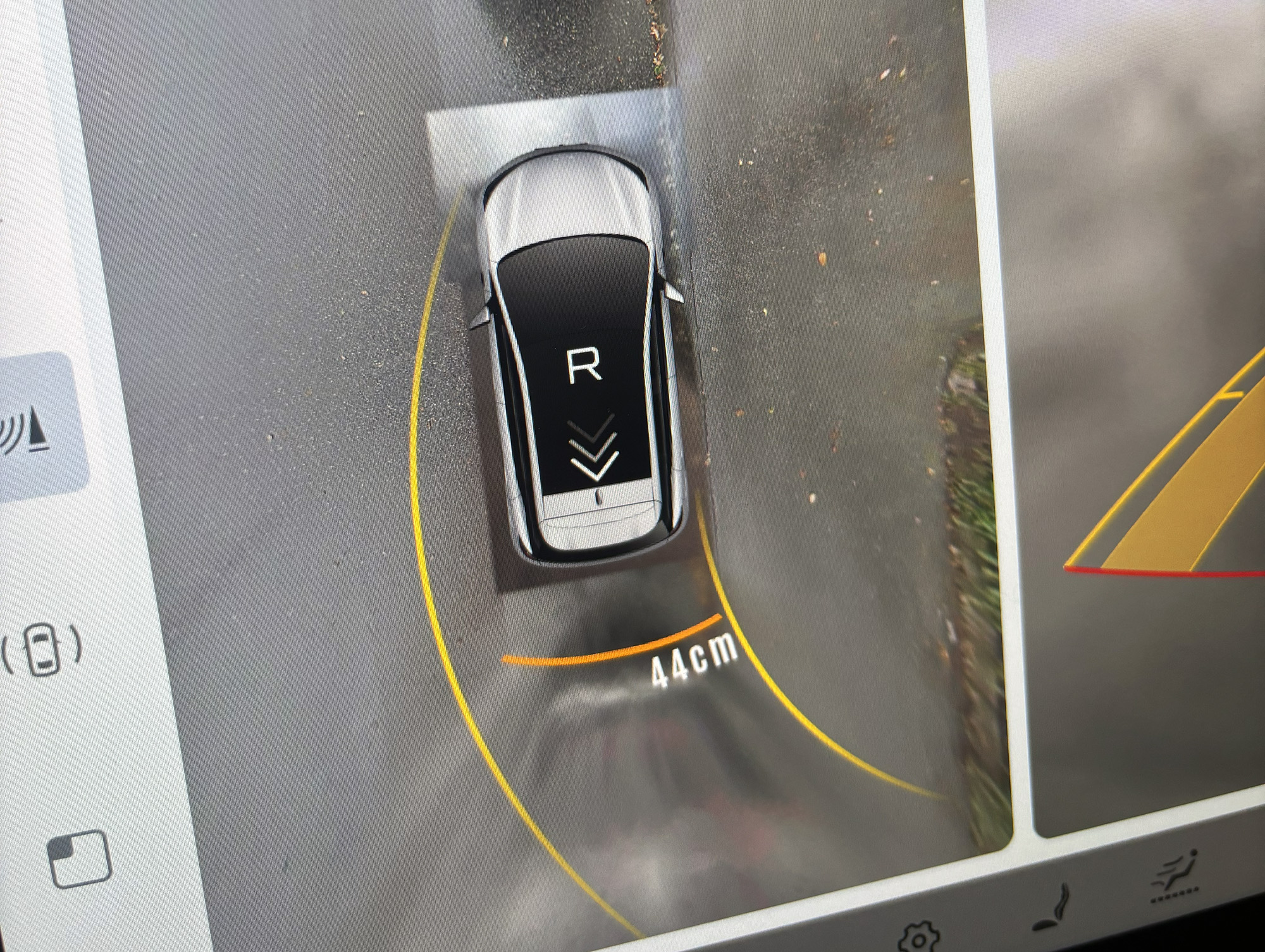
At the same time, I should be fair. Significantly more expensive cars offer less space and poorer practical solutions. Dolphin G combines a compact exterior with a surprisingly adult interior. It makes it easy to live with.
Seating Comfort & Environment
It didn’t take many miles before I understood why so many people seem to be positively surprised by the Dolphin G. The car makes a better first impression than I had expected. But some flaws only reveal themselves once the initial novelty has worn off.
The cabin feels modern, bright, and more premium than many likely still associate with Chinese cars. BYD obviously wants to show they can build something both well-thought-out and attractive, and for the most part, they succeed.
The large panoramic roof contributes a lot to the sense of space. It cannot be opened, so it’s not a sunroof. However, with the press of a button, you can retract the interior lining and let light in through the glass pane. I have tried to find clear information on how safe such a large glass roof is if the car were to roll over. What I found is that it is rated to withstand the load, but glass is still glass, I think. Personally, the feature was not on my wishlist. I certainly understand that others appreciate the light and the sense of space, but I would probably have rather spent the money on something that improves the driving experience itself.

The seats are comfortable during normal daily trips, but I never fell in love with them. After longer drives, I miss better support and more options to find the perfect driving position. The fact that only the driver’s seat has electrical adjustment while the passenger has to adjust manually also feels a bit stingy. It’s not a catastrophe in daily life, but in a car that wants to feel a bit more luxurious, such small differences become quite apparent.
In town, the car is almost meditatively quiet. But when the speed increases on the highway, I was actually surprised by how much noise finds its way in. Tire noise and wind hiss are clearly audible even before the internal combustion engine starts, and once it does, the noise level increases further. It’s certainly not a deafening roar, and you can easily talk to your fellow passengers. But the contrast to the almost silent city driving is stark, and I had actually expected better sound insulation in a modern car from 2026.
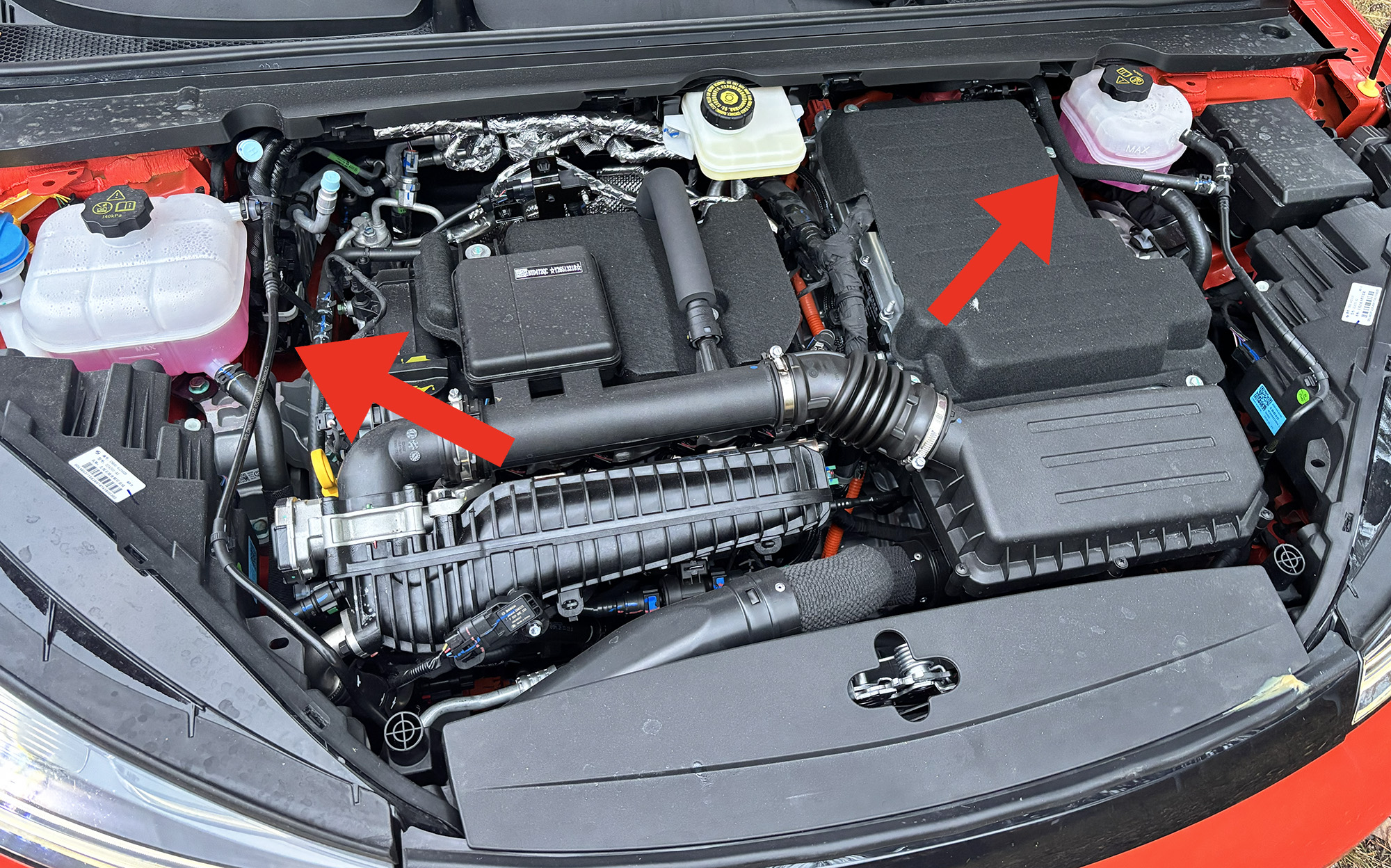
Here lies a bit of the Dolphin G‘s identity crisis. It wants to be modern, technical, and almost premium, but at the same time affordable. Sometimes ambitions pull in different directions. Some details feel very well-crafted, while others show where BYD has had to hold back to maintain the price tag.
I was thus often impressed, sometimes frustrated, and occasionally confused by the design choices. But rarely dissatisfied. The Dolphin G doesn’t quite reach all the way to the best European competitors in terms of quality feel and ergonomics, but it comes closer than prejudices about Chinese cars suggest. That in itself is a strong rating.
On chilly mornings, I appreciated how quickly the cabin became warm and pleasant. The heat pump does its job, and the seat heating and steering wheel heating spare you that first quarter-hour of suffering that some cars still seem to think is acceptable. That might sound like a small thing, but on a dark and cold Swedish morning, I appreciate it much more than a few extra horsepower. When the cold really bites, the range is naturally affected, just like with other electrified cars. Those who rely blindly on the WLTP figures might need to adjust their expectations.
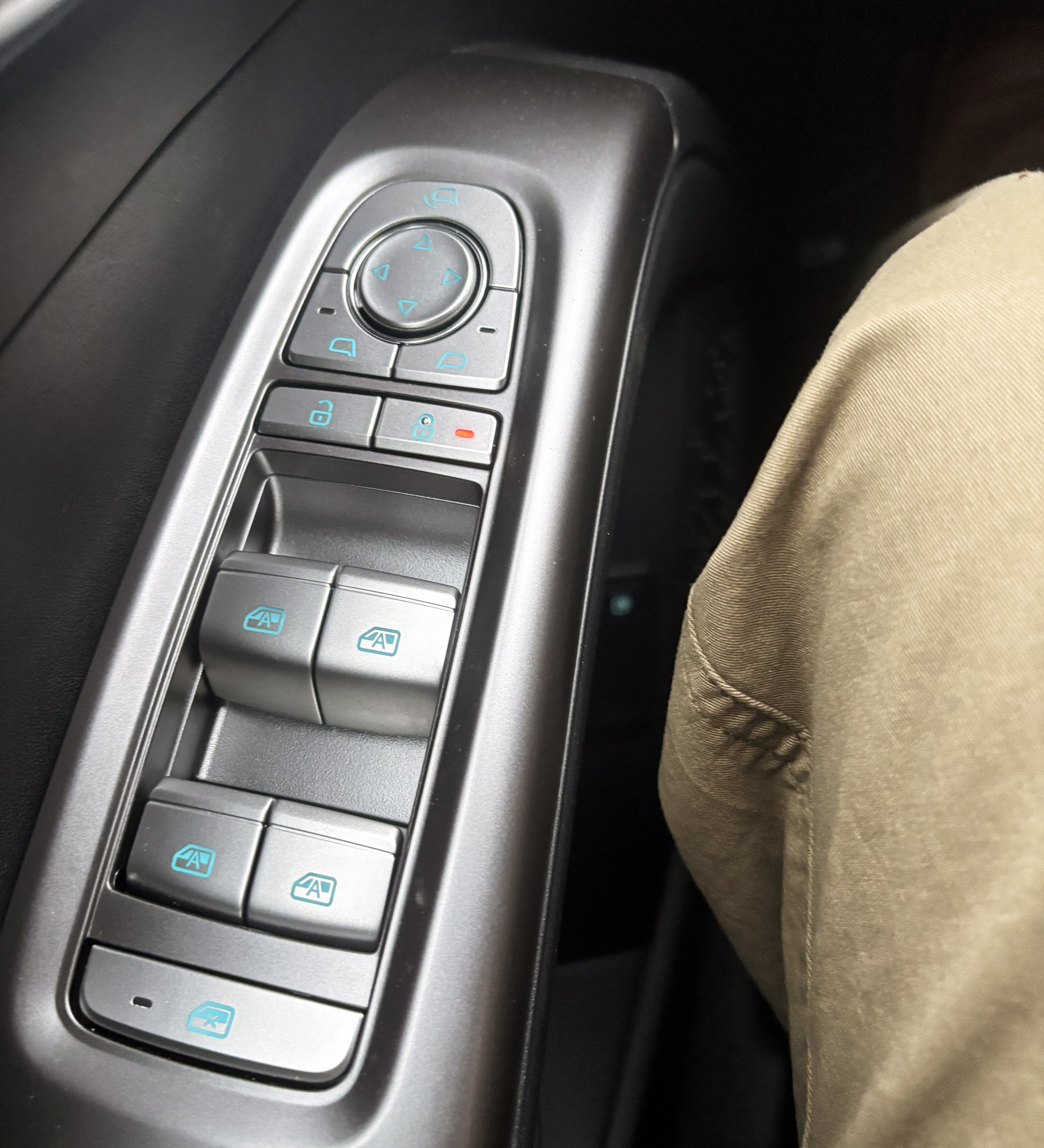
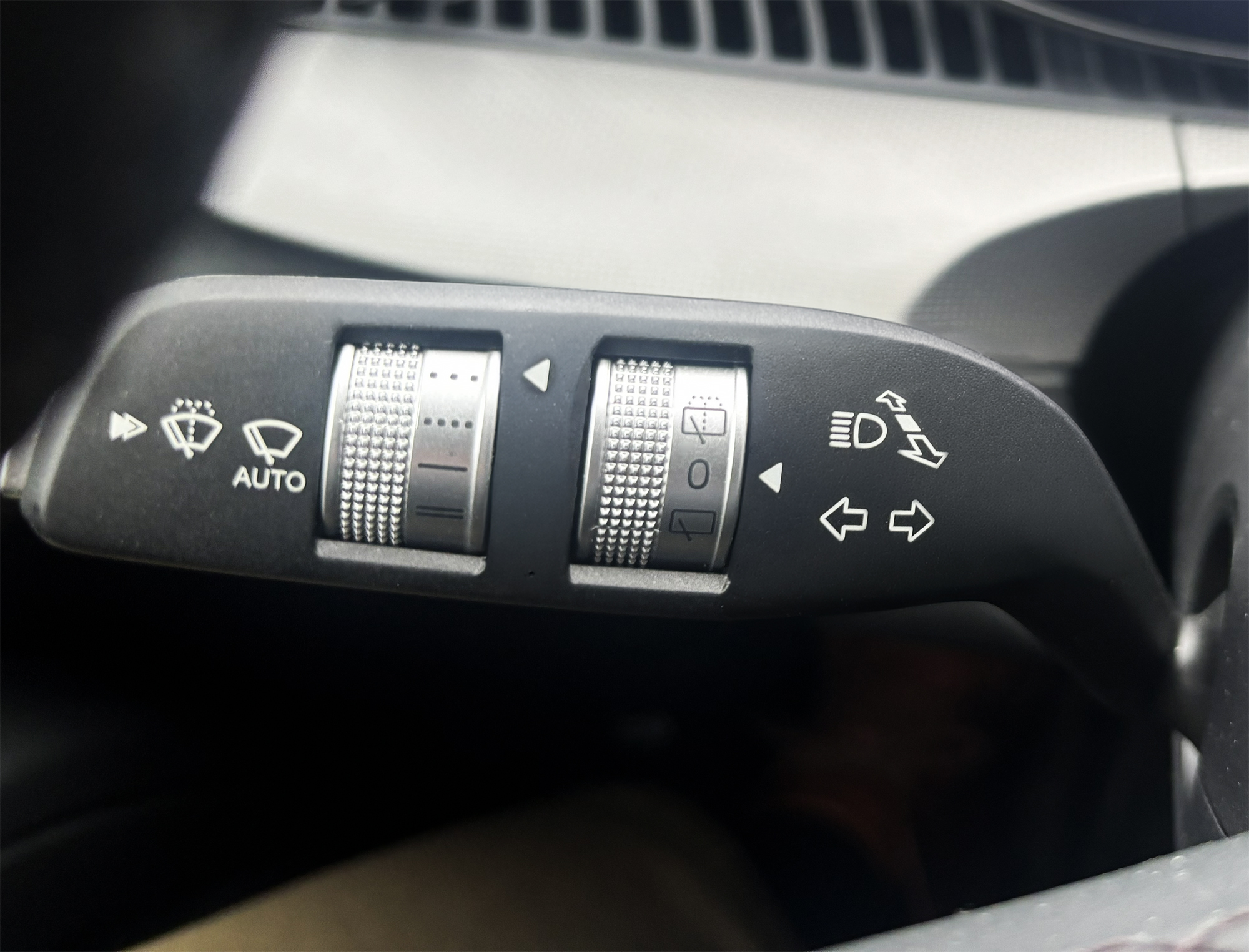
On the other hand, I would have liked to see easier access to certain functions, especially with gloves on. Touchscreens are not always the most natural solution when fingers are cold and roads are slippery. Here, BYD still deserves bonus points because many functions still have physical controls, including windshield wipers, cruise control, and window switches. This is by no means a given in all modern cars.
Electronics & Energy
The battery and the drivetrain work together seamlessly. Energy management happens mostly without me having to think about it. It might not sound that remarkable, but the best systems are often the ones you barely notice. After a while, I stopped looking for what was powering the car at the moment and just concentrated on driving. That is probably the best praise I can give the technology.
On paper, the Comfort has a WLTP consumption of 15.9 kWh per 100 kilometers and a range of around 105 kilometers on pure electricity. Such figures should, of course, be seen as an optimistic benchmark, not a promise. Temperature, speed, wind, and your right foot affect a lot. During my test, I managed between 80 and 95 kilometers on pure electricity, so 105 doesn’t feel unlikely at all on a warm summer day.
In city traffic and mixed commuting, the car manages the battery well. But if you push it at highway speeds over longer distances, the percentage disappears significantly faster, and suddenly the gasoline engine kicks in. Personally, I think the plug-in hybrid is the way to go when it comes to modern cars. You get the benefits of both worlds. Furthermore, the gasoline tank is large enough that the car can drive nearly 900 kilometers on gasoline before it’s time to refuel.
Charging works well in daily life, even if the Dolphin G is not among the fastest on the market. Home charging is likely the natural choice for many, but at a fast charger, the difference compared to the very fastest competitors is noticeable.
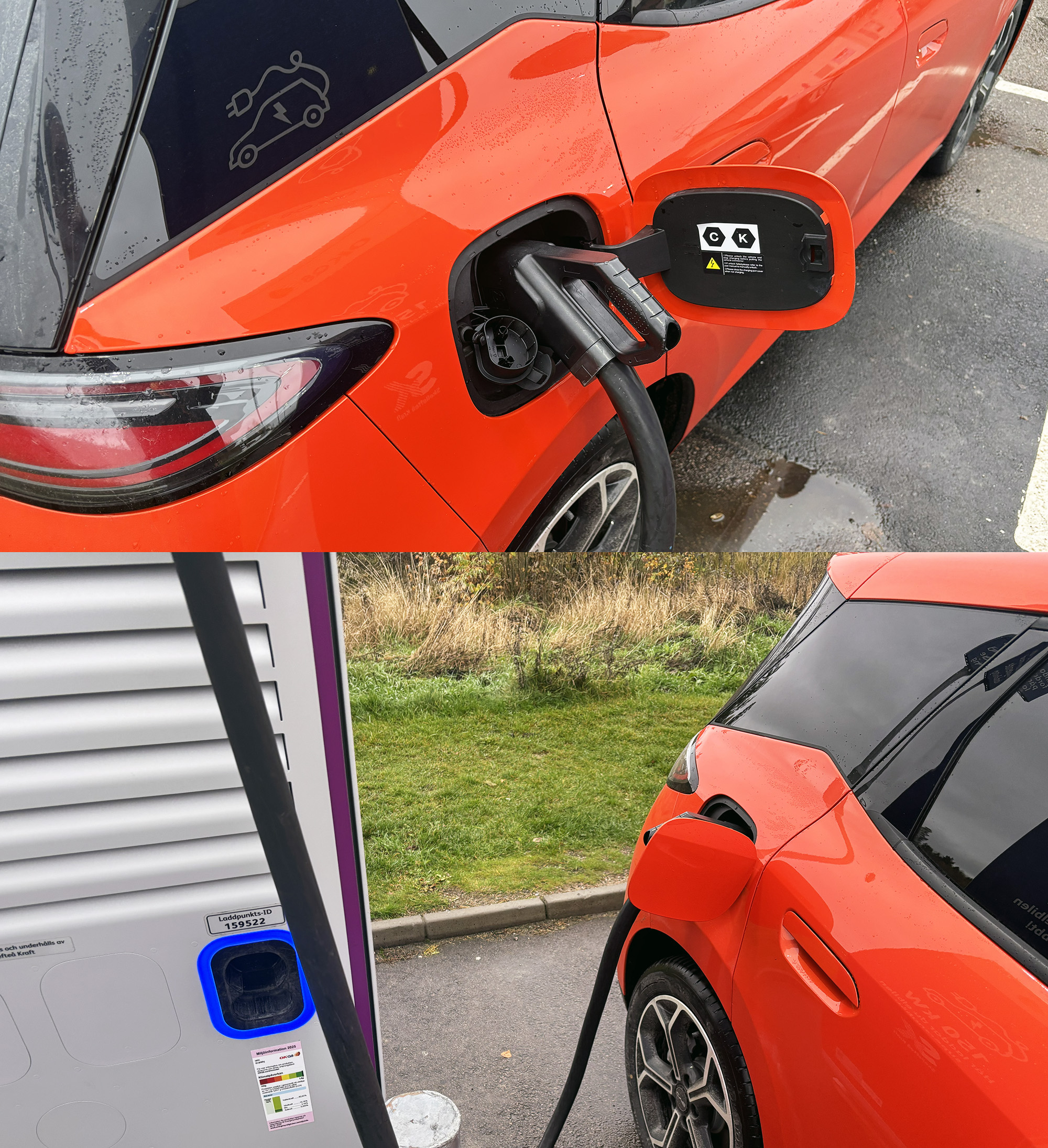
When I used a fast charger at a gas station, I fully charged in about 35 minutes at a cost of over 90 SEK. Based on an electric range of about 90 kilometers, that’s around 10 SEK per 10 kilometers. At the same time, the gasoline price during the test was around 15.70 SEK per liter, and the car consumed an impressively low 0.4 liters per 10 kilometers. That’s about 6.30 SEK per 10 kilometers, thus cheaper than that particular fast charge. To gain the economic advantage of electric driving, one should therefore primarily charge at home.
The large 12.8-inch screen is sharp and looks really good when showing off the car. But many functions are, as mentioned, several menu selections away. An adjustment that would have taken a second with a regular button easily becomes a little excursion into the touchscreen. It doesn’t really matter in the driveway, but during driving, I don’t want to sit around searching for the right icon. Especially not if I’m wearing gloves.
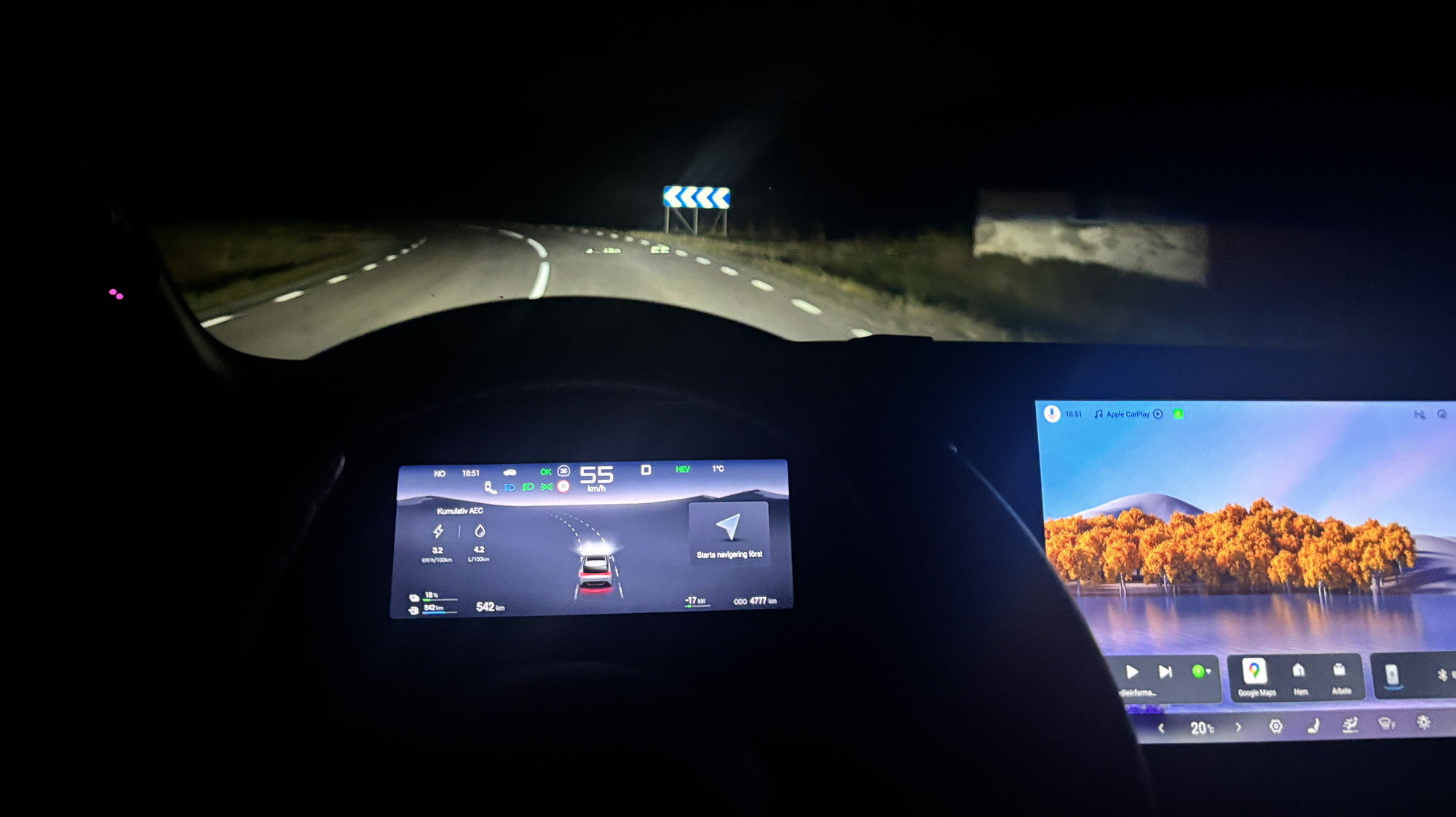
Then we have the brightness. The screen is very bright, which is nice during the day. In the evening, it’s a completely different story. Even though I activated night mode and turned the brightness down to 4 percent, I still felt it shone far too much. I ended up turning off the screen completely when driving in the dark. That worked as an emergency solution, but surely one should be able to get a modern car screen to go properly dark without having to turn it off?
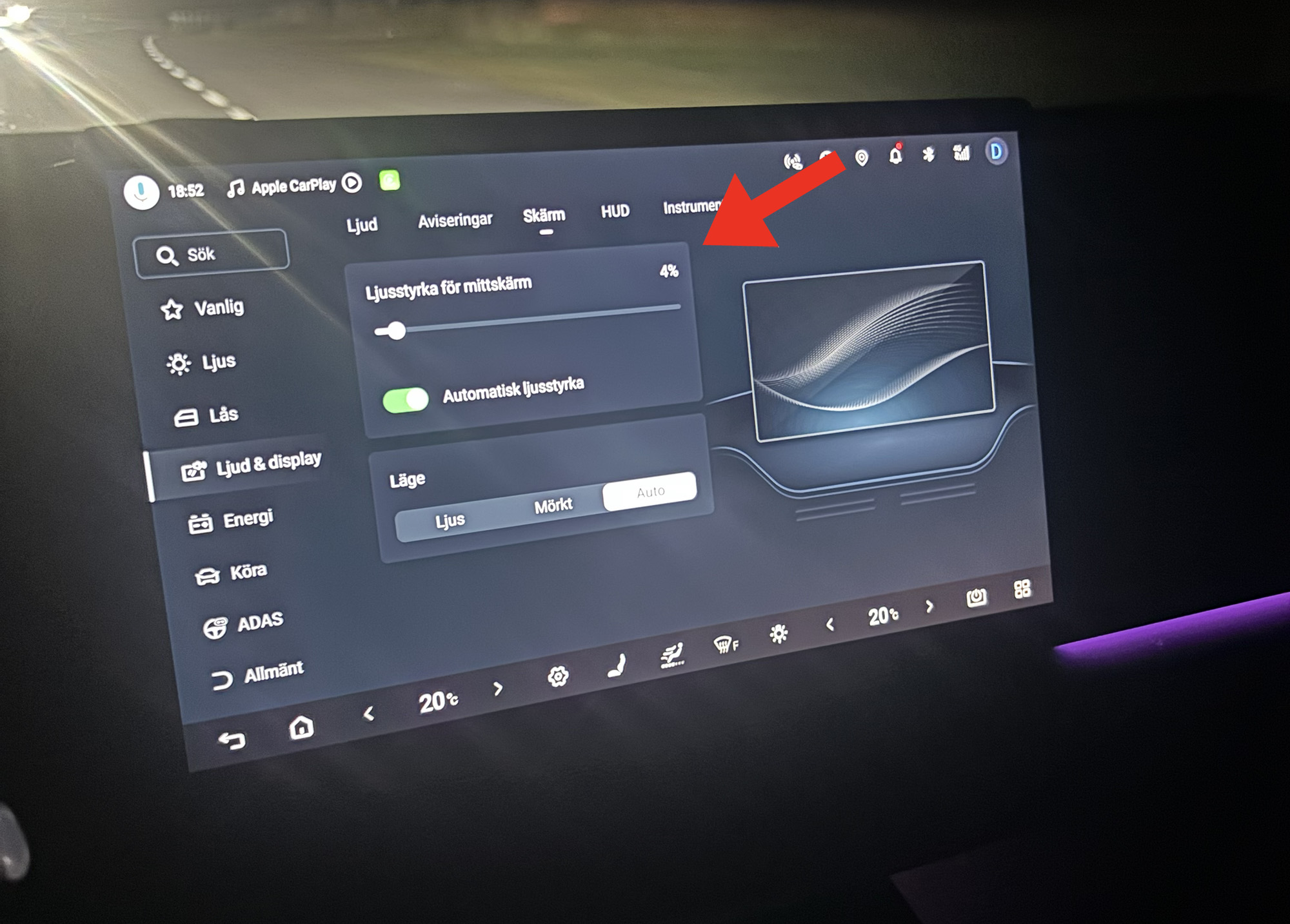
Luckily, there is also quite a lot to praise. Apple CarPlay and Android Auto worked perfectly during the test. It is a huge plus to be able to use the phone’s most important functions via the car’s screen, such as navigation, music, and calls, without having to get used to yet another entirely new system.
Signature
I wasn’t impressed by the design in the same way as the first time you see a Polestar or a well-equipped Audi. Nor was I blown away by the acceleration, the infotainment system, or any particular premium detail. If someone had asked after the first test drive what made the Dolphin G special, I would have found it hard to answer.
But then something happened. The longer I lived with the car, the less I thought about it. Normally, that sounds like criticism. Here, it’s the opposite. The Dolphin G quickly became a natural part of daily life. I didn’t have to plan around it or worry about it. It did its job in the morning, during the commute, outside the store, and on longer trips without demanding attention.
If I were at the dealer today and about to spend my own money on a Dolphin G, I would without a doubt have chosen the Comfort. Active feels too stripped down. Boost is a compromise I don’t quite understand. Sport doesn’t add enough to justify its existence. With the Comfort the pieces fall into place.
It is also a car that grows on you over time. First, you see the specifications, then the equipment, and finally, you appreciate how smoothly everything works. It has most of what I could wish for and gets a lot right without making a big deal of it. The sound system is unlikely to win any awards, but it is perfectly adequate with lovely bass and plenty of settings. And the fact that it has useful features like Vehicle-to-Load (V2L) so you can charge your phone or other electrical items via the battery is a wonderful bonus.
This is also where I start to wonder what personality the Dolphin G actually has. Because, in all honesty, it’s not a car that stands out particularly much. The design is pleasant but hardly sensational, while the technology, on the other hand, is interesting. Being able to drive nearly 100 kilometers on electricity in such a compact car and simultaneously have the gasoline engine as security is actually quite nice. It’s not unique to BYD, but the combination is successful, and there is really good performance in this price range.
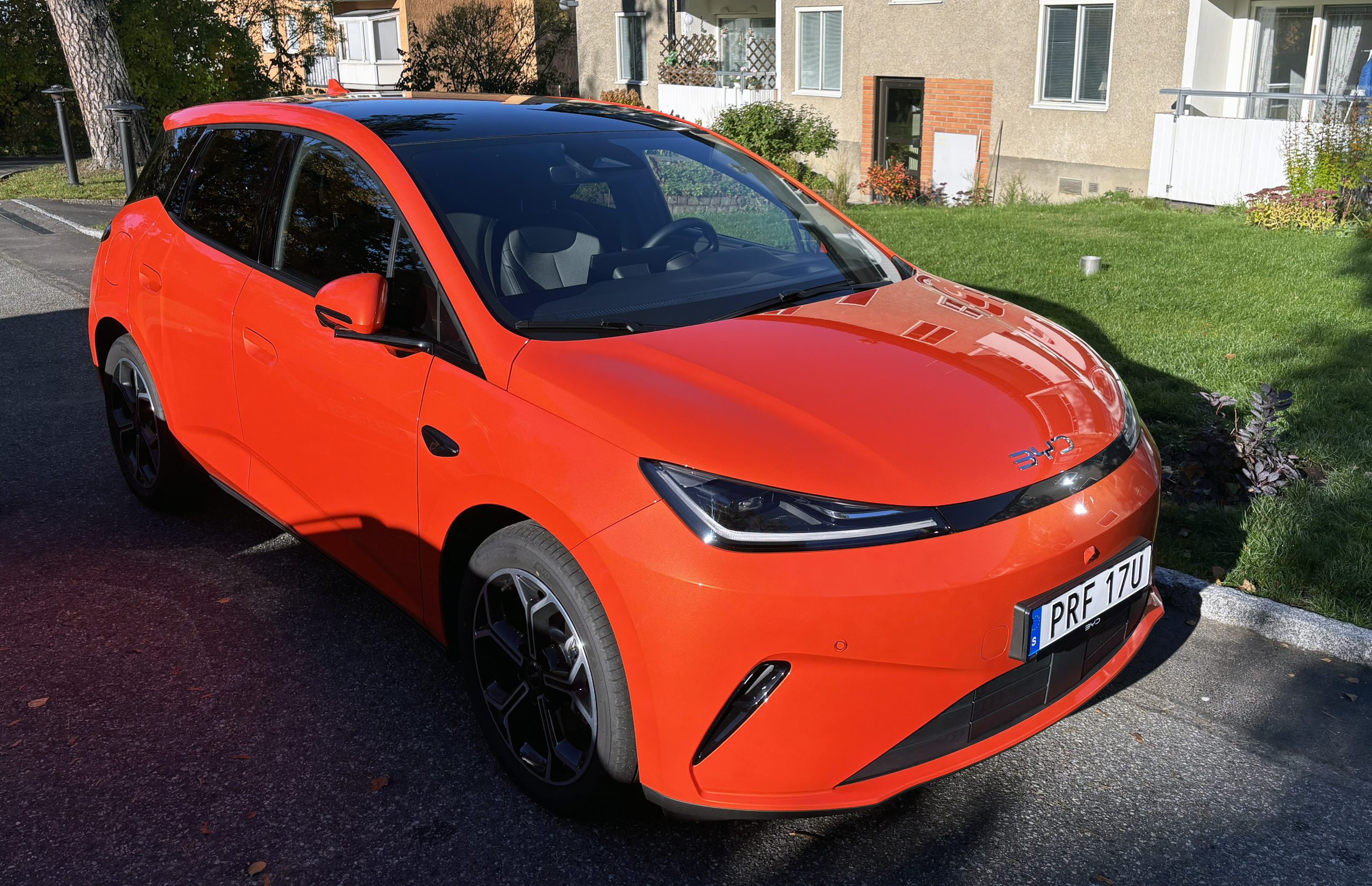
At the same time, it’s hard to pin down any real “must-have” factor. I’m unlikely to lie awake dreaming of a Dolphin G, but I would also have no problem having it sitting in my driveway. And that perhaps says more about the car than one might first think.
So the BYD Dolphin G Comfort might not be the car I fall in love with, but it is very easy to like it.
Review Highlights: Q&A
What is the real-world electric range?
The Dolphin G (Comfort) delivers between 80 and 95 kilometers of pure electric driving on a charge, compared to its official WLTP rating of 105 kilometers.
How long does fast charging take?
A full charge at a public fast charger takes about 35 minutes for the 18.3 kWh battery.
What are the biggest drawbacks during highway driving?
Tire noise and wind hiss are clearly audible at highway speeds, and the combustion engine raises sound levels further once it engages.
Does it support smartphone integration?
Both Apple CarPlay and Android Auto are supported and function seamlessly on the car's 12.8-inch center screen.
How spacious is the cargo area and rear seating?
The trunk provides 425 liters of cargo space, while the rear seat offers enough room and height to seat a 196-centimeter adult.