
TL;DR
Nintendo's latest console, the Switch, breaks the mold by blending home and portable gaming. While it boasts impressive hybrid functionality and stellar games like the critically acclaimed *The Legend of Zelda: Breath of the Wild*, its hardware is less powerful than competitors. The review dives deep into the Switch's innovative design, the compromise between portability and battery life, storage limitations, and the mixed bag of launch titles. Discover if the Switch carves out its own niche or leads a new generation of gaming. Read on for the full breakdown!
Nintendo gave up the hardware war somewhere around 1996-1997 when their “Ultra 64”, which eventually received the logical name Nintendo 64, was finally released and made history with the first Mario adventure in 3D. The performance of the Nintendo 64 was intended to crush its contemporary competitors—Sega Saturn and Sony Playstation. The Saturn never made much of a splash on the market, and the subsequent console—Dreamcast—was likely Sega’s best ever, but the company completely threw in the towel in the hardware war in 2001, months before Microsoft instead made its entry with the Xbox and took the Japanese gaming giant’s place. Playstation bet on the CD format and has only grown since then, and for over fifteen years, the war has been waged between the three giants—Sony, Nintendo, and Microsoft.
Buy the latest version of Nintendo Switch here and support your favorite site, senses, at the same time.
Nintendo’s great strength has always been quality and playability. If you ask a true old-school programmer or game developer about their favorite format, you are likely to get one of Nintendo’s consoles as an answer. Their quality assurance is rigorous and has created an independence from large patches and broken, rushed game releases that have almost become commonplace on PC, Xbox One, and PS4. They also realized early on that it was pointless to compete against the enormous technical breadth and resources of Sony and Microsoft. Therefore, Nintendo consoles like GameCube, Wii, Wii U, and now Switch have basically always been first to market in a new generation, but performance-wise they have never been able to measure up to their contemporary competitors. Switch is no exception on the hardware front—it houses a modified version of Nvidia’s compact hardware platform Tegra X1, which handles a lot considering its power-efficient specs, but at the same time lags far behind the home console performance of both the PS4 and Xbox One. And even further from PS4 Pro and the upcoming Xbox One X. Therefore, it is difficult to say if the Nintendo Switch is the last to arrive in the new generation (wasn’t the Wii U actually the first?) or the first in the next generation (MS and Sony have said nothing official about the next Xbox or PS5)? Or perhaps the Nintendo Switch is something else entirely and no longer competes in the classic manner against home platforms like Xbox, Playstation, and PC? We find out in our comprehensive review!
What is meant by the Nintendo Switch being a hybrid console?
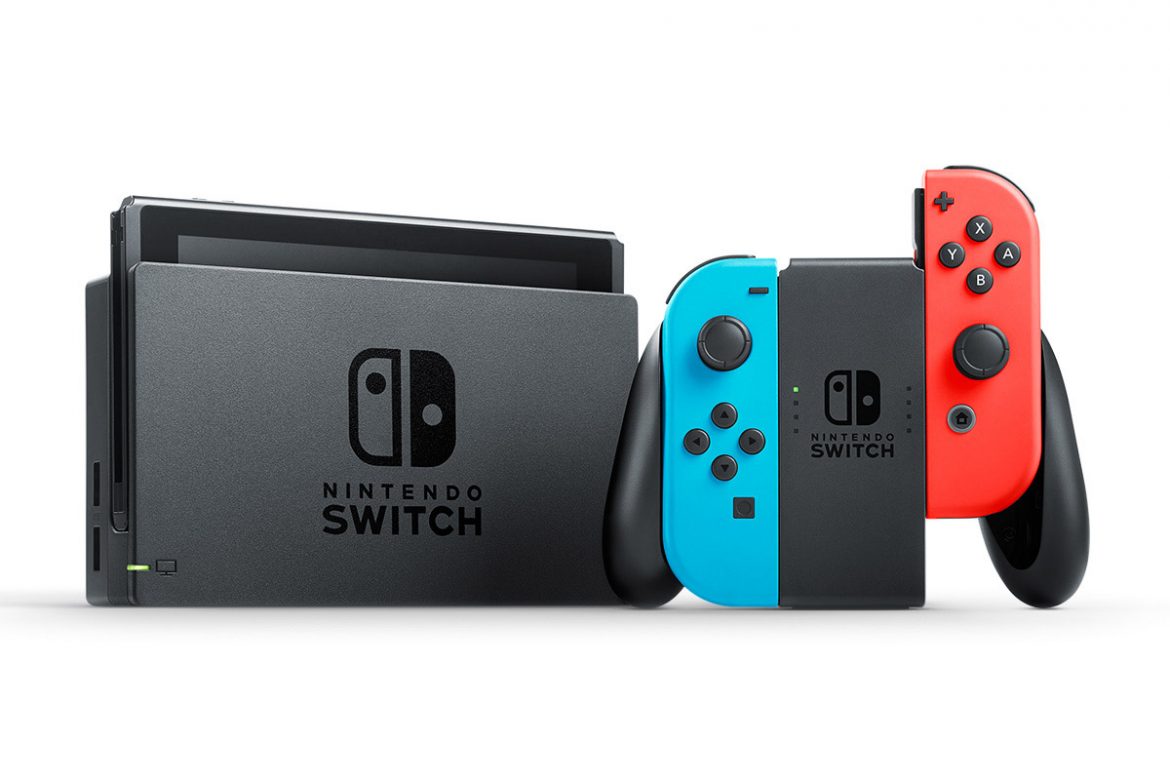
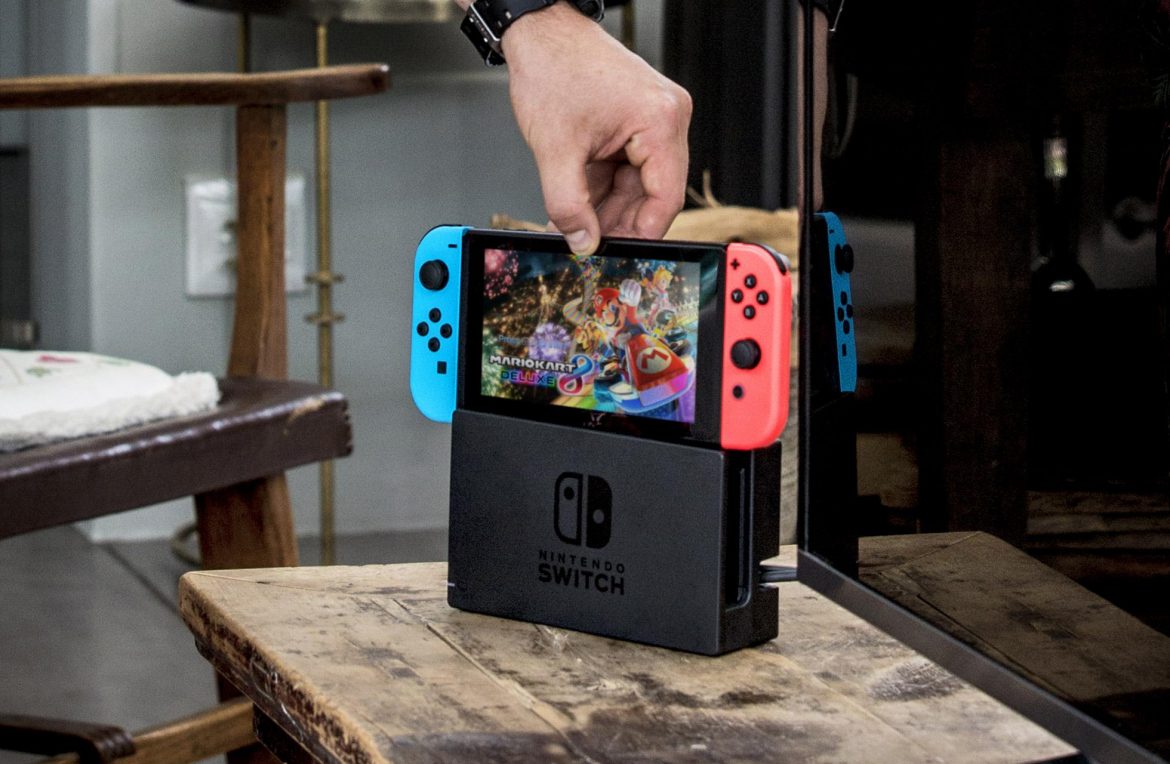
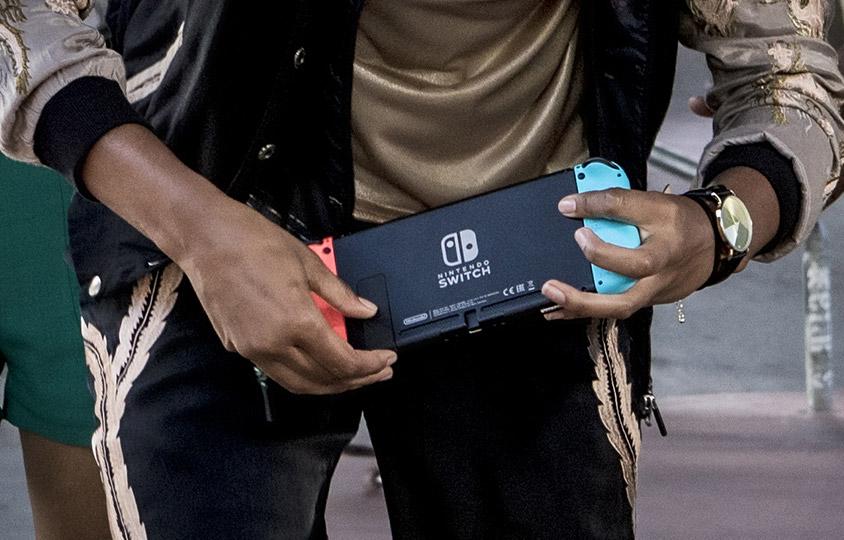
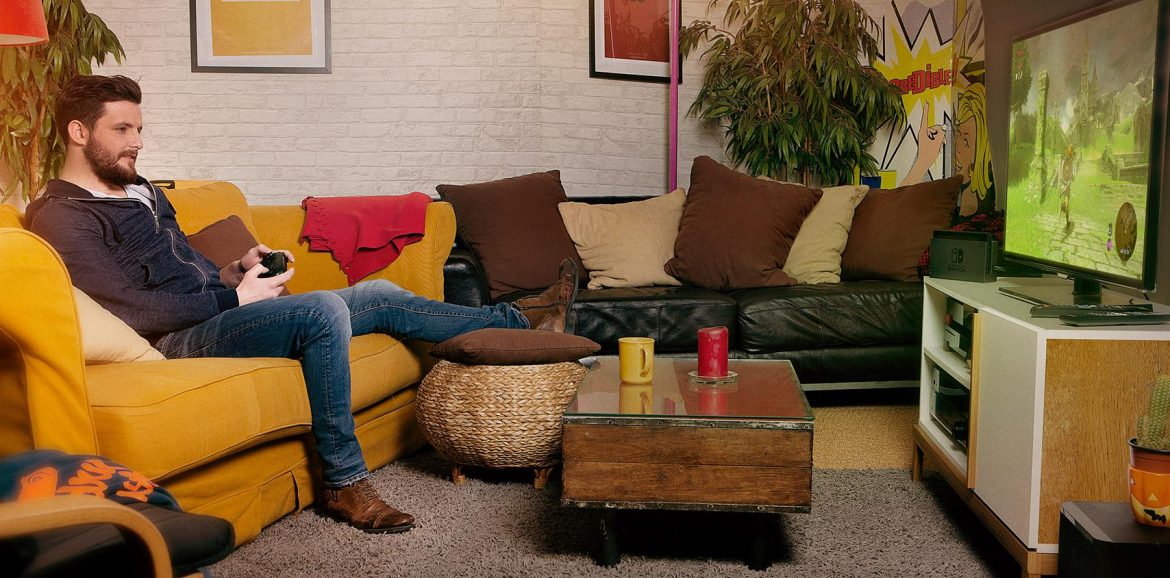
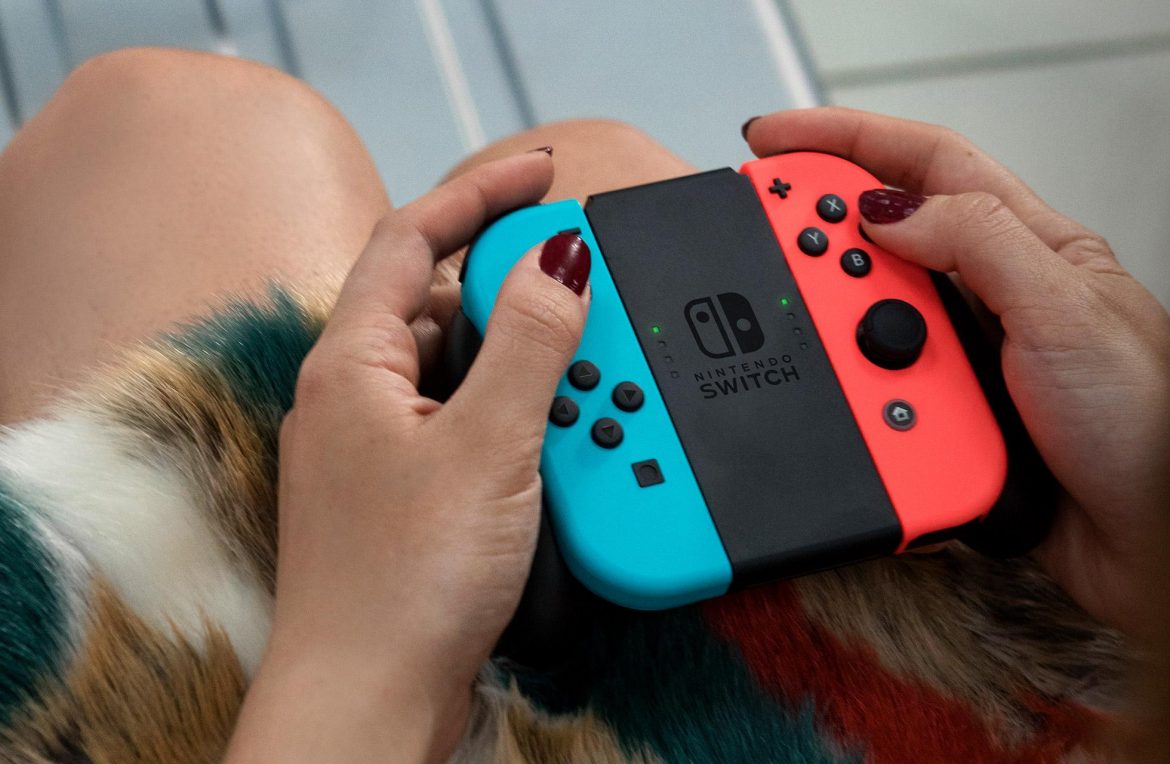
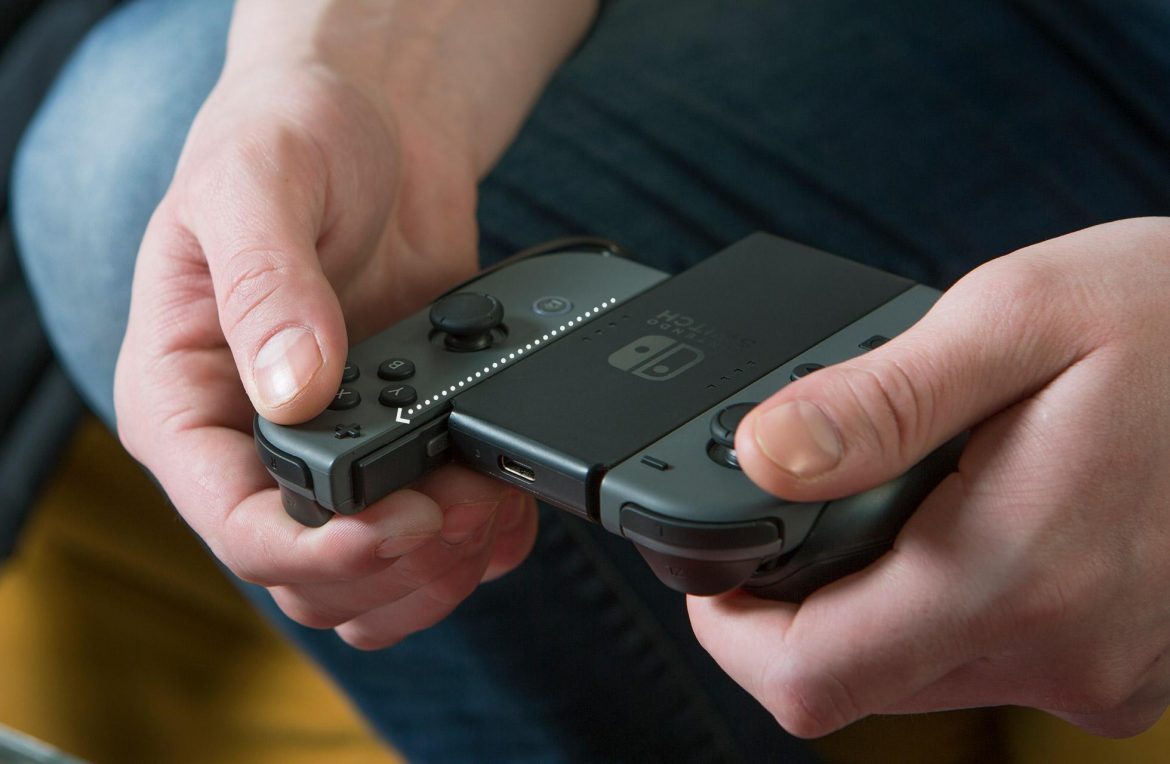
The Nintendo Switch is a gaming machine that is both a home console (which you can connect to your TV/projector/home cinema/external display source) and can be pulled out of its docking station and taken on the go. The main unit consists of a razor-sharp 6.2″ HD touchscreen with IPS technology and 720p resolution, along with all the hardware inside (think of it as a tablet). Included with this is a docking station (which has an HDMI output) that holds the tablet in place when you want to play on an external screen and charges it when you aren’t playing. However, the docking station itself provides no extra power to the Switch—rather the opposite, more on that below. Finally, the tablet is flanked by two wireless Bluetooth 3.0 controllers with NFC—called Joy-Con (in both singular and plural)—which can be attached to the tablet when you are on the move, or detached and used together with the included joypad grip which gives you a more classic game controller, or used separately as a kind of Wii-motes for one or more players. The tablet can also be set up on, for example, a small table using a small kickstand. The Switch thus allows you to freely move the gaming experience between your home, your travels, or if you prefer to sit with the tablet in bed or your favorite armchair in a completely different room. Unlike its competitors, this does not require an internet connection for streaming, as the entire machine is with you. Smart!
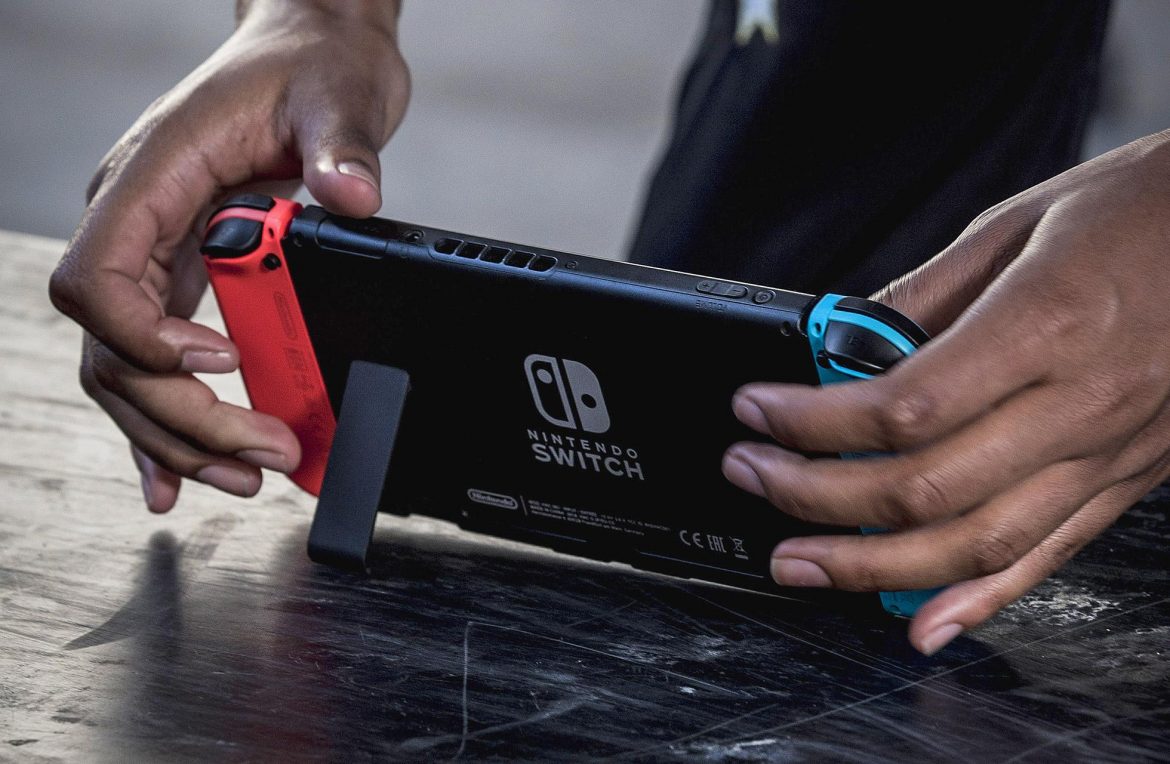
Some might think that the Switch will cannibalize Nintendo’s handheld 3DS XL or is intended to compete with the growing segment of mobile gaming on smartphones and tablets. It is possible that the Switch will be able to challenge this segment. But that is not where the greatness of the concept lies. Switch is a significantly larger and more advanced gaming experience than any other handheld format can offer today—but also a significantly larger and heavier piece than a standard smartphone or a 3DS/PS Vita. In terms of size, the portable Switch is more reminiscent of Atari’s old Lynx, as it is basically as wide and heavy (approx. 400 grams) as the Wii U GamePad (though the Switch is thinner). It is therefore not a console you easily slip into an inside jacket pocket or the back pocket of your jeans. It is absolutely portable in a practical sense, but it is not a surrogate for formats that only do mobile games. No, the greatness lies instead in the fact that Switch gives you a great gaming experience regardless of how you choose to consume it. Portability is not just about playing while traveling; portability is also the freedom to take the exact experience from the TV into another room, perhaps because someone else in the family wants to watch the news or because it’s summer and you want to lie in the hammock and continue your Zelda adventure outdoors. And the irony is also that handheld is actually the best way to experience the Switch. We will get into why shortly.
The technology and specs of the Switch
As mentioned, the Nintendo Switch is based on a modified version of Nvidia’s Tegra X1 chipset. An updated special version of Maxwell is our best guess (nerd alert on that one). Tegra X1 is a solid chipset that has impressed in, for example, the Nvidia Shield, but since Nvidia has struggled to offer decent software, the marriage with Nintendo is a very good match, as few know software as well as the Japanese gaming giant. The quad-core processor sits in an architecture based on technology from 2015, with the modification that the clock speed has been lowered to 1.02 GHz and the graphics card (GPU) is allowed to lower its clock speed in handheld mode, all to save battery (somewhat like what Apple has done with the new Macbook). This is, of course, noticeable in terms of performance, as the Switch receives no speed boost at all in docked mode (other than the GPU being increased from 384 to 768 MHz); on the contrary, it becomes slower as it upscales the resolution from its native 720p (which it runs in handheld mode) up to 1080p. It is a relatively small jump in pure resolution (hard to see with the naked eye) but still a significant strain with roughly a 50-70% increased load on the hardware (along with more graphical effects, see the review of Zelda below), which in some cases results in slightly better-looking games, but also, as a whole, worse performance on an external display.
On the tablet, there is a 3.5mm headphone jack that works fine with all types of wired headphones, but unfortunately, there is no way to connect wireless headphones or even wired ones when playing docked on the TV. Both the Joy-Con controllers and the adapter lack a headphone jack, and even though the Switch clearly supports Bluetooth 4.1, we couldn’t get any wireless Bluetooth headphones to work with the machine—because there is no option to pair them in the system! A lapse in logic, or are official wireless headphones from Nintendo waiting for us? While we are on the subject of Bluetooth, more bad news follows: none of the old Bluetooth devices from previous Nintendo consoles work with the Switch. No Wii-motes, Nunchucks, or—worst of all—our beloved Wii U Controller Pro. The Switch has its own Pro Controller, which costs nearly 800 SEK and which we will return to once we have tested it. Having to pack away the Wii U along with all the fine, expensive accessories that should work with the Switch too feels… unreasonable. Nintendo has vaguely stated that support for old accessories might come later through future software updates. Let’s hope so.
Battery life is a bit of a mixed bag—the Joy-Con controllers have a 525mAh battery that lasts a long time, up to 20 hours on a single charge, which is highly commendable. It’s worse with the Switch unit itself, despite a fairly generous 4320mAh battery. There, the battery lasts about 2.5–6 hours. On average, we landed around 3 hours when we tried the games below, and that feels a bit too short. Charging the Switch fully takes just as long—3 hours—and can only be done in sleep mode, not while you are playing (you can play on a depleted Switch while docked, but it won’t charge simultaneously). One solution is to plug the portable Switch into either a wall outlet (via the included USB-C adapter) or let it draw power from an external battery, a powerbank. In theory, the USB-C adapter is an acceptable option indoors or where you have access to power (for example, on a train), but unfortunately, it is not entirely convenient to move the adapter between the dock (where you clip all the cables neatly in the back) and the portable tablet. The most sensible solution is to get a second USB-C adapter, preferably Nintendo’s original for safety’s sake, and that will cost you about 400 SEK extra at the moment.
Another investment you should prepare for is a microSD card with at least 64 but preferably 128 GB. Like the Wii U, which in its basic version was delivered with a measly 8 GB (where 3 GB was taken up by the system), the Switch’s included 32 GB of microSD storage is on the very low side. After the system is installed (which you must have), there is 25.9 GB left for games. Zelda is about 8 GB, but Dragon Quest Heroes 2 is a full 32 GB and thus won’t even fit on the included card! We understand that as a manufacturer you have to cut costs where you can, but for the price Nintendo is asking, they could have included at least a 64 GB card—about 200 SEK at the time of writing—and since Nintendo buys millions of them, they should be able to get the unit price down quite a bit. And unfortunately, unlike the Wii U, the Switch does not support external hard drives either (at least not at release, but there is a USB port on the back, so we hope for that in the future as well).
Games for the Nintendo Switch
(This section will be updated as more review copies arrive at our office, so check back often!)
The Switch has about ten games at release, if we don’t count SNK’s re-released Metal Slug classics. That is not a particularly impressive figure, especially since some titles are old games such as Skylanders Imaginators, Shovel Knight, and Just Dance. On the other hand, the Switch gets a launch game that could very well be the best launch game of all time…:
The Legend of Zelda: Breath of the Wild (Nintendo)
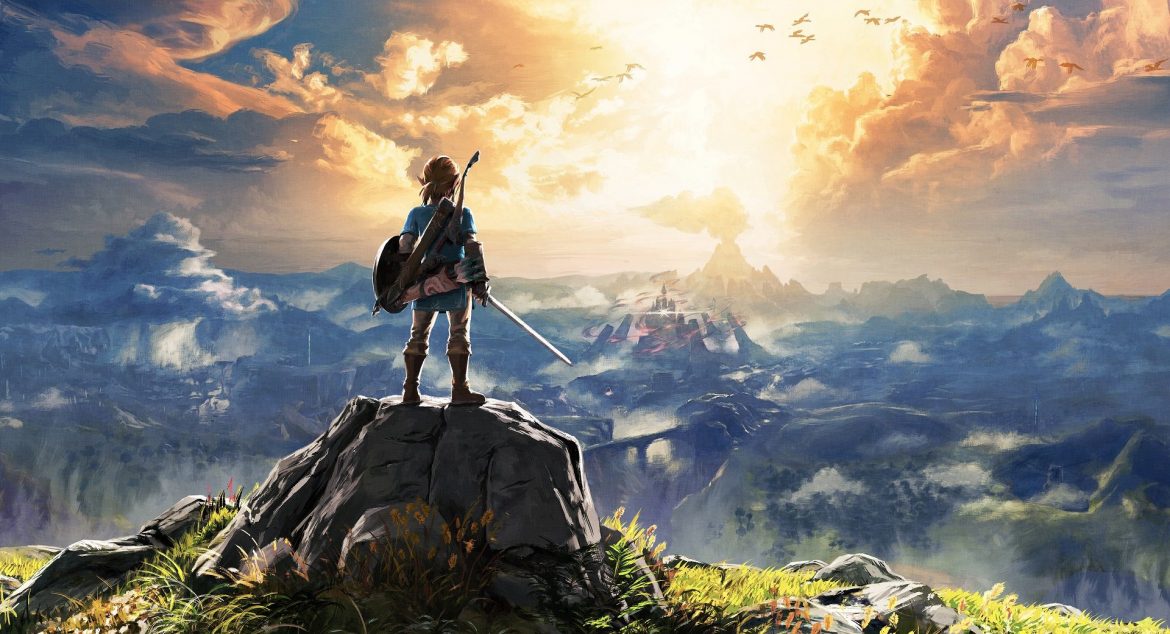
The new Zelda game that has been promised for several years for the Wii U pulls a Twilight Princess (GameCube —> Wii) and is indeed coming to the rapidly dying machine as well, but it must be experienced as intended on the Nintendo Switch! After over 30 years of fantastic games in the Zelda series, Eiji Aonuma retains everything that was magical from Shigeru Miyamoto’s first Zelda game for the NES in 1986 and simultaneously gives us a completely new, open-world Zelda with a focus on role-playing adventure. It is beautiful, magical, quite difficult, and it is something completely new. Gone are the hand-holding and the A-to-B running. Instead, you can get lost for hours in tangents and side paths like just climbing mountains and trees, cooking food, or getting lost in the absolutely enormous world. You can even run straight to the final boss Calamity Ganon immediately (although we don’t recommend it).
Zelda: BotW retains the beautiful cel-shading feel from our favorite Zelda (The Wind Waker) but returns to the more mature design and tone set in Twilight Princess and Skyward Sword. Voice actors have been hired for the cutscenes, and you can no longer rename Link; however, you can name the horses you tame during the course of the game (we chose to name ours after famous politicians).
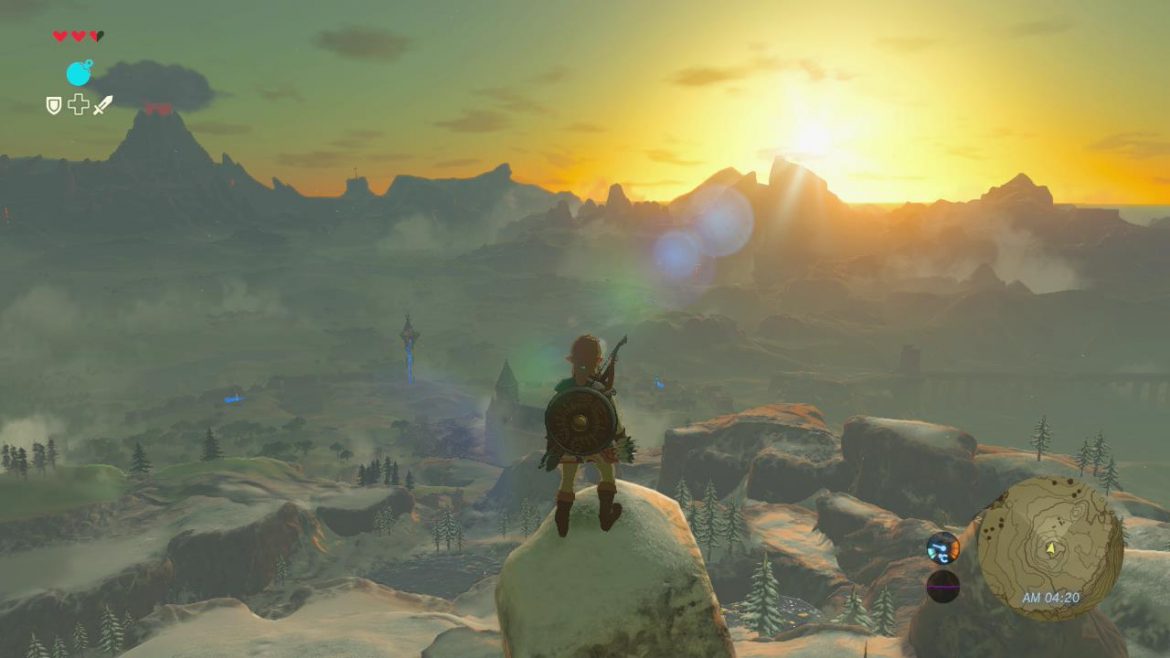
On the technical side, the game plays silky smooth at 30 fps in handheld mode. The graphics are rendered at 720p, and some lighting effects have been scaled down, but nothing that is noticeable on the small screen. When connecting the game via HDMI (the dock), it still runs at 720p, but as the Switch upscales dynamically up to 1080p, there is still a noticeable performance difference. In reality, Zelda stays at 900p, which is practically impossible to distinguish from 720p, even on a giant screen. You get slightly better lighting handling and object effects thanks to the increased clock speed of the GPU, but the price in performance is also felt. The Switch can’t quite handle the onslaught of beautiful open-world graphics, and the game drops noticeably in frame rate from the otherwise stable 30 fps to nearly 20 fps. It happens rarely enough that it still feels acceptable, but it is nonetheless worrying that the Switch’s first game and launch title already has these performance issues. What will happen in a year? How much must games be rebuilt and adapted to work with the Switch? And what will this mean for third-party support if developers are forced to create specially adapted Switch versions of major franchises like FIFA and Call of Duty? Time (and the Switch’s sales figures) will likely provide the answer, but it’s a shame Nintendo couldn’t get Nvidia’s next-generation Tegra X2 into the machine along with a larger battery. Then we must also question the idea of upscaling: if 720p is the Switch’s natural resolution, then let all games render in that and then be upscaled via the display hardware in everyone’s home theater. Now, owners of 4K equipment get two rounds of upscaling—one from the Switch itself and one from the hardware (TV/receiver to 4K)—and that has some negative impact on sharpness and detail.
But if we disregard technical aspects and minor flaws, Breath of the Wild is an enormous, modern role-playing adventure from the masters at Nintendo with over 100 shrines and countless storylines to explore and discover. One of the best Zelda games ever and perhaps the best launch game ever! (Rating 10/10)
Note: Zelda: Breath of the Wild is also available for the Wii U, with the same content but slightly simpler audio and graphics. We haven’t tested the Wii U version yet, so we will return once we’ve had the chance to compare.
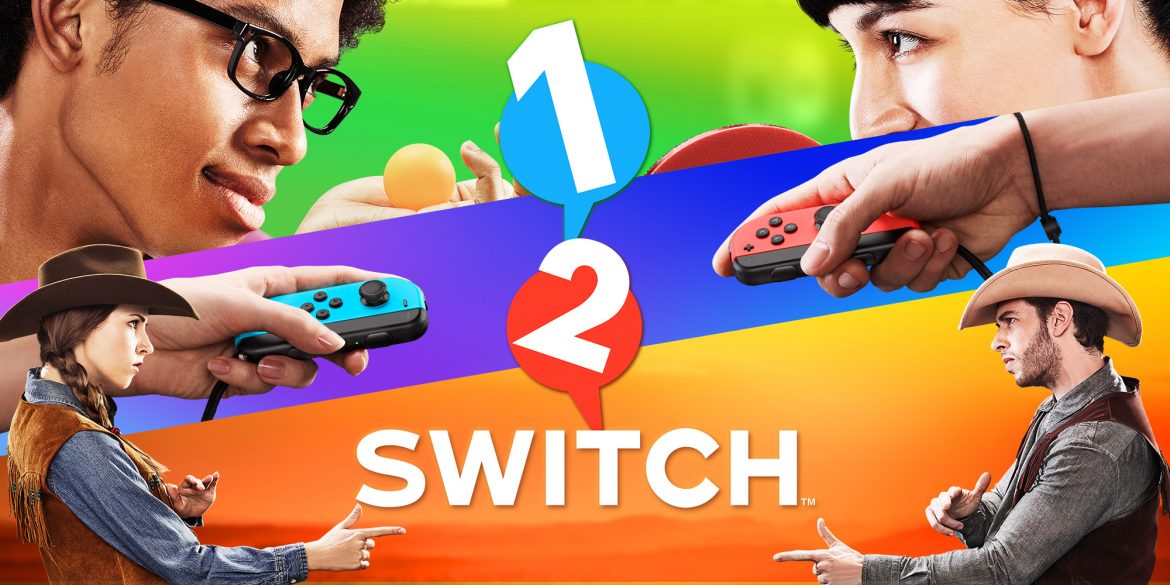
1 – 2 – Switch (Nintendo)
Every format needs a unique launch title, something that shows what is special about that particular format. The Wii had Wii Sports, and the Wii U got the underrated NintendoLand. The Switch bundle includes no game at all, but it is clear that 1,2 – Switch should have been the title that was included (especially since it is Nintendo’s own, so including the game as a digital download code couldn’t cost many pennies). 1,2 – Switch consists of 28 minigames that all involve competing against a friend or several in quick challenges such as a revolver duel, sword fight, milking a cow, shaking a carbonated bottle, and guessing the number of marbles in a box. This last minigame specifically demonstrates the Switch’s incredibly impressive HD Rumble, where the technology has been refined to the degree that you can “feel” the number of marbles rolling around in your controller. Cool! This and minigames like shaking the bottle, cracking the code on the safe, and the sandwich-eating contest are likely to be big favorites at upcoming office parties (especially with a few drinks under the belt) and surely provide many laughs. Then, unfortunately, there are quite a few pointless offerings as well, such as the crazily annoying minigame where you have to put a screaming baby to sleep, or the rather bland guessing game Baseball, as well as the questionably entertaining Beach Flag (where you have to run on the spot as fast as you can).
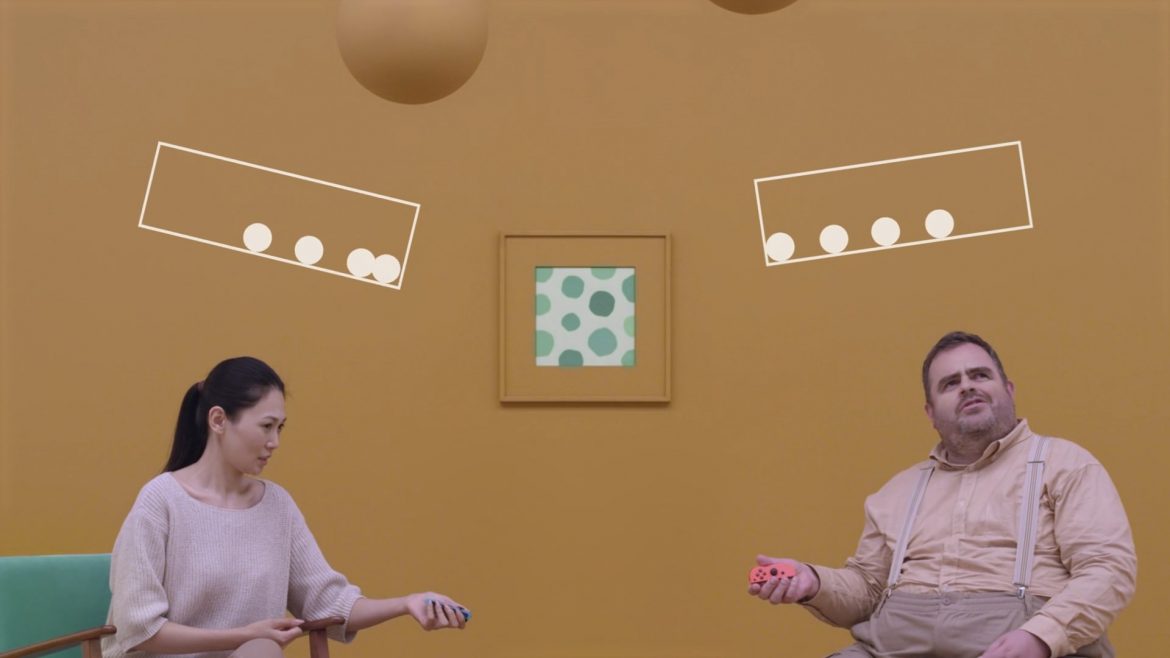
1-2-Switch is quite simply a tech demo and a good one at that, but why it costs 400 SEK instead of being included is a great mystery. Nintendo has to market its new machine, and what better way is there than to include an easy-to-play party game, as they have always done before? The risk is that in the long run, being penny-wise will be pound-foolish, and we bet that 1-2-Switch will soon be bundled with the console (or by retailers themselves). It’s doubtful if 400 SEK extra is worth it for a party game with rather shallow gaming experiences that are more a showcase of the Joy-Cons’ excellence than a proper gaming experience. (Rating 5/10)
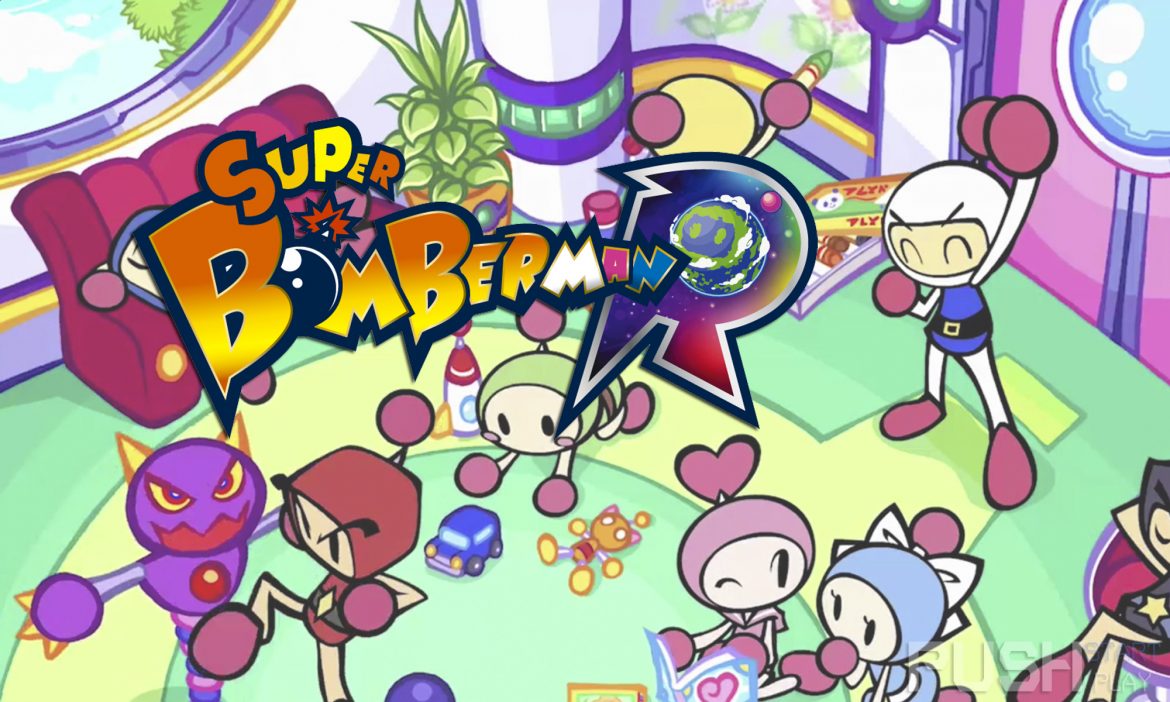
Bomberman R (Konami)
Bomberman is a true classic with which then-developer Hudson Soft (now owned by Konami) had a huge hit during the Super Nintendo era (1993). A plethora of sequels later (this is actually the 33rd game!), Bomberman largely retains its multiplayer charm even today. Being two or more players is genuinely fun, and we can warmly recommend gathering some friends (preferably the maximum number, eight people, with their own Joy-Cons) to experience a fun and really intense deathmatch with plenty of exploding bombs and close-call evasions.
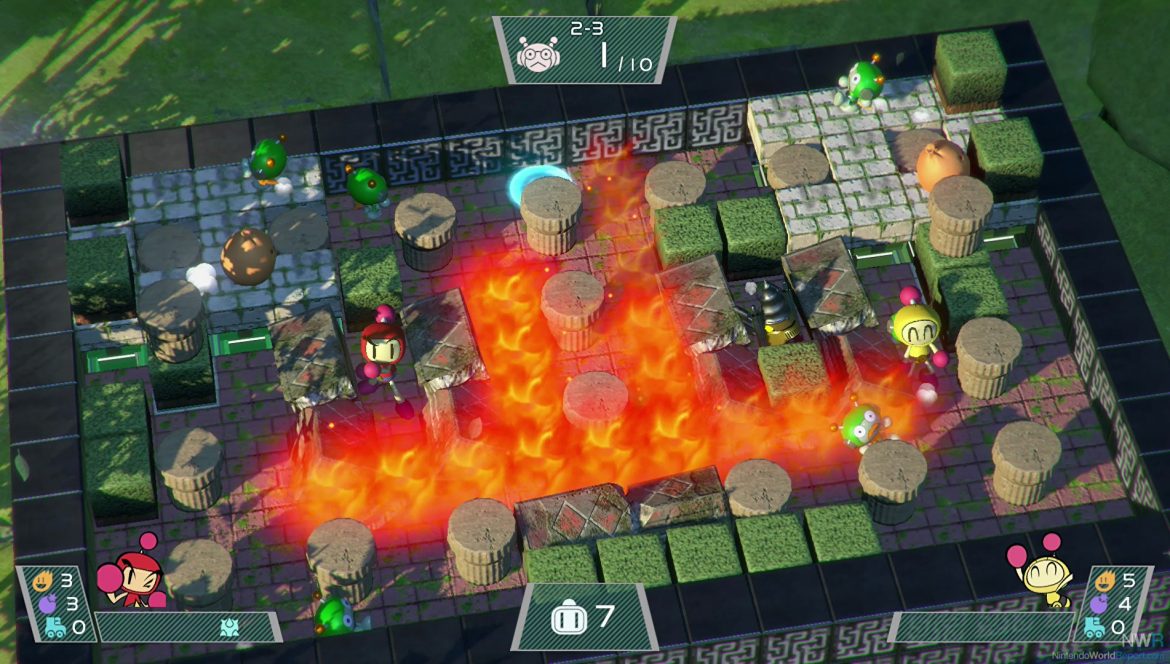
Bomberman R offers a single-player mode and a sort of story campaign where you face bosses at the end. It’s fun—at least for a little while—and Bomberman has never looked this good, graphically, on any console. But the price tag of around 500 SEK for a game that is essentially the same game we’ve been playing for nearly 25 years is too much to ask. 250-300 SEK would have felt reasonable for a fun multiplayer game, but Bomberman R is not filled with enough new content to justify the price. The fact that the online mode is also incredibly slow doesn’t help matters. Our tip is to buy it when it gets cheaper. (Rating 5/10)
Update 1.3: With this patch, Bomberman R now supports 60fps on Switch, which has been highly anticipated and gives the game a much better and more familiar flow. But the frame rate comes at a price—at the same time, the resolution has been lowered so that it becomes noticeable on a large screen. Now, we do think, after all, that 60fps is usually worth a slightly lower resolution. But since Bomberman R is not a very advanced game either in terms of gameplay depth or graphics, it once again raises a small question mark as to whether the Switch might be somewhat underpowered in its specs?
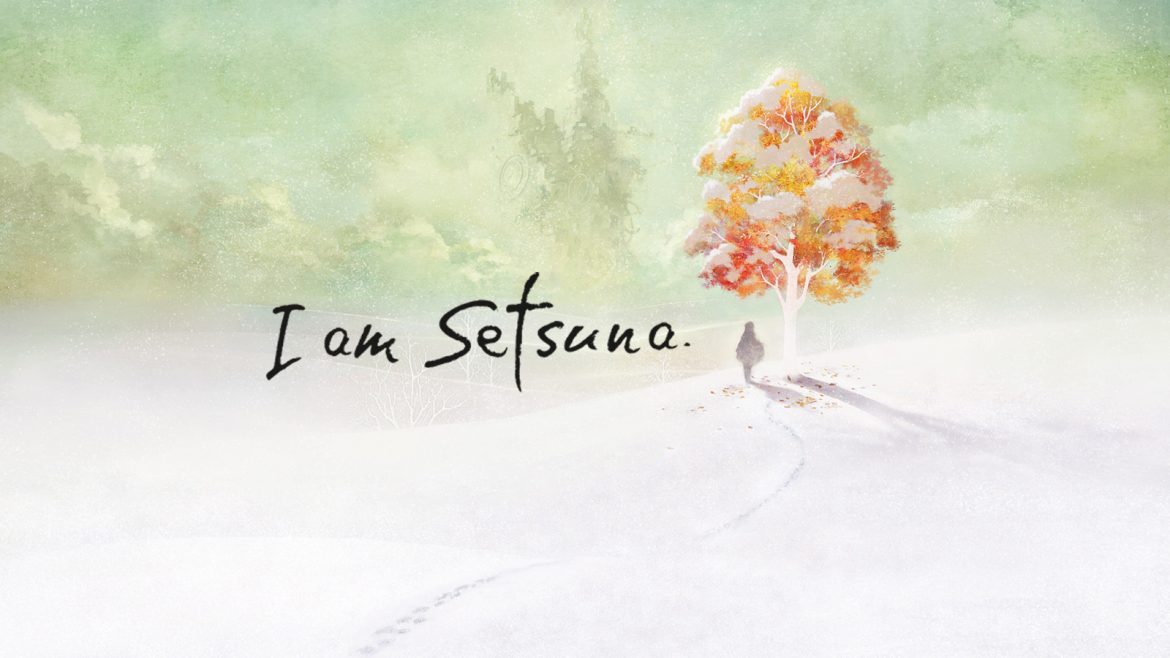
I am Setsuna (Square Enix)
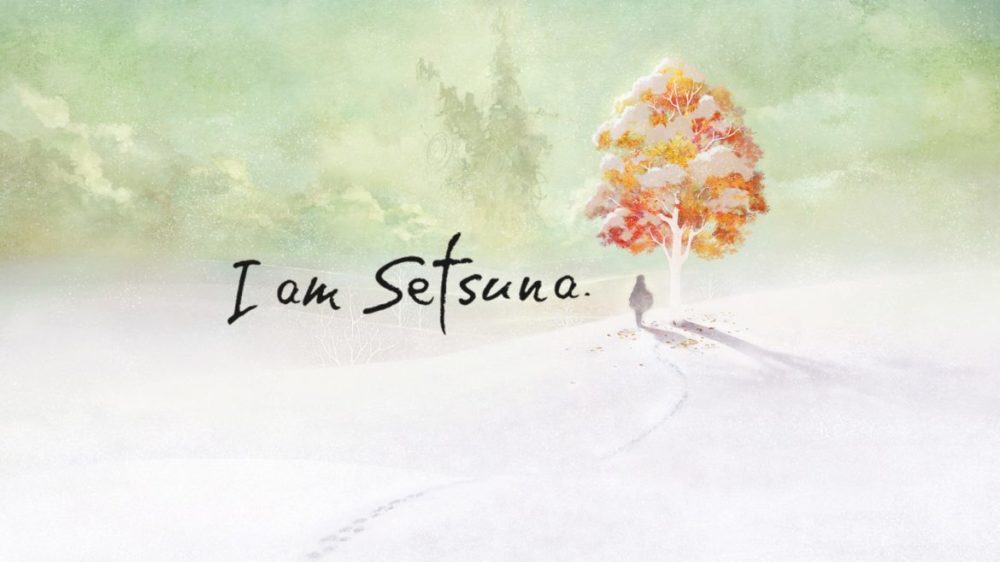
It is pleasing to note that Square Enix, like Nintendo, hasn’t forgotten its roots either. In these days when we get lavish, modern JRPGs like Final Fantasy XV (from the same studio), we can still conclude that the passion and love for classic Japanese role-playing games like Final Fantasy VI (VII) and Chrono Trigger is very much alive. I am Setsuna has a melancholic retro charm and is well-framed by the Switch’s fine screen and audio reproduction. The beautiful soundtrack is wonderful to enjoy in your favorite headphones, and even if you should turn off the tedious shouts during battle, there is a moving and slightly epic story here.
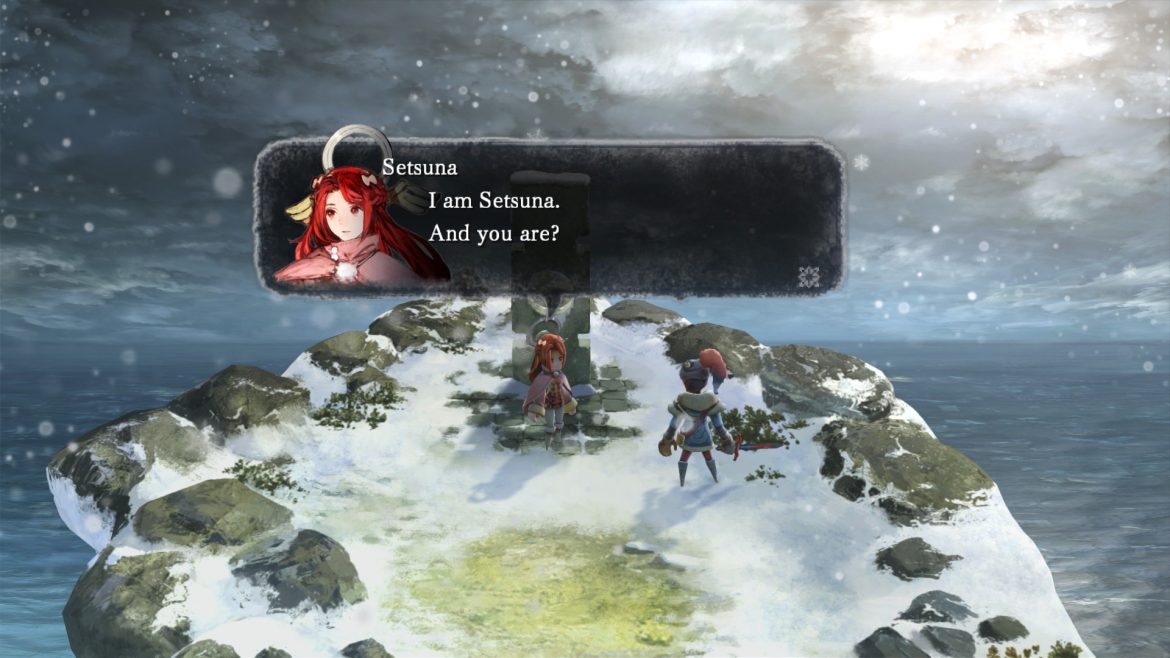
The game has a dramatic and slightly sorrowful tone, and it doesn’t fall into comic relief or other digressions, which we have seen in similar works such as the otherwise very fine Bravely Default. The menus and the analytical battle system are exactly as you remember them, and if you don’t remember them, they are relatively easy to learn, unless you are impatient and have difficulty reading the short instructional texts the game gives you. Clearly, this is a role-playing adventure that will mostly be loved by those who played JRPGs in the nineties, but all other fans of the genre should also take a closer look. For even if it’s not the grittiest or most spectacular graphics and presentation, there is a fine story here with touching human destinies that works well on the Nintendo Switch. It’s just a shame that the Switch version has to settle for 30fps when the PS4 version has 60fps. We believe the Switch hardware should also be able to handle 60fps on a game like this. (Rating 7/10)
Just Dance 2017 (Ubisoft)
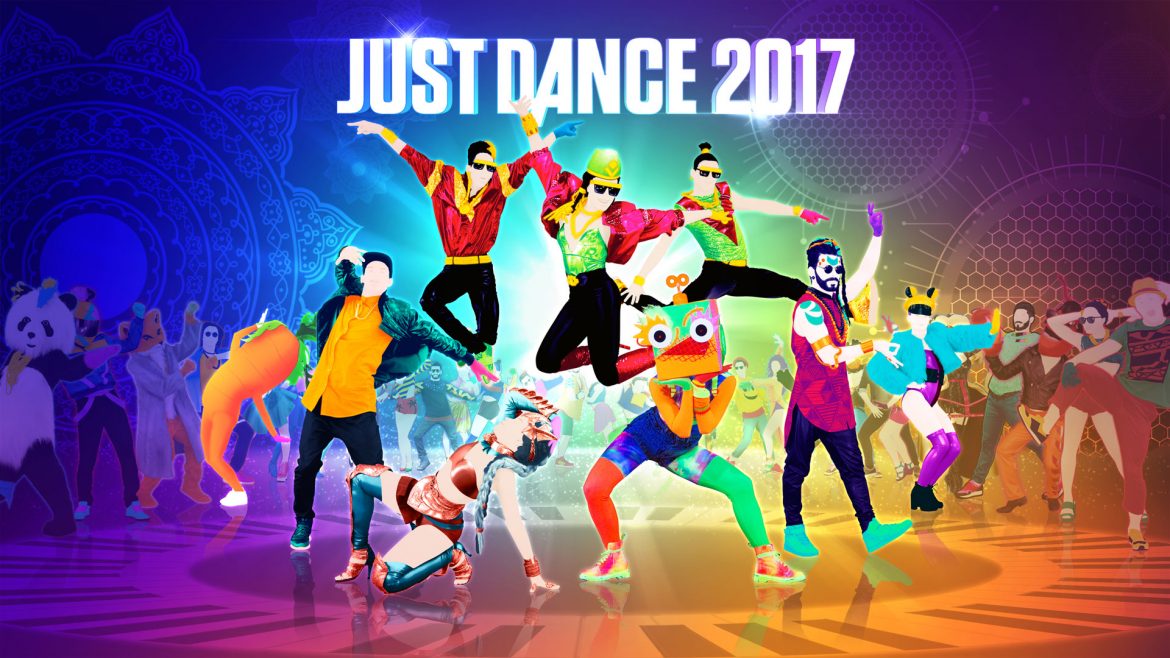
The immensely popular Just Dance series has only gained a larger and larger fanbase ever since its debut in 2009. It appears in movies and in pop culture references. The game is physical and involves the player performing various movements and poses following dancers on the screen to a chosen song. Points are then based on the player’s skill. It is intense, engaging, and often sweaty when jumping around to party hits like Dragostea din Tei. Just Dance 2017 was released last fall for all major formats (even Windows, for the first time), and the Switch version contains the exact same content. This includes the subscription service Just Dance Unlimited, which you get for free for 90 days when you install the game. For the truly brave (or exhibitionist-inclined), there is also the Just Dance TV mode, where you can post your living room dancing for the whole world to see (!)
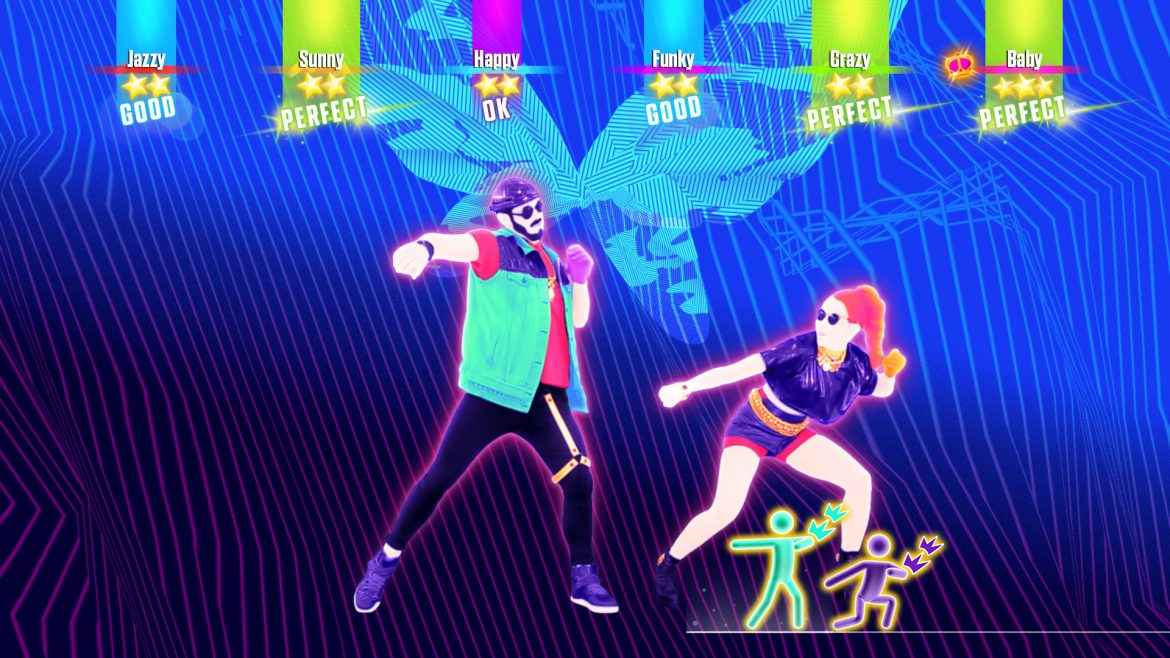
Just Dance is, in addition to being a very physical and rhythmically developing game, also great for fun exercise at home and a fantastic party starter! It is simple and direct enough that anyone can start playing immediately (just mirror your character’s movements on the screen), but it is also precise enough that you can compete in it for real and go full-on dance-off against your best friend/rival. Extra points for the game having good smartphone support, so friends who lack Joy-Cons can connect their smartphones, which read the movements instead (please, hold tight to the phones, there’s a lot of waving!).
Unfortunately, Just Dance 2017 for the Nintendo Switch is more expensive on Nintendo’s new console than it is on other formats. The Switch is new and likely needs to bring in development money early on, and despite the game cartridges costing more to manufacture for the Switch than a standard DVD, it feels strange to have to pay more for a product that doesn’t offer anything extra on that particular format. Again, a game that should ideally be enjoyed with others, but as an extra “gym membership” in single-player mode, it’s actually not bad exercise to mix into your routine once in a while! (Rating 7/10)
Vroom in the Night Sky (Poisoft)

Even the Nintendo Switch gets its own small indie games (“Nindies”?) that cost very little (in this case 79 SEK) but which are also smaller works created by one or two people. We hope that the Japanese Vroom in the Night Sky is not representative of upcoming Nindies… The game basically involves flying around on a magical vehicle (a bike, a broom, etc.) while collecting stars and avoiding the competition. Aside from the fact that the game, in terms of experience and sense of speed, isn’t something that will give you much of an adrenaline rush (rather the opposite), and that it all looks like something created in a simple game editor on Playstation 2, the game is also incredibly messy in its menus and settings. The buttons are reversed compared to Western games (thankfully this can be changed, but it takes a while to figure out), a tutorial is offered but cannot be selected (?!), and the English is at a comical level (purchased units are marked as “buyed!”). All of this might be charming if the game were actually fun. But it isn’t. It’s ugly, slow, and incredibly primitive. And a completely inexplicable dialogue takes place during the game that you don’t understand a bit of. I thought Nintendo had higher quality standards than this; just because a game works and isn’t buggy shouldn’t automatically qualify it for the eShop.
Sorry, Poisoft, even for 80 SEK, this isn’t something any sensible gamer would want to touch with a ten-foot pole. Perhaps something for the very youngest who need something super simple to get started with, which is also child-friendly. But otherwise, it unfortunately feels quite poor in every way… (Rating 2/10)
Competition and potential
One can discuss if and in what way the Nintendo Switch has competition from other game consoles. In a way, it is inevitable that one—as always—compares it against the two competitors Sony Playstation 4 (Slim) and Microsoft Xbox One (S). The Nintendo Switch is a performance-wise inferior, significantly more expensive machine (nearly twice as expensive at 3,700 SEK compared to the other two which you can get for 1,990 SEK each), and with only a handful of games versus hundreds already released for PS4 and XB1 (and that’s not counting the 100+ Xbox 360 games that can be played via backward compatibility…). Here, it becomes difficult to justify an obvious purchase or recommendation over the competitors. Yes, Zelda: BotW is fantastic, but you can actually play it on the Wii U too and not have to invest 4,500 SEK in a Switch, memory cards, and accessories. Fantastic games such as Splatoon 2, Mario Kart 8 Deluxe and not least—a new Super Mario (Odyssey)—loom on the horizon later this year, but the question remains whether you need to buy a Switch right now?
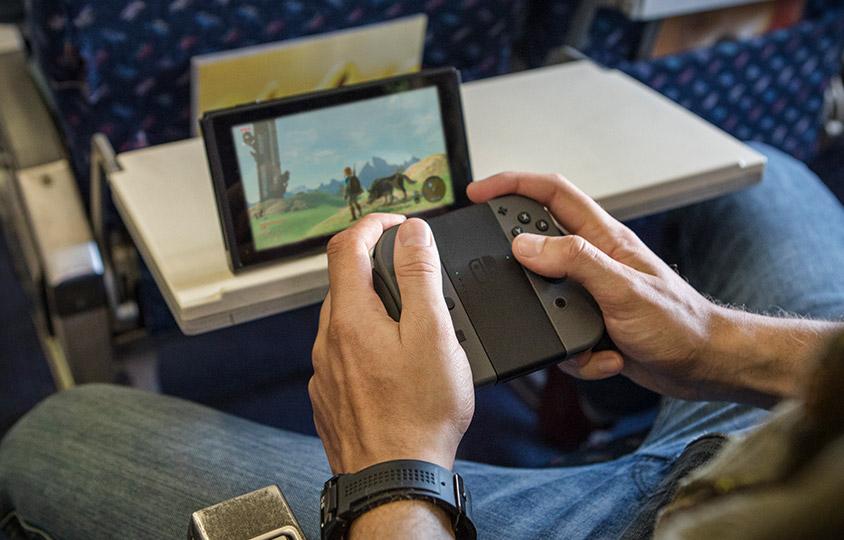
Compared with mobile gaming, we have a completely superior machine here that handles gaming experiences no other portable format even comes close to. Perhaps one should look at the Nintendo Switch the other way around—as a portable machine with the option to connect to a large screen (think PS Vita – Playstation TV)? Then we are talking portability with premium AAA gaming experiences that cost like a full-price console game (approx. 649 SEK) versus simpler mobile games ranging from F2P up to Nintendo’s own most expensive game, Super Mario Run (109 SEK). At the same time, this isn’t a really good comparison either. Many mobile games are made to be enjoyed a couple of minutes at a time while waiting for the bus or sitting on the train. You can play Switch games in five-minute chunks, to be sure, but what’s the point? And how much are you prepared to pay for such a fragmented experience?
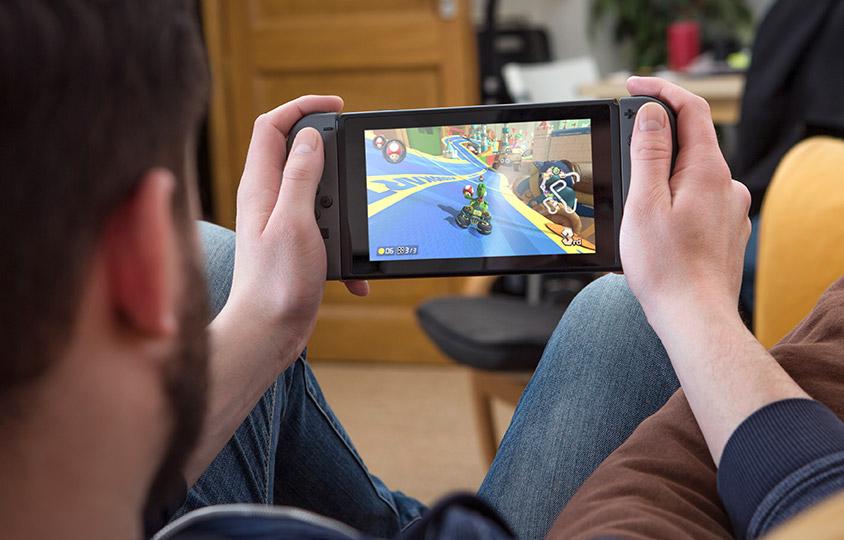
Therefore, we see the Nintendo Switch as something else entirely, something quite unique. A machine that is a stationary yet simultaneously portable console offering full-fledged console gaming experiences. And it is up to Nintendo now to step up and pump out quality titles that are unique, as well as attract and secure developers who see the potential, not the limitations, of the format. The install base will also be a decisive factor: the Switch had a great release, as machines were in stock almost worldwide and the console broke records in several markets as the largest Nintendo launch ever, including in gaming-crazy Sweden and the USA. At the same time, figures in other markets, such as Japan and the UK, are also good but somewhat more modest, as the Switch only sold a third of what the PS4 did during its release weekend in the UK. Analysts predict that the machine will sell 40-50 million units during its lifetime, which is significantly better than the poor Wii U (which barely managed to reach 14 million – but we love it here at the office anyway!) but at the same time, it is far behind the massive success of the Wii, which sold well over 100 million. With this positive start and the fantastic Zelda game, the Switch has an enormous amount of potential, but its future success will be decided toward Christmas 2017 when we know how much it has continued to attract an audience and the new Mario is hopefully in place. Unfortunately, Nintendo is not immune to delays, as we have seen not least with the latest Zelda, so this year the promised games must appear if there is to be real momentum.
The Switch will grow once the teething problems are gone
This is an extensive review and analysis of the Nintendo Switch, its technology, and its first games. It’s clear that we find it a very exciting machine with a unique selling point (portability) and an incredibly good launch game. But, in addition to the questions we raised above, there are a few clouds on the horizon. First and foremost, the price—3,700 SEK is a bit too high. 2,995 SEK would have felt psychologically important and closer to the EU price of 300 Euro (which corresponds to about 2,900 SEK at the time of writing). Then you need a larger memory card (eventually, at least; downloaded games are so much easier to handle and more economical in terms of storage space in the house), at least one game to get started with (400–650 SEK), perhaps a Pro Controller if you are a serious gamer (800 SEK), and on top of that possibly a powerbank (200–400 SEK) and an extra USB-C charger (400 SEK). We are then talking about a total investment of at least 4,000 to 5,000 SEK. That’s quite a lot of money.
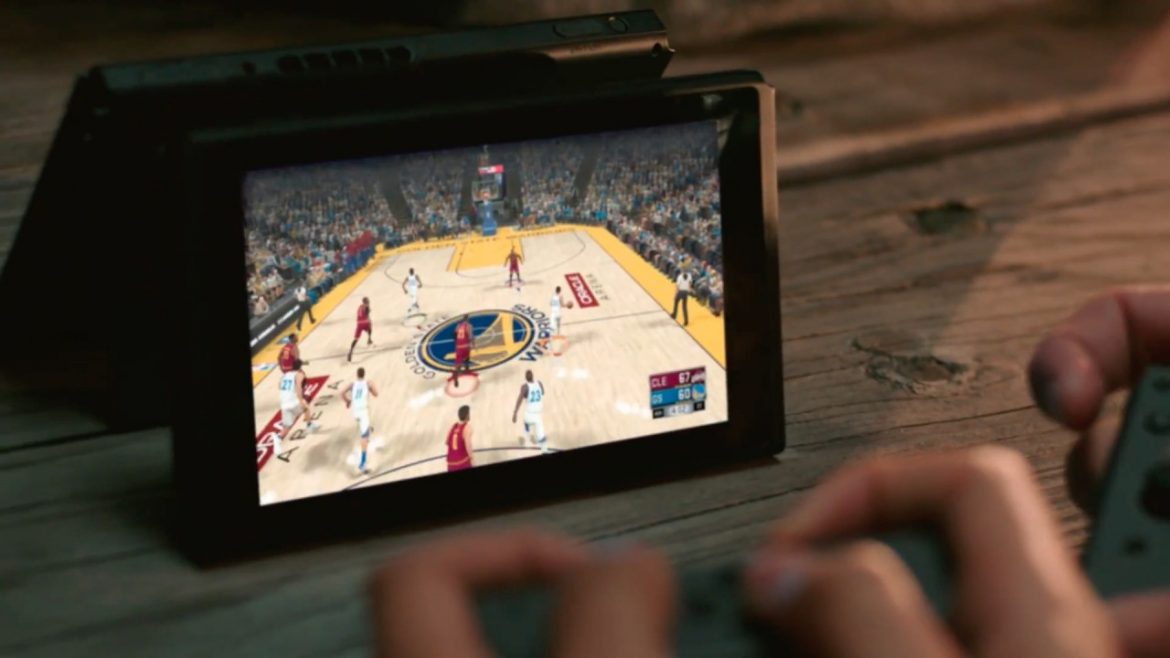
Nintendo has an online service in the works which will cost money and offer temporary “free games”—similar to PS Plus and Xbox Gold. The details remain to be seen as the service hasn’t launched yet. Furthermore, it is promising that the Switch is rumored to get classic GameCube games in the Virtual Console service, but this is also not active now at release. It also looks like the Virtual Console games you bought for previous formats will have to be purchased again, which doesn’t feel fair. We hope for a substantial discount for those who have already paid once. We also miss apps like Netflix to enjoy on the tablet’s fantastic screen. This is also something that should come later, according to Nintendo.
Finally, there have been sync problems with the Joy-Con, especially the left one (something we also experienced; despite the Day 1 update that made the problem somewhat better, it is still not completely resolved). Hopefully, this is something that will be fixed with future firmware updates. Nintendo says that other wireless devices can interfere with the signal, and that is very possible. When we set the Switch completely by itself without anything around it or between us and the machine, everything worked better. But it shouldn’t be that way—Bluetooth is a proven technology that has been with us for over ten years, ever since the PS3 era. Such high sensitivity to interference is not quite acceptable; this must work better and more reliably. And finally, there have been (unconfirmed) reports of users having problems with dead pixels on the touchscreen. If this is true, it is further stain on the record of this somewhat dented launch.
Final verdict and summary
With the Switch, Nintendo has realized an ambition they seem to have had since 2012 and our beloved Wii U: to create a true hybrid console; a machine that performs as well on an external display as it does portably. While the Wii U only became semi-portable (you could stream to the GamePad within a certain distance in the house via Wi-Fi), the Switch is a truly versatile machine. As a handheld device, it is unbeatable and offers gaming experiences that no one else can challenge today—either in terms of technology or quality (have we mentioned that Zelda is fantastic?). As a stationary console, it doesn’t shine as brightly, and we almost wished for an HDMI port directly on the tablet as well, so that one could easily take it along and plug it into any HDMI-equipped display source without a dock that doesn’t serve much purpose other than being a stand that charges (which you can do directly on the tablet through a USB-C charger). It will be an incredibly exciting year following what Nintendo has to offer (and if the long-awaited games come out on time) as well as how third-party manufacturers view the Switch. The start is promising, if marred by some teething problems that we hope will be corrected along the way. Whether the machine is a must-buy right now is something only you can decide; in any case, we are happy to be able to enjoy Zelda in the best way possible today. But it’s a given that the Switch will become cheaper, perhaps better packaged (with more memory and/or 1-2-Switch), and will evolve in terms of software in the future.
Kudos to Nintendo for daring to think differently and for bringing this to fruition! Now we wait with excitement for what is to come in terms of games. And you will, of course, read about it here on senses.se!
Ready to join the Switch owners club? Buy Nintendo Switch with accessories here at a great price and support senses.se at the same time.
Review Highlights: Q&A
How long does the battery last on the Nintendo Switch?
The Nintendo Switch unit lasts about 2.5 to 6 hours on a single charge, averaging around 3 hours during gaming tests. Charging the console takes 3 hours and can only be done in sleep mode, not while actively playing. In contrast, the Joy-Con controllers provide up to 20 hours of battery life.
Can I connect Bluetooth headphones to the console?
No, wireless Bluetooth headphones cannot be paired with the console, as there is no option to pair them in the system settings despite Bluetooth 4.1 support. Wired headphones can be used via the tablet's 3.5mm jack in handheld mode, but not while playing docked on a TV.
Can I use controllers from the Wii or Wii U with the system?
No older Bluetooth devices from previous consoles work with the system, including Wii-motes, Nunchucks, and the Wii U Controller Pro. The console requires its own controllers, such as the included Joy-Cons or the dedicated Pro Controller.
Do I need to buy an extra memory card?
The console includes 32 GB of internal storage, but only 25.9 GB remains available for games after the system installation. Because larger titles exceed the onboard capacity, adding a microSD card of at least 64 GB or 128 GB is recommended.
Does the dock improve the graphics performance of games?
Docking does not improve overall performance. While the GPU clock speed increases, upscaling native 720p resolution up to 1080p puts a 50 to 70 percent higher load on the hardware, which can introduce noticeable frame rate drops during gameplay on an external display.