
TL;DR
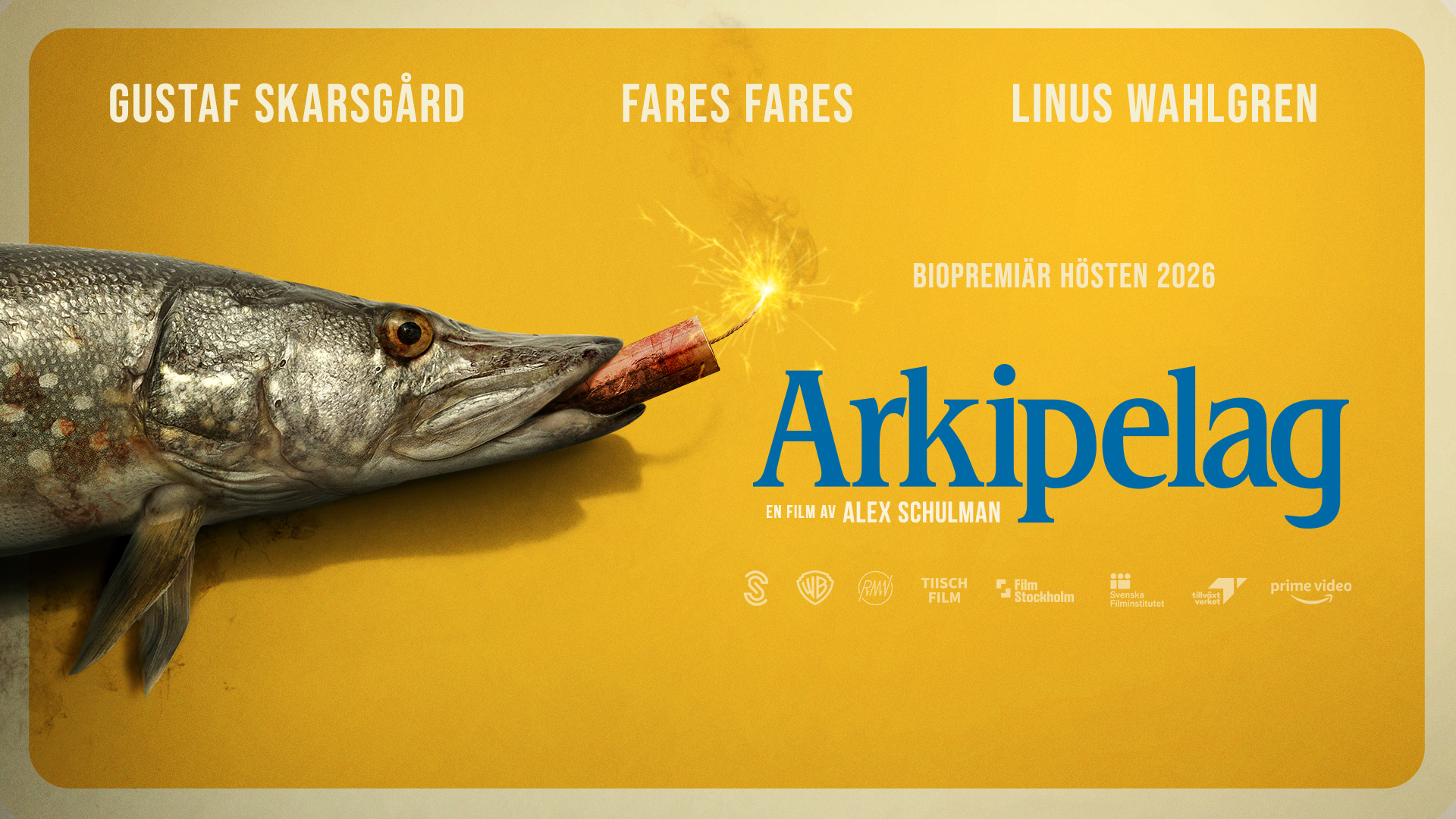
Arkipelag is Alex Schulman's directorial debut, following three fathers accompanying their daughters on an archipelago school trip. The film excels at crafting intense anxiety, shocking drama, and sharp performances from both adult and youth actors. It is hindered slightly by occasional faltering dialogue, visually dark nighttime scenes, and rushed character shifts. It is compelling for viewers seeking an unsettling, dark drama, while those wanting lighthearted entertainment should skip it.
Sweden’s Oscar entry has landed. To the chagrin of many. For who the hell is Alex Schulman to leave the podcast studio or writing den to step into the film industry as a directorial debutant and get a free ride to a potential Oscar for Best Foreign Language Film? That has apparently been the tone among established people in the industry. I can perhaps understand it to some extent, while it also says a lot about this tedious, Swedish Jante Law attitude. Everyone is a debutant at some point, right? I made my novel debut nearly eight years ago, and if I had chosen to listen to critical voices about following dreams or making a living as a professional writer, I would have stayed in an industry that was never mine. But sure, of course a big name like Schulman gets a large budget, famous names, and plenty of opportunities. Whether the film company believed most in the idea or jumped on board because it would be a guaranteed success—an event with his name as the draw—I cannot say, but whatever. Many surely expected a flop, a dive into shallow water ending in a broken bone or something. But now it’s here. The critics have begun to weigh in and—Arkipelag seems quite promising after all, doesn’t it?
So, what is it about? In Arkipelag , according to the description, tense drama is mixed with dark humor. Gustaf Skarsgård, Fares Fares and Linus Wahlgren play three fathers accompanying their daughters on a school trip to hell. Stranded with a rowdy middle school class on an idyllic archipelago island, they are reminded of their own teenage traumas. Just like the youth, they are soon forced to realize how difficult it is to draw the line between play and dangerous power struggles, and to distinguish victim from perpetrator. There you have the plot summarized. The first thing I want to point out is the humor. There are a few places where you laugh. Especially during the parent meeting in the opening scene. The “ginger” joke is perfectly timed and makes me laugh out loud. You’ll get it when you see it. Otherwise, this is a film that, in my world, is extremely stripped of humor. It’s mostly darkness, big emotions, and both adult and teenage anxiety all the way through. Or maybe I’m missing something. No offense intended. I wasn’t expecting a straightforward dramedy, and that is far from what we are served here.
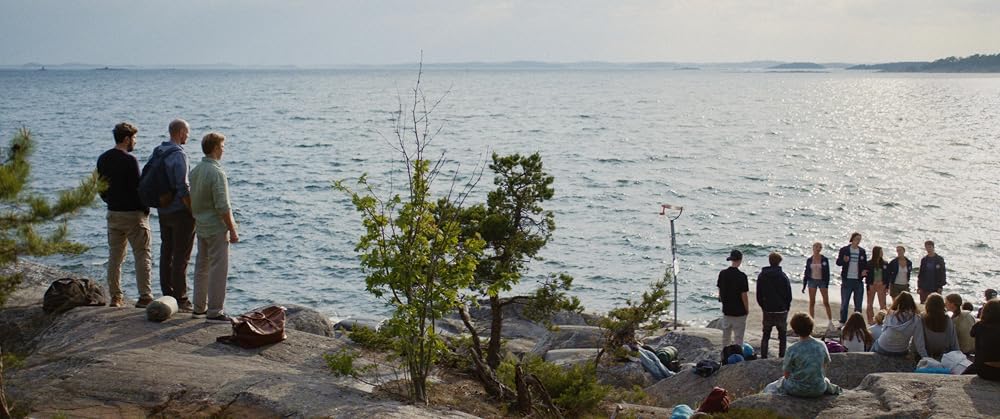
The acting works well overall. The roles are clearly defined. Gustaf Skarsgård’s character Bill tries to improve the connection with his daughter in an almost desperate way while failing to maintain discipline among the youth. He carries a fragility—and a darkness—that is noticeable early on and serves as the film’s emotional pulse. Skarsgård does it well, as always. Fares’ Bobo, who is the macho dad, the alpha male, offers perhaps the best performance, at least among the adults. Linus Wahlgren’s Pontus, the fit dad who has a bit too much of an eye for one of the young leaders and doesn’t hesitate to talk inappropriately about children’s sexuality, is also wonderfully uncomfortable. He’s good, but not quite as confident as his co-stars. The youth also do very well. A few performances stand out a bit extra. Perhaps primarily Olof Olingdahl as Kenneth, the bullying victim who carries a darkness all his own.
A recurring problem with many Swedish films, for me personally, is the dialogue. And the delivery of it. It often becomes stiff and strange, and many films contain lines that simply don’t feel natural. That’s where I think Arkipelag stands out. There are some scenes that perhaps work better on paper than in the finished production, a few exchanges of dialogue that falter. Among them is the dialogue about the sunrise that Bill has with his daughter Ester, which feels both a bit forced and ill-timed, and Pontus’s sleazy talk about pubic hair where both the delivery and the sentences themselves grate. And Olivia’s little nostalgia trip regarding a former leader named Manne that says something about both her situation and a certain character, but almost becomes unintentionally comical. But aside from these examples, I think the majority of the dialogue is very well-written—and the delivery is mostly spot on. There are very few cringe-worthy moments.
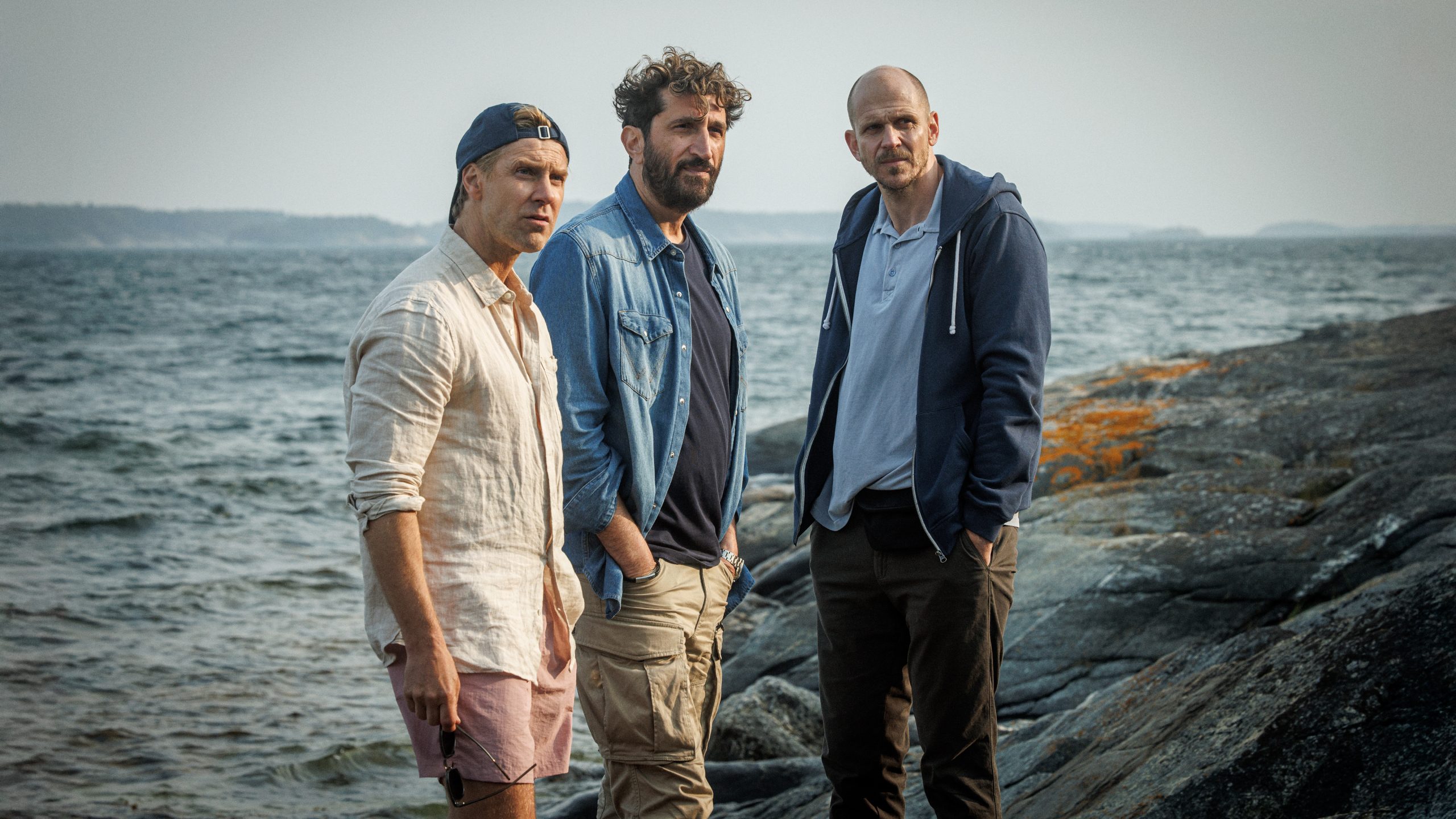
Some of the scenes set in the evening and at night are a bit too dark, and I’m not talking about the tone but the actual image. But overall, Arkipelag is a really handsome production. The anxiety is bobbing on the surface from the start and it grips me as a viewer. You realize that things are going to go completely south, and that makes you sit in suspense waiting for the scales to tip. They really succeed in building up the unease through a team effort of direction, acting, dialogue, cinematography, editing—and the music that amplifies the sense of dread in your stomach. There are some scenes here that are exceptionally strong, one that is downright shocking. Really well done. I like being exposed to shocks and it doesn’t happen very often. I won’t reveal more than that. Another thing I like about the film is that there are no protagonists. Not really. Everyone is capable of both good and evil, even if it’s obviously exaggerated and dramatized, but it effectively shows that everyone has multiple sides. Some are, however, outright jerks. Perspectives are shifted and things are not necessarily as you first believe. It feels a bit un-Swedish and things aren’t as forced and overly obvious as they can often be. For the most part, it works really well and adds an extra dimension to the already cemented anxiety. However, some transformations grate a bit. Bobo, for example. He is clearly defined. We understand early on, essentially as soon as we see him, what kind of character he is. It’s built up through small facial expressions and words, sometimes through action. Yet his transformation from reasonably controlled to almost a hothead happens basically from one scene to the next. It feels almost as if a small psychological development arc was cut to increase the pace.
There is much to like in Arkipelag. As a debut, it is incredibly impressive. The buildup, the unsettling atmosphere that is gradually constructed and effectively reinforced with subtle means. It’s been a long time since I saw a film this anxiety-ridden. At least in the cinema. You leave the darkness of the theater, but the darkness stays with you for a good while. It is perhaps a cynical view of society, but it says a lot about our times and feels realistic in many ways. There are boundaries that are hard to cross, others that are hard to avoid. Bullying is always painful to watch, and I oscillate between unease, disgust, and loathing for some of the characters and their actions. Sometimes you want to step into the film yourself and give people a piece of your mind. The final scenes are again very effective and offer shock value. They are likely to leave some parts of the audience with a heavy lump in their stomach. Me too. I have no interest in Alex Schulman as a podcaster, but have read a couple of his books, specifically Malma Station and Bränn alla mina brev (also filmed, but I haven’t seen it). Two fantastically well-written and gripping stories. Now he proves he can actually both write screenplays and direct, and it’s very impressive. I look forward to seeing what he takes on next in the film world after the success that Arkipelag will almost certainly become. But surely it can’t get more anxiety-filled than this? Or can it? With that said: Give Arkipelag a chance when it’s released. But don’t expect a lighthearted school trip.
Review Highlights: Q&A
What is the premise of the film?
Arkipelag follows three fathers who accompany their daughters on a middle school class trip to an archipelago island, where power struggles and past teenage traumas resurface into a tense, chaotic situation.
Is the movie funny or a straightforward drama?
Despite being described as mixing dark humor with drama, the film has very few laughs outside the opening parent meeting. It is almost entirely driven by darkness, dread, and emotional anxiety.
How is the acting?
The performances are strong across the cast. Fares Fares delivers a standout turn alongside Gustaf Skarsgård and Linus Wahlgren, while young actors like Olof Olingdahl also give notable performances.
Are there any notable visual or pacing flaws?
Certain evening and nighttime scenes suffer from being visually too dark to see clearly, and some character transitions feel abrupt, such as a sudden shift in temperament that seems trimmed for pace.