
TL;DR
The Oppo Find X10 Pro Max is a flagship smartphone priced at 19,990 kr. It excels with consistent image quality across its three 200 MP cameras, natural display colors, and a 7,150 mAh battery lasting up to two days. However, it suffers from heavy thermal throttling in stress tests, occasional white balance issues, pre-installed bloatware, and no Qi2 magnets. It suits buyers prioritizing battery longevity and unified camera performance over extreme zoom or long software support.
Do you need an Ultra when the Pro model has three 200-megapixel cameras? With the OPPO Find X10 Pro Max, the main camera, the ultra-wide, and the 3x telephoto all have the same resolution, and the idea is that the images should look the same regardless of which lens you use. Add to that MediaTek’s first 2-nanometer chip, a display that reaches 3,600 nits, and a battery that is supposed to last well into day two.
At the same time, it costs more than the Find X9 Ultra that we tested last summer. Is it justifiable? We’re going to find out!
Design and Build Quality
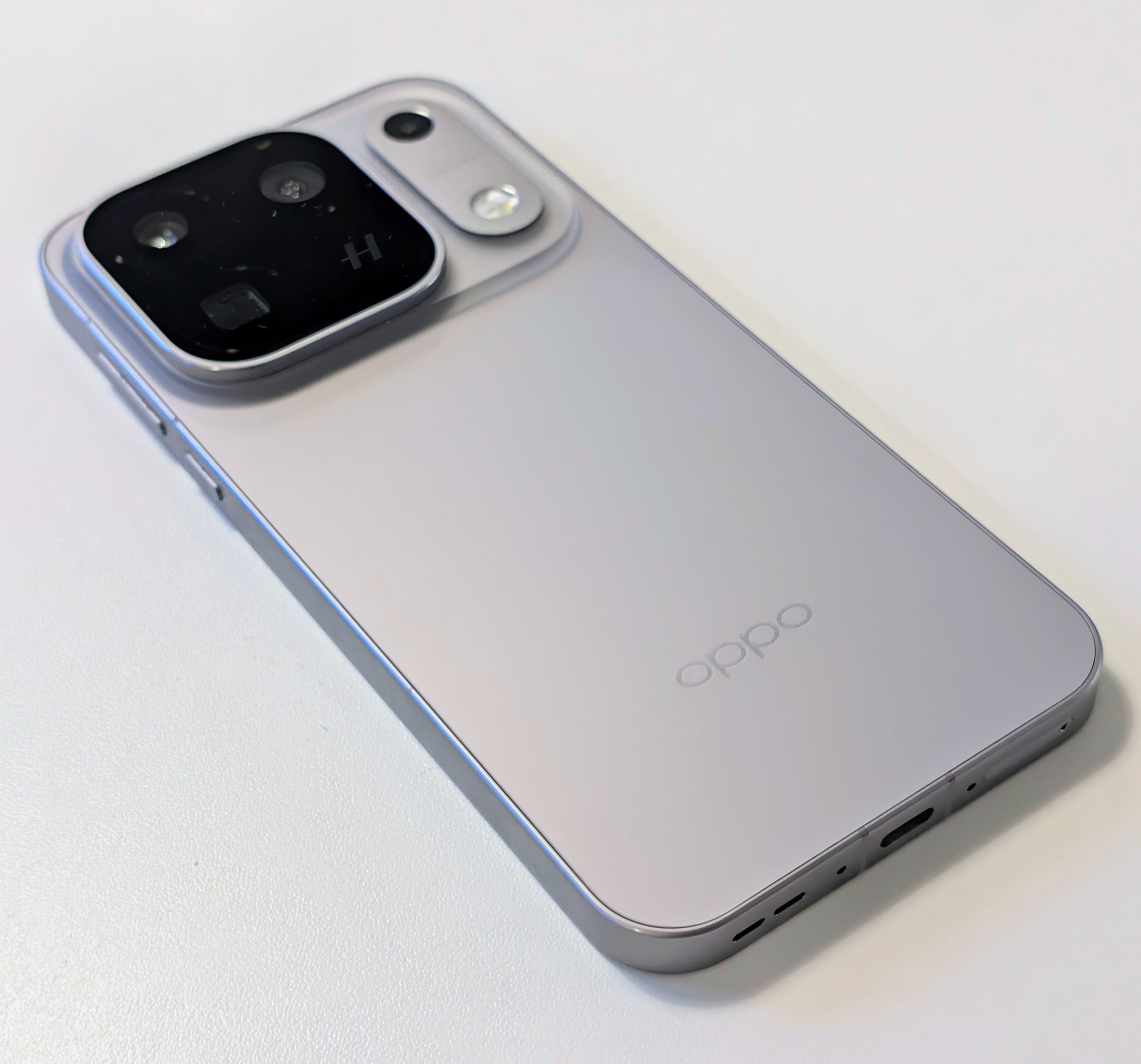
A flat phone weighing 228 grams, 7.66 centimeters wide, with IP66, IP68, and IP69 ratings. The front is protected by what OPPO calls Crystal Guard Glass, developed together with Corning. This is a really stylish and well-built phone.
It feels quite heavy, but the rounded edges make it sit well in the hand despite its size. The camera module is located in the corner, and next to it is a smaller island with the flash and a separate color sensor. It looks a bit like two designs that met in the middle, but in reality, it looks significantly better than it does in photos.
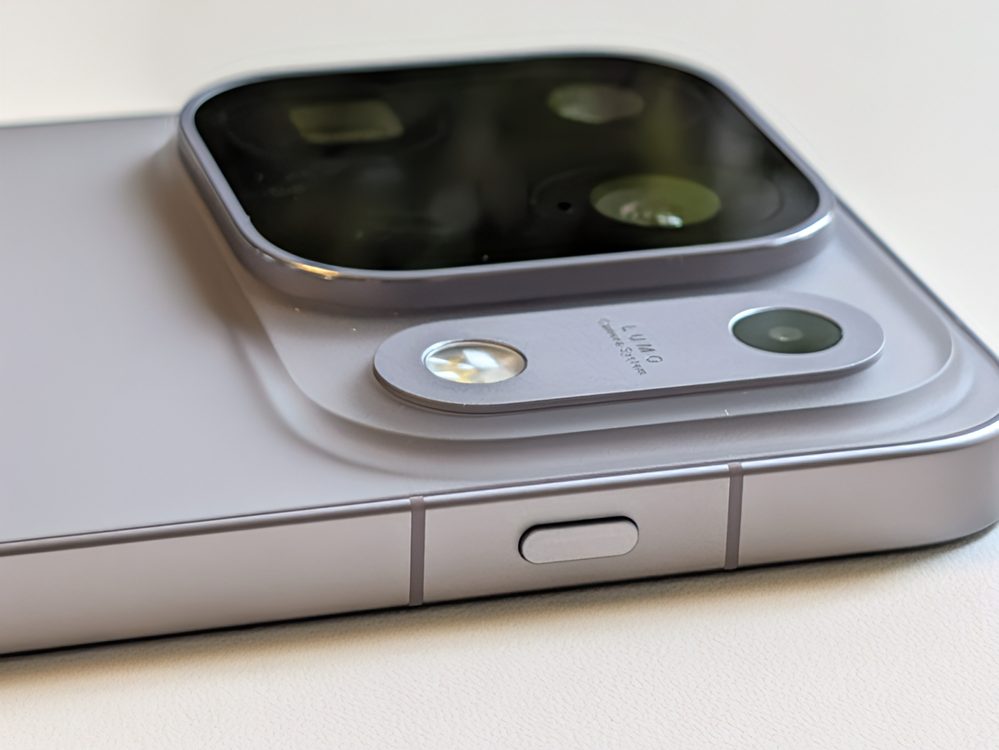
The dedicated camera button from the Find X9 Ultra is gone. Since I wasn’t completely satisfied with how it worked, I don’t miss it. Instead, there is the Snap Key, a button that can be configured for various functions, such as Do Not Disturb, the camera, or screenshots. Double-tapping is not supported, so it is limited to one function. I find it most useful as a camera button. A long press starts the camera, regardless of where you are in the system.
The fingerprint reader under the display is of the ultrasonic type. It is fast and works even with wet fingers.
Display
The display has a 1.5K resolution (2,772 x 1,272), up to 144 Hz, and a peak brightness of 3,600 nits. The bezels are thin and symmetrical.
Upon delivery, a screen protector is factory-mounted, and it feels a bit subpar. During the test period, it has picked up several small micro-scratches, something we don’t normally see on pre-installed protectors. It’s not a huge deal, and the protector can be replaced, but on a phone in this price range, I would have expected better.
The brightness is plenty for sunlight, but what really stands out are the colors. They are natural and not overly saturated. OPPO highlights that the screen covers 95 percent of BT.2020, a color gamut that is much wider than what is used in standard movies and series.
For those sensitive to flicker, the screen uses 3,840 Hz PWM at low brightness, and it goes down to 1 nit in the dark. 144 Hz is only activated in certain games; otherwise, 120 Hz is the standard, and it flows smoothly.
Performance
Under the hood is the MediaTek Dimensity 9600 Pro, manufactured on a 2-nanometer process, with 12 GB of RAM and 512 GB of storage. In Sweden, only this configuration is available.
Everything is fast. Apps open instantly, and games run without issues. OPPO has obviously prioritized efficiency over maximum peak speed, and in longer stress tests, performance is throttled significantly. In everyday use, and even during longer gaming sessions, the phone remains cool and stable.
Software
The phone runs ColorOS 17 based on Android 17. The interface has received a new look with transparent surfaces that are very reminiscent of iOS. The animations are very smooth, and there are plenty of settings for those who want to customize.
What I would have liked to avoid are all the pre-installed apps, both OPPO’s own and third-party ones. Everything can be uninstalled, but it’s disappointing to have to spend half an hour clearing out bloatware on your newly purchased phone.
Camera
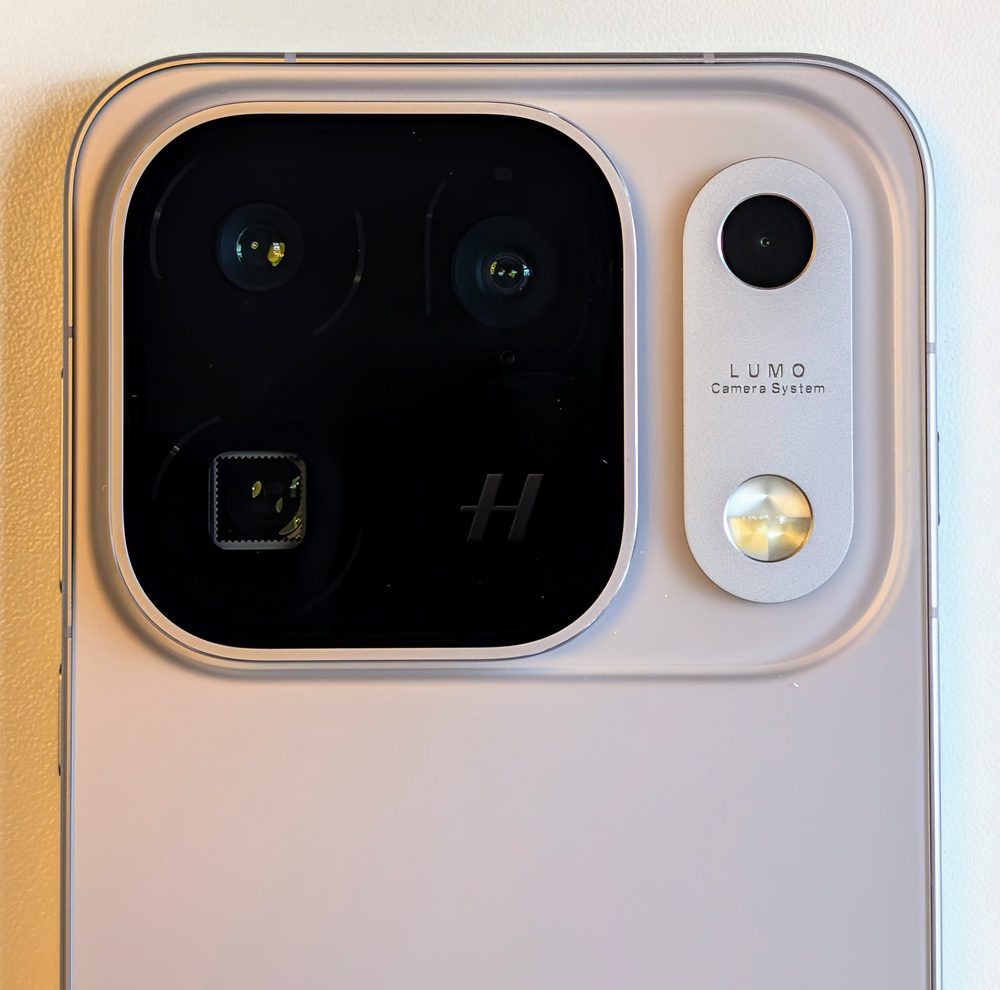
This is the phone’s greatest strength. Behind the Hasselblad branding are three 200 MP cameras:
- Main Camera: 200 MP, 1/1.3-inch sensor
- Ultra-wide: 200 MP, 1/1.56-inch sensor
- Telephoto: 200 MP, 3x (70 mm)
Added to this is a separate color sensor, which OPPO calls the True Color Camera, and a 50 MP selfie camera.
Compared to the Find X9 Ultra, the setup is different. That model has a larger 1/1.12-inch main sensor and a 10x optical telephoto, but the ultra-wide and 10x camera have 50 MP. The Find X9 Ultra thus focuses on large sensors and long zoom, while the Find X10 Pro Max focuses on high resolution and the same level of quality across all three lenses.
What impresses most is how consistent the results are between the lenses. The images look the same whether I am shooting with the ultra-wide, the main camera, or the telephoto. The colors don’t shift, and the level of detail doesn’t drop when switching lenses, not even when the light fades. The ultra-wide is usually the weak link, as seen on the Find X9 Ultra, but here it maintains the same level as the others.
OPPO has also toned down the image processing. The images are less sharpened and less HDR-heavy than on the Find X9 Ultra, and they look more natural. Sometimes it still becomes a bit too sharp in standard mode, and that’s where Hasselblad’s Master Mode comes to the rescue. Just like on the Find X9 Ultra, the images there get a softer tone curve and a number of film looks to choose from, and the results become very DSLR-like.
One issue I have encountered is the white balance. Sometimes the images become a bit too warm, and occasionally the color tone is off in mixed light. It is a bit ironic considering that the separate color sensor is supposed to solve exactly that. It doesn’t happen often, but often enough to be annoying.
The 3x telephoto also functions as a macro camera, a feature I already grew fond of on the Find X9 Ultra, and the close-ups are really excellent. When it comes to long zoom, the Find X9 Ultra still has the upper hand with its 10x optical zoom. If you zoom in far on the Find X10 Pro Max, AI processing takes over, and it cannot be turned off completely.
The selfie camera has a wide angle of view, which makes it great for group shots.
On the video side, all three cameras can record in 8K at 30 frames per second and 4K at 120 frames per second, with Dolby Vision, O-Log2, and Open Gate for those who want to crop in post-production for both portrait and landscape formats. The stabilization is good.
Images taken during the test period:









Battery and Charging
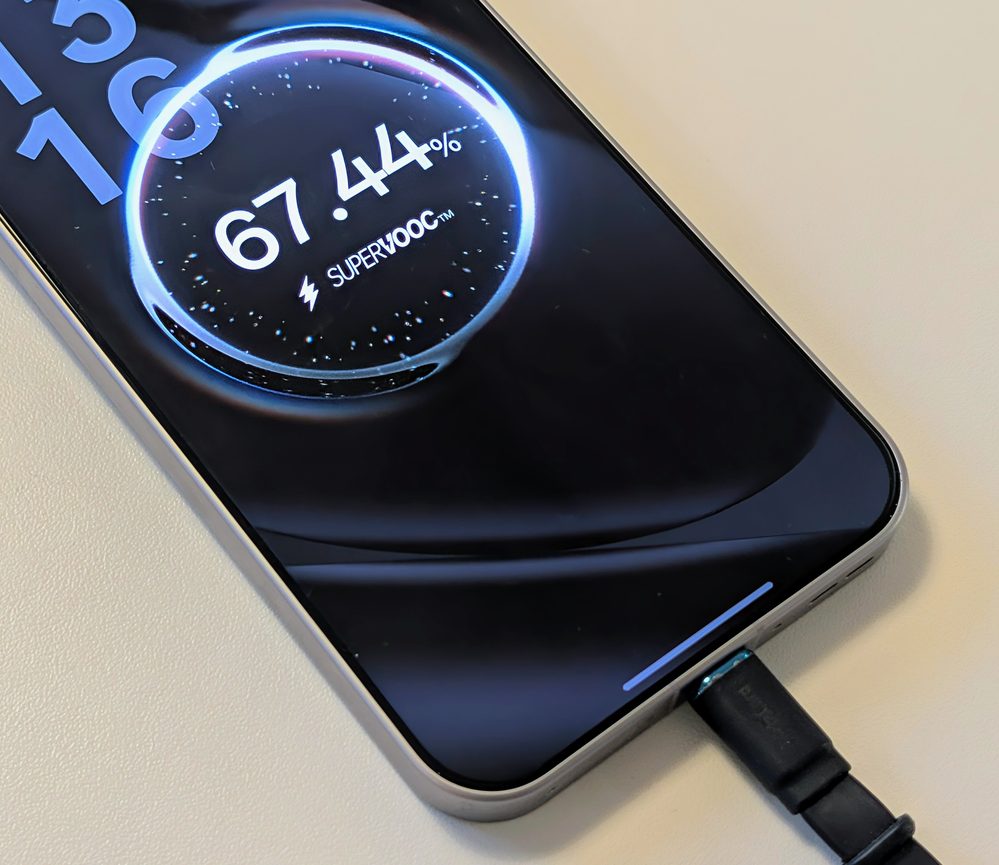
The battery is 7,150 mAh, which is marginally larger than the 7,050 mAh in the Find X9 Ultra, and the battery life is really good. I can easily get through a full day with very heavy use, and with lighter use, it lasts two days without a problem.
The phone supports OPPO’s 80 W SuperVOOC charger, which is purchased separately; with our standard test charger, it reaches about 50 W and a full charge takes a little over an hour. Wireless charging is available at up to 50 W with OPPO’s AIRVOOC charger, but just as on the Find X9 Ultra, built-in magnets for Qi2 are missing.
Updates and OPPO’s Future in Europe
OPPO promises five major OS updates and six years of security updates. This is the same promise as for the Find X9 Ultra. It is acceptable, but Samsung and Google are at seven years; see for example the Galaxy S26 Ultra and Pixel 11 Pro XL. When you pay more than for their top models, it’s reasonable to expect at least as long support.
Then there is a question that is harder to answer. OnePlus, which in practice is the same company as OPPO and shares both technology and software, had one of the best Android phones we tested at the beginning of the year. A few months later, OnePlus had stopped selling phones in Sweden. There is nothing to say that OPPO will leave Europe; on the contrary, they seem to be investing more here now, but when you buy a phone for 20,000 kronor and intend to use it for five or six years, it is a reasonable question to ask. Can you trust that OPPO will stay in the EU?
Conclusion
The OPPO Find X10 Pro Max is one of the best phones I have tested this year. It is stylish and well-built, the display has beautiful and natural colors, the battery life is among the best available, and the camera is really good across all three lenses. The fact that the images look the same regardless of the lens is something more manufacturers should learn from.
It is not flawless. The white balance sometimes goes wrong, Qi2 magnets are missing, and it comes with far too many pre-installed apps. And then there are the updates. Five OS updates and six years of security updates are on the low side for this class, and after how quickly OnePlus disappeared from Sweden, there is an uncertainty that is hard to ignore.
Then there is the price. The recommended price is 19,990 kronor, and until November 15, it costs 17,990 kronor. This makes it as expensive as, or more expensive than, basically all other flagships on the market, including OPPO’s own Find X9 Ultra for 18,990 kronor. It is good, but not so much better that it justifies the price tag.
If the camera and battery life are the most important factors and the price matters less, then the Find X10 Pro Max is a very good choice. If you want longer update support for your money, it’s worth looking at the Pixel 11 Pro XL or the Galaxy S26 Ultra, and if you are seeking the best camera, the Xiaomi 17 Ultra is worth a comparison.
OPPO sent review units for this test. Senders of material have no editorial influence on our tests; we always write independently with you, the readers and consumers, in focus.
How we rate products at SensesReview Highlights: Q&A
How good is the camera setup on the phone?
The Oppo Find X10 Pro Max features three 200 MP rear cameras that maintain identical color and detail consistency across all lenses, though white balance can occasionally shift too warm in mixed lighting.
How long does the battery last on a charge?
The 7,150 mAh battery easily lasts through a full day of very heavy use and reaches two days under lighter use. A full charge takes a little over an hour at around 50 W with a standard test charger.
How does the phone perform under heavy workloads?
Powered by the MediaTek Dimensity 9600 Pro with 12 GB RAM, daily use and gaming remain cool and fast, but prolonged stress tests result in significant performance throttling.
How long will the phone receive software updates?
Oppo provides five major OS updates and six years of security updates, which is shorter than the seven-year policies offered on competing flagship models from Samsung and Google.
Does the phone support magnetic wireless charging?
Wireless charging works at up to 50 W using an AIRVOOC charger, but the phone lacks built-in magnets for Qi2 accessories.