
TL;DR
The Predator franchise reaches a thrilling new peak with Predator: Badlands. Directed by Dan Trachtenberg, this groundbreaking installment subverts expectations by shifting the focus to Dek, a young Yautja outcast on a perilous rite-of-passage quest. In a franchise first, the story features no human characters, instead pairing Dek with an android played by the versatile Elle Fanning. This fresh perspective offers an unprecedented look at Yautja culture, supported by stunning practical effects and masterful performances. Hailed as the best entry in over 30 years, Badlands blends high-stakes action with emotional depth, setting a new technical benchmark in 4K Ultra HD. Whether you are a long-time fan or a series skeptic, this is the revitalized vision the franchise deserves. Read the full article to explore why the hunt has never been more compelling and dive deeper.
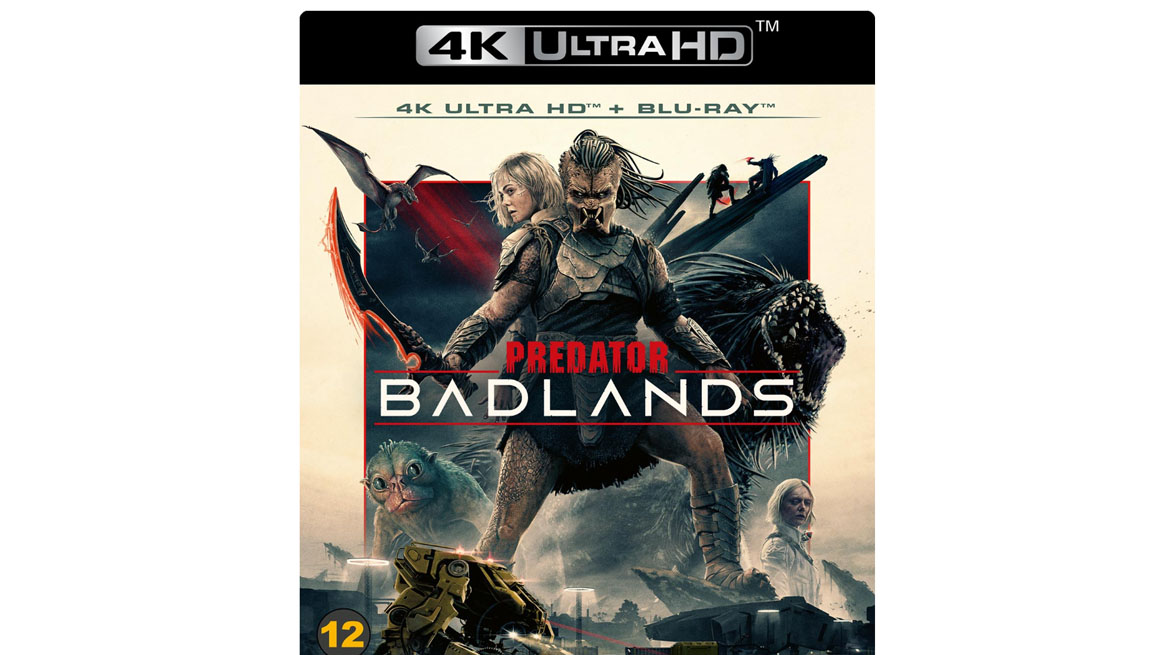
The narrative centers on a young Yautja (the species’ name, which we’ll explore further) named Dek (Dimitrius Schuster‑Koloamatangi). In a culture where social value is dictated strictly by physical prowess and hunting ability, Dek is an outlier—unusually small and perceived as frail. Viewed as a liability by his father, who believes Dek should be eliminated before further dishonoring the clan, the story takes a tragic turn when Dek’s brother intervenes with devastating consequences.
Exiled, Dek journeys to a planet inhabited by a legendary, seemingly immortal beast. His singular objective is to slay the creature and return to his clan as a proven warrior. During his quest, he encounters the android Thia (Elle Fanning), who is executing her own mission on behalf of humanity. This unlikely duo embarks on a perilous journey across an incredibly hostile landscape, only to discover their respective goals are on a collision course, forcing them to put their newfound alliance to the ultimate test.
An unexpected triumph in the Predator universe
Predator: Badlands is a film that arrived with little fanfare. While I was aware of director Dan Trachtenberg’s previous entry, Prey—another installment in the Predator mythos—I hadn’t yet seen it. Consequently, I was genuinely surprised to find that Predator: Badlands stands as one of the strongest entries in the entire franchise.
I have long been a proponent of the original 1987 classic. While the sequel three years later didn’t quite capture the same lightning in a bottle, its shift from the jungle to an urban sprawl was a refreshing change of pace. However, the franchise began to falter fourteen years later with the release of the first Predator vs Alien. The nadir of the series was undoubtedly the 2007 sequel, Predator vs Alien: Requiem, which nearly derailed the property entirely.
The series saw a resurgence in 2010 with Predators, which transported the action to an alien game preserve populated by Earth’s most dangerous warriors. Upon a recent rewatch, it holds up well and is a clear improvement over the AvP crossovers. Eight years later, we saw a soft reboot/sequel sharing the original’s title—following a trend seen in franchises like Scream and Halloween.
I had high expectations for 2018’s Predator, largely because it was helmed by Shane Black (Iron Man 3, Kiss Kiss Bang Bang, The Nice Guys), who also portrayed the character Hawkins in the original 1987 film. It was a legendary piece of production trivia that Black was cast partly so he could provide uncredited script polishes on set. Unfortunately, the 2018 film was a significant disappointment, shaking my confidence in both the franchise and Black’s directorial trajectory.
Low expectations, high rewards
Because the 2018 reboot left such a poor impression, I initially bypassed 2022’s Prey and the 2025 animated feature Predator: Killer of Killers. It was with this skepticism that I approached Predator: Badlands.
After two viewings, I can wholeheartedly recommend it. Dan Trachtenberg excels here, primarily by subverting expectations: the film adopts the Predator’s perspective, offering unprecedented insight into their culture. Notably, this is the first time the term “Yautja”—long established in the expanded universe of novels and comics—has been used in a live-action film.
A world devoid of humanity
The film’s unique identity is further established by its total lack of human characters, relying instead on androids to drive the narrative dynamic. The action sequences are meticulously choreographed and visually striking. I was particularly impressed by the technical approach to Dek’s character; rather than relying on a fully digital creation—which often leads to the “uncanny valley” issues seen in characters like Jar Jar Binks—the production used a physical suit and makeup, reserving CGI primarily for facial nuances. This grounded approach makes the character feel tangible and emotionally resonant.
Ensuring Dek is a relatable protagonist was vital. A brilliant creative choice was having him speak exclusively in his native tongue; while Thia speaks English, their interactions are handled through a “universal translator” concept that preserves the alien nature of the main character.
Performances: A powerful dual lead
In Predator: Badlands, Dimitrius Schuster‑Koloamatangi delivers a breakout performance in his first major lead role. Even under extensive prosthetics and digital enhancements, he provides a deeply human portrayal of a non-human entity, making his character’s journey consistently engaging.
Elle Fanning is equally well-cast, bringing immense charisma to her role as Thia. Without venturing too far into spoiler territory, Fanning actually pulls double duty, playing both Thia and another android tracking her. It is a testament to her range that she manages to create two distinct personas for what are essentially identical models.
Direction: Trachtenberg reaffirms his talent
In retrospect, it should come as no surprise that Dan Trachtenberg successfully revitalized the franchise, given his work on the masterfully tense 10 Cloverfield Lane. Learning that he also directed both Prey and Predator: Killer of Killers has moved those titles to the top of my must-watch list.
Ultra HD Edition: A technical benchmark
The Ultra HD release of Predator: Badlands significantly enhances the cinematic experience. The image is mastered in native 4K and preserves the original theatrical aspect ratio. With support for both Dolby Vision and HDR10, the film exhibits remarkable visual depth, featuring a balanced color palette that seamlessly integrates digital effects with practical environments.
Fine detail is exceptional; a sequence involving razor-sharp grass showcases incredible texture, while the final confrontation utilizes high-contrast lighting to impressive effect.
The Dolby Atmos soundtrack is equally impressive. Dialogue is prioritized and remains crystal clear, while the low-end frequencies provide satisfying weight during the film’s more chaotic moments. A specific scene featuring a tentacle attack on Dek stands out for its aggressive and precise spatial audio engineering.
The package is rounded out by a healthy selection of bonus features, including documentaries and insightful commentary tracks. From a technical standpoint, this is a top-tier release.
Conclusion: The franchise’s best in 35 years
Ultimately, Predator: Badlands is an impressive achievement and arguably the best film in the series in over three decades. I am eager to see where this creative team goes next. While rumors persist regarding Arnold Schwarzenegger returning as Dutch—a role he recently reprised for the lackluster Predator: Hunting Grounds video game—the future of the film franchise looks brighter than ever.
I look forward to future installments, grateful that the studio pivoted toward this high-quality creative direction rather than following the missteps of the 2018 reboot.
SF Studios provided a review copy for this feature. This material was provided with no editorial influence; our reviews are conducted independently with the reader’s interests as our primary focus.
Review Highlights: Q&A
Who plays the lead character Dek?
Dek is played by Dimitrius Schuster-Koloamatangi.
Are there any human characters in the movie?
The film features zero human characters, only androids.
How does this film rank in the Predator franchise?
It's called the best film in the series in 35 years.
Does the film use CGI or practical suits for Dek?
It uses a physical suit with CGI for facial nuances.
What are the technical specs of the Ultra HD release?
It features native 4K, Dolby Vision, and Dolby Atmos.
What roles does Elle Fanning play?
Elle Fanning plays Thia and a second tracking android.
Does the film use the species name 'Yautja'?
Yes, it's the first time the name is used in live action.