
TL;DR
The Sennheiser HDB 630 may look like industrial ear protectors, but they are actually portable concert halls for your head. These beefy headphones prioritize audiophile-grade performance over sleekness, offering a staggering 60-hour battery life and market-leading wind reduction. While the bulky design and plastic components might raise eyebrows at its premium price point, the audio performance is transformative. When paired with the included BTD 700 dongle and high-resolution tracks, the HDB 630 delivers surgical bass, intimate vocals, and a wide soundstage that rivals wired classics. It is a specialized tool for those who refuse to compromise on quality while on the move, proving that true hi-fi doesn't need a cable to create goosebumps. If you are ready to trade portability for unparalleled wireless precision, this architectural masterpiece of sound is waiting for you. Read the full review to see if these heavy hitters belong in your backpack.
When we first placed the Sennheiser HDB 630 on our heads, we almost wondered if we had accidentally brought home a pair of industrial ear protectors from a construction site downtown. But it only took a bike ride through Stockholm’s biting wind and twenty-four hours with Paul Kalkbrenner to realize these are no ear protectors. They are portable concert and studio halls. The question is whether you have the neck muscles (and the wallet) to handle them.
First impressions: A luxurious package that justifies the price tag
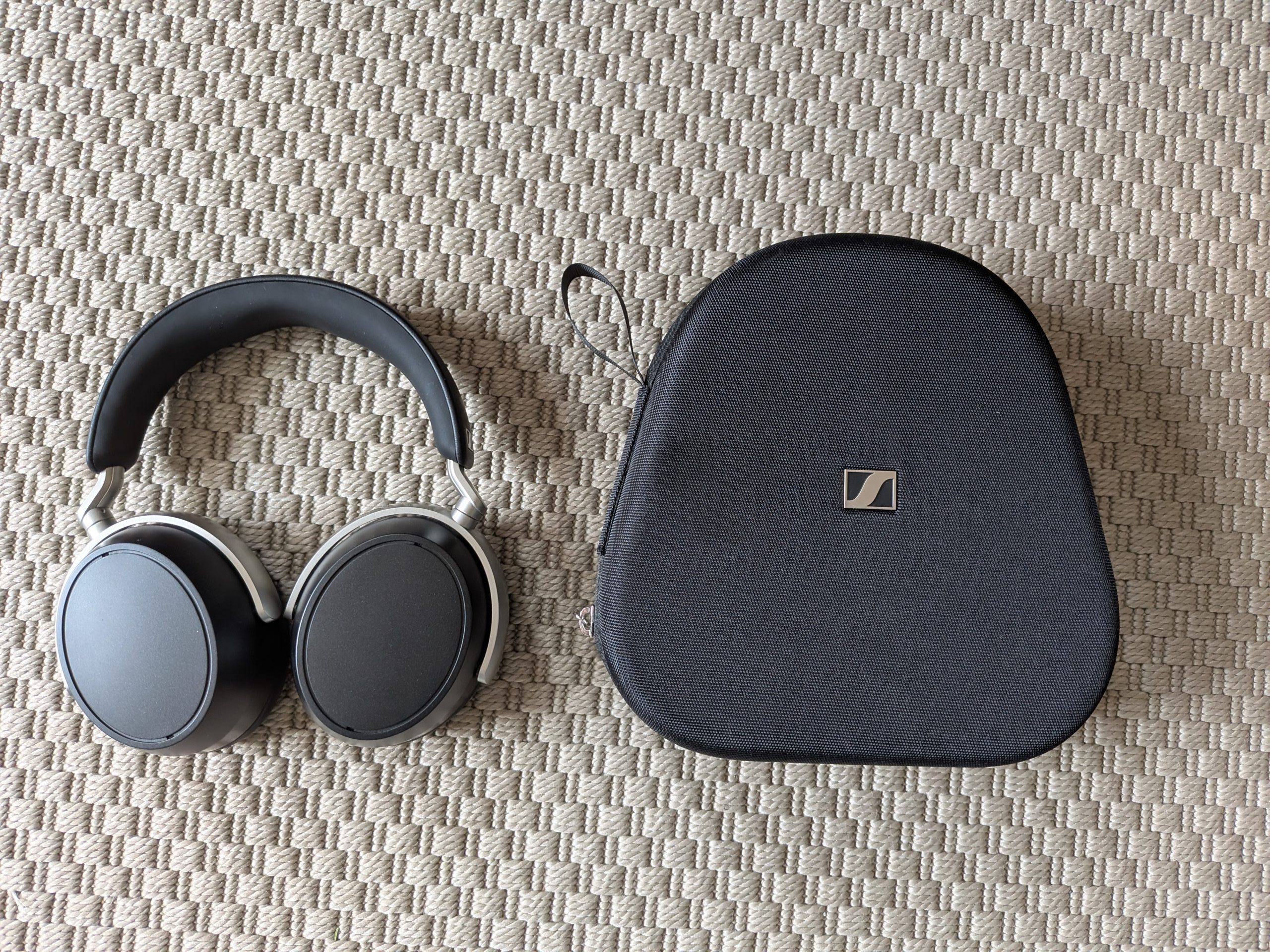
The first thing we encounter is the included case. It exudes quality and is truly nice to look at. You can clearly tell that we’ve moved up a price bracket or two. Whereas the more budget-friendly Accentum was delivered without any case at all, here we get substantial protection that matches the price tag. However, and it’s a fairly big “however,” it is also quite bulky. It takes up a significant portion of space in a backpack, which clashes slightly with the otherwise wireless freedom. It is beautiful, absolutely, but hardly convenient for someone traveling light, for instance.
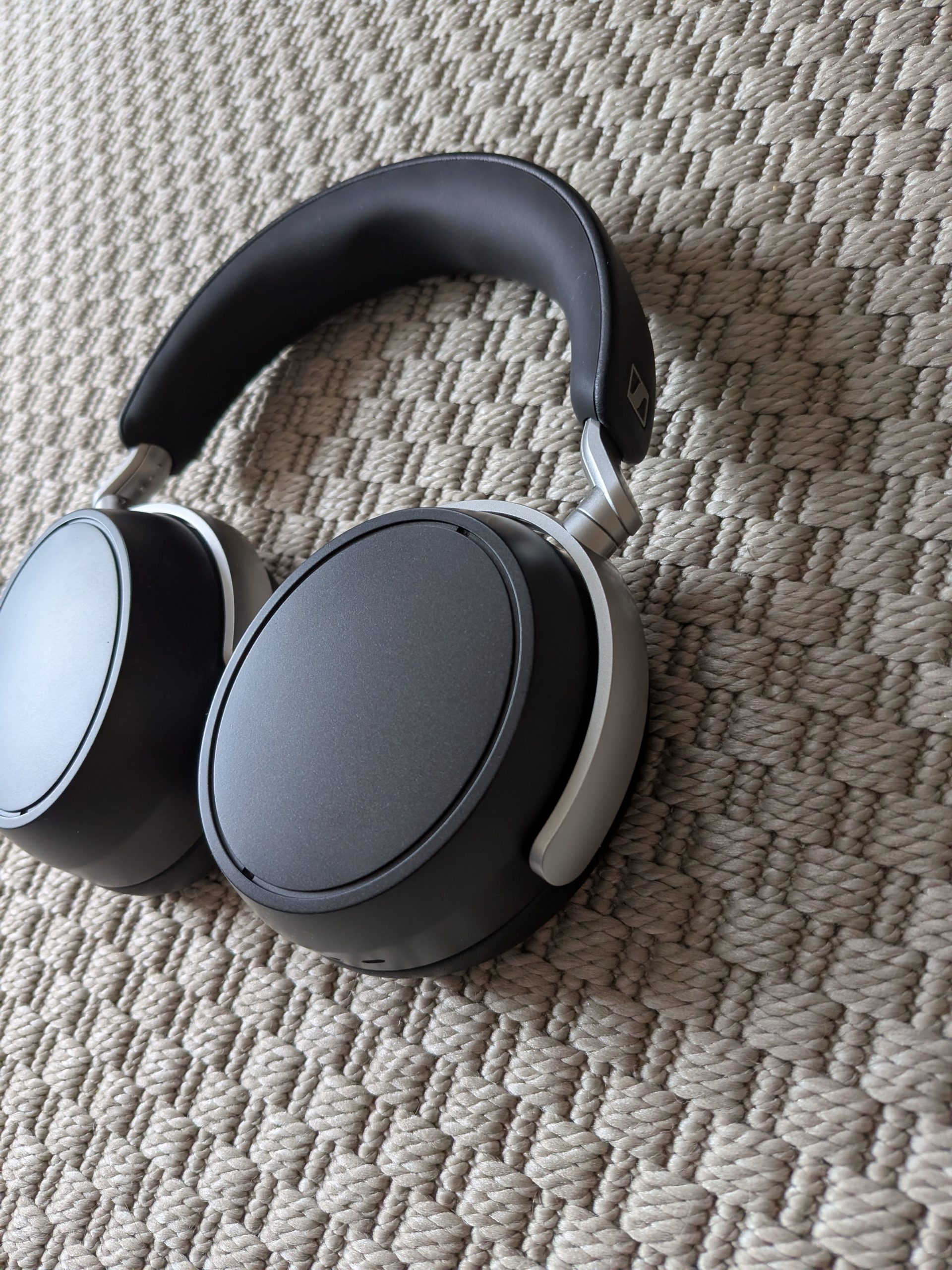
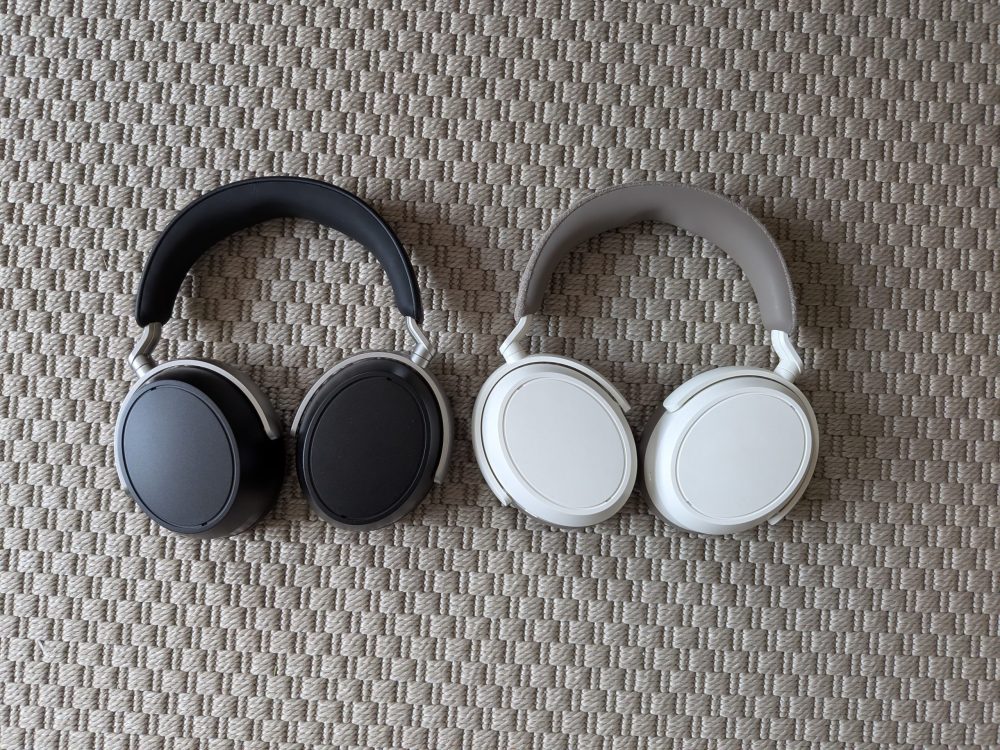
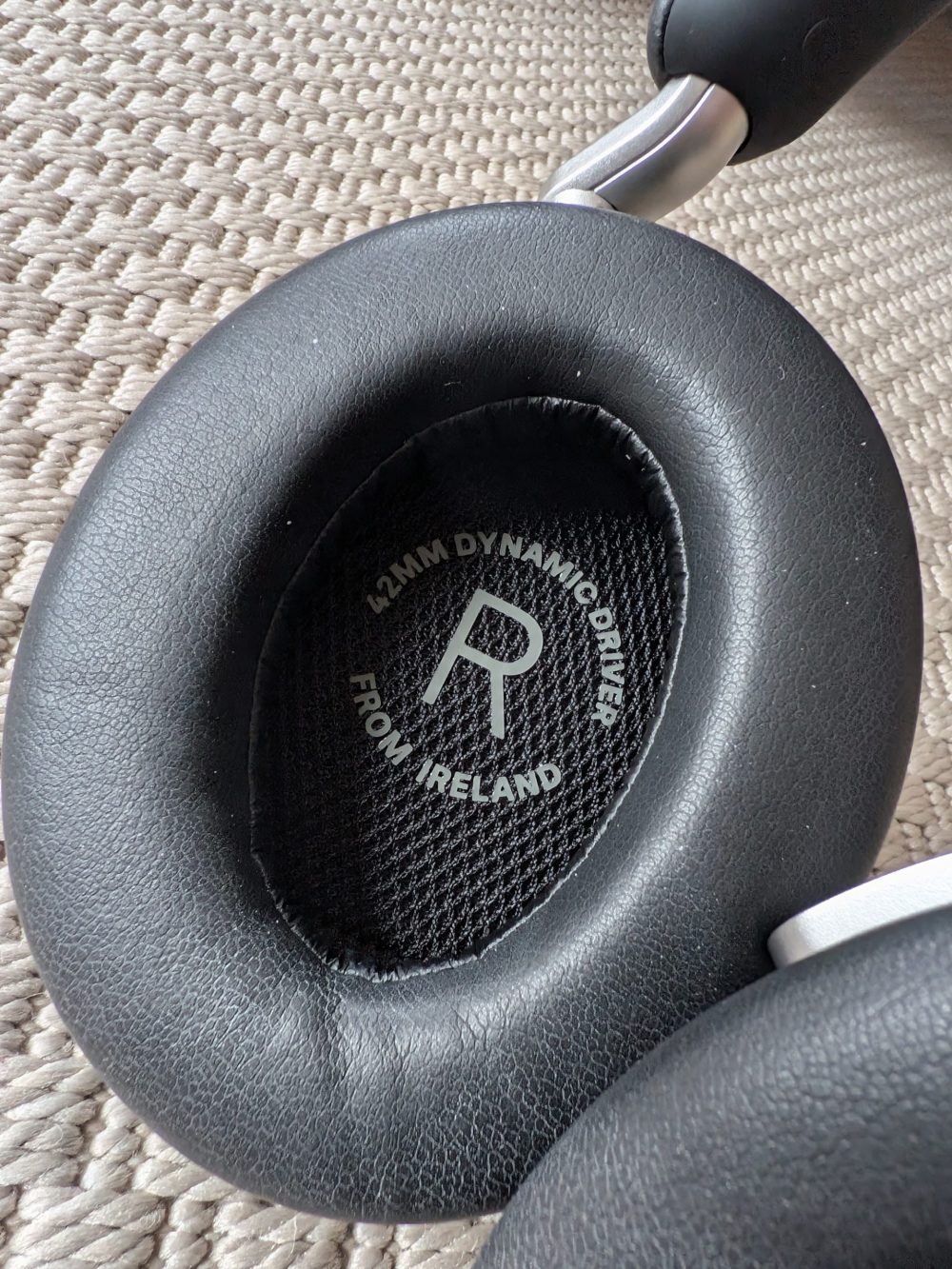
When we take out the headphones, their “beefiness” is immediately apparent. They have a significantly wider profile on the head than the Momentum 4, and the cups protrude quite a bit. The build feels solid, although upon closer inspection, we are slightly disappointed that the metallic-colored parts of the yokes are actually plastic. At this price point, we would have hoped for genuine aluminum throughout. It’s also worth noting that they get quite warm on the ears after a while; the closed-back cups isolate fantastically, but they don’t exactly “breathe.”
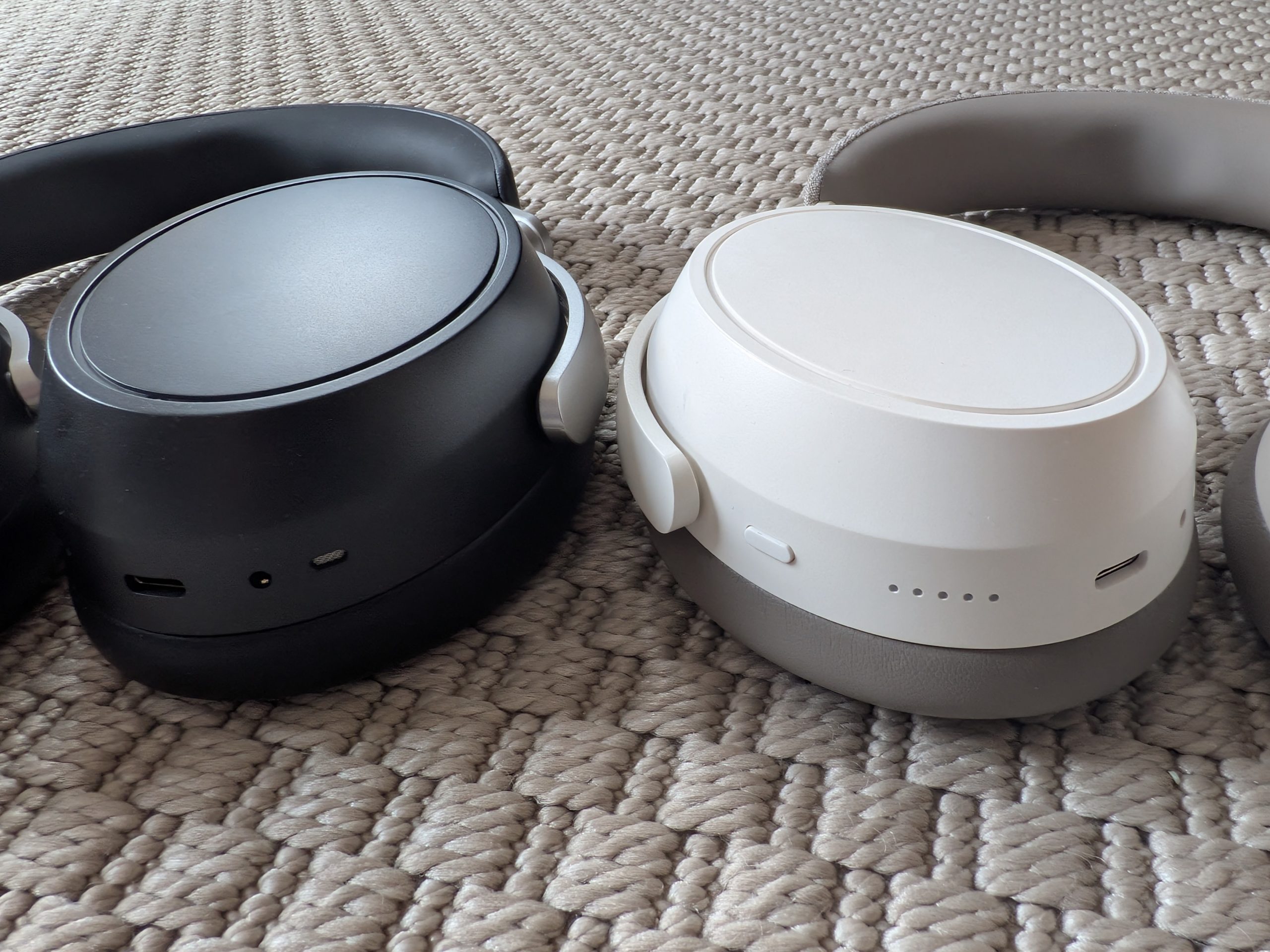
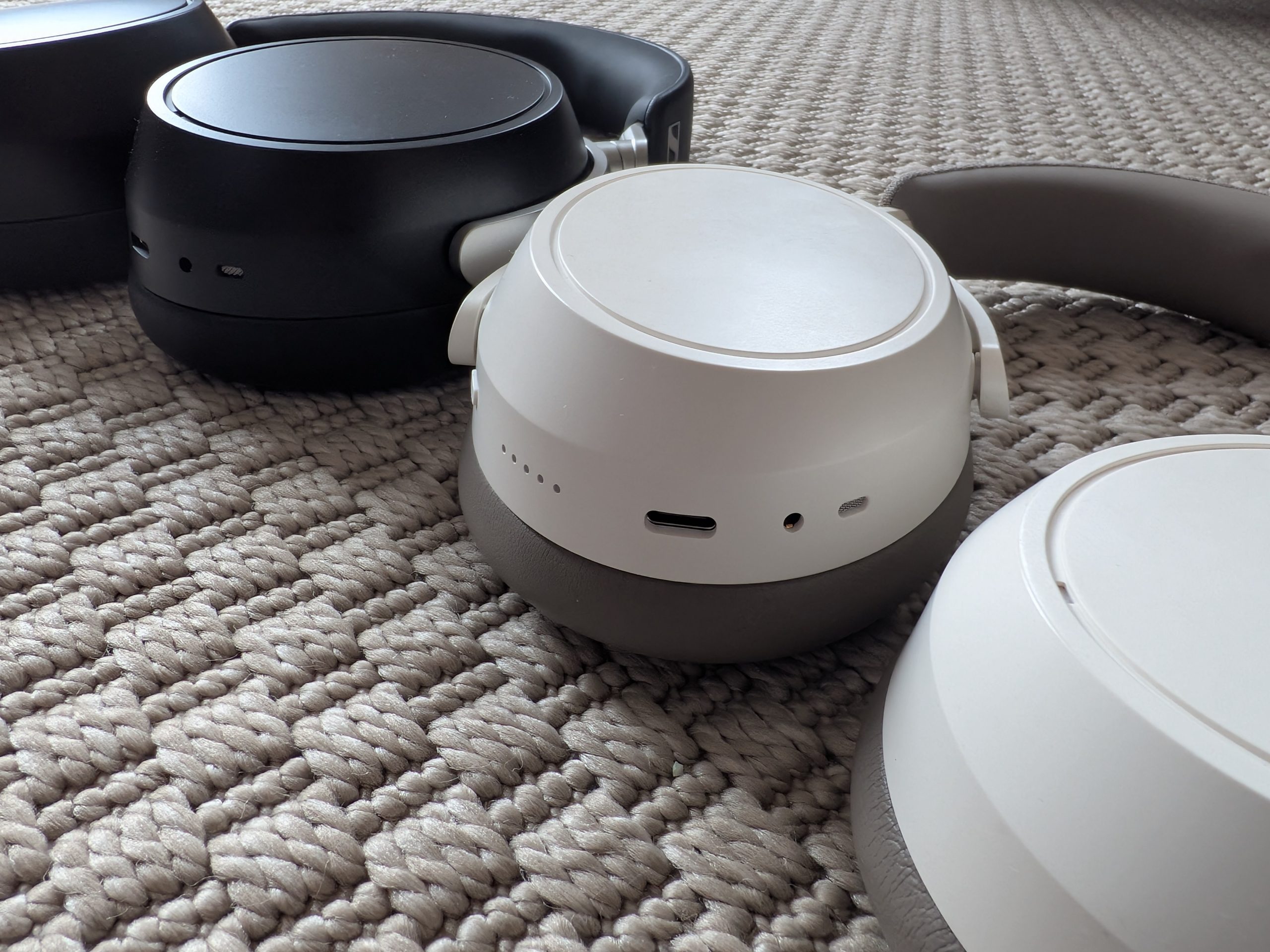
Features: King of the biting wind
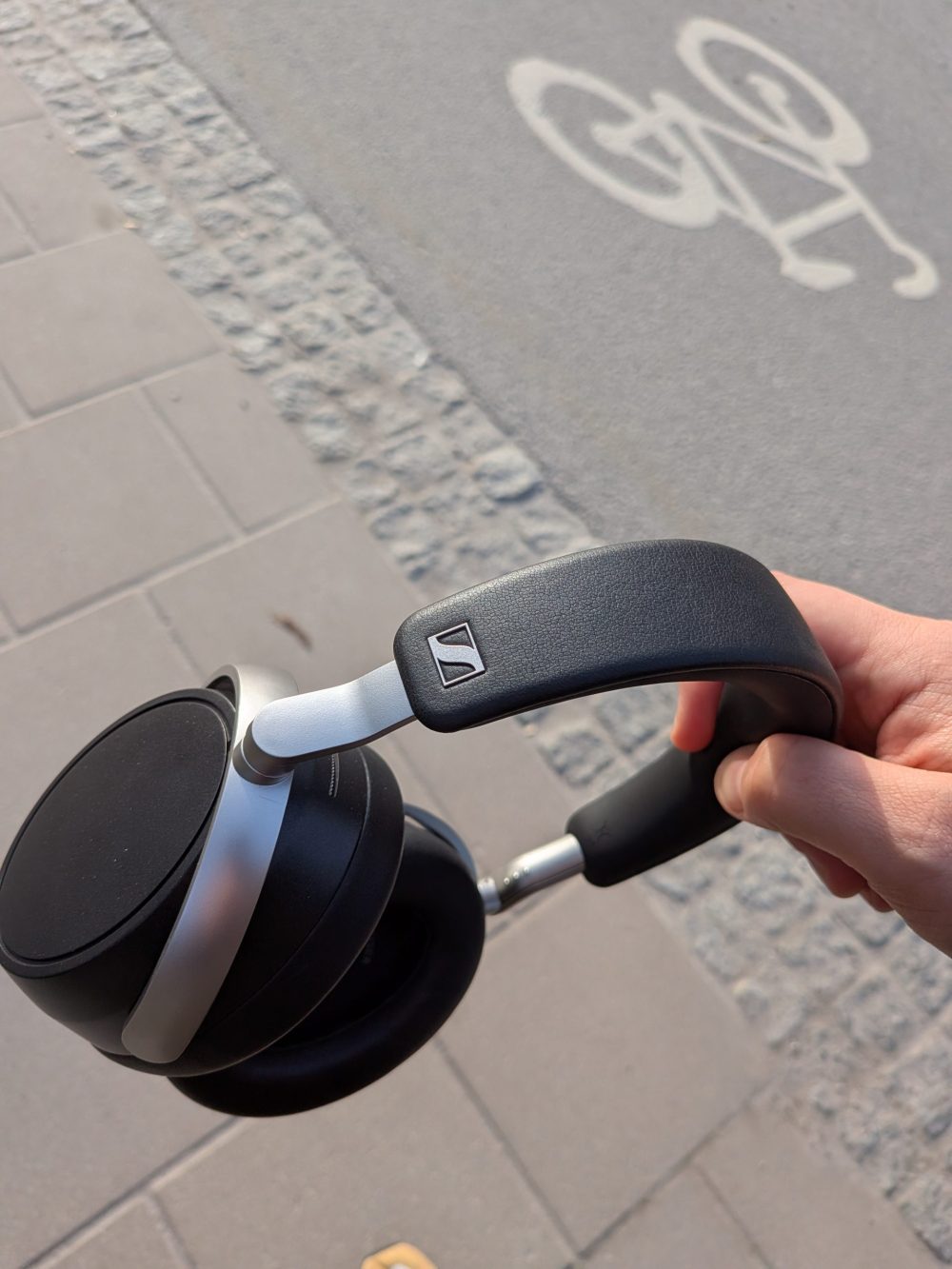
Where Sennheiser, on the other hand, completely pulverizes the competition is in wind reduction. We took the HDB 630 out for a bike ride during one of Stockholm’s classic, icy spring days. Where other headphones usually create a howling inferno in the microphones, Sennheiser delivers a silence bordering on the magical. You can whiz through the biting wind without even noticing it. Sennheiser are truly the kings of this! We didn’t expect anything less either, as even their budget alternatives usually crush the opposition!
Operation is made easier by the new Smart Control Plus app. It is exemplarily clear and stable, and this is where you’ll find the advanced parametric EQ that lets you tailor the sound. And the battery life? It’s absolutely insane. 60 hours is in a league of its own, meaning you can basically forget where you put the charging cable.
The Sound: From everyday Spotify to goosebump magic
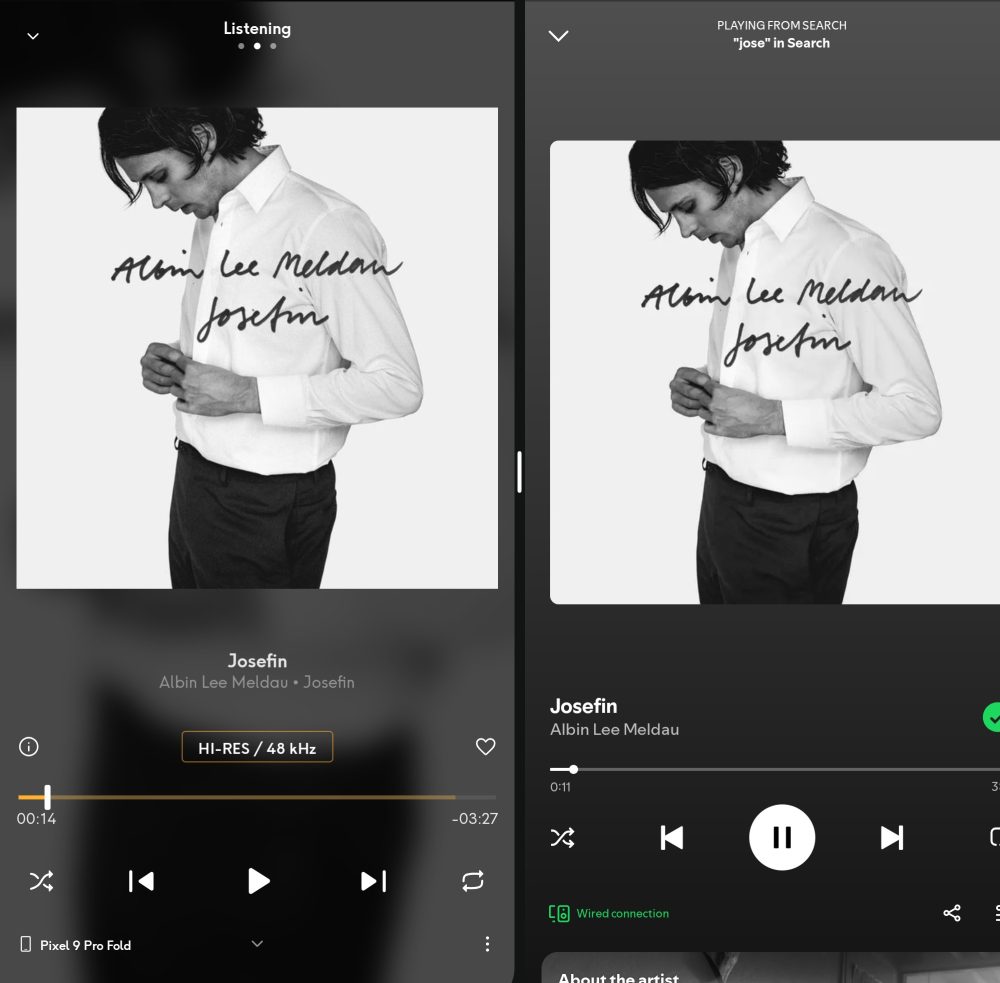
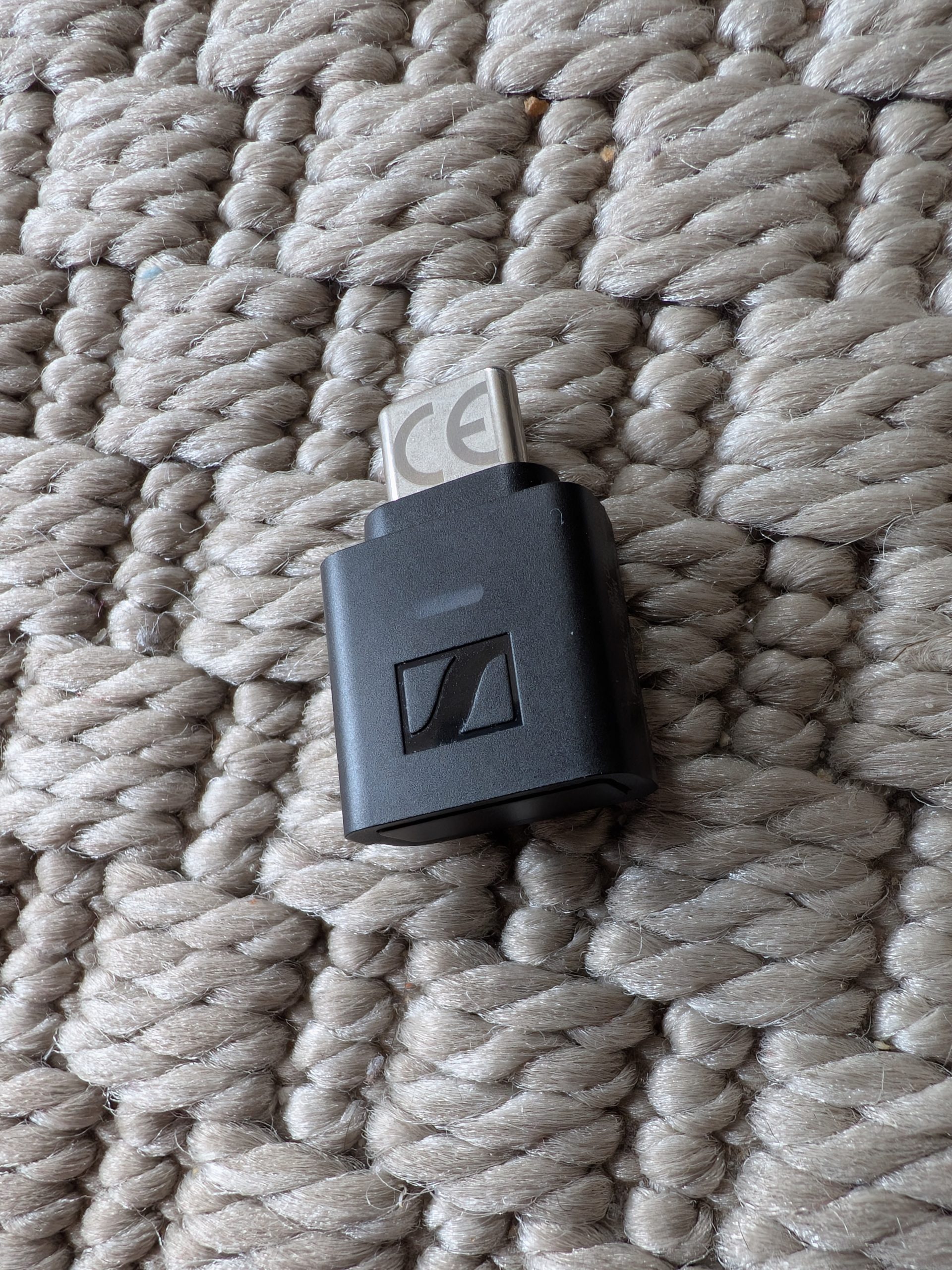
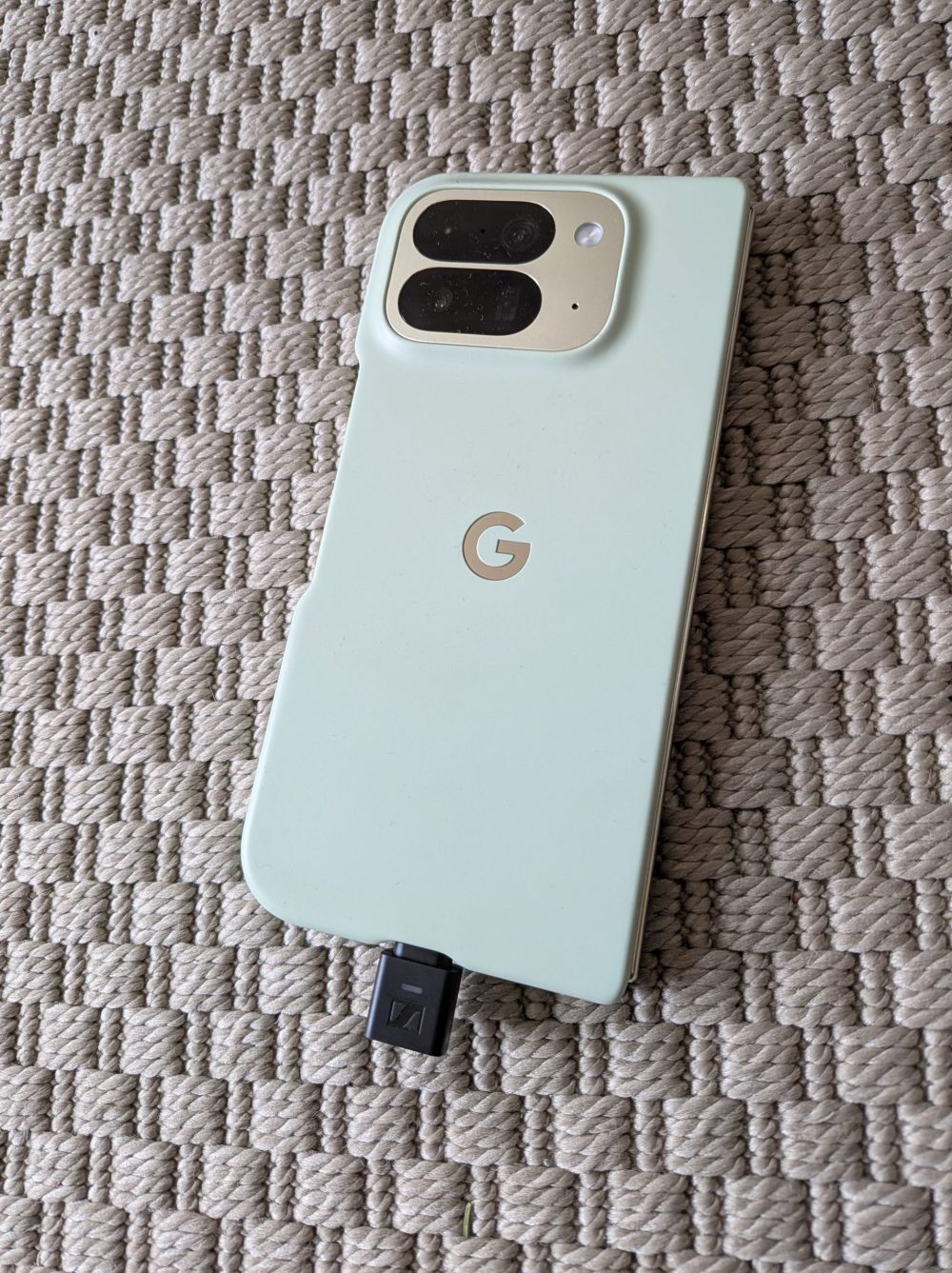
It’s in the sound that the HDB 630 really has to show its true colors. With casual listening via Spotify, it certainly sounds good – but it wasn’t until we set up a proper A/B test that the curtain truly rose. We switched between standard streaming and high-resolution audio via Qobuz along with the included BTD 700 dongle.
Wow, what a sound! The difference is almost shocking. Suddenly, the dynamics spring to life in a way we’ve rarely experienced in wireless headphones. It no longer feels like we’re listening to a recording; it feels like we’re standing right in front of the musician. There is an intimacy and separation here that is absolutely incredible, as if the artist is standing and almost whispering in your ear, just for us. It’s a presence that gives you goosebumps all over.
The bass. We fired up an old favorite to test the bass: Paul Kalkbrenner with the track Aaron. Here, the HDB 630 handles the heavy beats with surgical precision. Where other headphones deliver a muddy bass soup, the bass here is fast, punchy, and extremely controlled. We feel the attack of every drum without it ever drowning out the details.
The midrange was tested with Albin Lee Meldau’s beautiful song Josefin. In Hi-Res mode, the separation is absolute. Meldau’s voice takes on a presence that is completely magical. Every tiny nuance and phrasing emerges with a transparency that is more reminiscent of the wired classics in the 600 series than a Bluetooth headphone.
The treble and details were allowed to shine with Lana Del Rey’s Young and Beautiful. The high notes get just the right amount of air and “sparkle” without becoming harsh. The precision is so high that we’re starting to discover new details in recordings we’ve listened to hundreds of times before. Despite this being a closed-back design, the soundstage is incredibly wide.
Conclusion
The Sennheiser HDB 630 is a niche product. They look industrial, they are large, they get warm, and the case is cumbersome. These are not the headphones for the average commuter wanting something sleek. They are for the audiophile who refuses to compromise and demands that final level of detail even when they leave the living room.
The price tag of nearly 6,000 kronor is certainly hefty, but it immediately becomes a bit easier to swallow when you realize that Sennheiser includes the BTD 700 dongle in the box. This is a gadget that otherwise costs nearly a thousand kronor separately and is absolutely crucial for unlocking the headphones’ full wireless potential.
The HDB 630 is not a headphone for the masses, but for those seeking wireless hi-fi without excuses, they are the new gold standard. They may look like ear protectors for a construction site, but the sound they produce is an architectural masterpiece that makes us forget about both plastic yokes and heavy backpacks.
Sennheiser sent review units for this test. Senders of material have no editorial influence on our tests; we always write independently with you, the readers and consumers, in focus
Review Highlights: Q&A
How long does the battery last?
The battery lasts for 60 hours, meaning you rarely need to charge it.
What accessories are included in the box?
The package includes a high-quality case and a BTD 700 wireless dongle.
How does the wind reduction perform?
It is world-class, providing magical silence even during windy bike rides.
Do the headphones get hot during use?
Yes, the closed-back cups isolate well but can get quite warm on the ears.
What app is used for sound adjustment?
The Smart Control Plus app allows for advanced parametric EQ tailoring.
Are these headphones slim and lightweight?
No, they are bulky with a wide profile and an industrial, heavy design.
How much do these headphones cost?
They cost nearly 6,000 kronor, which includes the premium BTD 700 dongle.
