
TL;DR
Marvel Tōkon: Fighting Souls is a visually stunning and truly fun fighting game to play against friends on the couch or online, once you have mastered all its systems. However, the steep learning curve unfortunately makes it less inviting and harder to just pick up and play than the genre's more traditional Capcom and 3D fighting titles. The 4-vs-4 tag-team fighter rewards patient players.
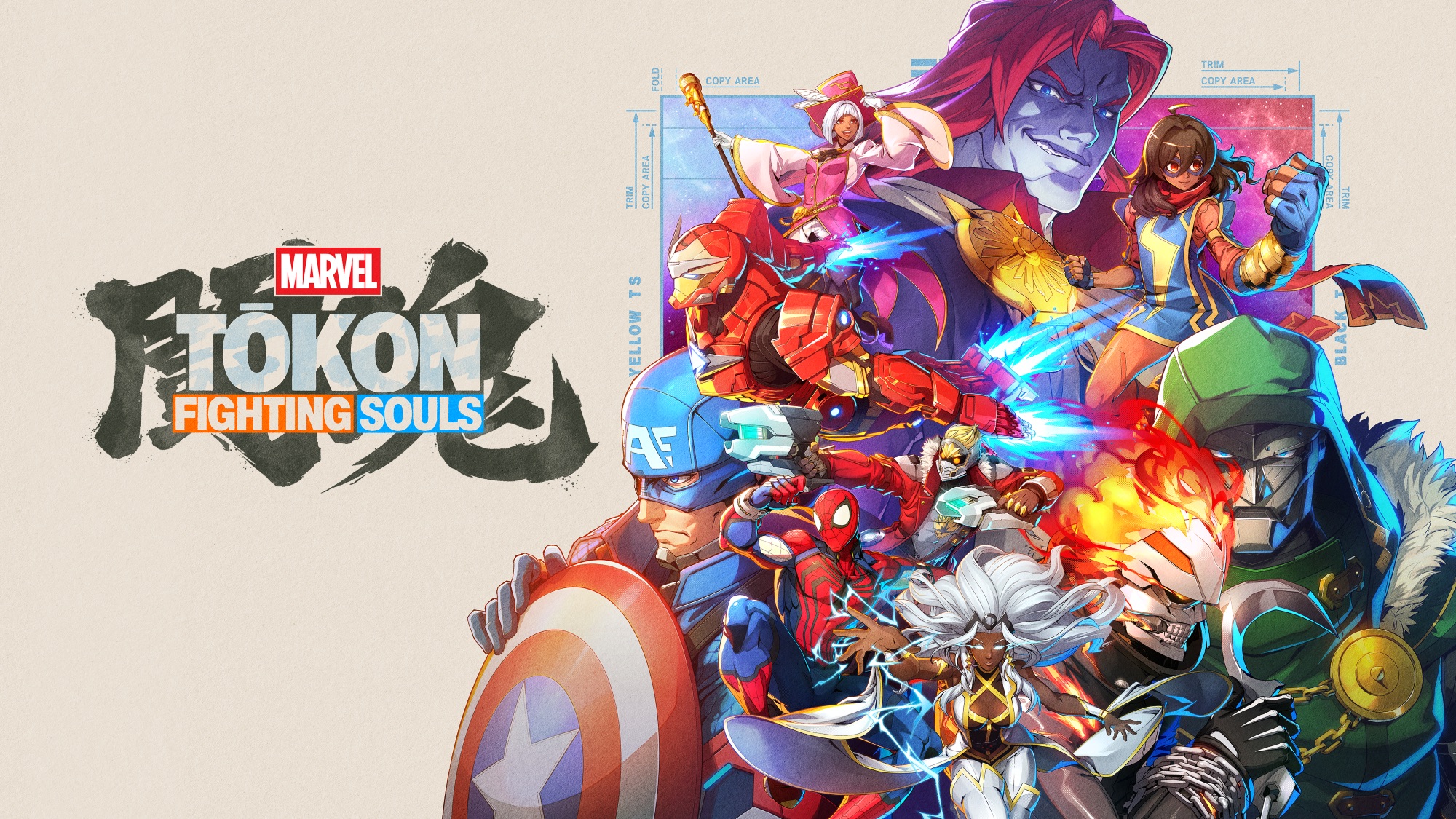
You cannot accuse Marvel of being idle—in addition to churning out films and TV series featuring its superheroes, it now also has its own game studio, Marvel Games, which together with the Japanese developer Arc System Works (known for the Guilty Gear and Dragonball FighterZ games) now brings us the tag-team fighter Marvel Tōkon: Fighting Souls, backed by Sony Interactive. For those wondering, “Tōkon” means “fighting soul” in Japanese—exactly as the English subtitle suggests. Ever since the heyday of Capcom’s arcade classic Marvel vs. Capcom 2, there has been something of a void in the tag-team genre, even if many have tried to seize the throne over the years. My impression after a few intensive days as a superhero pugilist is that the result is undoubtedly one of the year’s most beautiful and ambitious fighting games, but it also demands quite a lot from you as a player.
A visual triumph with a comic book feel
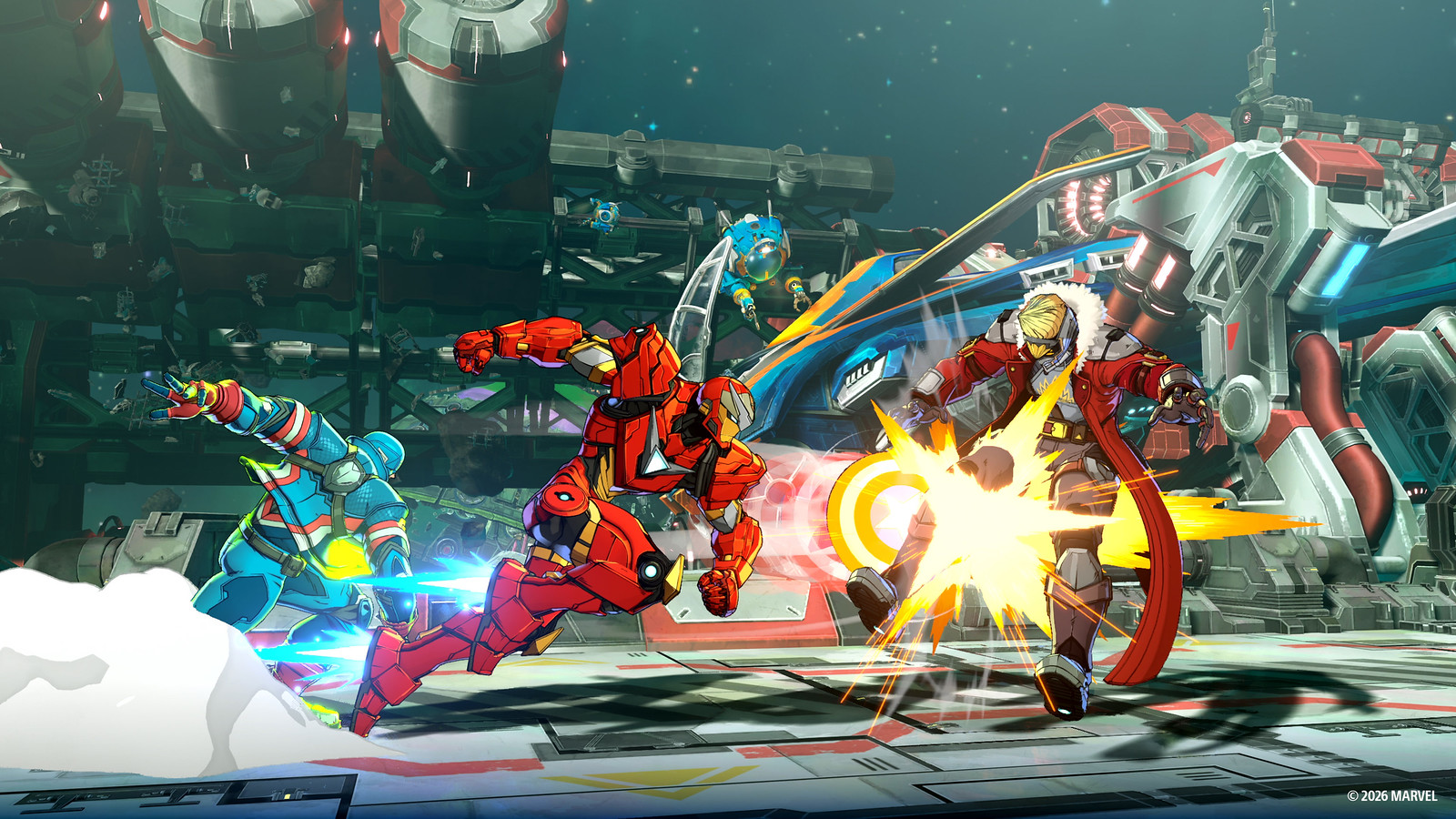
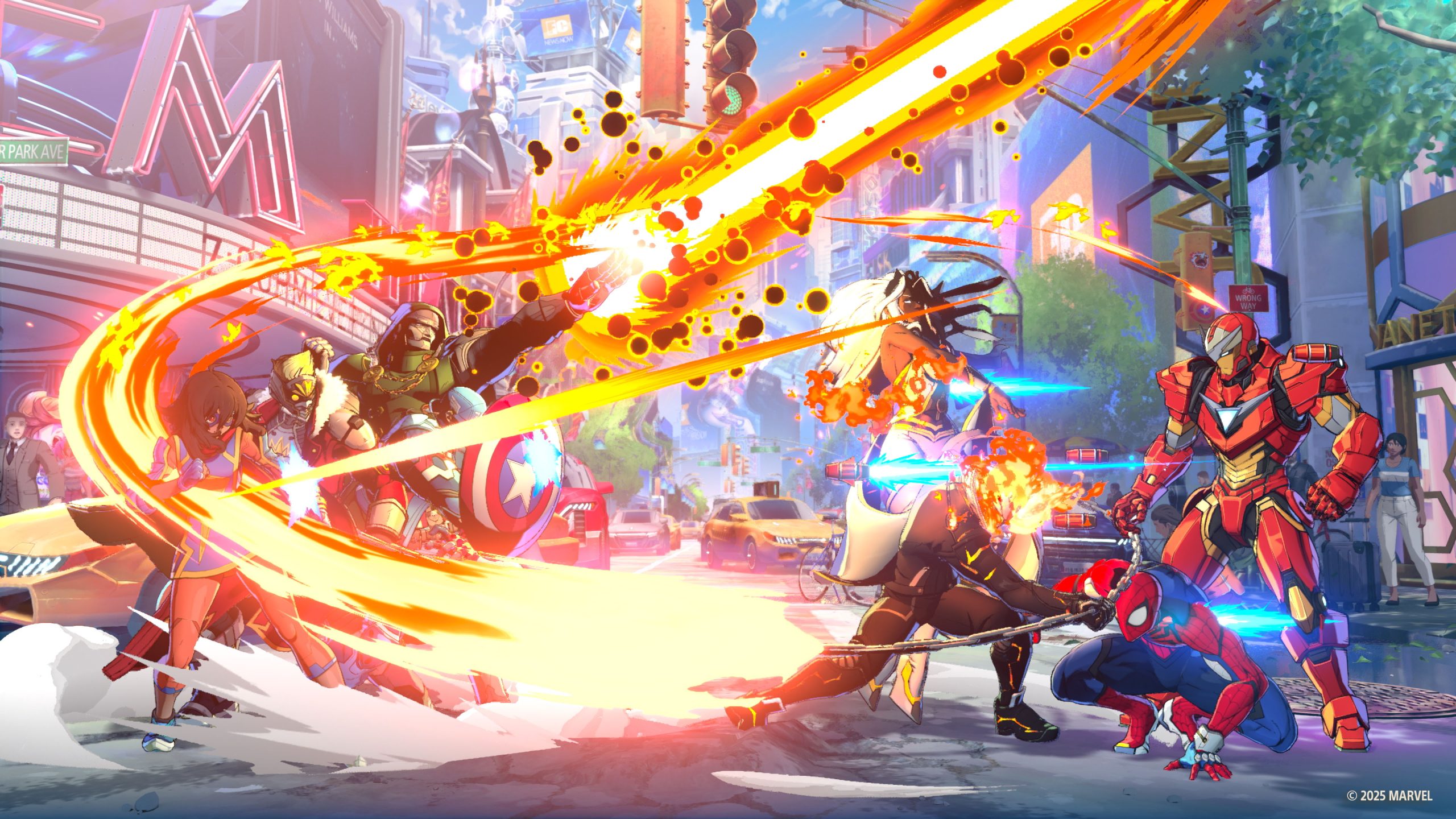
Let’s start with the most obvious part: the game is incredibly beautiful. Arc System Works has fully mastered the 2.5D aesthetic, and seeing American superheroes interpreted through a Japanese anime and comic book filter is very refreshing. The entire presentation screams quality, from the menus to the dynamic stages, which range from Wakanda to Asgard. And naturally, there are “walls” that react when you hit or throw your opponent through a special attack, into a new part of the arena.
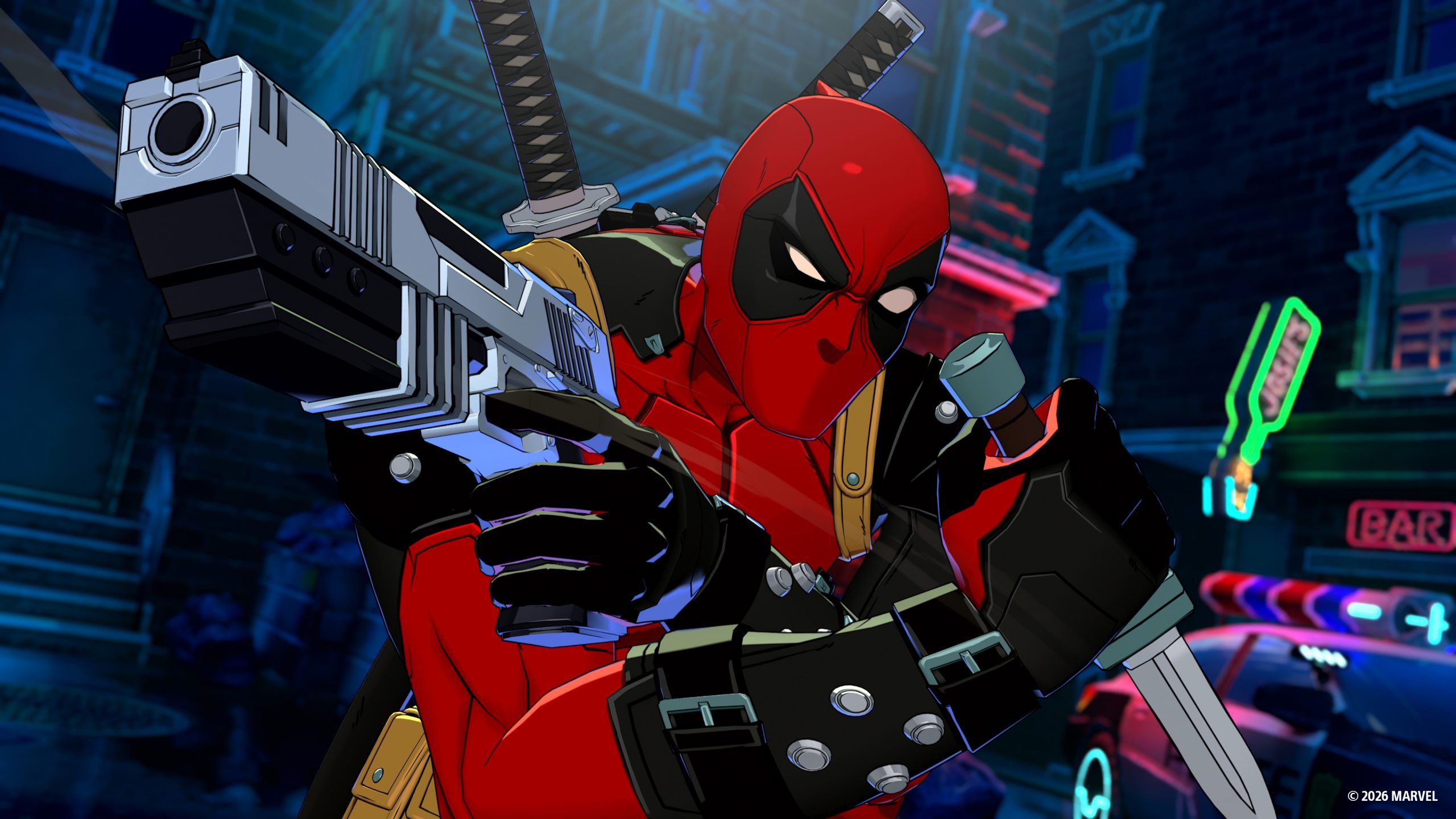
Even the storytelling in the single-player “Episode Mode” wholeheartedly embraces the comic book approach. Instead of the tired 3D cutscenes we often see in the genre, the story (penned by comic book veteran Kieron Gillen) is presented via high-resolution comic panels, complete with voice-overs for the speech bubbles. The developers have even hired different illustrators and colorists for each of the five teams’ campaigns to give them a unique feel, a detail that truly demonstrates the ambition behind the project. Of course, all storylines eventually lead to the next fight, but that is the case with all games in the genre.
Innovative yet demanding system
When it comes to the fights themselves, Marvel Tōkon introduces a rather unique system. Matches are always 4-vs-4, but your entire team shares a single health bar (Vital Gauge). This eliminates the “snowball effect” that often ruins classic tag games where losing one character essentially means the match is over. You start the match with only two characters available (a leader and an assist), and as a specific meter fills up, you unlock the rest of your team.
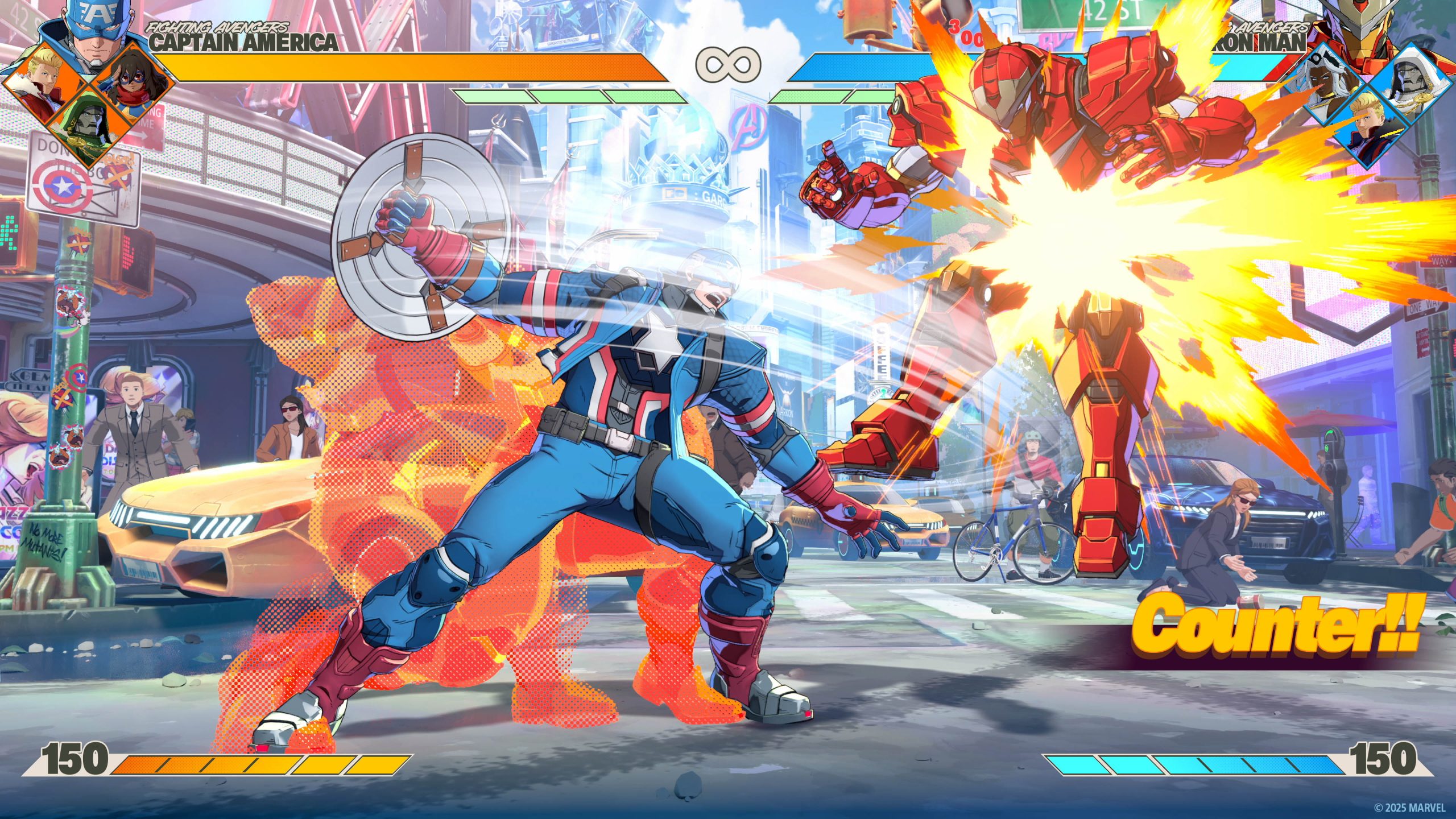
However, here we come to the game’s major drawback for this reviewer: the rather steep learning curve. The game is not nearly as inviting and direct as Capcom’s classic fighting games, or for that matter, 3D giants like Tekken and Dead or Alive, or even Street Fighter. Although Arc System Works has included simplified one-button controls and auto-combos to lower the barrier to entry, it doesn’t take long before the screen is filled with so much visual chaos (assist attacks, super meters that need to be timed, and “Wall Breaks”) that it becomes difficult to even keep track of and read the fight. Furthermore, the cluttered and rather unintuitive training mode doesn’t make it much easier to grasp the more advanced attacks and synergies.
But—and this is a big but—when it finally clicks, it is actually quite fun and addictive. Turning a disadvantage around by calling in Doctor Doom for an assist, tagging in Wolverine mid-air, and finishing with a “Super Assemble” involving your entire team is a powerful feeling. Playing on PS5 also enhances the experience as the haptic feedback in the DualSense controller is well-utilized to provide extra weight to every superpower-charged blow.
Plenty to do, but some flaws
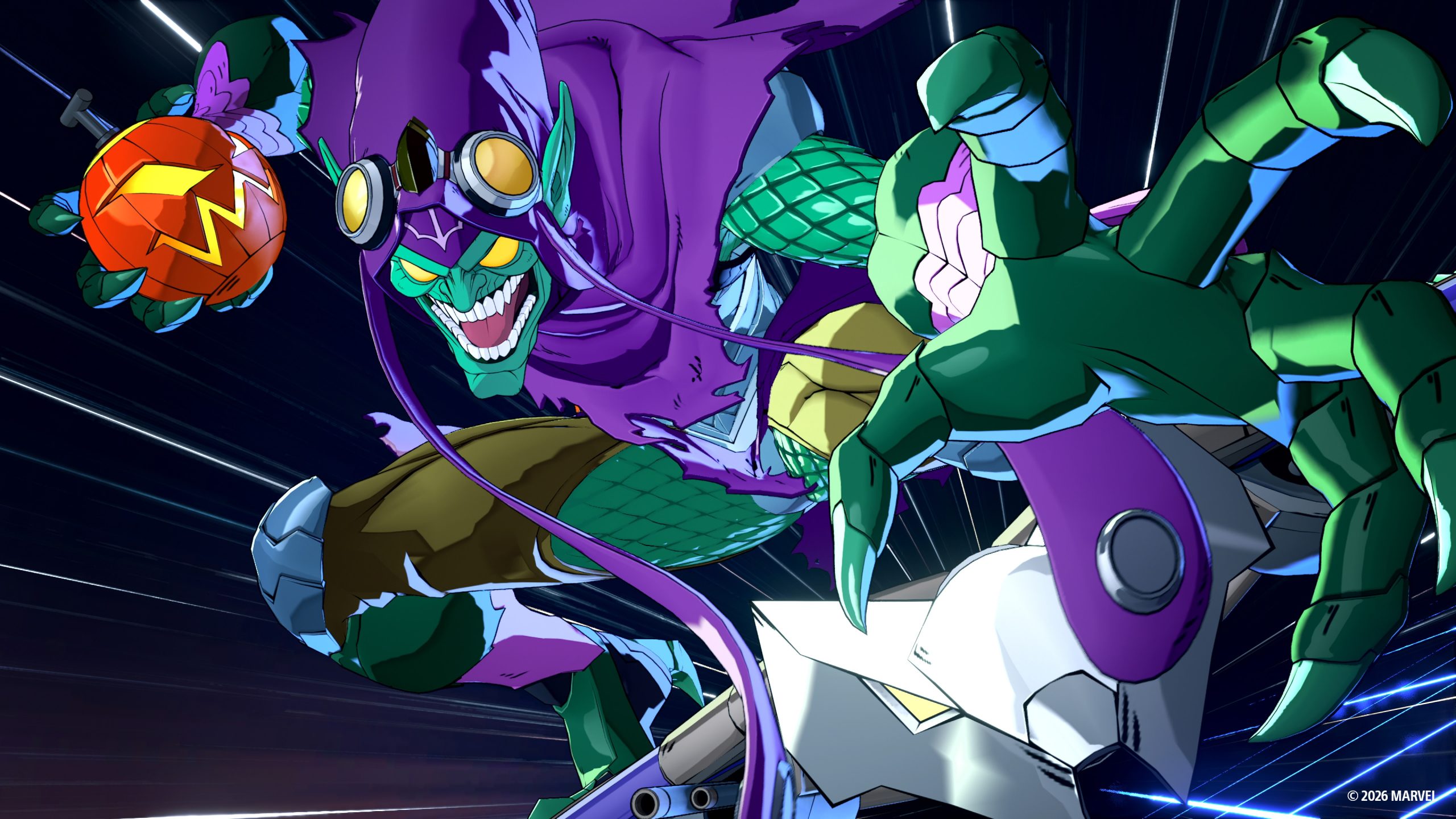
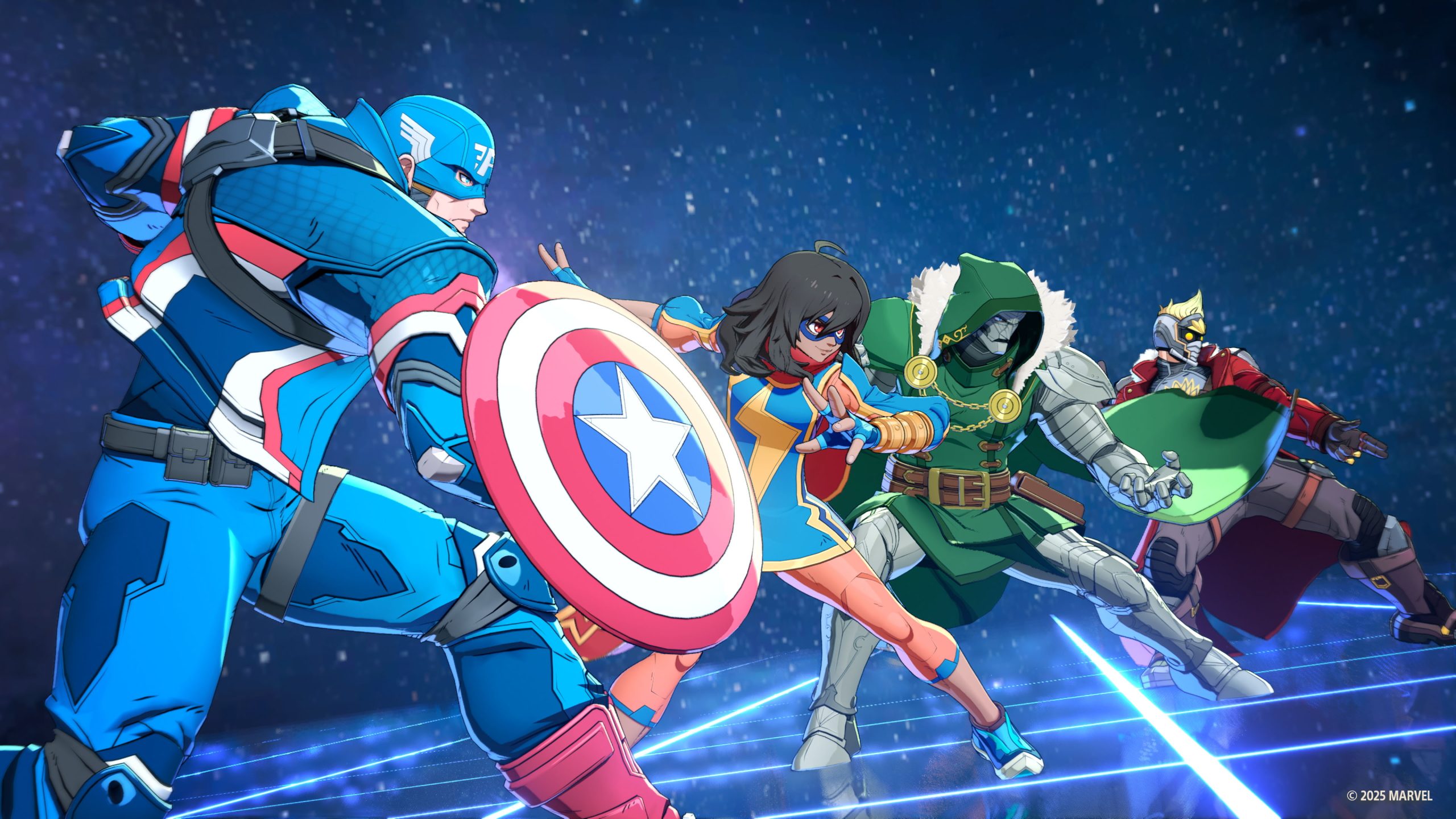
The game launches with 20 characters, plus the unlockable final boss The Champion. The roster offers a great mix of giants like Spider-Man, Iron Man, and Captain America, blended with more niche additions like Ghost Rider, Star Lord from Guardians of the Galaxy, Carnage, and Peni Parker in her mech. It’s a safe bet that expansion DLCs with more characters are to be expected.
While the presentation is top-notch, there are some downsides beyond the learning curve. The story mode is stylish, but it becomes quite repetitive over time and is occasionally unnecessarily text-heavy. And, although the ambition is appreciated, the voice acting is of inconsistent quality—fortunately, you can (and should) click your way through the comic panels. It should also be noted that the PC version has been plagued by major performance issues, but on the PS5 Pro where we tested the game, it runs flawlessly in 4K at a locked 60 frames per second during matches.
Conclusion
Marvel Tōkon: Fighting Souls is a deep and tactically rewarding fighter wrapped in a fantastic comic book aesthetic. For those willing to scale the mid-height wall of complex offensive systems, meters, and intense pacing, one of the most enjoyable team-based fighting games in years awaits. For more purely casual players who just want to jump in and trade some quick blows, however, it might require a bit more patience than one is prepared to give.
Playstation sent a review code for this test. The provider of the material has no editorial influence on our tests.
Review Highlights: Q&A
How does the team health mechanic work in matches?
Matches are 4-vs-4, and the entire team shares a single Vital Gauge health bar. Players begin with two active characters and unlock the remaining two as a specific meter fills.
Is the game easy for beginners to learn?
Despite simplified one-button controls and auto-combos, a steep learning curve, visual chaos, and a cluttered training mode make advanced mechanics harder to learn.
How does the single-player story mode present its narrative?
Episode Mode tells its story through high-resolution comic panels with voice-overs across five team campaigns written by Kieron Gillen, though it can become repetitive and text-heavy.
What is the technical performance on PS5 Pro?
On PS5 Pro, the game runs in 4K at a locked 60 frames per second during matches, and it utilizes DualSense haptic feedback.