
TL;DR
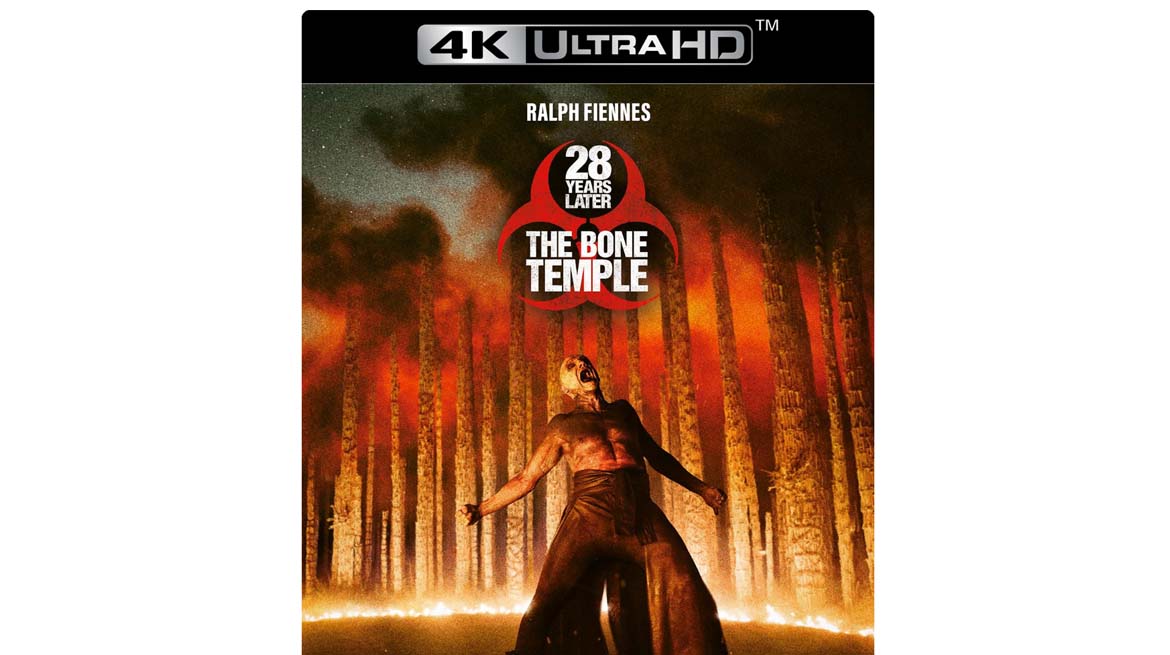
28 Years Later: The Bone Temple raises the stakes for the iconic horror franchise, delivering a more polished and cinematic experience under the direction of Nia DaCosta. Moving away from the previous entry’s iPhone aesthetic, this installment utilizes Arri Alexa cameras to create a visceral, high-tension atmosphere. The narrative follows Spike’s survival against a volatile gang while Dr. Kelson, played masterfully by Ralph Fiennes, explores the humanity left within alpha zombies. Despite some pacing hiccups and a suspenseful cliffhanger, the film shines through Jack O’Connell’s chilling performance and a top-tier UHD presentation with Dolby Atmos. This sequel doesn’t just compete with the original benchmark—it might just surpass it. Explore our full breakdown of the performances, technical specs, and why this is a must-watch for horror fans to dive deeper.
28 Years Later: The Bone Temple continues the narrative immediately following the events of 28 Years Later. Spike (Alfie Williams) finds himself in immediate peril when he is captured by the volatile Sir Lord Jimmy Crystal (Jack O’Connell) and his collective of henchmen, who all adopt the name Jimmy and refer to themselves as his “fingers.” Spike’s situation deteriorates as he is coerced into joining the gang on their violent campaign. Meanwhile, Dr. Ian Kelson (Ralph Fiennes) persists in his research into the infection, focusing on an “alpha” zombie he designates as Samson (Chi Lewis-Parry). Kelson posits that vestiges of humanity remain within the infected, a theory that leads him closer to unlocking the mystery of the virus. As Jimmy and his followers close in, a violent confrontation becomes inevitable.
As I noted in my review of 28 Years Later, I have long considered the original 28 Days Later the benchmark for the franchise, but that preference now faces serious competition. Because 28 Years Later: The Bone Temple was produced concurrently with its predecessor, Danny Boyle was unable to direct both installments. The helm was instead taken by Nia DaCosta (The Marvels, Candyman), who further establishes her credentials as a sophisticated horror filmmaker.
Direction, Cinematography, and Tone
Eschewing the iPhone cinematography of the previous entry, 28 Years Later: The Bone Temple utilizes Arri Alexa cameras, resulting in a significantly more polished and cinematic aesthetic. The film maintains a measured pace, but accelerates into high gear when the action demands it. It features some of the most harrowing and visceral sequences in recent memory, which DaCosta handles with enough skill to ensure the tension never devolves into gratuitous torture porn.
Acting Performances
I first encountered Ralph Fiennes in Kathryn Bigelow’s (Near Dark) underrated Strange Days, and I have been a devoted fan ever since. His filmography is remarkably versatile, ranging from the villainous Voldemort to the refined concierge of The Grand Budapest Hotel. While he played a supporting role in 28 Years Later, he takes center stage here as a large portion of the plot revolves around his character. Fiennes is masterful, and his screen chemistry with Chi Lewis-Parry is exceptional. In less capable hands, these scenes might have skewed toward the absurd, but Fiennes delivers them with grounded precision.
Jack O’Connell delivers a chilling performance as the unstable Sir Lord Jimmy Crystal, instantly securing a spot among the genre’s most memorable antagonists. He provides a disturbing look at mental instability in a lawless world. Crucially, O’Connell brings nuance to the role during his interactions with Kelson, offering brief glimpses of humanity that provide a clearer understanding of the character’s tragic nature.
Alfie Williams continues to prove his potential as a rising talent. As in the first installment, he handles demanding scenes with impressive maturity. His performance avoids melodramatic overacting, allowing the audience to truly connect with his character’s emotional stakes throughout the journey.
Weaknesses and Rhythm
While 28 Years Later: The Bone Temple feels more cohesive than its predecessor, it is not without its rhythmic issues. At times, it is evident that DaCosta became overly fond of certain sequences during the edit, allowing them to linger for too long. Consequently, the film occasionally loses momentum, focusing on minutiae that do not effectively drive the narrative forward.
The UHD Release
The film’s visual strengths are fully realized in this UHD release. The 4K (2160p) transfer, presented in a 2.39:1 aspect ratio, is derived from an ARRIRAW 4K source, ensuring a pristine digital pipeline. Both HDR10 and Dolby Vision are supported, offering superb color reproduction and deep black levels. The climactic nighttime sequence in the Bone Temple serves as a standout showcase for the format’s technical capabilities.
The Dolby Atmos soundtrack delivers significant dynamic impact throughout. The roars of the alpha, Samson, provide substantial low-frequency weight, while the mix excels at creating a convincing sense of space, particularly during the forest sequences. The audio is expertly balanced, maintaining clarity across the entire soundstage.
The disc is well-supplemented with bonus features, including three behind-the-scenes documentaries, a deleted scene, a blooper reel, and a feature-length commentary track.
Overall Impression and Conclusion
In many respects, 28 Years Later: The Bone Temple is the superior film. However, it is hampered by a similar structural issue: a cliffhanger ending. The narrative’s resolution now depends on a potential third installment, which feels less certain given the film’s softer performance at the box office compared to the simultaneous production of the first two chapters.
In summary, I highly recommend 28 Years Later: The Bone Temple. It is a more refined cinematic experience in almost every regard, bolstered by an impressive UHD presentation.
SF Studios sent a review copy for this test. The sender of the material has no editorial influence on our tests; we always write independently with you, the readers and consumers, in focus.
Review Highlights: Q&A
Who directed this installment of the franchise?
Nia DaCosta took the helm for this installment.
How is the visual quality on the UHD release?
The disc offers a pristine 2160p 4K digital transfer.
Does the movie provide a complete resolution?
No, the narrative ends on a major cliffhanger.
Who plays the main antagonist in the film?
Jack O’Connell stars as the unstable Jimmy Crystal.
What cameras were used to shoot the movie?
The film uses Arri Alexa cameras for a polished look.
What bonus features are included on the disc?
It includes documentaries, a commentary, and more.