
TL;DR
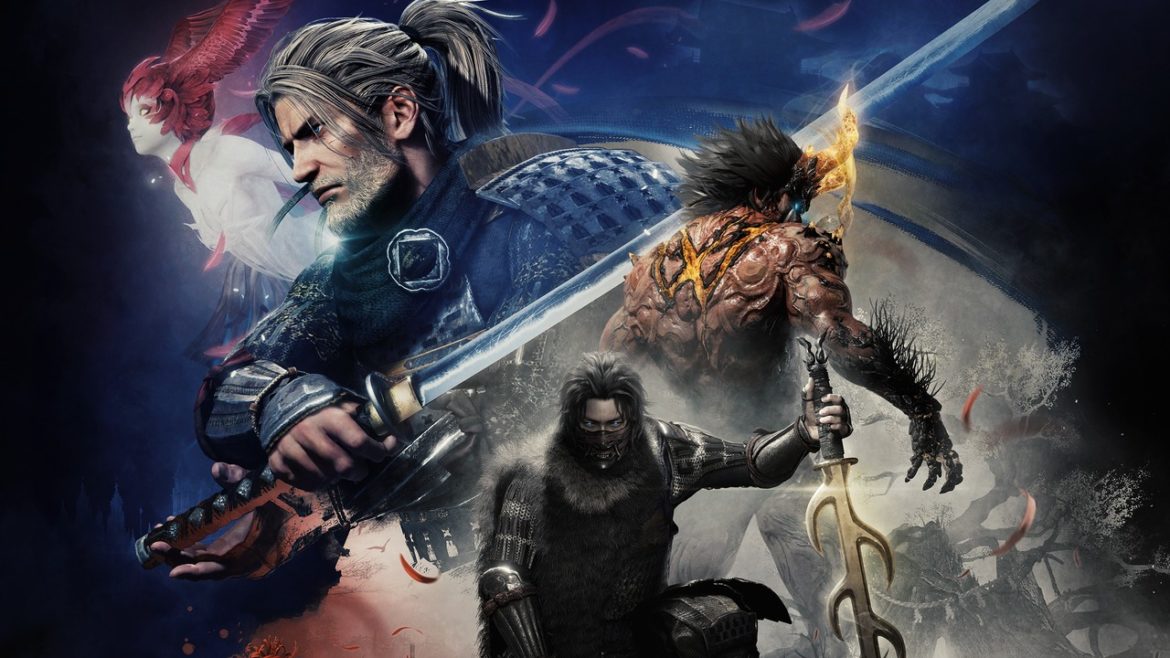
The Nioh Collection brings two challenging samurai action RPGs to PS5 with performance and graphical upgrades, including faster loading and a choice between 4K or 120fps modes. While the PS5 versions are the definitive way to play, the "remaster" is more of a performance boost than a full overhaul, with unchanged cutscenes and audio. It's a great value for newcomers or those seeking the best experience, but existing PS4 owners might find the upgrades modest. Dive into intense combat and loot-filled worlds, but decide if the enhancements justify a repurchase. Read on for the full breakdown of this collection's technical leap.
If the Nioh Collection seems familiar, it’s because the first game was released on PS4 in 2016 (and reviewed on senses), while the second launched almost exactly a year ago. Now, both games are available in a remastered collection, optimized exclusively for Playstation 5. The result is a worthwhile, if somewhat uneven, experience for fans.
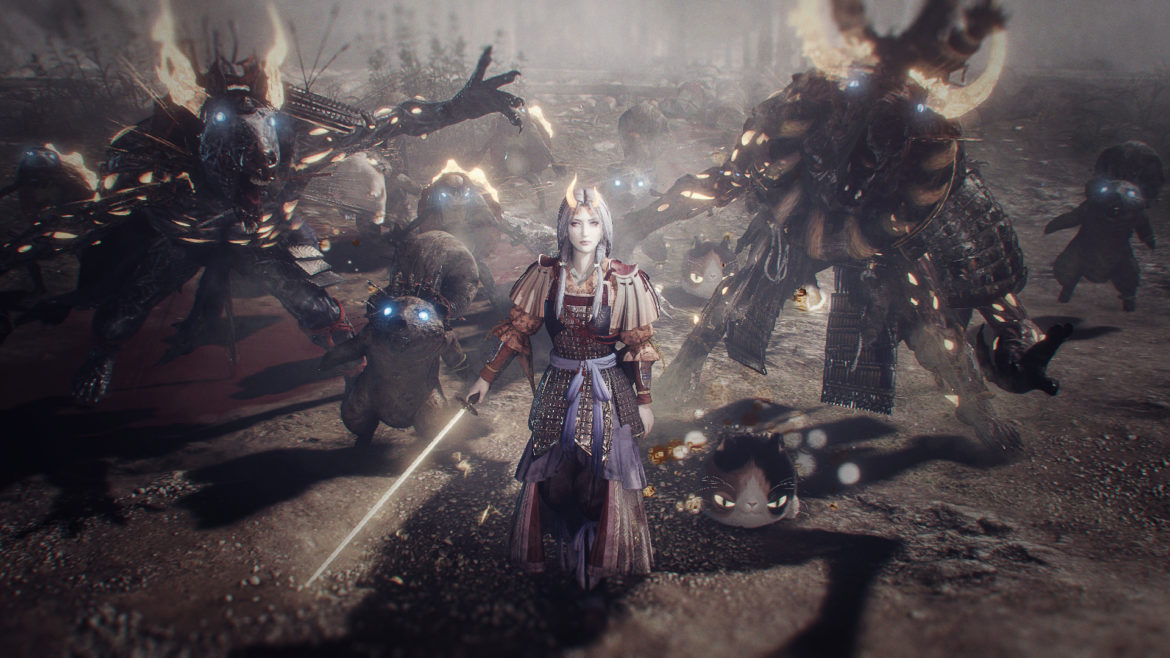
The Nioh games draw heavily from the From Software (Souls) formula: a single-player action RPG characterized by challenging gameplay and a death mechanic that necessitates retrieving lost items upon respawn. This genre has gained significant popularity, resulting in increased competition from titles such as Mortal Shell and Sekiro: Shadows Die Twice, alongside From Software’s own releases and remasters (including Demon Souls, a PS5 launch title). This review will primarily cover the technical aspects of the collection; for more comprehensive coverage of the games themselves, please refer to the link provided above.
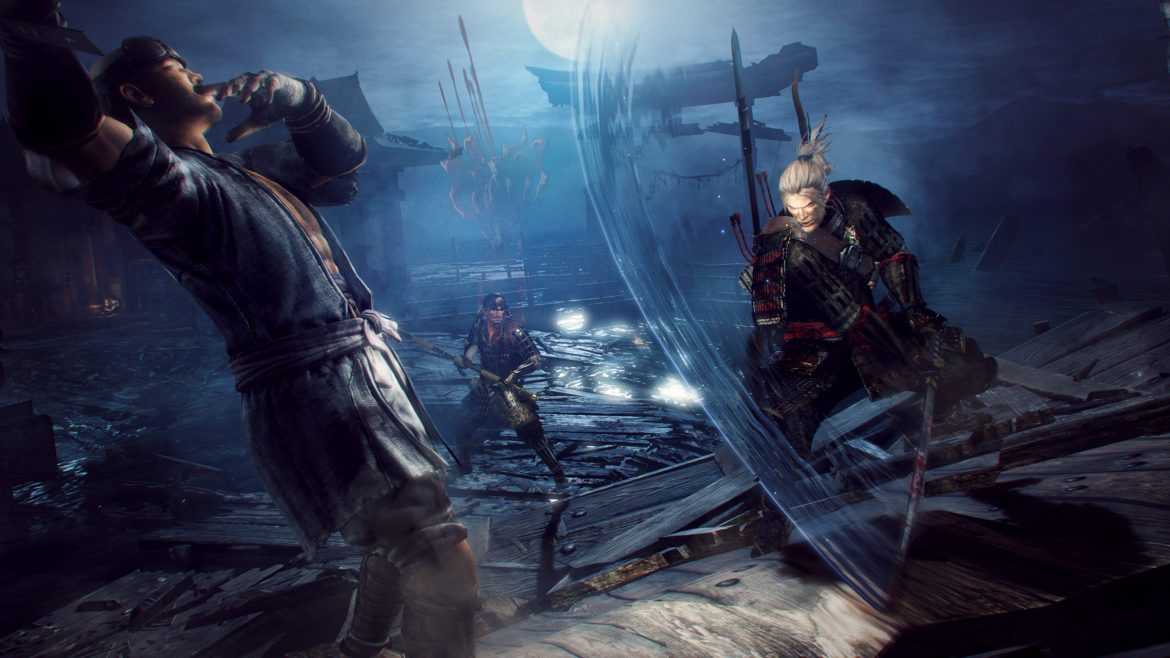
The Nioh Collection on PS5 offers three graphics modes: 4K Mode (dynamic 4K, as Nioh 2 does not consistently maintain native 4K), a “PS5 Mode” which can be misleadingly interpreted as being intended for non-4K displays. This mode is effectively a “Quality Mode”, prioritizing detail at a high resolution while maintaining a target frame rate of 60fps, often approaching 4K but without consistently reaching that peak resolution. Finally, there is a 120fps Mode, which necessitates a significant reduction in resolution, dropping to approximately Full HD. This mode delivers exceptional fluidity; Nioh benefits greatly, feeling particularly responsive, while the sequel experiences occasional frame drops, though the overall experience remains acceptable. Given that the Nioh games were not originally designed for the PS5, limitations inherent in the original code may be a factor. However, it is somewhat disappointing to have to choose between graphical fidelity and performance so early in the PS5’s lifecycle. The choice is between 4K or 120fps, higher detail or smoother frame rate. This raises questions about future “8K” gaming and the necessary compromises. While drawing definitive conclusions about the PS5’s capabilities based on this title might be premature considering Nioh‘s origins on the PS3, one would expect a four-year-old game to be effortlessly handled by the PS5’s processing power.
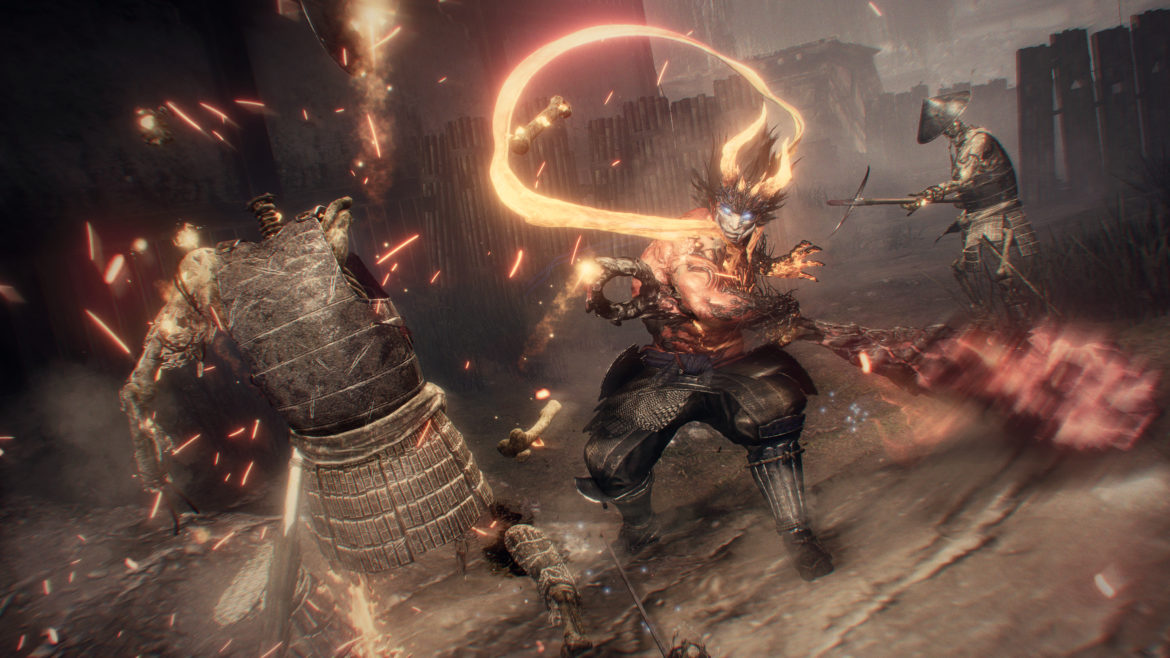
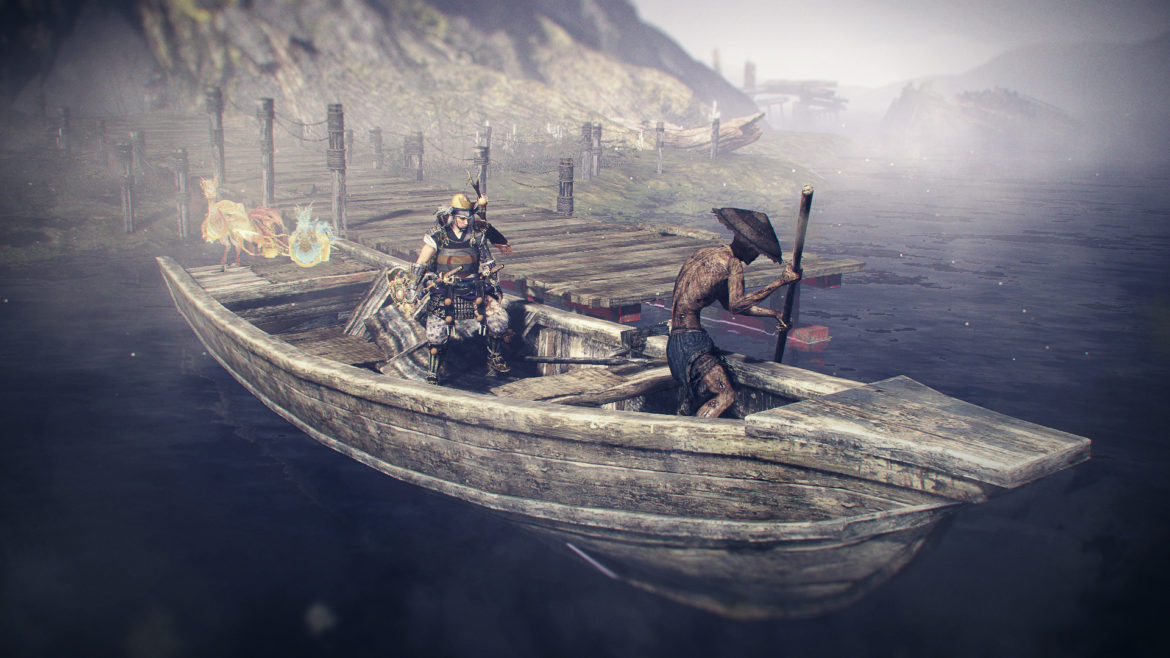
Overall, the presentation and performance receive a noticeable upgrade. While Nioh performed adequately on PS4 Pro, it never achieved a consistent 4K or 120fps, while the sequel experienced performance issues. In this collection, both games represent their most visually appealing and performant iterations. In general, PS5 Mode offers the optimal balance between visual quality, resolution, and frame rate. For players who prioritize fast-paced action, the 120fps mode may be preferable, although it requires an HDMI 2.1-compatible display (which are becoming increasingly available). However, while these enhancements are welcome, they might be considered somewhat modest for a true remaster. Ideally, the original Nioh (now five years old) would have benefited more from the PS5’s capabilities. Furthermore, the untouched cutscenes, with their limited color palette and compression artifacts from the PS4 era, are a disappointment. Re-rendering these to leverage the PS5’s superior processing power would have been a significant improvement.
A significant improvement is the loading times. Thanks to the PS5’s SSD architecture and API, both Nioh games now load levels almost instantaneously. The collection also includes substantial DLC, particularly for Nioh 2, which provides a head start with powerful equipment, a necessity given the game’s demanding difficulty. The first game is structured more like an action-adventure title, where players can improve through grinding and stat allocation. Nioh 2 offers greater complexity, depth, and variation; prior experience with the first game is not required. The ideal approach might be to begin with the first game to avoid it feeling too simplistic (in all aspects) after playing the second.
The audio remains unchanged from the original releases. While the sound design is commendable, a remix of the audio channels and a higher bitrate for the base audio would have been appreciated.
Ultimately, the Nioh Collection offers two games for the price of a single PS5 title, which appears to be a good value proposition. However, these are fundamentally PS4 games that have received performance improvements expected from the PS5’s hardware, rather than a comprehensive remastering effort involving active enhancements to graphical details, textures, audio, and cutscenes (which remain unaltered). Many remasters are more deserving of the title, though these often involve games from earlier console generations, not titles released just a year prior. For fans of challenging samurai action games that blend history with fantasy and offer a reasonably deep action-RPG experience, the Nioh Collection on PS5 is still a worthwhile purchase. However, for those who have already completed both games on PS4 (Pro), the value is less clear. The improvements may not justify a repurchase, and the funds could be better allocated elsewhere, with the PS4 versions of the Nioh games playable on PS5 via backwards compatibility.
We eagerly anticipate the release of Ratchet & Clank: A Rift Apart on June 11, which appears to be the first major title that truly harnesses the full potential of the PS5. The console – and its players – deserve it.
Review Highlights: Q&A
What graphics modes are available in The Nioh Collection on PS5?
The Nioh Collection features three graphics modes on PS5: dynamic 4K Mode, a PS5 Mode prioritizing detail at high resolution with a 60fps target, and a 120fps Mode. The 120fps mode drops resolution to around Full HD and requires an HDMI 2.1 display.
How fast are the loading times in The Nioh Collection on PS5?
Loading times are significantly improved thanks to the PlayStation 5's SSD architecture and API. Both games in the collection now load their levels almost instantaneously, providing a major upgrade over the original releases.
Does The Nioh Collection include extra content or DLC?
Yes, the collection includes substantial DLC, particularly for the second title. This additional content provides players with powerful starting equipment, which is helpful given the demanding difficulty of the game.
Were the cutscenes and audio upgraded for the PS5 version?
The cutscenes and audio remain largely unchanged from the original PS4 versions. Cutscenes still show compression artifacts and a limited color palette, while the audio did not receive a channel remix or higher bitrate.
Is The Nioh Collection worth buying if you already own the PS4 versions?
The upgrade value is less clear for players who have already completed both titles on PS4 or PS4 Pro. The performance enhancements might not justify a repurchase since the original PS4 editions can be played via backwards compatibility.
