
TL;DR
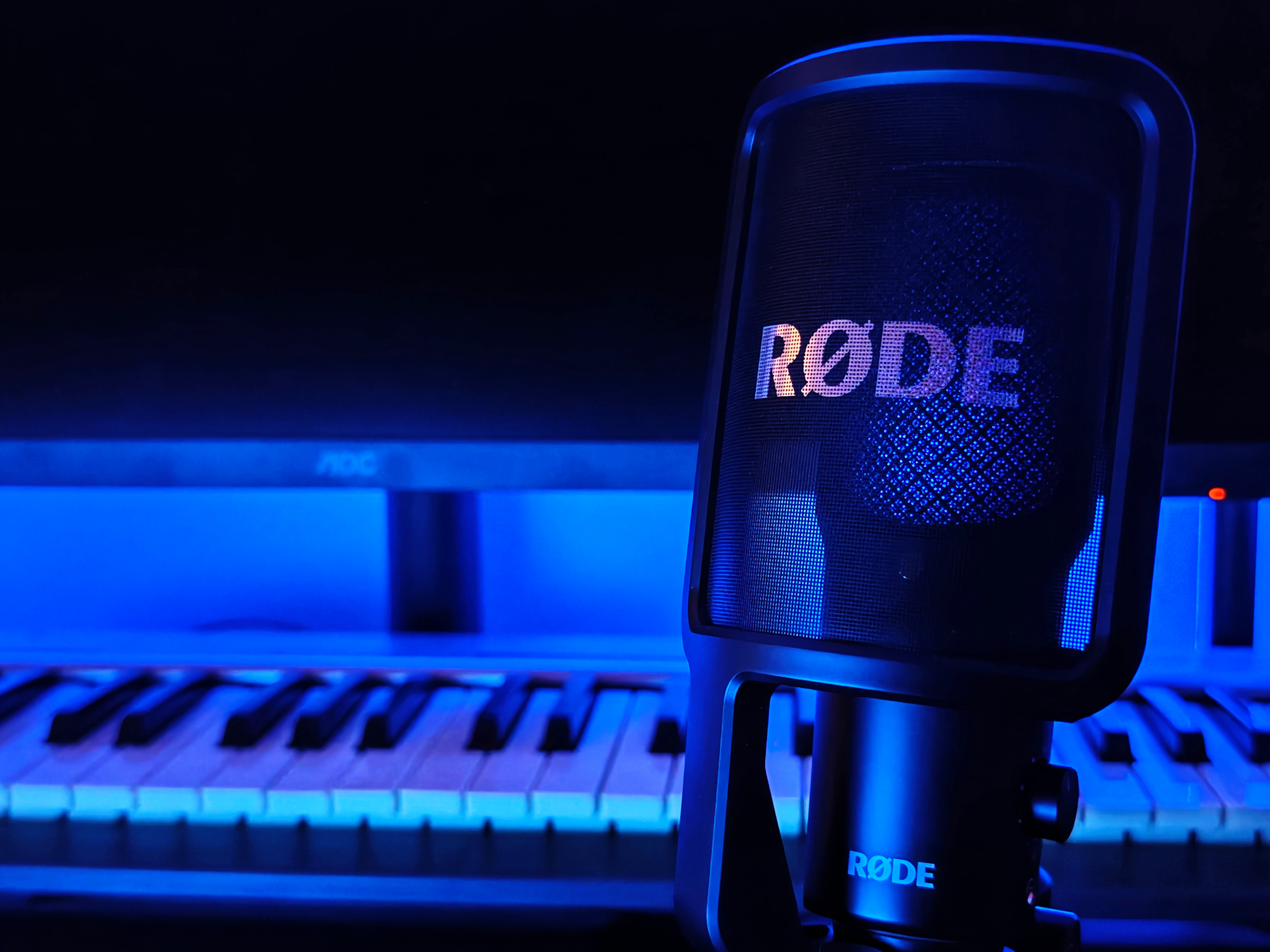
Røde, a brand with deep Australian-Swedish roots, has a rich history of innovation in audio, famously with their NT1 and VideoMic. Their latest offering, the Røde NT-USB+, is a premium portable USB microphone that excels at direct recording to phones, tablets, or computers, offering excellent build quality and crystal-clear audio. It features intuitive on-mic controls, robust bundled software with APHEX processing for audio enhancement, and a durable pop filter. While it lacks a physical mute button and gain dial found on some competitors, its overall value, user-friendliness, and high-fidelity sound make it a compelling choice, especially for mobile creators. Dive into the full review to see why this microphone earns an excellent rating.
Røde… if you’re thinking Danish, you’re wrong. If you’re thinking Australian, you’re closer. But if you’re thinking Swedish, you’re exactly right. In 1967, Henry and Astrid Freedman—married Swedish emigrants to Australia and the company’s founders—opened the doors to Freedman Electronics. The company quickly became a success and was regarded as an expert source in fields such as speakers, amplifiers, various pro audio electronics, and the occasional microphone. It was around 1990, when Henry and Astrid’s son Peter truly began experimenting with microphones, that the iconic NT1 was eventually born. The microphone became one of the best-selling microphones of all time due to its quality and affordable price. During the 1990s and early 2000s, Røde became an industry standard and was found in studios worldwide. There is a story that the microphone sold so well it earned the nickname “Rodent1.” The clever observer can derive from that, with a bit of a Scandinavian tone, Røde + NT1. Whether that is exactly how it happened we shall leave unsaid, but it certainly fits well.
In 2004 came the next invention, the Røde VideoMic. A so-called ”shotgun microphone” whose directional recording capability made it perfect for filmmaking. Røde continued to keep up with the times and identified new needs in the world. As early as 2007, the Podcaster microphone arrived, one of the world’s first USB microphones whose purpose is explained by its name. Then in 2014, the NT-USB microphone was released, as it became clear that the need for high-quality microphones that could easily be plugged into a computer would not diminish.
Which leads us to the subject of this test, the Røde NT-USB+, a high-quality portable USB microphone that enables recording directly into your phone, tablet, or computer. During our test, we have found things we like and some we have opinions on. The microphone is not for every type of recording (like headphones, the perfect microphone doesn’t exist), but certain details make it extra convenient if you are on the move.
To this day, Røde is owned by The Freedman Group, so even if the geographical connection has been diluted somewhat, the heritage lives on in the name.
(Photo: senses.se)
A first impression – Røde NT-USB+
The Røde NT-USB+ felt premium even before we laid hands on the product; the box, the weight, and the overall feel did their part. Premium might be the wrong word. Quality, robustness, and engineering might fit better. And it is perhaps a matter of taste whether there is a difference.
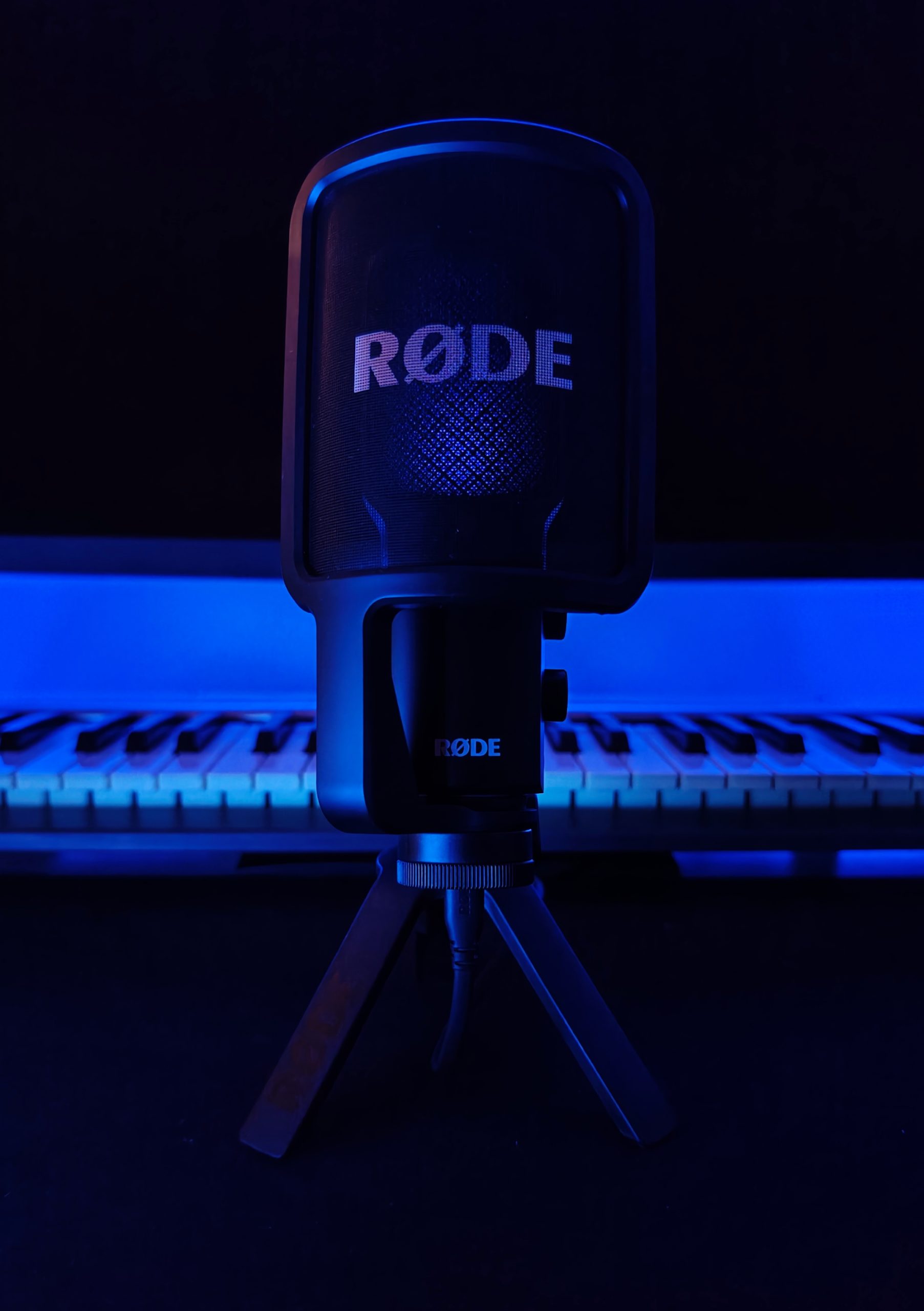
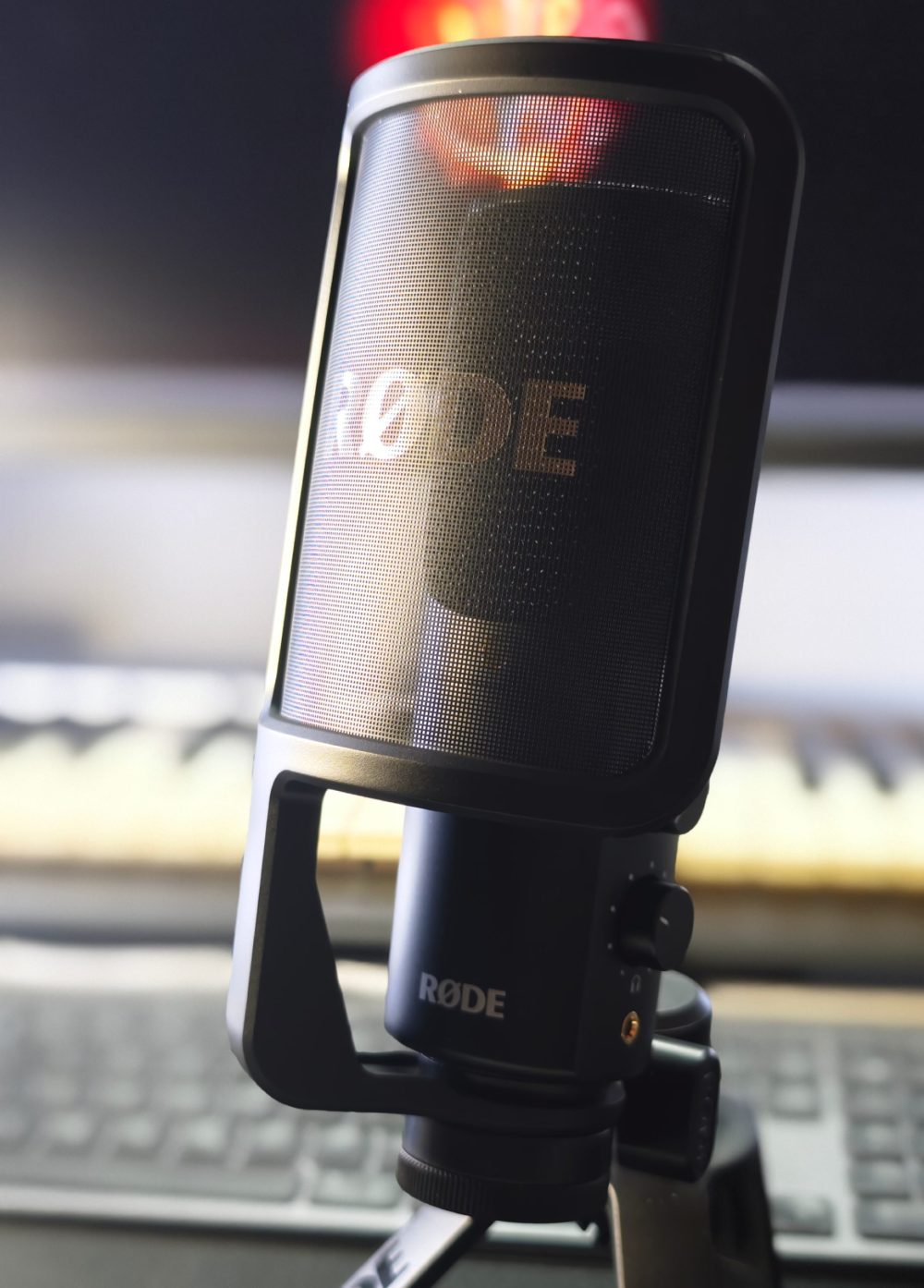
The microphone itself is made entirely of metal and weighs 540g without accessories. A pop filter (metal mesh on a plastic frame) comes pre-mounted on the microphone in the box, so all that needs to be done is to screw the microphone onto the tripod, attach the generous three-meter USB-C to USB-C cable, route the cord under the microphone, and connect it to the source. Because of the USB-C connection—which is one of the major differences between this and its predecessor, the NT-USB, which connected via USB-A—the source can be your phone, a tablet, a Mac, or a PC. Whatever you plug it into, the small blue light in the microphone turns on and you’re ready to go.
(Photo: senses.se)
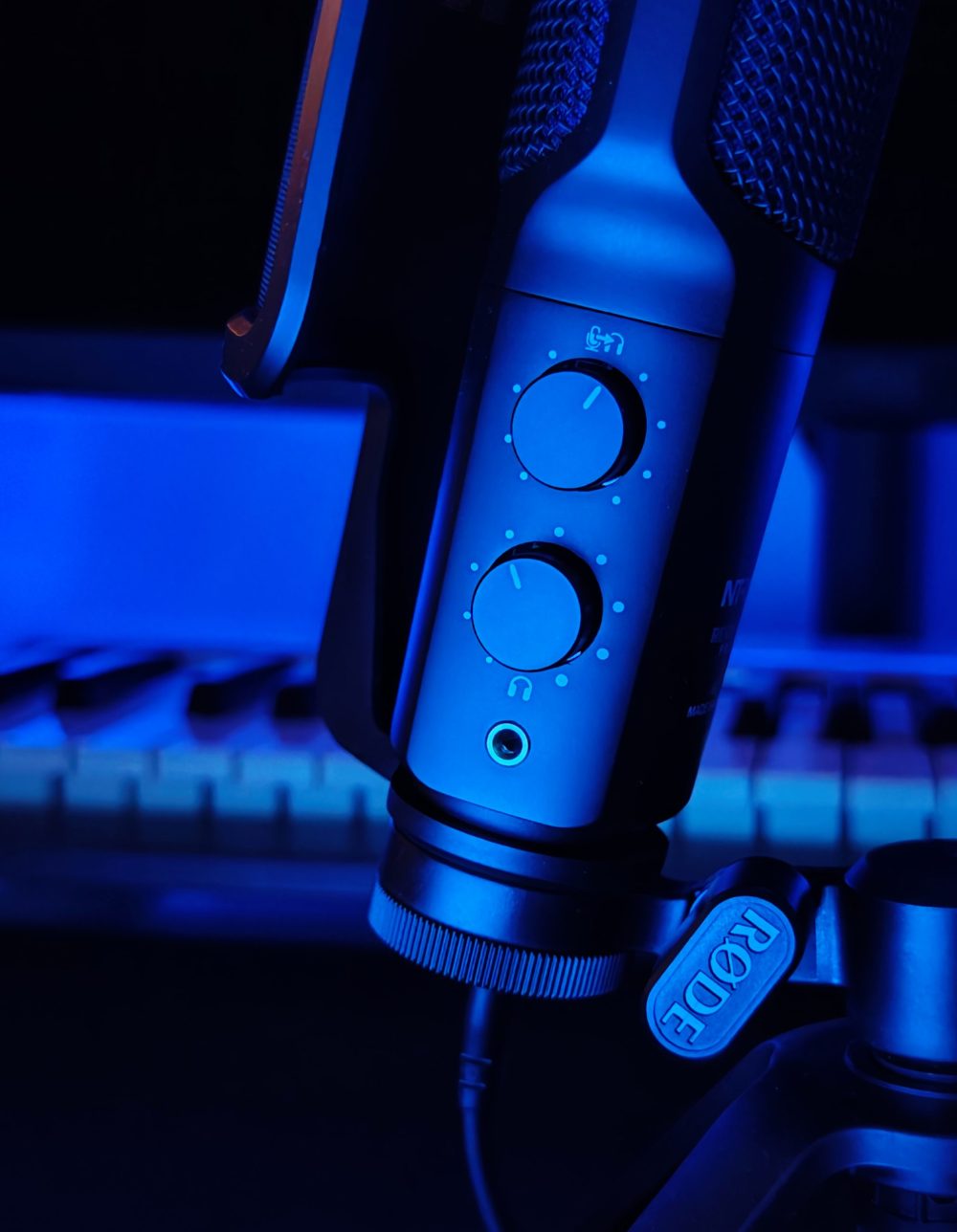
On the side of the microphone are two controls and a 3.5 mm jack. One dial controls the volume for incoming audio, such as a counterpart in a call or music if you are recording an instrument or vocals. And in the latter case, recording vocals, the other dial becomes central as it controls your monitoring—meaning your own voice combined with the incoming audio. That’s it, plain and simple. Which also makes the Røde NT-USB+ easy to use.
Røde offers software for Mac, PC, and Android
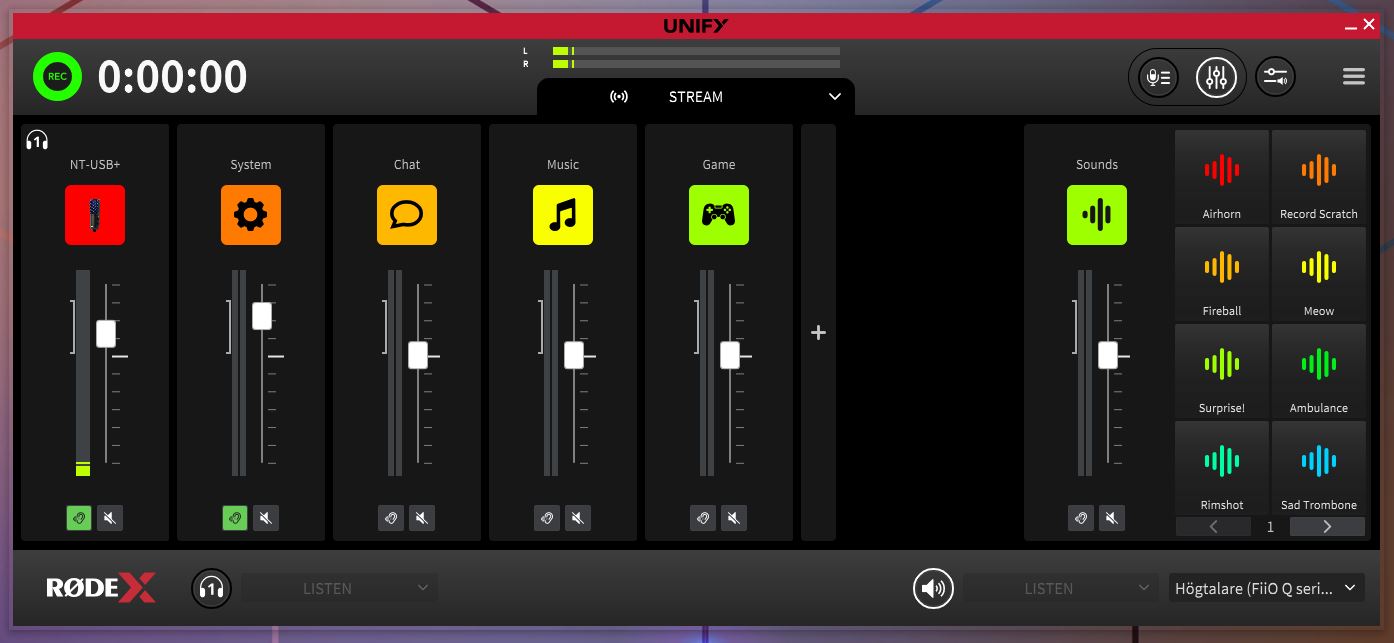
On the Røde NT-USB+ website, there are four programs available for download. The first, Røde Unify, is software for content creation and streaming. The mixer allows you to simultaneously play and record audio from the game you are playing, the video you are commenting on, your own voice, and possibly some background music. Each channel is clearly represented where you can control levels, and in true podcast spirit, there is also a library of various sounds, which you can also build upon yourself, for use in your content. Røde Connect is very similar to Røde Unify and is simply a stripped-down version. If you are only running a podcast, this is sufficient.
(Photo: Røde)
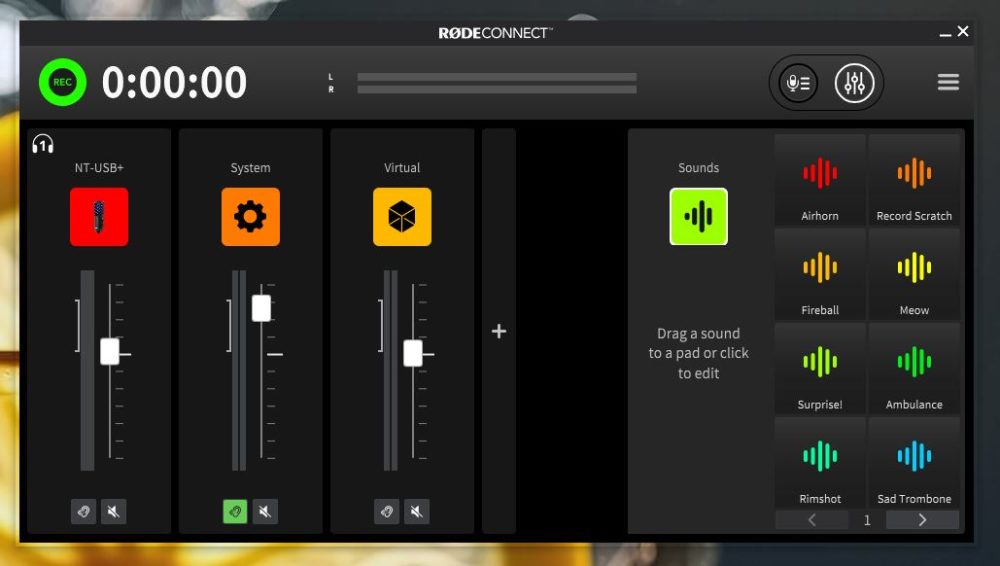
(Photo: Røde)
The third is Røde Central, which is primarily used for the configuration of various connected devices.
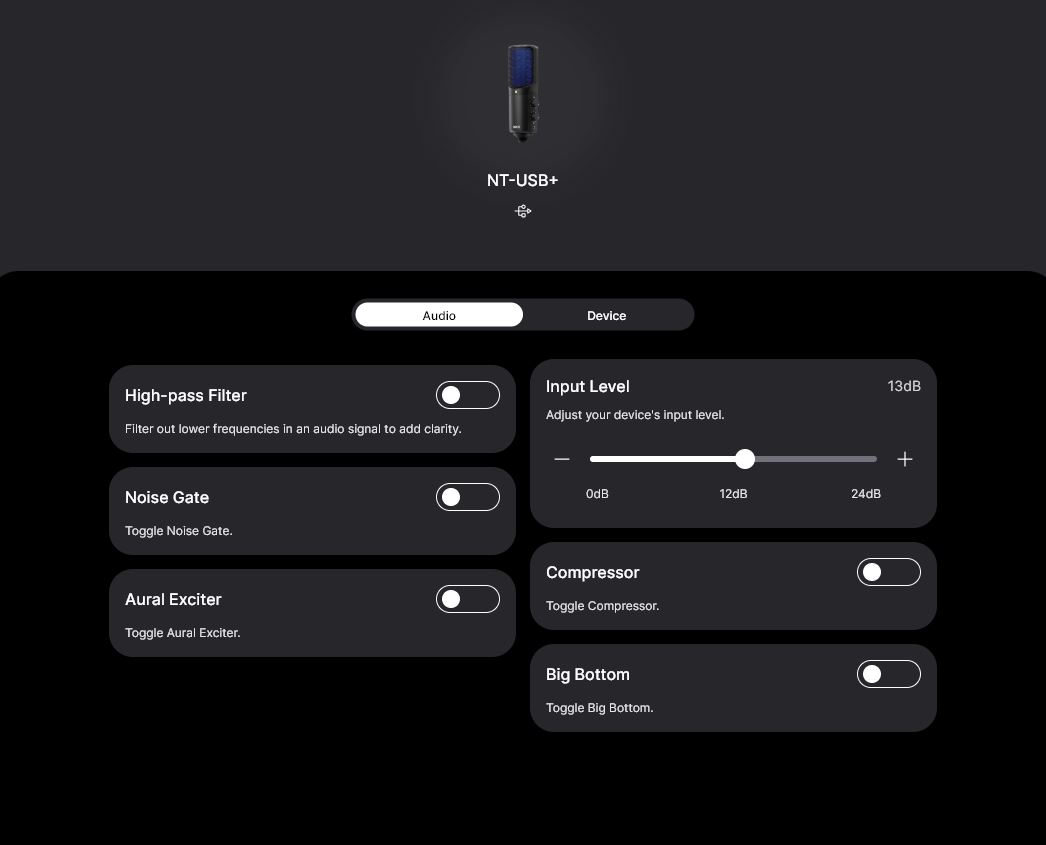
(Photo: Røde)
The fourth, Røde Reporter, can be found in the App Store or Google Play and is designed to provide essentially all the above functions, except for the mixing console, to your phone or tablet. Røde Reporter differs slightly as it does not necessarily require a microphone from Røde to function; instead, it turns your phone into a more professional recording tool. You can set the signal strength, you get a small guidance bar showing if your incoming audio is at the right level, and you can also choose the format. Either Standard (48kHz, 24-bit, Wave) or compressed (48kHz, up to 300kbps, MP3).
If you click on the NT-USB+ channel, APHEX appears, where you can improve the sound with several functions. A High-Pass filter can help with hiss and fans in the room, a Noise Gate cuts all sound below a certain threshold, a Compressor clips the peaks and boosts the lows so the volume becomes even, an Aural Exciter helps bring out clarity and detail in the sound, and finally Big Bottom, which increases the deeper frequencies so your voice moves toward a rumbling trailer voice.
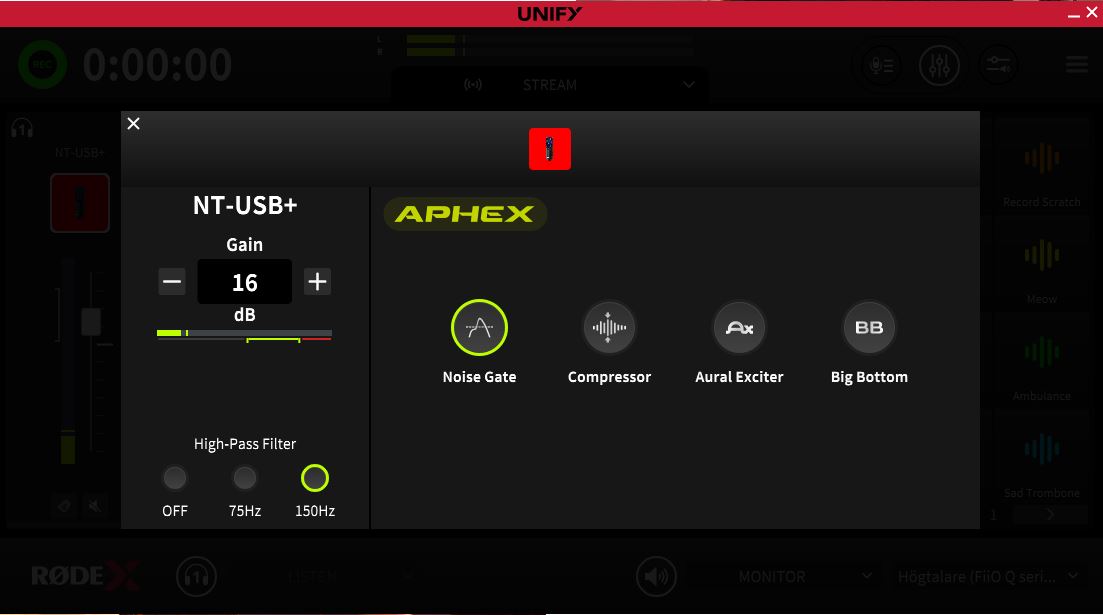
(Photo: Røde)
The core – the sound
To begin with, we can simply say that what is captured by the Røde NT-USB+ sounds phenomenal. The sensitivity is sufficient to venture into ASMR territory, but at the same time, you can capture speech, vocals, guitar, and small percussion instruments. Its portable format means you can capture that railing you might have been drumming on that would sound absolutely spectacular for some song. Without compromising on quality.
The sound is broad, full, and contains a depth that is not as evident in other microphones such as the Sennheiser Profile (we have not tested the Sennheiser Profile ourselves but have listened to several comparisons during the test research).
The microphone has a Cardioid Polar Pattern where sensitivity for incoming sound is primarily from the front. It is not completely blind at the back, but almost.
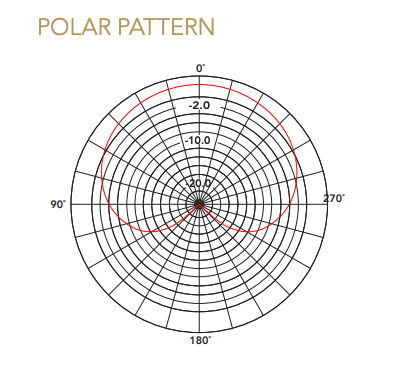
Consequently, the NT-USB+ also captures some ambient noise from the room, and it is also relatively sensitive to sounds that can come from handling a microphone stand or accidental thumping on the table. But as mentioned above, APHEX has some good solutions for precisely these problems without degrading the sound.
Things we like…
The pop filter included with the Røde NT-USB+ is reassuringly durable with its plastic frame and metal mesh. Normally, pop filters are fragile and need to be packed carefully to avoid breaking, something you don’t have to worry about with the NT-USB+. The included software, which in some cases you don’t actually need the NT-USB+ to use, is intuitive and easy to understand. For those who are a bit inexperienced, the fields for incoming signal strength are a reassuring help; you can easily see if the sound is too loud or too low.
…and miss
There are primarily two features we miss that are found on many USB microphones, and a good example is the aforementioned Sennheiser Profile. First and foremost, we miss a physical mute button. Especially if you are broadcasting live, this function is central, and sure, it exists in the programs and the app, but once you have set everything up, you likely click on other programs that sit on top. If something unexpected happens, it can take a second or two to find it, which can feel like a long time. It’s not a huge deal, but simultaneously something we miss.
The Sennheiser Profile also has a physical gain dial, i.e., control for incoming signal strength. This function would have been nice, but we might be overstating it if we say we “miss” it. Unless you are on the move conducting interviews, it is enough to have it in the software. A soundcheck and a bit of practice go a long way.
(Photo: senses.se)
The Verdict – Røde NT-USB+
You will pay approximately 1,600 SEK for the Røde NT-USB+, which, considering the build quality, the high-quality format, and the included software, does not feel high. It feels worthwhile through and through. The simplicity and the built-in help also mean that first-time buyers should not shy away; it’s not a huge investment and you will guaranteed be satisfied. The gut feeling is also that it has a good lifespan given its robustness.
There aren’t actually many flaws, which means the Røde NT-USB+ gets a fine rating. And you readers should keep an eye out for further tests from this Swedish-descended brand that for so many years has provided the world with great sound, because there is more to discover here than just fine microphones.
Røde sent a review unit for this test. Senders of material have no editorial influence on our tests; we always write independently with you readers and consumers in focus.
Review Highlights: Q&A
What devices is the Røde NT-USB+ compatible with?
It connects via USB-C to phones, tablets, Macs, and PCs.
What accessories come included with the microphone?
The box includes a tripod, a pop filter, and a 3-meter USB-C cable.
Does the microphone have a physical mute button?
No, it lacks a physical mute button, which must be managed via software.
What do the two dials on the side of the mic control?
They control the headphone volume and the voice monitoring mix.
Can I enhance the audio using official software?
Yes, Røde software provides APHEX tools like filters and compressors.
How heavy and durable is the NT-USB+?
It features a robust all-metal build and weighs 540 grams.
What is the recording pattern of this microphone?
It uses a Cardioid Polar Pattern, focusing on sound from the front.