TL;DR
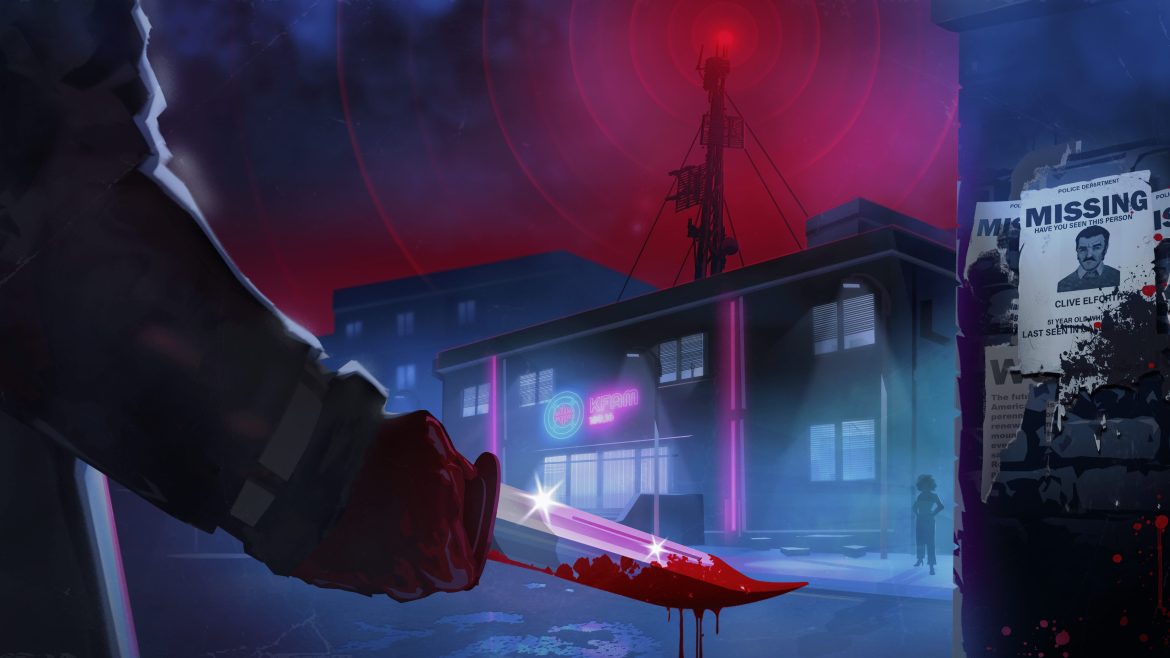
Step into the 1980s as a radio host trying to save your town from a killer in Killer Frequency. You'll guide residents to safety, solve clues, and keep the tunes flowing, all through an audio-driven experience. While the graphics are sharp and the soundtrack is great, the voice acting can be a bit hit-or-miss, and the premise might stretch your belief. It's a fresh concept with solid gameplay, but some narrative choices hold it back from perfection. Curious if this unique premise hits the right notes? Dive into the full review to find out!
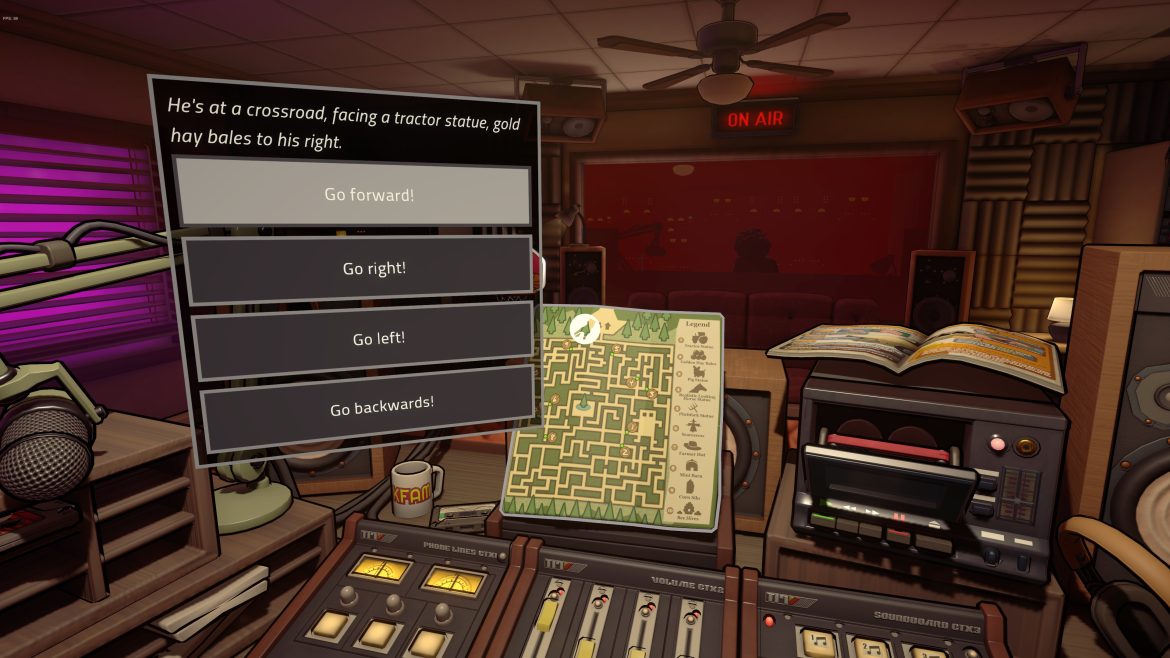
In Killer Frequency, players assume the role of Forest Nash, a nighttime radio host in a small 1980s town. With a murderer on the loose, Nash must leverage his position to save the town’s residents. This involves providing critical information, deciphering clues, and guiding potential victims to safety. Simultaneously, maintaining the radio station’s operations—playing music and managing commercial breaks—adds another layer of challenge. Even minor missteps can have significant consequences.
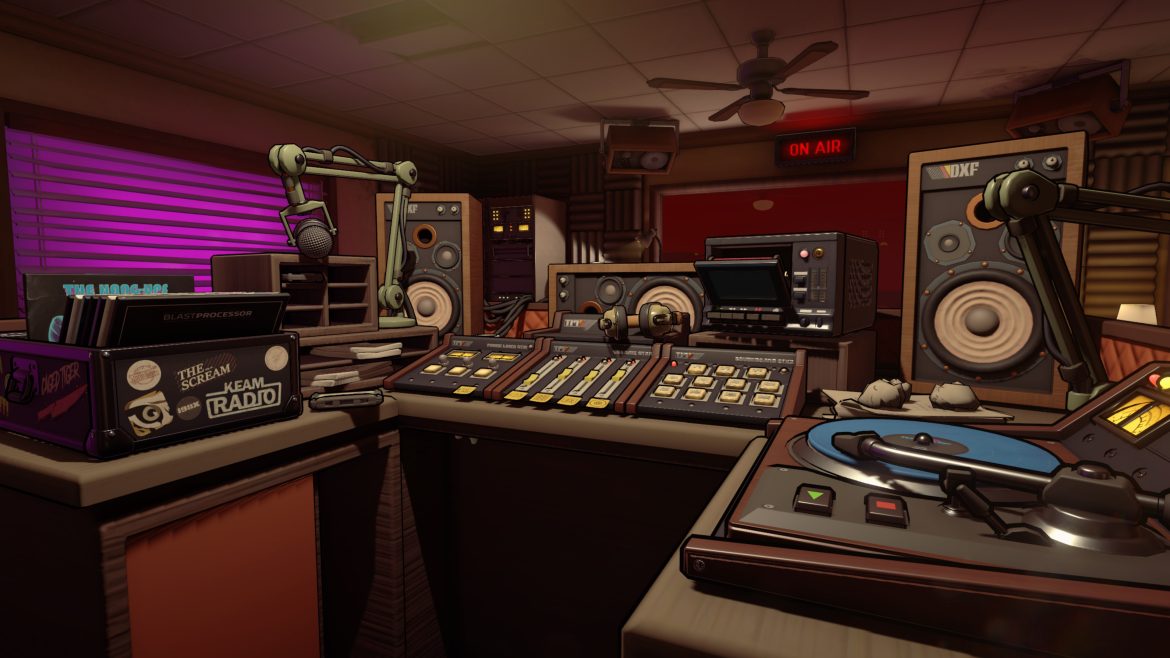
Killer Frequency offers a distinctly unique gameplay experience. Its premise hinges on an almost exclusively audio-driven format. However, the voice acting can be inconsistent, occasionally leading to unintended comedic moments.
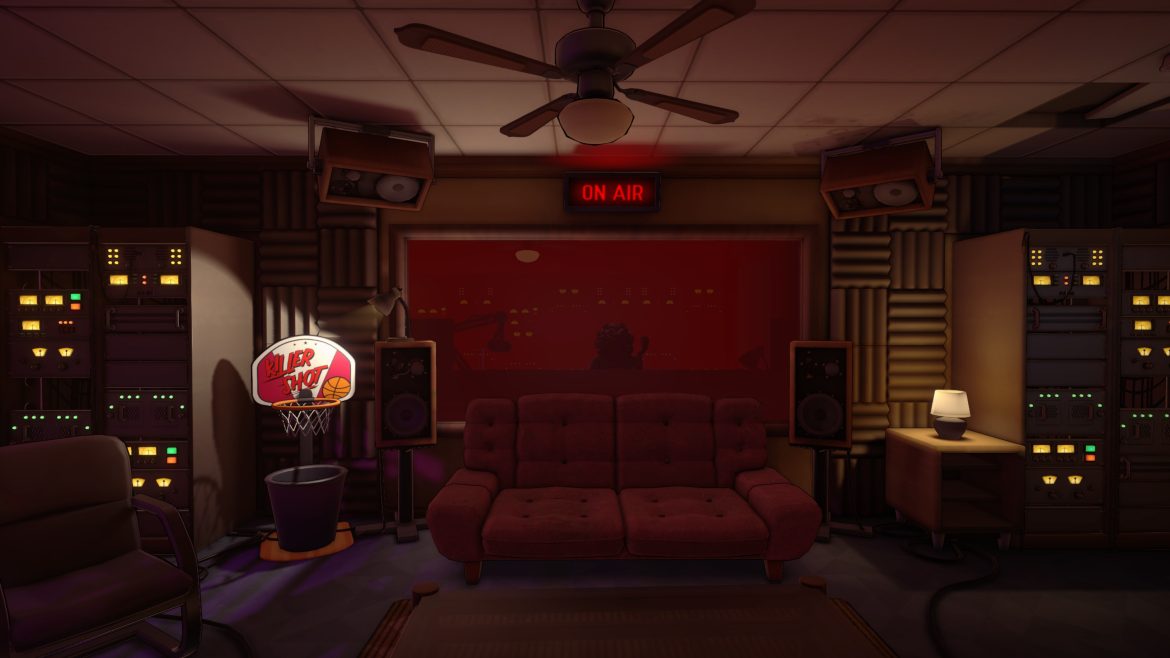
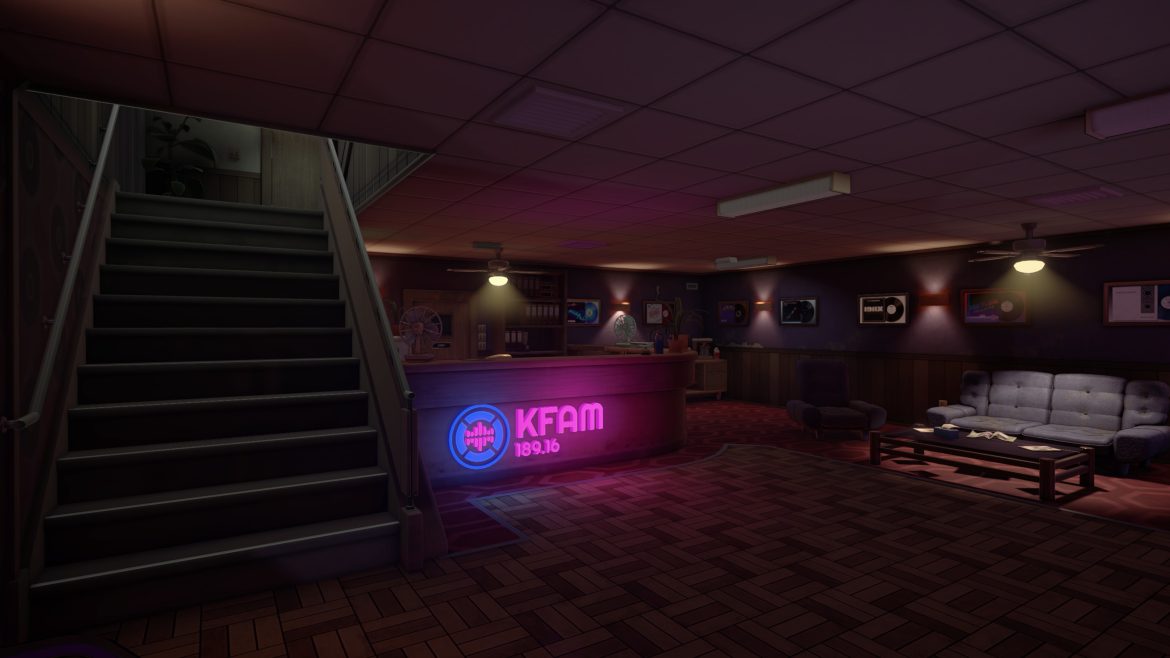
The game features clean and well-executed graphics. The sound design is generally impressive, incorporating a diverse music library. Players can select from a wide range of songs and pre-recorded segments to broadcast. While initially, manipulating objects felt slightly unintuitive, the control scheme quickly becomes natural, allowing for easy interaction with the environment and its various interactive elements.
While the core concept is unique, its execution presents some narrative challenges. The premise that the radio host possesses superior insight compared to individuals directly involved in dangerous situations becomes somewhat strained as the game progresses. This requires a degree of suspension of disbelief, which may detract from the overall experience for some players.
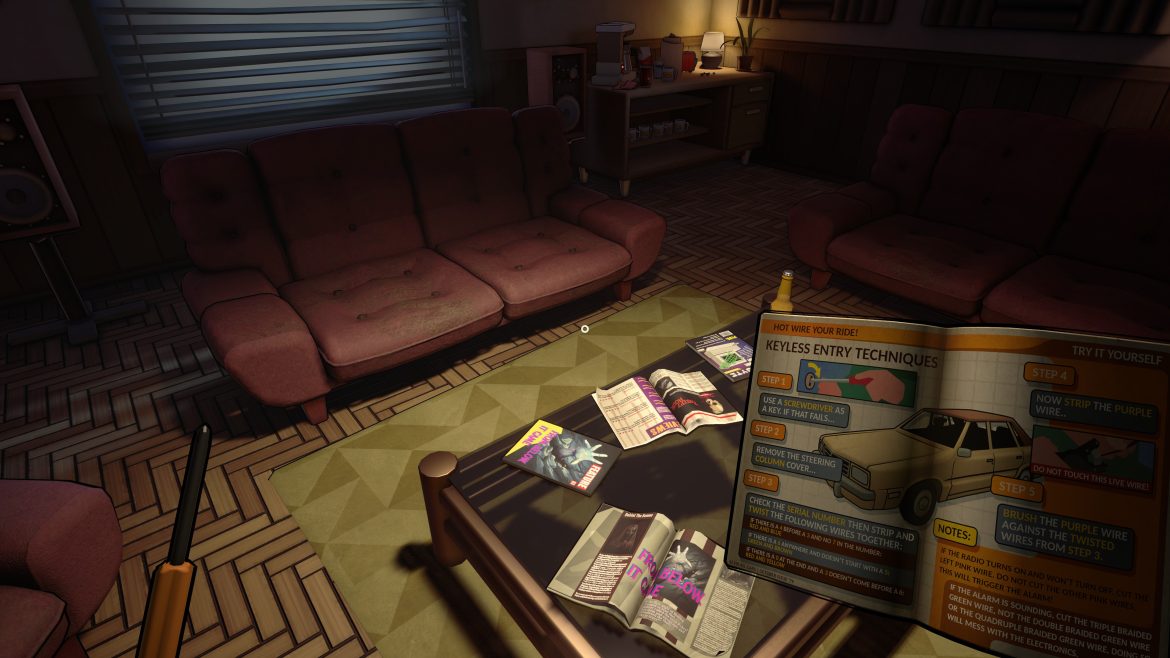
In conclusion, Killer Frequency distinguishes itself with a novel premise, complemented by polished graphics and an engaging gameplay loop. However, certain aspects of its execution prevent it from fully realizing its potential, resulting in a mid-range score.
Team 17 provided a review code for this analysis. Content creators do not have editorial influence on our reviews.
Review Highlights: Q&A
What is the player's role in Killer Frequency?
You play as Forest Nash, a 1980s nighttime radio host.
What is the primary objective of the game?
You must save residents from a murderer using clues and information.
How do you manage the radio station during play?
Players play music and manage commercial breaks while working.
What are the graphics and sound design like?
The game features clean graphics and an impressive music library.
Are the game's controls difficult to master?
They feel unintuitive at first but quickly become natural.
What are the main criticisms of the game?
Voice acting is inconsistent and the plot can feel strained.
Where and when is the game set?
The story takes place in a small town during the 1980s.
What is the unique gameplay format?
The gameplay relies on an almost exclusively audio-driven format.