TL;DR
PlayStation surprised everyone with *God of War: Sons of Sparta*, a Metroidvania twist on the franchise. It dives into Kratos' Sparta origins with retro pixel art, but while the premise is intriguing and the atmosphere is solid, the gameplay suffers from slow pacing and repetitive combat. Bugs also mar the experience. It's a competent, budget-friendly fan service title, but lacks the refinement to be truly standout. Curious to see if this experimental direction pays off? Read our full review for the details.
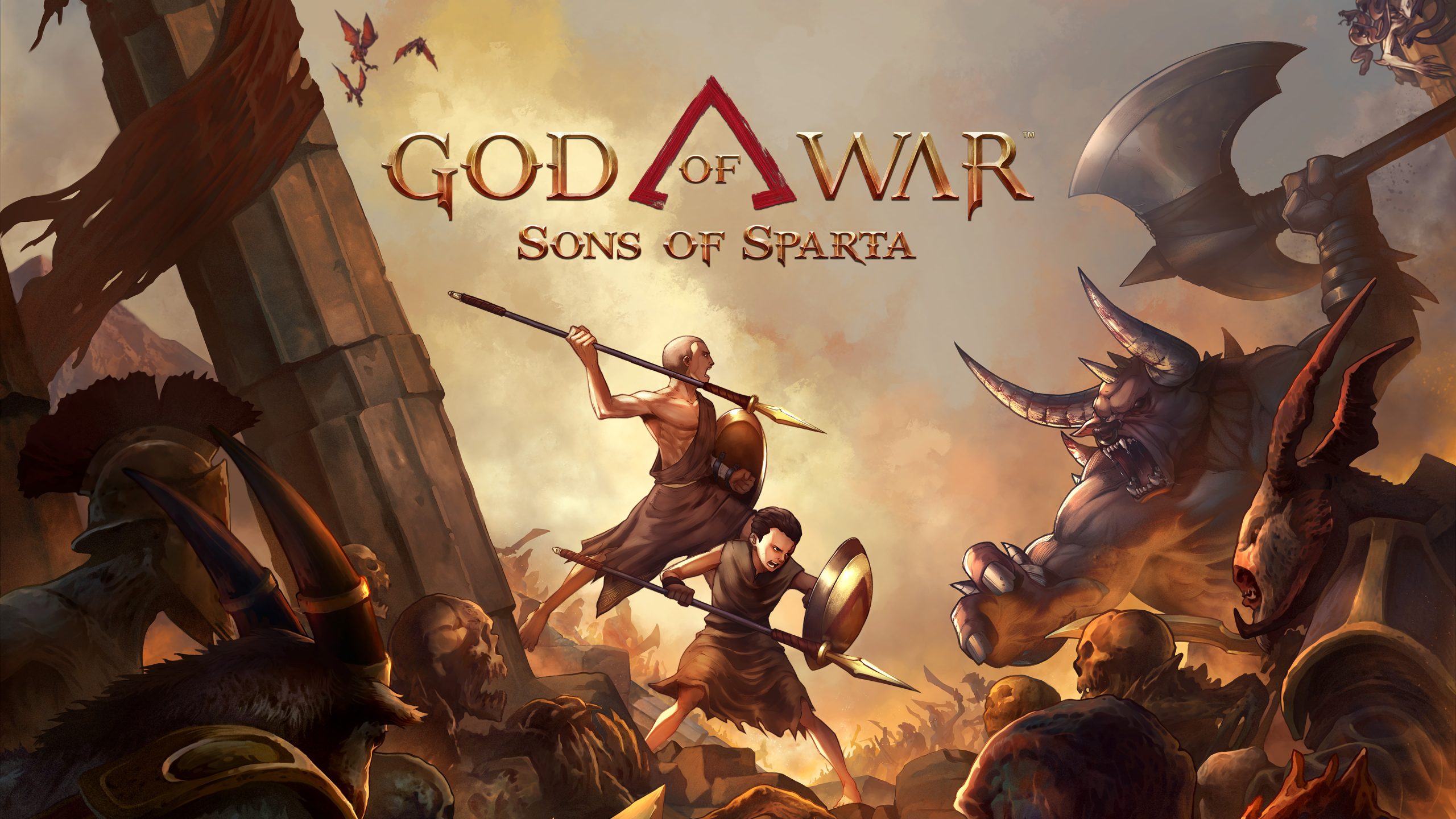
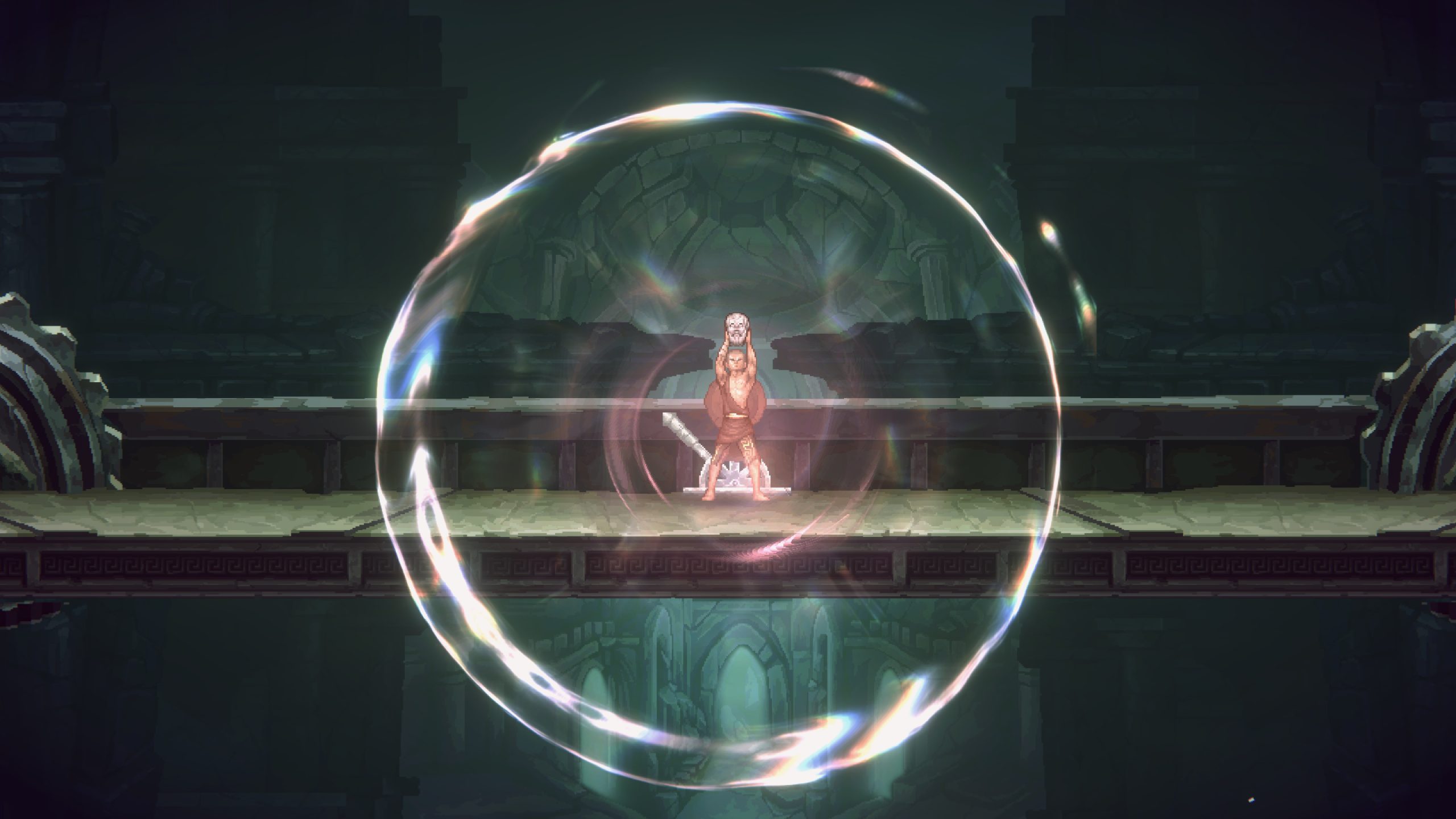
It’s tricky to “shadow-drop” games. No one, except those in the know, could have guessed that Playstation would suddenly give us a new God of War game, but that is exactly what happened in connection with State of Play (where everyone received it at the same time, both us journalists and you consumers). It likely helps that Amazon is working on the God of War TV series (where Christian Magdu was apparently one of the candidates and auditioned for the lead role). When a new God of War thunders into the editorial office, expectations are always sky-high, as we have been fans since the series’ first incarnation 20 years ago. This time, however, it is not a grand 3D epic from Santa Monica Studio that we are being offered, but an unexpected collaboration with Mega Cat Studios. God of War: Sons of Sparta is, in fact, the series’ very first Metroidvania, presented in a retro-inspired 2.5D environment with pixelated graphics reminiscent of the 16-bit era. It is a bold spin-off that attempts to blend the series’ bloody DNA with a completely new structure. The end result is ultimately a decent product that delivers exactly what it promises for the moment, but unfortunately not much more.
The Plot in Brief
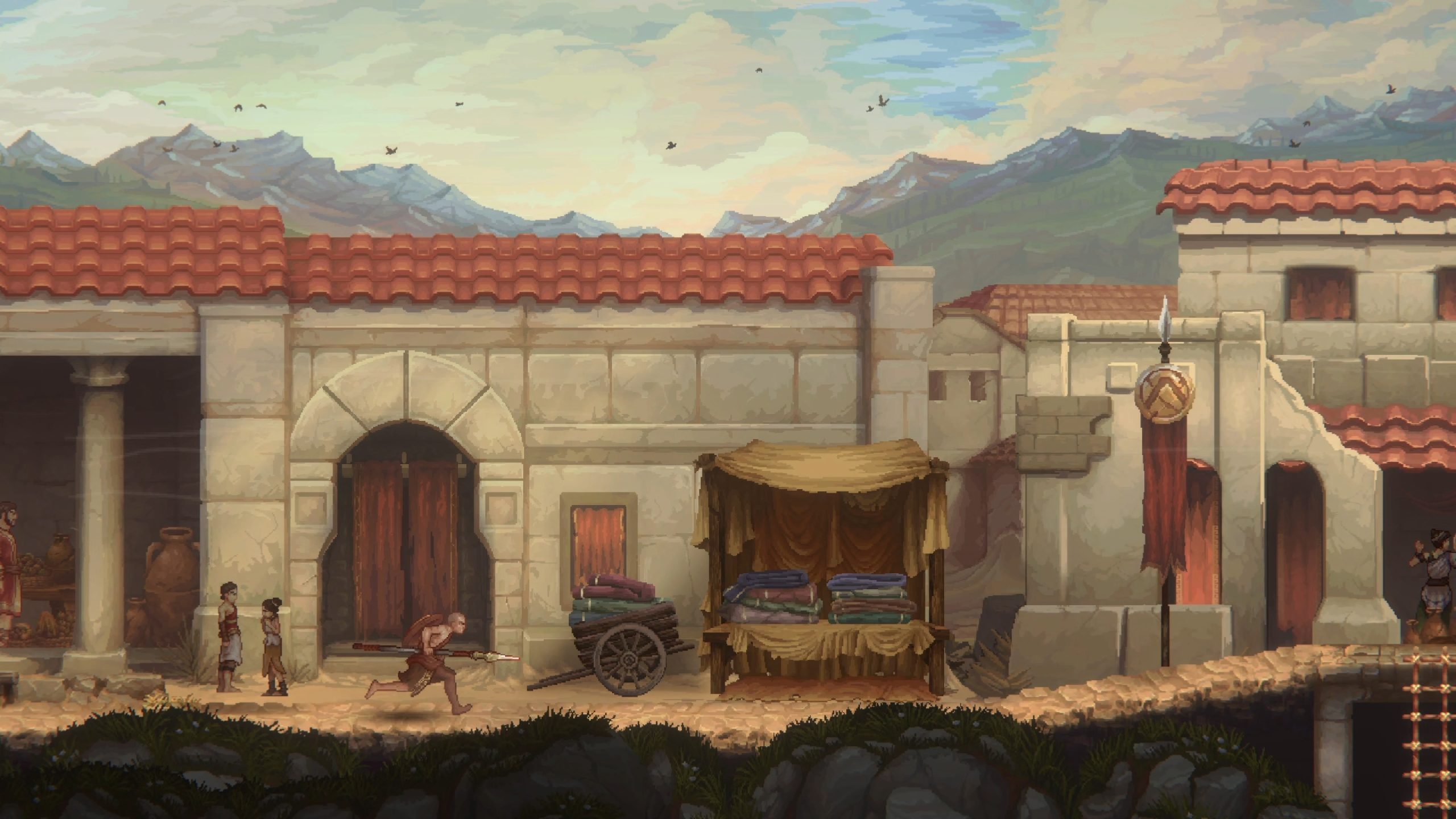
Instead of continuing the newer Norse saga, the clock is turned back to long before Kratos became the God of War we know. The story explores his youth in Sparta, where he, alongside his brother Deimos, undergoes the brutal Agoge training. The brothers are sent out into the Laconia region to face mythological threats and learn the meaning of duty and honor. It is a fascinating premise that sheds welcome light on Kratos’ earlier years, even if the plot occasionally feels more like a drawn-out training session than the grand drama the series is otherwise known for.
Gameplay and Experience
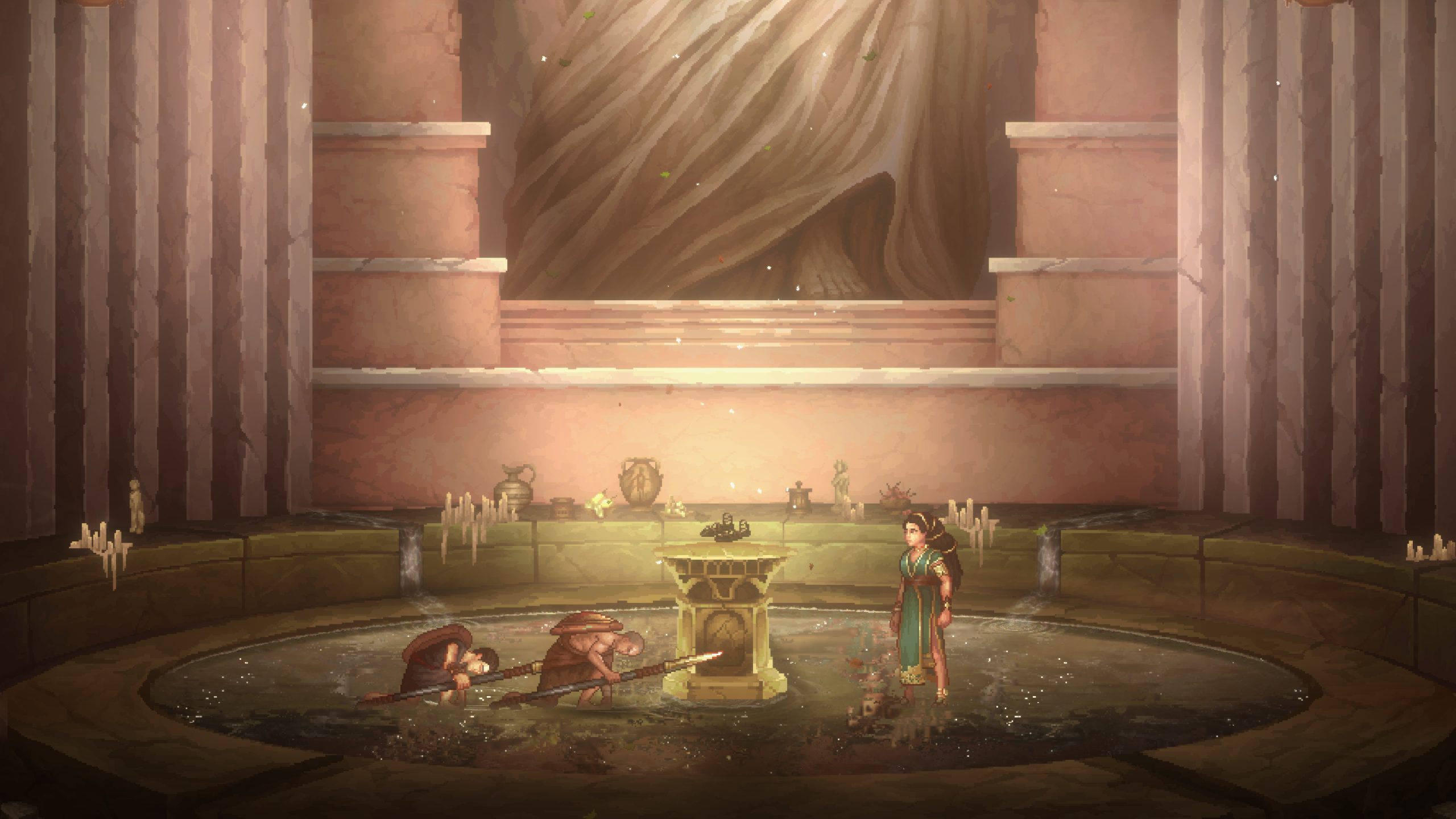
Transferring God of War to an exploration-driven 2.5D landscape is no small feat. Visually, the developers have captured the aesthetic of Greek mythology well, and Bear McCreary’s heavy score sets the mood perfectly. The problem lies rather in the game’s pacing. As a Metroidvania, the game relies on exploring and unlocking new paths and areas on the map, but Sons of Sparta withholds basic abilities (like being able to run or double jump) for far too long, while at the same time making way too much of the map accessible immediately. This makes the game’s initial hours feel both unnecessarily sluggish and unnecessarily confusing.
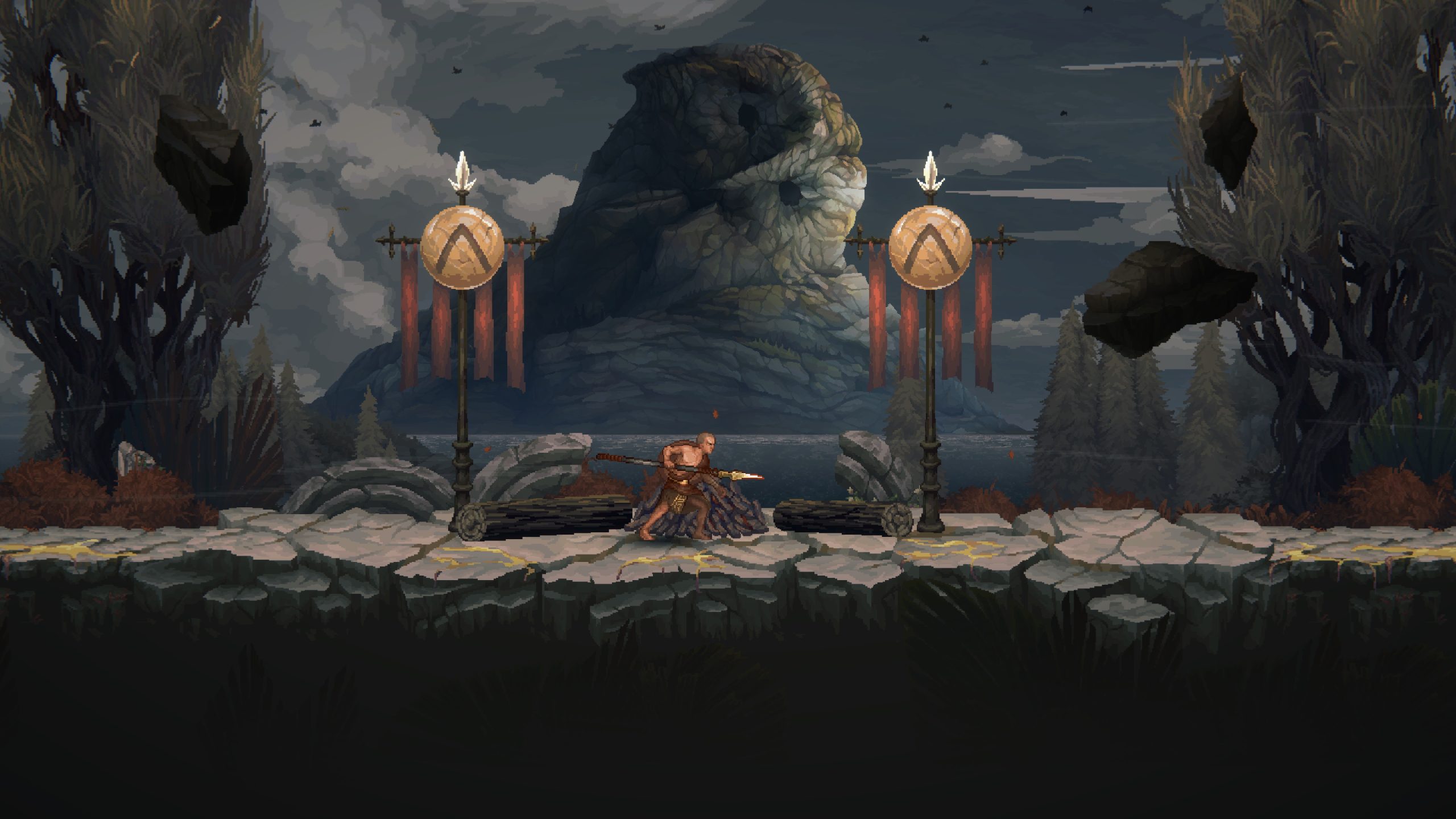
When it comes to the combat, the brutal ballet has been replaced with simpler attacks using spear and shield. While it is exciting to see Kratos fight with a new arsenal, it often results in repetitive button mashing rather than tactical finesse. To top it all off, the game suffers from several bugs and performance issues, where the experience occasionally stumbles during the more intense boss fights.
Final Verdict
When the credits roll, the feeling is honestly a bit mixed. It is an interesting attempt to bring the franchise into a new genre, and the foundation for a truly good action-adventure is there. But on the whole, this is an overly safe intermission that no one really asked for, and it lacks the final polish and inventiveness required to become truly memorable. It is a competent game with a reasonable price point for the most dedicated fans who want more lore and perhaps love the Metroidvania genre, but for the rest of us, it remains just “okay.”
In connection with this, Sony also announced that they are remaking the first three God of War games (remasters have already been released for PS3 and PS4). These have undeniably aged since the PS2 era, but at the same time, they had a rawness and directness that made them classics—something that might risk being lost. We will see what that entails when they are presented in 2027–2030 (an eternity in these AI times…). Most of all, this just made us want to relive the brilliant games again, which, despite dated graphics, remain remarkably entertaining with epic boss fights. Thanks to PS Plus Premium, we can stream them on our PS5.
Playstation sent review copies for this test. The provider of material has no editorial influence on our tests.
How we rate products at SensesReview Highlights: Q&A
What genre is God of War: Sons of Sparta?
It is the series' first Metroidvania, featuring a 2.5D retro environment.
Who developed this game?
The game is an unexpected collaboration with Mega Cat Studios.
When does the story take place?
It explores Kratos' youth in Sparta, before he became the God of War.
What weapons does Kratos use in this game?
Kratos fights using a spear and shield rather than his typical arsenal.
Are there any technical issues?
The game suffers from bugs and performance stumbles during boss fights.
What is the game's visual style?
It uses pixelated graphics reminiscent of the classic 16-bit era.
Who is the recommended audience?
It is a competent product for lore enthusiasts and Metroidvania fans.
Who composed the game's music?
The game features a heavy score perfectly set by Bear McCreary.
