
TL;DR
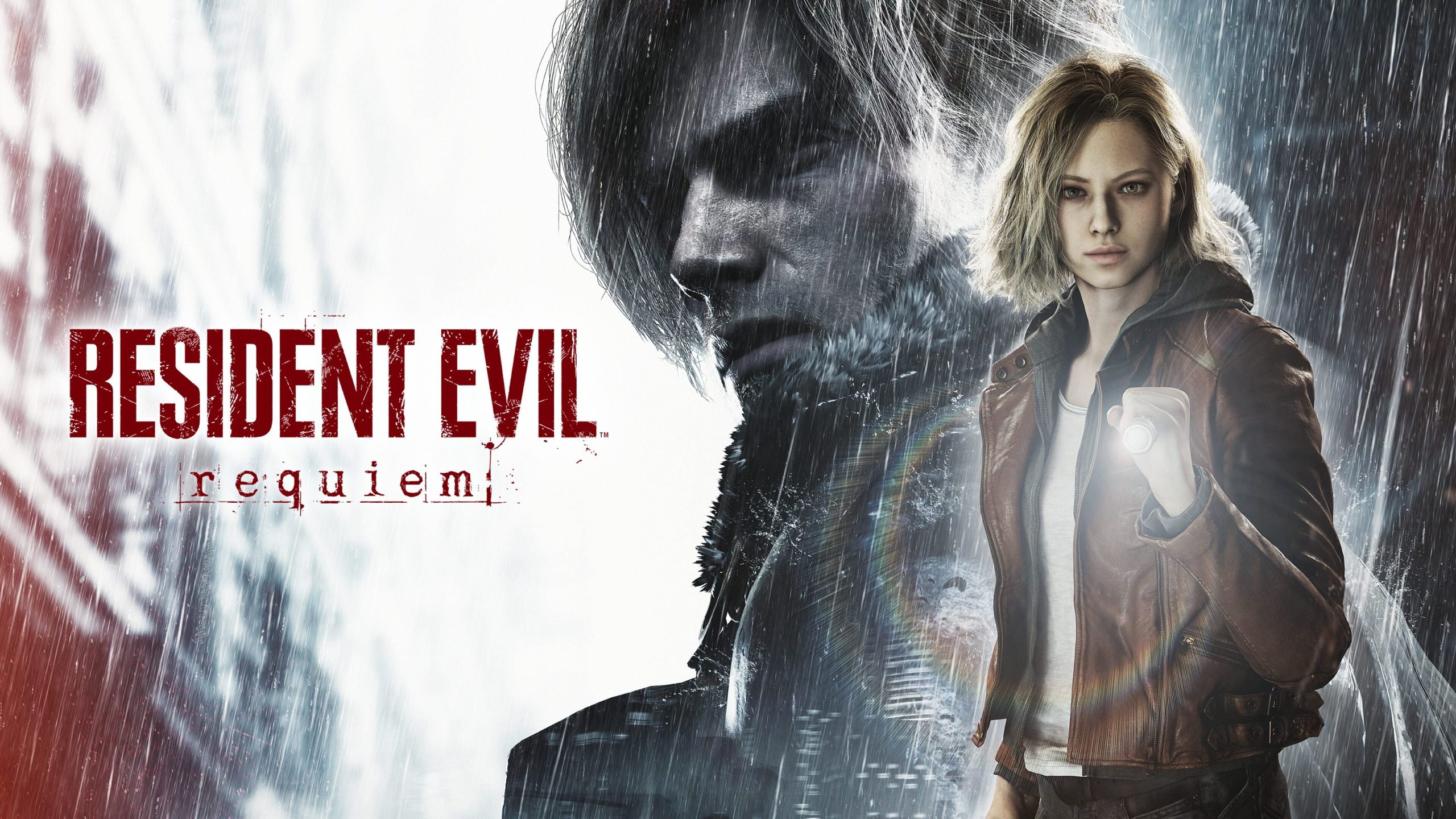
Resident Evil 9 masterfully navigates the series' identity crisis, offering a compelling blend of pure survival horror and weighty action. By splitting its narrative between the vulnerable Grace and a world-weary Leon, the game explores the franchise's past while forging a confident new path. It prioritizes slow-burn tension and resource management over bombastic spectacle, delivering genuine scares and a satisfyingly cohesive experience. While its environments are less memorable than previous entries, Resident Evil 9 is a mature and frightening evolution. Discover how it finally cements the series' identity in the full review.
It is impossible to talk about Resident Evil 9 without talking about the series’ identity. Few game series have undergone as dramatic transformations as Resident Evil. From claustrophobic survival horror to bombastic action and back again – the series has oscillated between extremes. With the ninth installment, it feels like Capcom has finally decided what Resident Evil should actually be. And it feels absolutely fantastic.
After the masterful Resident Evil 4 (2005), the series took a clear turn towards action. Four balanced horror and explosive intensity with surgical precision. But with Resident Evil 5, the scales began to tip. Five was commercially successful, but something was lost. Daylight environments, a co-op focus, and an abundance of ammunition meant that the horror was reduced to background aesthetics. Then came Resident Evil 6, a bombastic, almost parodic display of explosions, quick time events, and Hollywood spectacle. It was entertaining at times, but it no longer felt like Resident Evil. The series had become something else.
When Resident Evil 7: Biohazard was released, it was a shock – in the right way. The first-person perspective, the isolated plantation, the creeping sense of vulnerability. Suddenly, resources were scarce again. Enemies were frightening. The silence was threatening. Seven was a conscious retreat from bombastic action and a return to the series’ roots: vulnerability, claustrophobia, and a slow-burn buildup. It wasn’t just a course correction – it was a salvation.
Then came Resident Evil Village… The opening promised gothic horror and a suggestive atmosphere, but the game gradually slid back into action territory. Werewolves, boss fights in abundance, and larger environments provided more pace – but less terror. In the end, it was a highly mediocre stay in the series’ universe, though loved by many. But it felt fragmented. As if Capcom couldn’t quite decide: horror or action? The result was an identity that wavered once again.
When I sat down to start Resident Evil 9, I was actually a bit nervous. All the marketing and talk surrounding the game had felt fragmented. Pure horror was promised in Grace’s segments, but more action-oriented horror in the style of Resident Evil 4 in Leon’s parts. Furthermore, you could choose between first- and third-person with both characters. It sounded like a game trying to please every Resident Evil fan at the same time. No one would be left out. Frankly, I thought it sounded like an uninspired middle ground, because what is art that tries to target everyone? And to the question of whether it actually is like that? To some extent, yes. But it works so incredibly well here.
The game consistently chooses its tone. There is action – but it is heavy, risky, and sparse. Every confrontation is potentially lethal. Ammunition is no longer a safety net, but a calculated investment. The story is more understated than in Village. Instead of opera-like dramatics, we get a personal story of guilt and biological experiments gone wrong – more in line with the series’ classic themes than supernatural elements. It is still grotesque, but more grounded.
One of the most debated parts of Resident Evil 9 is how the game divides its story between Leon and Grace. It’s not just two characters – it’s two completely different design philosophies. And this is where the game truly shows what it wants to say about the series’ past and future.
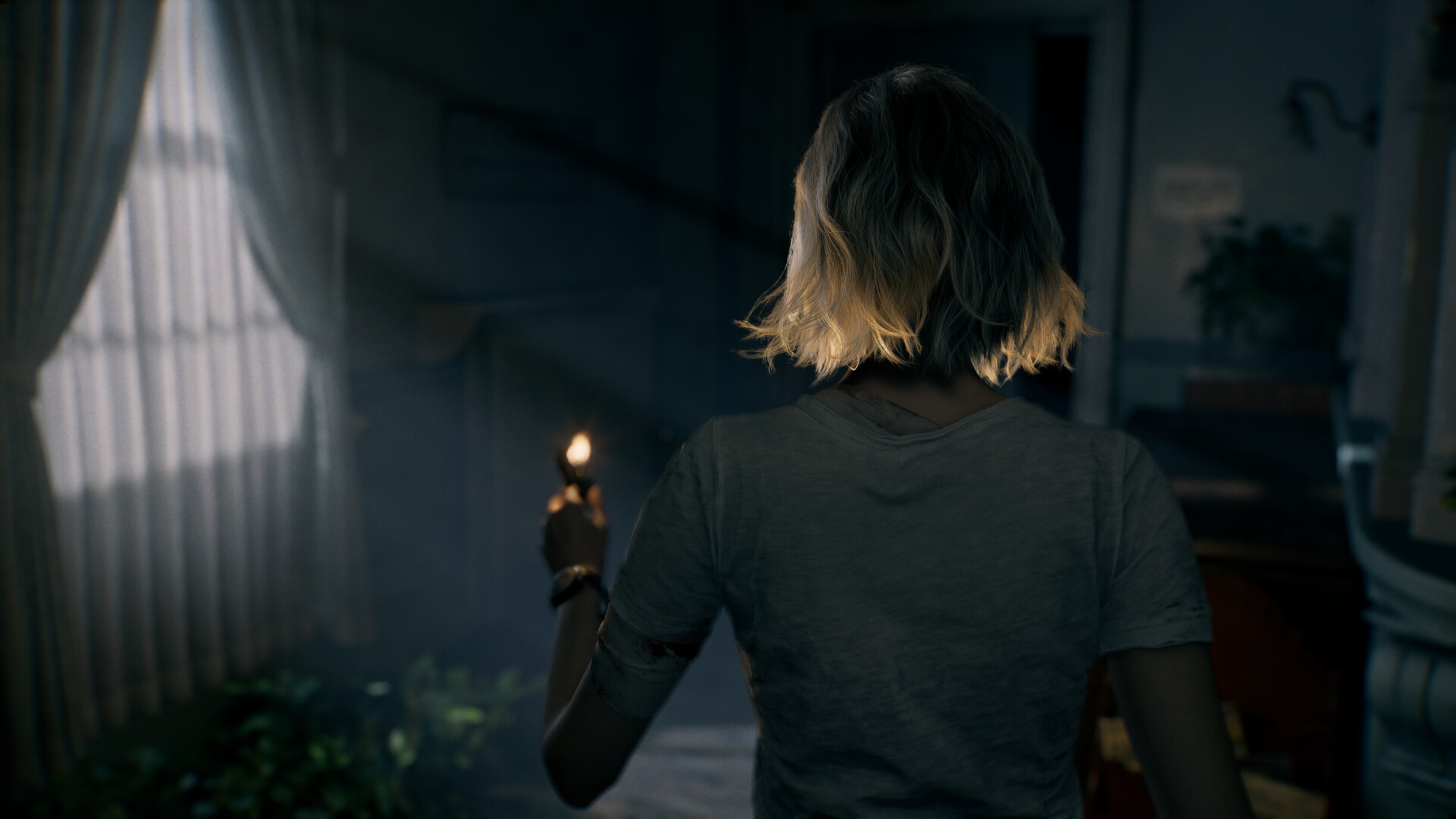
With Grace, it is pure survival horror. There are moments where I stand in a dark room and deliberate whether I should really turn on the flashlight. Where I hear something moving behind a wall and realize I only have three shots left. Where I open the inventory and stare at my resources as if they were real-life decisions. Grace’s sections are the best in the game, and they are genuinely scary.
Leon’s sections feel like an echo of the series’ action years – but filtered through regret and wear and tear. He is no longer the cocky agent from Resident Evil 4. Here he is slower. More cautious. Noticeably tired. But there is a crucial difference compared to five and six: the power fantasy is toned down. Leon can fight back – but the game ensures it comes at a price. Ammunition is limited, enemies are brutal, and his sections are permeated by a sense of consequence. It is almost as if the game is intentionally deconstructing action-Leon. Every explosion feels less triumphant and more tragic.
When switching between them, it almost feels like the game is having a dialogue with itself: “What is Resident Evil, really?” The clever part is that Resident Evil 9 never fully chooses a side. Instead, it lets both exist – but with clear tonal control. Leon’s sections are more intense, but not bombastic. Grace’s are more vulnerable, but not frustrating.
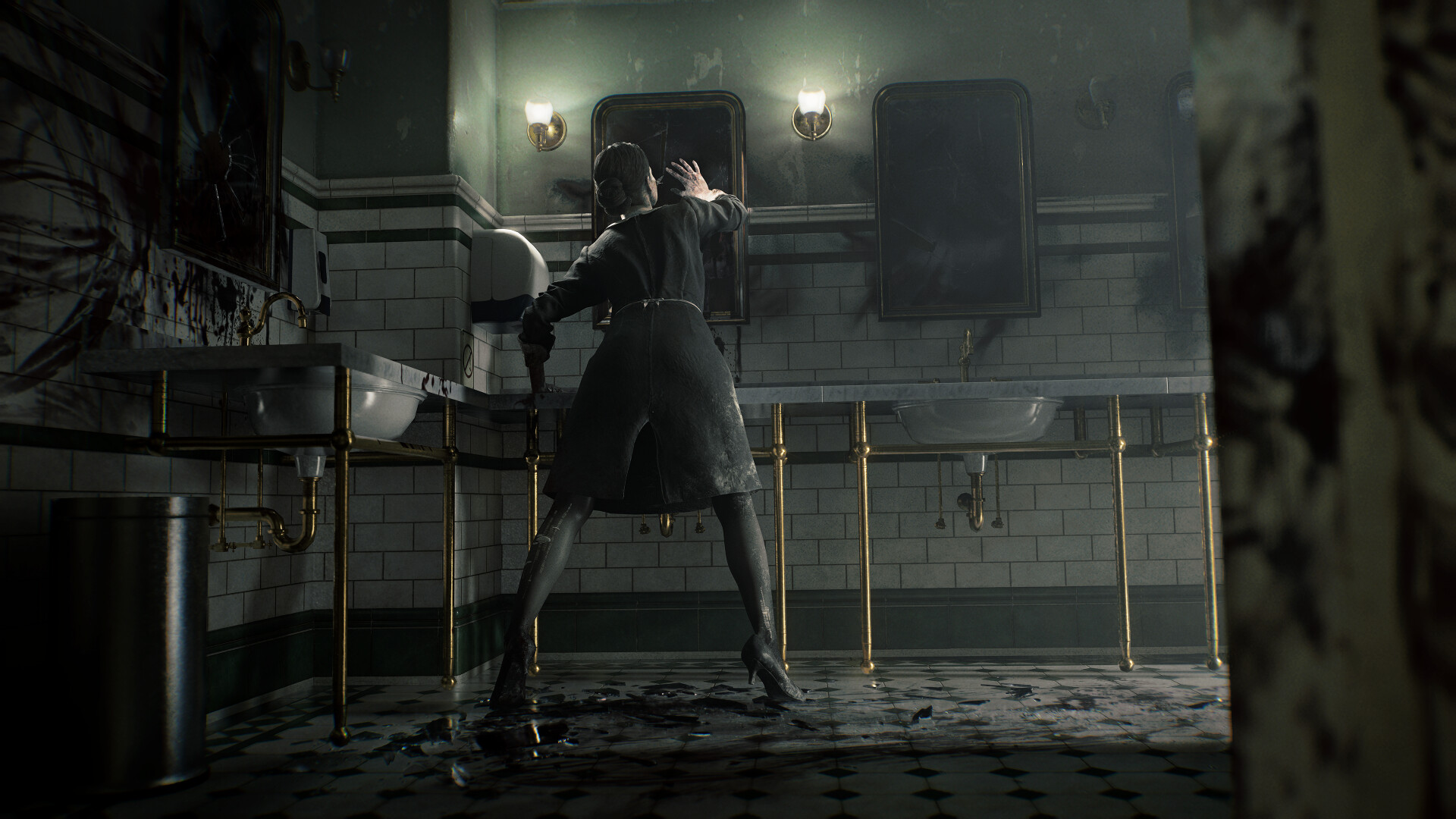
Unfortunately, the environmental design is the game’s weakest card. This is usually the strength of the previous games. It’s not bad, but the final third of the game is actually a bit dull, unexpectedly enough. The series has always been strong when it comes to memorable environments – the mansion, the police station, the village. Places that become characters in themselves. In Resident Evil 9 , I find it difficult to point to an area that really sticks. It is good-looking, competent, and atmospheric – but not iconic. And for a series like Resident Evil, where the setting is often half the experience, that is a problem.
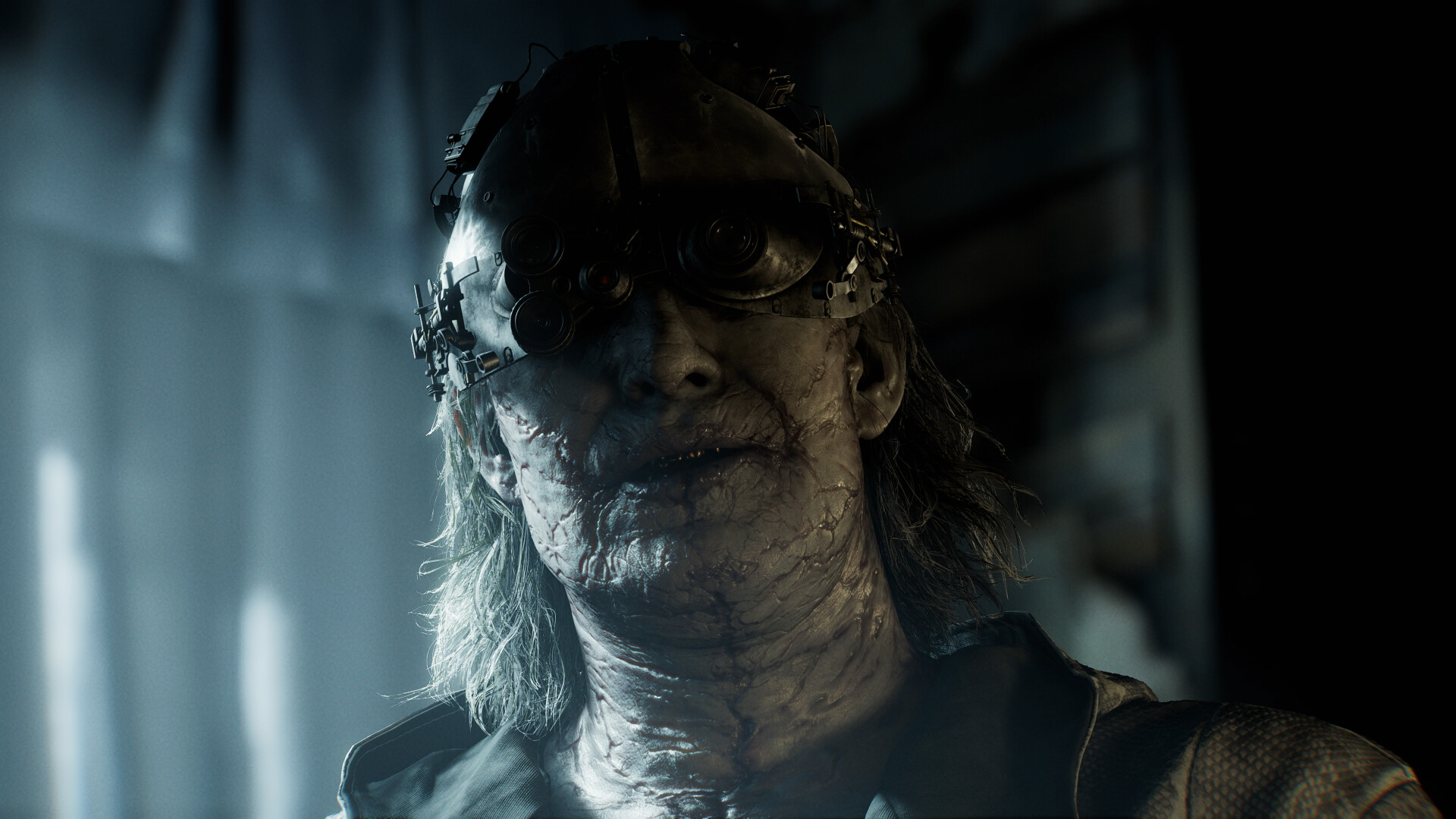
The pacing is slower than Village, and it is absolutely the right decision. The game dares to let you be uncomfortable. Dares to let you wait. Resident Evil 9 feels like the culmination of a long period of self-reflection. It is not a nostalgic copy of the 90s games, but it is also not an action game dressed up as horror. It is a modern interpretation of survival horror, delivered with confidence. The series lost its core after five. Found its way back with seven. Hesitated with Village. But here – here it feels like the direction is clear, even if it isn’t.
Something else that Resident Evil 9 really succeeds at – and which the series historically has always been masterful at – is the sense of escalation. It starts almost imperceptibly. Small. Intimate. Limited. The first few hours feel stripped down. You have few resources, few answers, and a clear, almost simple objective: survive. The environments are cramped, the threats ambiguous, and the story is suggested rather than explained. It is low-key, almost restrained. But then something happens. Ten hours later, you sit there and realize how much has actually occurred. What started as an isolated incident has grown into something significantly larger. New areas have opened up, relationships have changed, truths have been exposed, and the stakes have been raised several levels. It is a classic Resident Evil structure: from the personal to the catastrophic.
The beauty of it is that the game never feels like it skips a beat. The escalation is gradual. Organic. Just as in the series’ best moments, the threat is built layer by layer until you barely remember how quiet everything felt at the start. When the credits roll, it feels almost surreal to look back at that first hour. At how small everything felt. At how little you knew. And it is precisely that journey – from the claustrophobic to the monumental – that Resident Evil 9 handles so impressively well.
Resident Evil requiem is not the most explosive chapter in the series. It is something better: a mature, cohesive, and frightening game that finally knows what it wants to be.
Capcom sent review code for this test. The sender of materials has no editorial influence on our tests.
Review Highlights: Q&A
Who are the main playable characters?
The story features two protagonists: Leon and Grace.
What camera perspectives are available?
Both characters offer a choice between first- and third-person views.
How does gameplay differ between the protagonists?
Grace focuses on survival horror while Leon features more tactical action.
Is the game focused more on action or horror?
It is a modern survival horror game with heavy, sparse, and risky action.
What is the game's biggest flaw?
The environmental design is weak, with a dull final third of the game.
How does the pacing compare to Resident Evil Village?
It is slower than Village, allowing for more tension and discomfort.
What is the focus of the game's story?
A grounded, personal story of guilt and failed biological experiments.
How is resource management handled?
Ammunition is limited and treated as a calculated investment.