
TL;DR
Lisa Lemke's new cookbook, "Brödmat," celebrates bread as the star of the meal, not just a side. It dives into flour types, baking tips, and offers recipes for everything from pizza and tortillas to hearty sandwiches. A standout section focuses on creatively repurposing stale bread to minimize waste, offering ideas like breadcrumbs and even French toast. While it leans heavily into bread *as* the meal, the reviewer found it an enthusiastic and well-crafted collection with beautiful photography. Discover how to elevate bread from a simple staple to the main event! Read the full review to see if "Brödmat" is your next kitchen must-have.
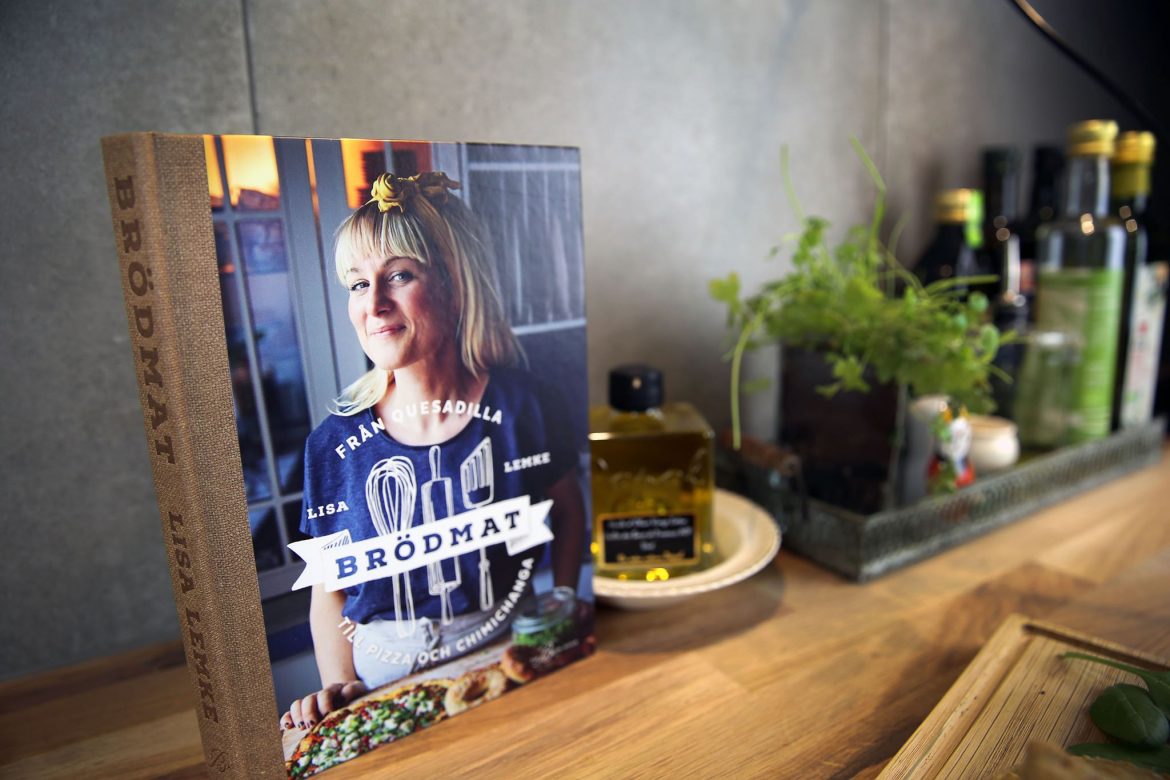
You’ve likely encountered her on television. Most recently, she appeared in “Timjan, tupp och tårta” on SVT. This is Lisa Lemke, a familiar face on TV and author of several cookbooks. Her latest book, “Brödmat” (Bread Food), is the subject of this review.
I previously reviewed a cookbook by Zeina Mourtada, a friend and colleague of Lisa’s. Zeina and Lisa have appeared together in the cooking program mentioned above, and Zeina even contributes a recipe to Lisa’s book.
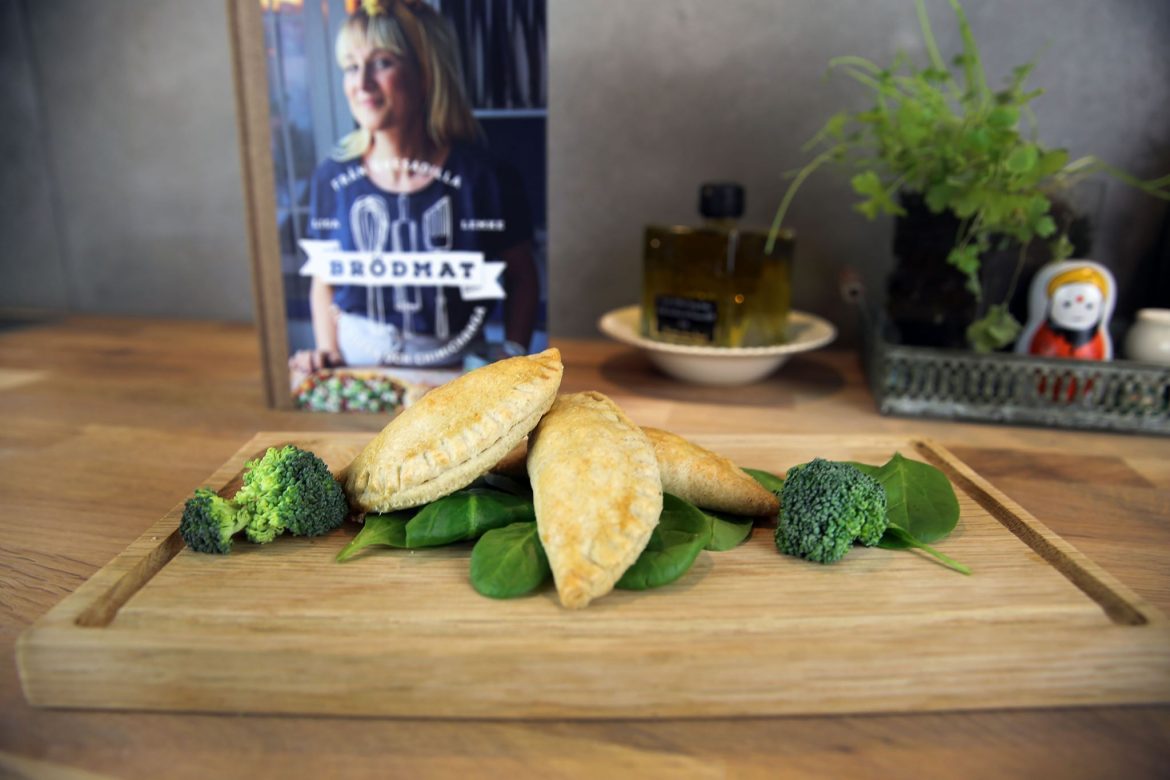
As the title suggests, the book focuses on bread, specifically bread as the central component of a meal. In her foreword, Lisa states, “…in my world, you have a dinner as long as you have a good bread to start from“.
Bread is a global staple food with a history spanning millennia. Bread-based dishes continue to be a significant part of our food culture. However, in contemporary society, overconsumption, particularly of less nutritious options, is a common issue. It’s advisable to reduce the intake of white flour, regardless of its contribution to appealing bread textures. Furthermore, flour quality has diminished over time; modern bread often lacks the nutritional density of loaves from previous decades, such as the 1950s.
The subsequent chapter, a flour school, explores various flour types and their suitability for specific bread applications. For instance, the selection of flour for pizza dough can vary significantly, although a high gluten content is generally recommended. Rye flour is presented as ideal for pirogues, while whole grain spelt is suggested for a hearty dark breakfast loaf. This section also offers practical baking tips and considerations for successful bread making.
The book then transitions into chapters featuring recipes for pizza, pirogues, tortillas, pita bread, and substantial sandwiches, alongside instructions for homemade breadcrumbs. Each recipe includes a brief introduction outlining its origins and an estimated preparation time, including any rising time required.
The chapter titled “rädda brödet” (save the bread) is particularly noteworthy. I advocate for minimizing food waste and strive to utilize entire vegetables in my cooking. While some food waste is unavoidable, reducing it should be a universal goal. Bread is frequently discarded – perhaps a leftover crust or a loaf that has dried out. Many people typically dispose of such bread, or possibly feed it to waterfowl.
However, bread can be repurposed. Consider using it for breadcrumbs, bread pasta, or as an ingredient in meatballs. When was the last time you enjoyed fattiga riddare (French toast)? Exactly. Instead of discarding stale bread slices, transform them into a delicious dish.
Beyond bread-based dishes, the book also includes recipes for sauces, dips, and spice blends. This offers a diverse selection, ranging from berbere and baba ganoush to hummus and guacamole – all excellent accompaniments to bread.
One element I found lacking, although understandably so, is the inclusion of breads intended to be eaten *with* meals, as opposed to *constituting* the meal itself. While recipes for bagels, pita bread, and flatbread are present, a dedicated recipe for a bread suitable for accompanying a meal is absent. This isn’t the book’s primary focus (as mentioned in the foreword), and other resources cater to that niche, but I would have appreciated at least one recipe – even a concise one – from Lisa for a hearty bread designed to complement a meal.
Overall, I am very pleased with the book. It’s written with evident enthusiasm by someone passionate about their craft, reflecting a genuine love for cooking. The recipes are well-crafted, and I appreciate the inclusion of information on flour types and baking tips, as well as the introductory notes accompanying each dish.
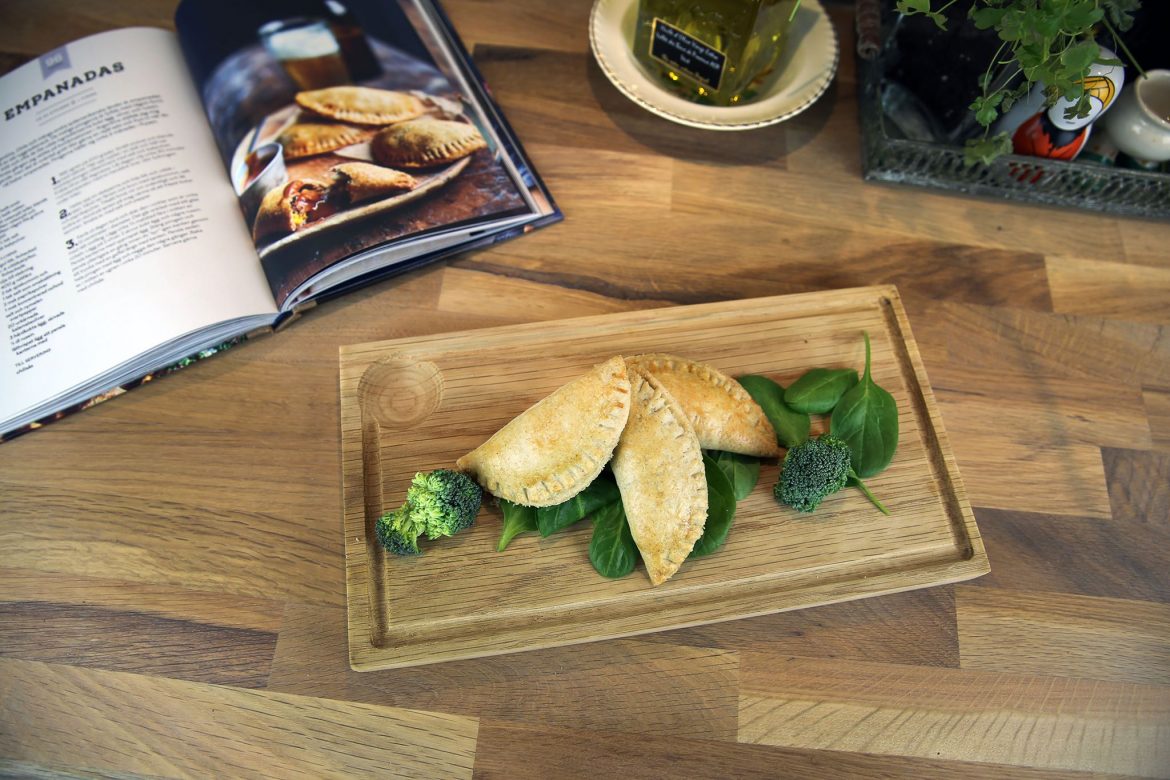
The photographs are appealing and varied. I appreciate the inclusion of images featuring the cookbook author, as well as both finished dishes and preparation stages, offering a balanced visual presentation.
Review Highlights: Q&A
What types of recipes are included in BRÖDMAT?
BRÖDMAT includes recipes where bread forms the main meal, such as pizza, pirogues, tortillas, pita bread, empanadas, and sandwiches. It also features sauces, dips, and spice blends like berbere, baba ganoush, hummus, and guacamole.
Does the book provide guidance on ingredients and baking techniques?
The book contains a flour school chapter exploring various flour types and their uses, such as selecting high-gluten flour for pizza dough or rye flour for pirogues. It also provides practical baking tips and considerations for making bread.
How are the individual recipes presented in the book?
Each recipe features a brief introduction detailing its origins along with an estimated preparation time that accounts for required rising periods. The book also includes varied photographs showing the author, preparation stages, and finished dishes.
Does the book include ways to minimize food waste?
A dedicated chapter titled "rädda brödet" focuses on repurposing stale bread and leftover crusts into items like homemade breadcrumbs, bread pasta, meatballs, and French toast (fattiga riddare).
Does the cookbook contain recipes for side breads to accompany other dishes?
The book does not include dedicated recipes for hearty breads intended solely to accompany meals, as its focus is on bread constituting the central component of the dish itself.