
TL;DR
The Ninja AutoBarista Pro is a versatile, fully automatic coffee machine that excels at brewing balanced double espressos and creamy milk foam with two swappable bean hoppers. However, it suffers from a loud 78.5 dB grinder, a wasteful calibration system, and frustrating pre-ground brewing quirks. Priced around 8,000 kr, it suits households seeking high-quality coffee variety who can tolerate its operational eccentricities.
American SharkNinja has certainly not been idle since entering the Swedish market. Here at senses, we have already put their airfryers through their paces in the kitchen and tested the semi-automatic espresso machines in the Ninja Luxe Café series – machines that have actually surprised us positively with high coffee quality for the money. Now, the brand is entering the fully automatic segment for the first time with the Ninja AutoBarista Pro (model designation AE1051EU, as well as AE1052EU which also includes a 1.2-liter thermal carafe. We have tested the model without the extra carafe).
The idea is enticing: all the coffee feel of a real espresso machine from a premium city café, but without the mess of portafilters, tamping, and coffee grounds all over the counter – and with the bonus that the machine can also brew regular filter coffee and cold coffee drinks! It sounds almost too good to be true.
The question is simply whether Ninja managed to hit the mark on the first attempt, or if it’s noticeable that the platform is brand new?
The answer is, as so often, a bit of both.
Design, format, and a box full of parts
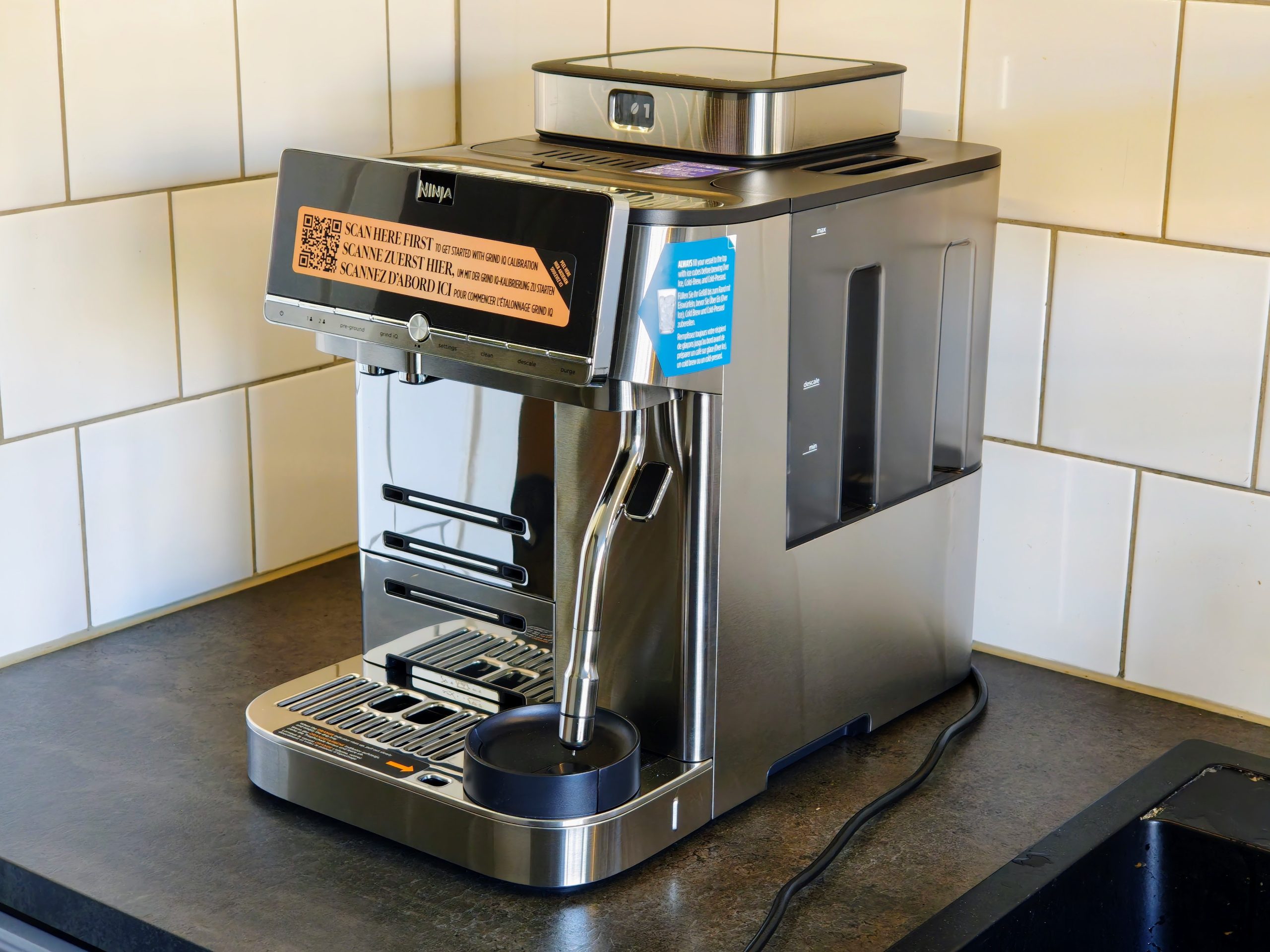
The first thing that strikes you when lifting the AutoBarista Pro out of the box – and you’ll need to put your back into it, as this is a sturdy beast weighing nearly 19 kilos – is that it is actually quite attractive. Brushed metal, clean surfaces, and a look that feels significantly more mature than many glossy black plastic automatics in the same price range.
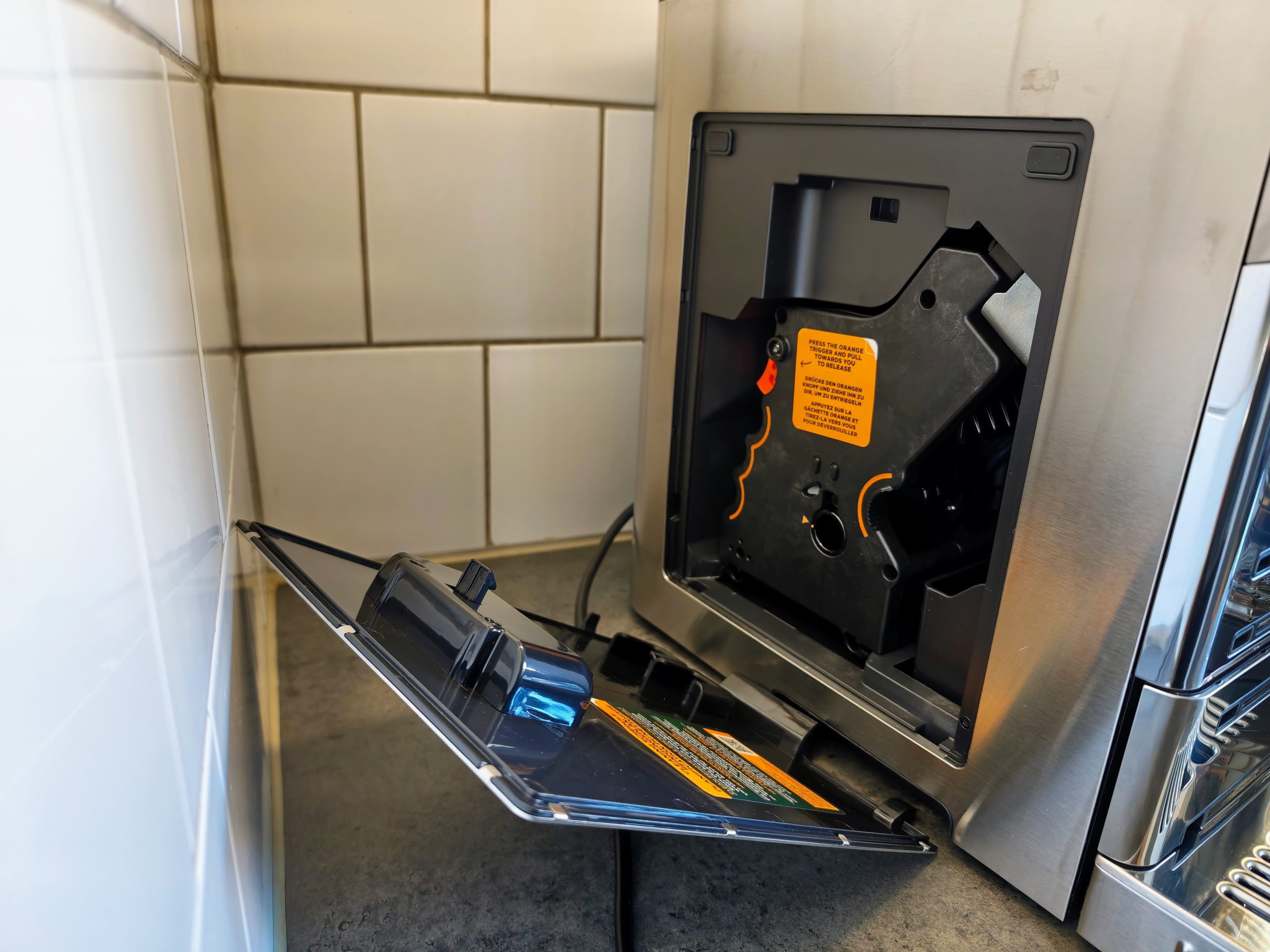
Even better are the proportions. The machine builds more in depth (just over 45 cm) than in width (27 cm). On a standard-depth Swedish kitchen counter, this is worth its weight in gold: instead of swallowing half the workspace sideways, it stands sleek and slender in its place, utilizing the depth back toward the tiles. However, you should plan its placement with some forethought. Since you change bean hoppers from the top, lift the water tank on the side (right), and access the brew unit via a service door on the left flank, it shouldn’t be squeezed into the tightest corner under a low overhead cabinet.
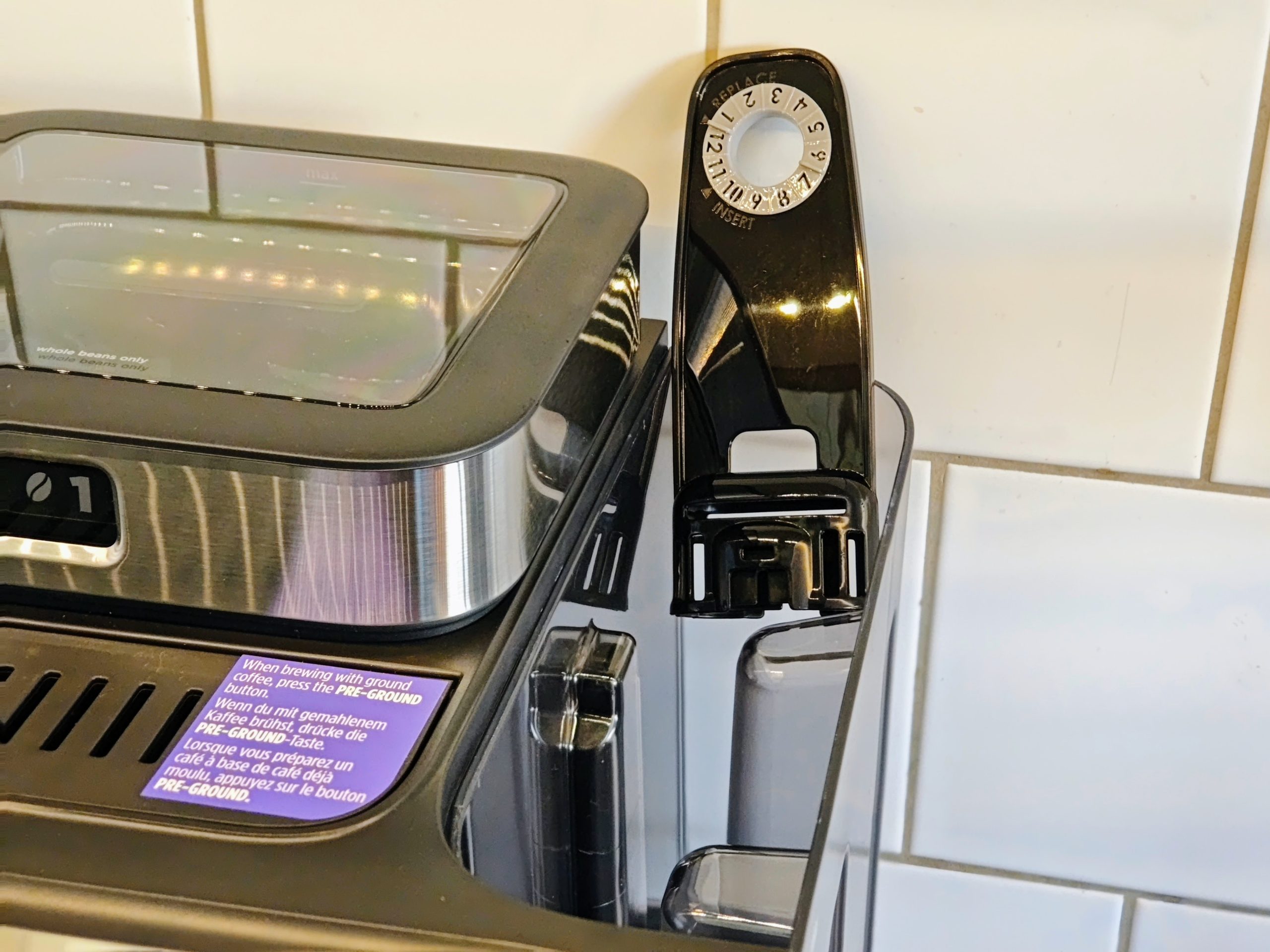
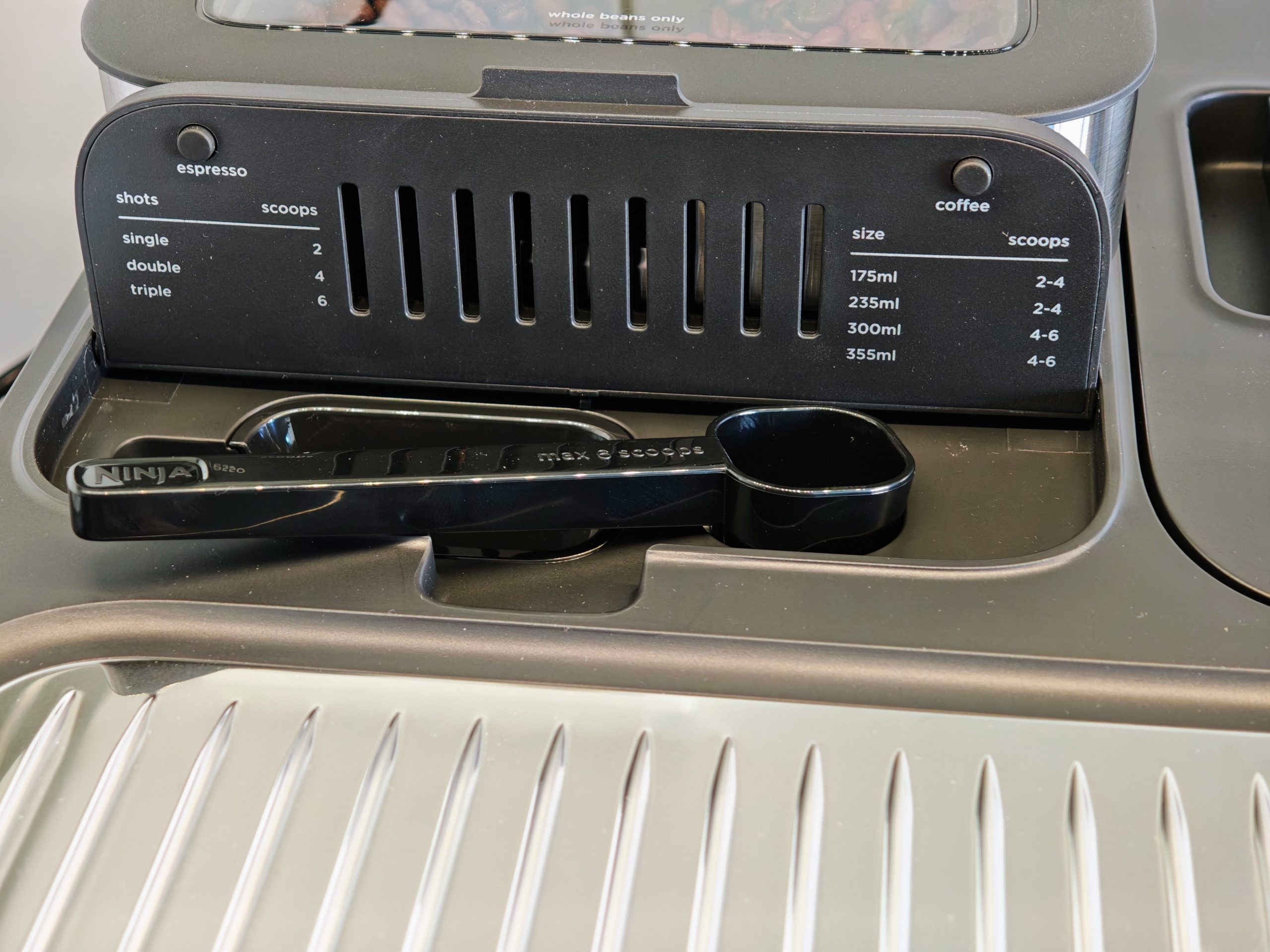
And while we’re talking about unboxing: there are many parts in the box. In addition to the machine itself, you get two interchangeable bean hoppers of 340 grams each, a stainless steel milk jug with a magnetic whisk, a water filter, cleaning tablets, descaling agent, a microfiber cloth, and a small dosing scoop hidden in the compartment for pre-ground coffee. An extra plus for a detail more manufacturers should copy: when you open the side door to the brew unit, both the cleaning brush and the tube of lubricant are neatly mounted directly on the inside of the lid, so you actually remember to maintain the machine.
Dual bean hoppers and the fickle Grind iQ
Technically, Ninja has dared to go against the grain on a couple of points. Where classic coffee automatics usually use smaller brew chambers (around 45 mm) with a pressurized valve, the AutoBarista Pro has an unpressurized 53-millimeter brew unit. This means it can hold proper coffee doses – around 17–18 grams for a double and up to 27–30 grams for a triple – which in theory brings it significantly closer to “real” espresso than many competitors.
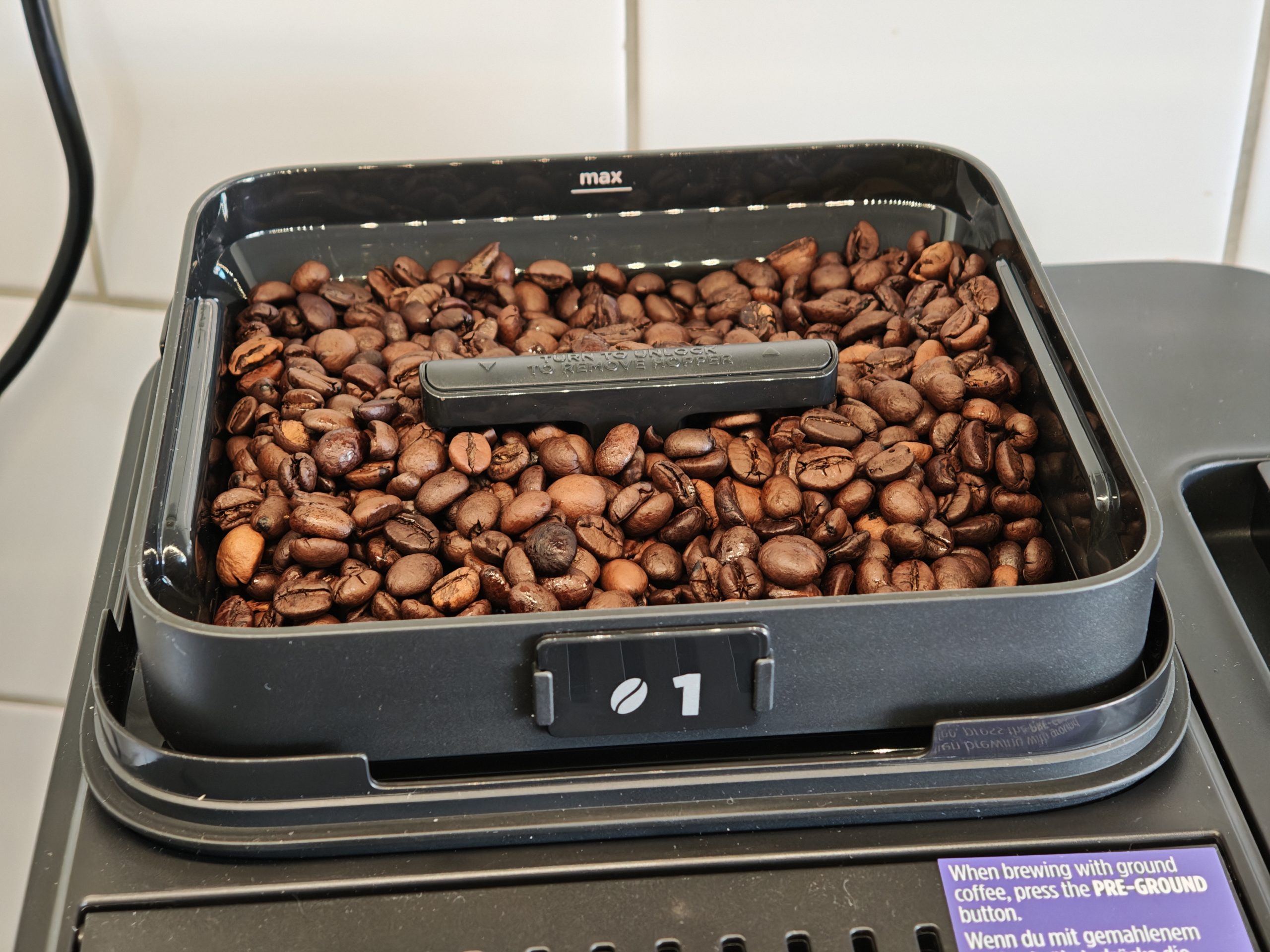
Perhaps the smartest everyday feature is the two interchangeable bean hoppers. Each hopper rests on a built-in scale that feeds down the exact amount of beans to be ground, and since the grinder is emptied afterward, no old beans remain in the mechanism. If one half of the household wants a dark roast espresso in the morning and the other wants decaf after dinner, you just twist off the hopper and click on the next one. Nicely solved. However, you (obviously) cannot have both connected at the same time; you must manually switch between them.
Less flawless, however, is Grind iQ, Ninja’s automatic grinder calibration with 50 motorized grinding steps. On paper, it sounds like a dream: put in new beans, press Grind iQ, let the machine pull a few test shots, and it adjusts the grinder itself based on flow and pressure. In practice, this is the machine’s most divisive feature among users. A calibration can easily take 5–11 minutes and burns through 3–5 shots (often 100–150 grams of beans straight into the waste bin), which hurts a bit if you’ve bought expensive specialty beans. Even more irritating is that the Grind iQ light tends to turn on again completely unprovoked after a few days without the beans being changed. As both owners and experienced coffee testers have noted, you sometimes simply have to ignore the light and pull a couple more cups and it will go out – but how is a regular consumer supposed to know that? Furthermore, if you want to fine-tune the grind size yourself, you aren’t told which of the 50 steps the machine has chosen; you just have to settle for nudging the setting ±2 steps in a hidden menu (setting 11). And since Wi-Fi and an app are nowhere to be found, Ninja cannot roll out any software updates to refine functions after the fact.
In the cup: Really fine espresso and a wide range of drinks
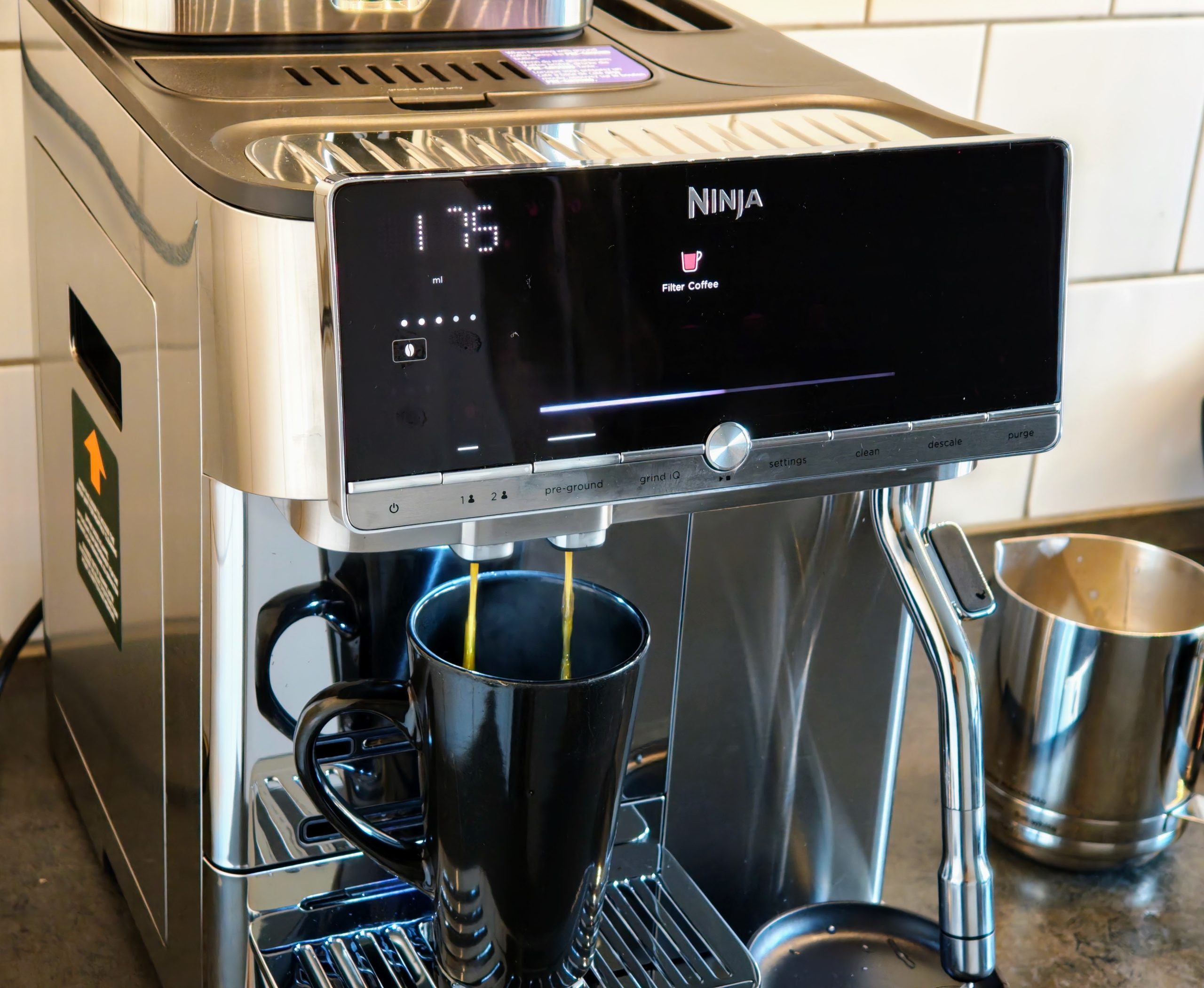
When we finally get to the most important part – how the coffee actually tastes – the AutoBarista Pro makes a strong comeback. Even the very first cup of espresso, brewed straightforwardly on the medium setting (strength 3 out of 5) and using completely standard, budget-friendly everyday beans in the form of Lidl’s black bag Bellarom Espresso Cremoso (Intense & Velvety), turned out surprisingly good. Proper strength, balanced flavor, and a really nice texture and crema in the cup. The fact that a machine with an unpressurized brew unit can produce such a pleasant cup right out of the box with standard grocery store beans – without having to hunt for fresh-roasted specialty beans from a micro-roastery on Södermalm – is a strong testament.
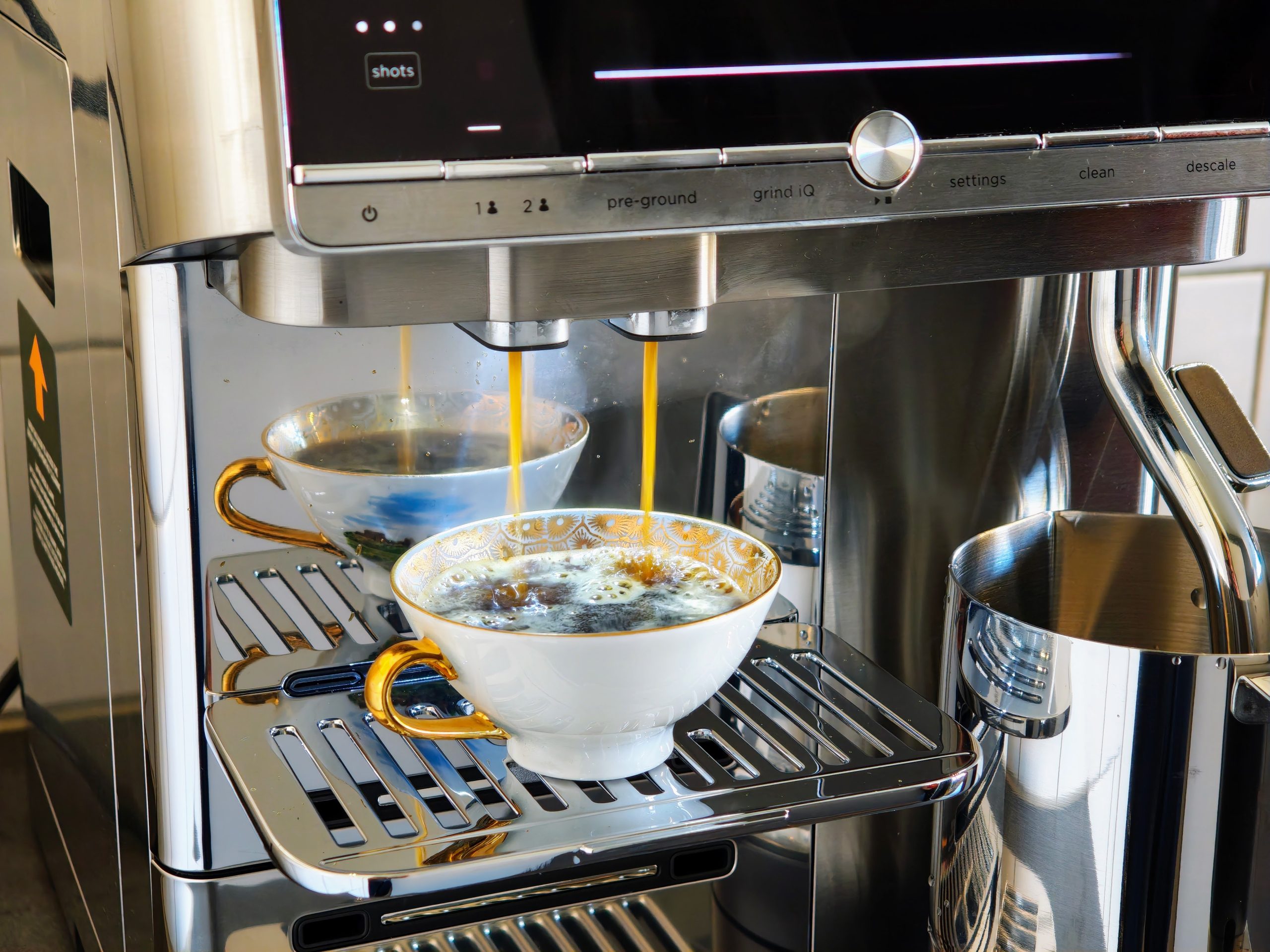
If you want more sting and want to get close to a classic Italian 1:2 extraction, turn the strength up to five. One tip: skip the single shots (1 shot). The single program lets too much water through in relation to the coffee dose, resulting in a noticeably watery cup, while double (2 shots) and triple (3 shots) deliver exactly the body and weight you’re looking for.
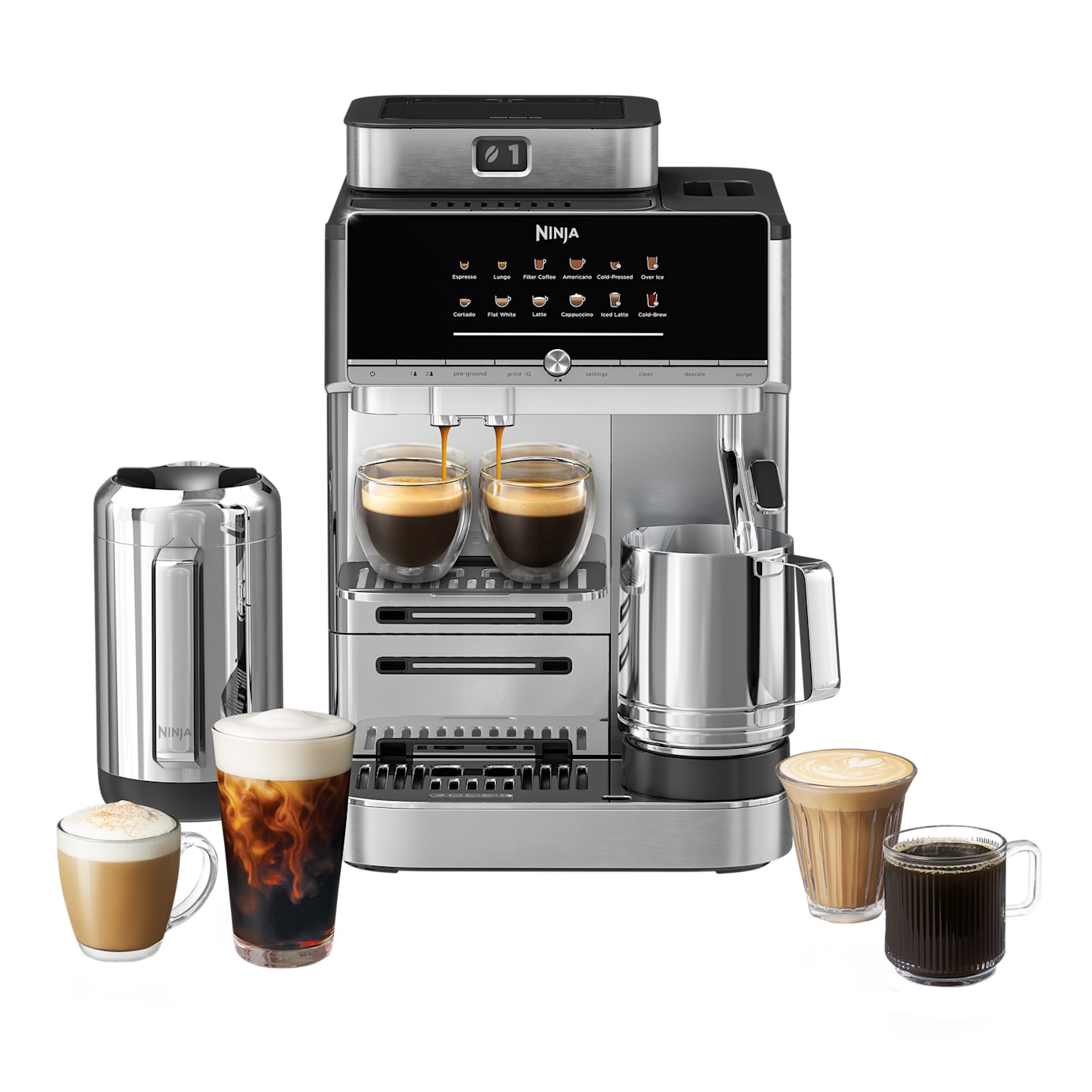
Versatility is otherwise the machine’s greatest strength. There are 13 preset drinks – everything from espresso, lungo, americano, and caffè crema to cappuccino, latte, cortado, authentic filter coffee (up to 1.1 liters via multiple cycles, though only with whole beans), iced latte, cold-pressed, rapid cold brew, and plain hot water for tea.
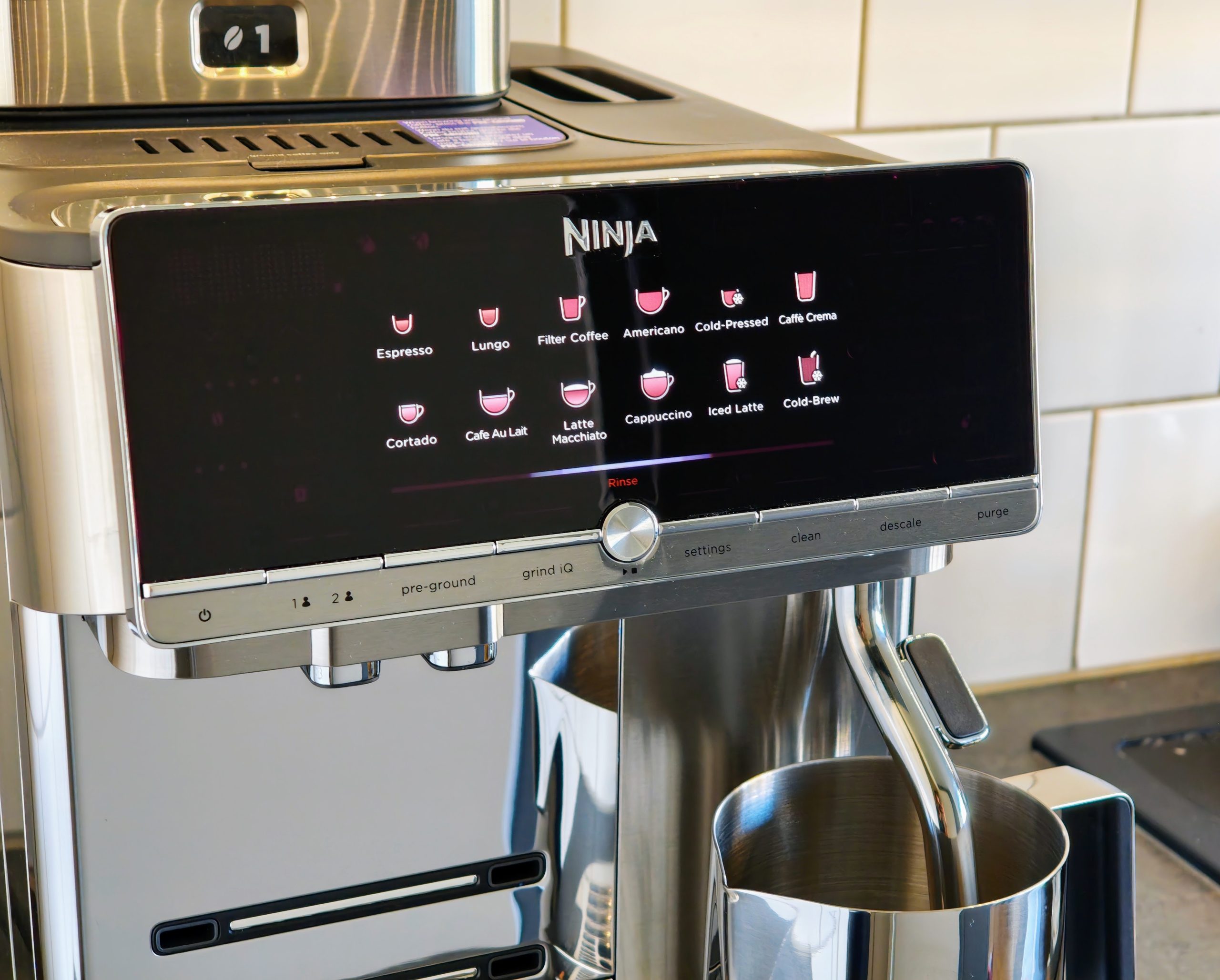
By the way, have you always wondered what the different types of coffee are, but were too shy to ask the barista? No worries, senses has your back:
Black coffee drinks
- Espresso: A small, intense, and concentrated shot of coffee brewed under pressure that serves as the base for many other drinks.
- Lungo: Means “long” in Italian and is an espresso brewed with more water through the coffee, resulting in a milder but larger cup.
- Filter Coffee: Classic, honest “Swedish” brewed coffee.
- Americano: An espresso diluted with hot water to mimic the volume and strength of a filter coffee, but retaining the flavor character of the espresso.
- Caffè Crema: A large cup of coffee brewed under pressure like an espresso (instead of being diluted afterward), giving it a characteristic thick layer of foam (crema) on top.
Milk-based coffee drinks
- Cortado: An espresso cut (“cortado”) with an approximately equal amount of warm, steamed milk. Softens the acidity while retaining a very clear coffee flavor.
- Cafe Au Lait: Coffee (usually filter coffee, unlike a latte which is made with espresso) mixed with equal parts warm milk.
- Latte Macchiato: Very warm, frothed milk where the espresso is poured in last (“macchiato” means stained), creating distinct layers of milk, coffee, and foam.
- Cappuccino: Traditionally consists of equal parts espresso, steamed milk, and a substantial, thick milk foam on top.
Cold coffee drinks
- Iced Latte: Espresso mixed with cold milk, intended to be poured over ice.
- Cold-Brew: Cold brewed coffee extracted with cold water, which provides a much smoother, sweeter taste with significantly lower acidity than when coffee is brewed hot.
- Cold-Pressed: Cold-pressed coffee, which is often a concentrated and more intense cold coffee drink that the machine extracts under pressure in the cold.
Extra functions
- At the bottom of the panel, there is also froth only to simply foam milk, and hot wate(r) to get plain hot water for tea, for example.
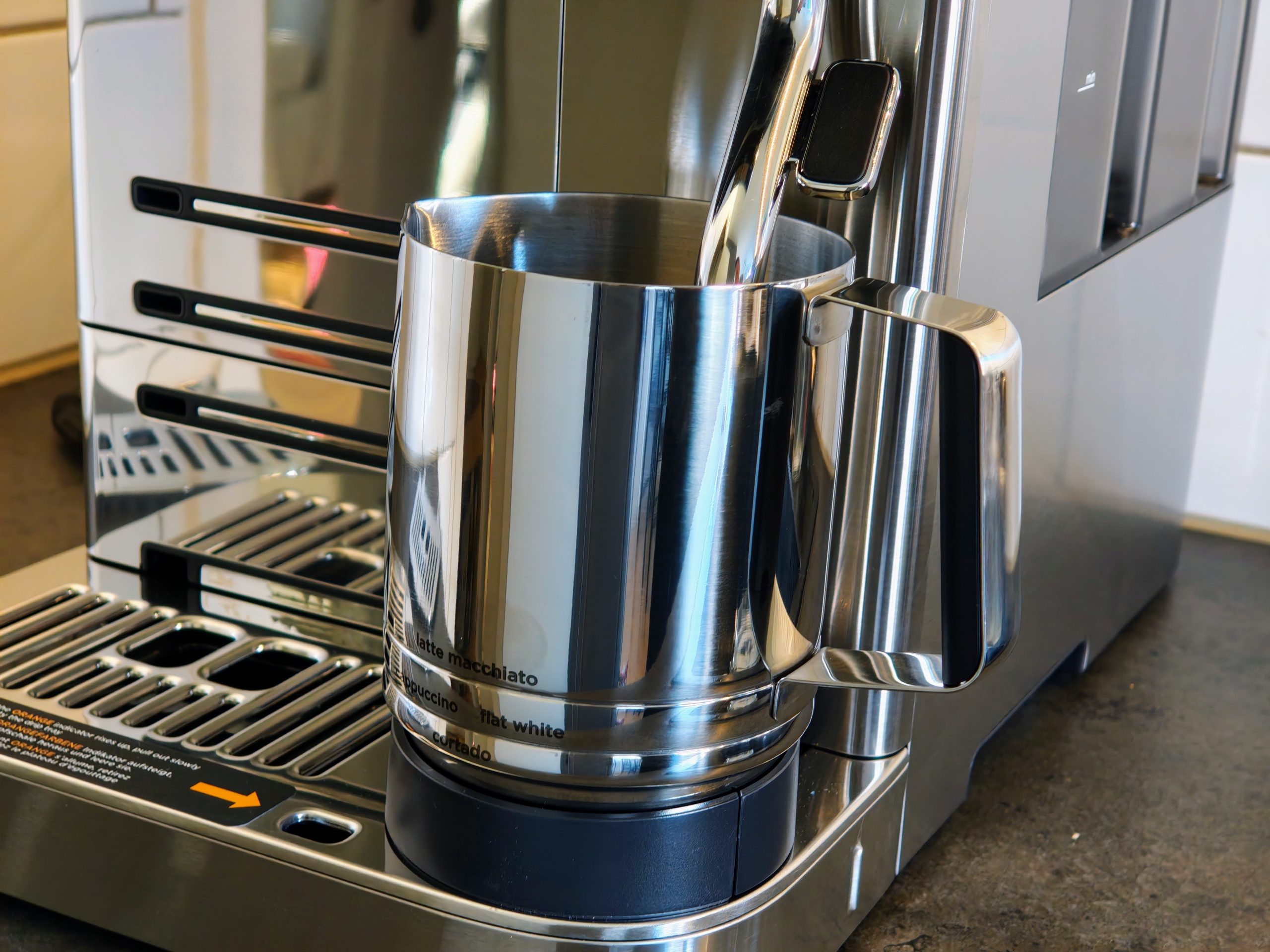
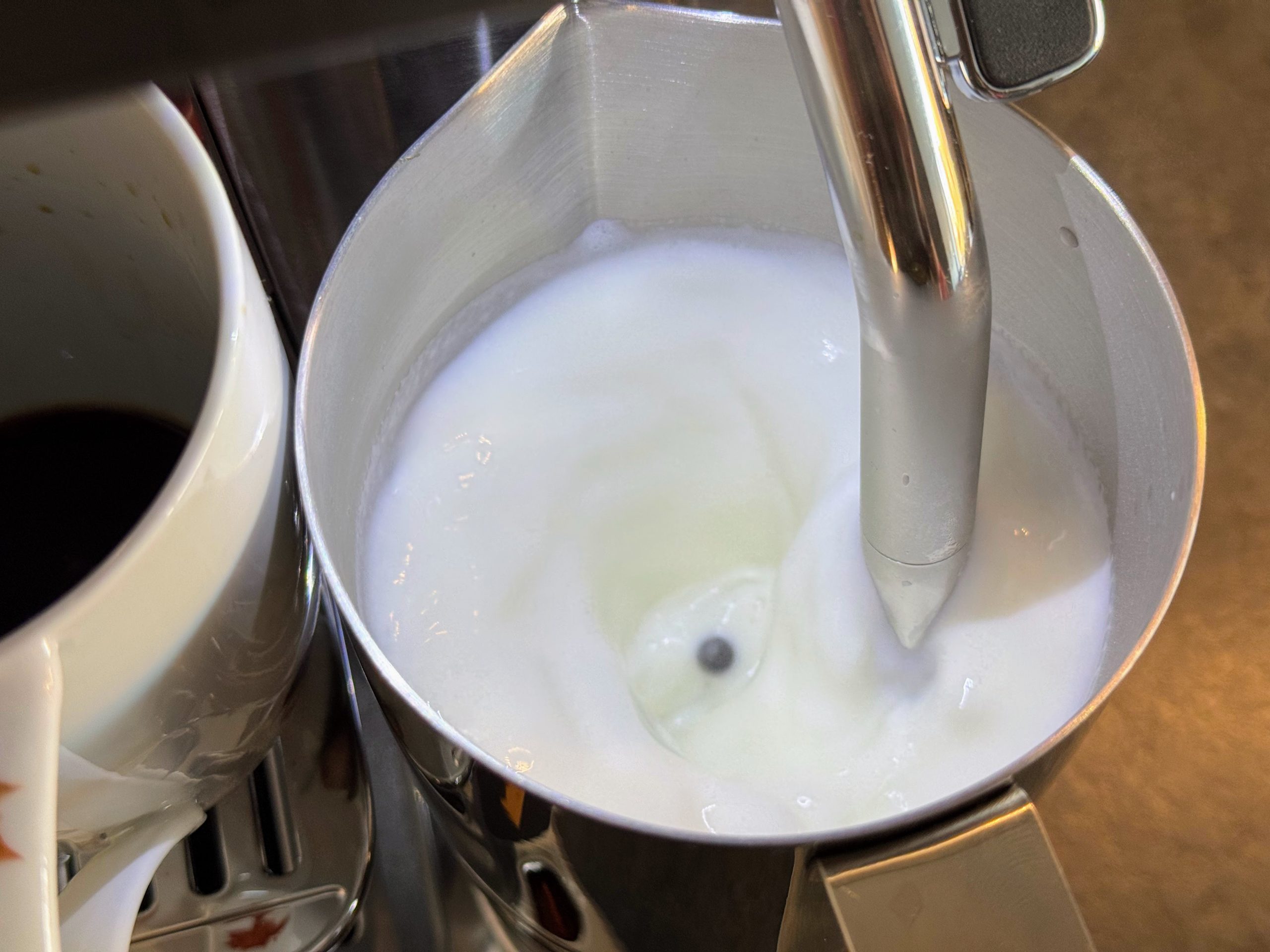
The milk frothing performed with the FrothPerfect function is based on the same concept as in Ninja’s Luxe Café series: an automatic steam wand that works together with a magnetically driven whisk at the bottom of the included steel jug. The result is consistent, creamy, and beats many traditional fully automatic machines hands down, with five presets (including cold foam) and a dedicated mode for plant-based drinks. The big bonus is hygiene: no gross milk hoses to flush and disassemble. You wipe the steam wand with a damp cloth, fold it down, and it purges itself with steam, and the jug goes straight into the dishwasher.
The downside? This isn’t a true “press a button and walk away” latte. You have to pour the frothed milk into the coffee cup yourself; good luck getting one of those nice barista hearts. And don’t make the mistake of pulling the milk jug away as soon as the steaming stops: the whisk continues to spin occasionally to keep the foam smooth while the espresso flows, and if you remove the jug prematurely, the machine cancels the entire brewing process. (An extra bonus tip: leave the milk temperature on Medium rather than High to avoid scalded milk).
Pre-ground filter coffee: A study in staggering (il)logic
The fact that the machine can also brew regular filter coffee – and has a separate compartment for pre-ground coffee – sounds great on paper and made us think we could retire our old brewer. Perfect also when you have guests who prefer classic Swedish filter coffee or when you want a single cup of decaf without switching bean hoppers. But how Ninja managed to design the operation for pre-ground filter coffee is, frankly, pure idiocy. There is a rigid, completely illogical sequence that the machine forces you into:
- The machine must be switched on and completely finished with its startup cycle.
- You must first select the drink on the menu.
- You must then press the button for pre-ground coffee (
PRE-GROUND) and set the desired volume. - Only now can you open the lid, scoop in the coffee powder (max 6 level scoops), and finally press Start.
If you do what every sane person who has ever touched a coffee maker does – open the lid, throw in a few scoops of coffee, and then select the brewing program (or happen to scoop before the machine has fully woken up) – the coffee powder falls straight into the machine’s internals and you’re left with a cup of brown, hot water! And to top it all off: although the AutoBarista Pro happily brews over a liter of filter coffee when using whole beans, the pre-ground mode is strictly limited to a maximum of 355 ml per round. If you want to brew a whole pot of pre-ground, you have to stand there and re-scoop for basically every single mug. How they managed to approve this solution in a machine with “Pro” in the name is actually beyond my comprehension and is a clear point for improvement for the next model.
To say something positive, the taste is good, fully on par with a better brewer but not quite up to the very best. So our old faithful in the editorial kitchen gets to stay next to this barista machine.
Noise level and everyday use
The second thing that dampens the cozy factor in the kitchen is, unfortunately, the noise level. Both the machine as a whole and especially the conical steel grinder make a considerable racket when they start up. In our tests, the grinder was measured at a full 78.5 dB, largely because the metal construction effectively transmits the sound.
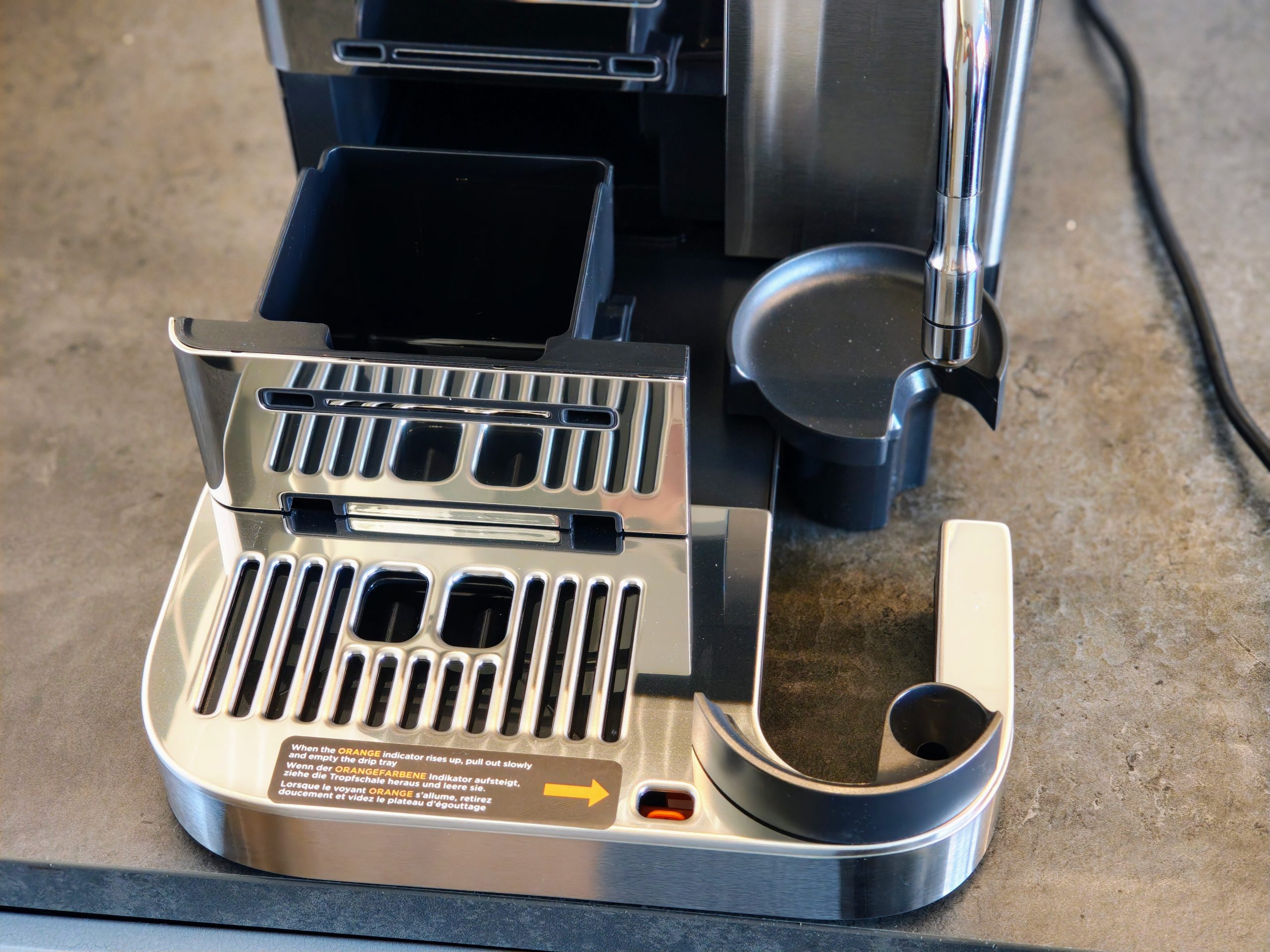
On weekday mornings when the family is already awake and the news is on, it’s perhaps not a major issue. But are you craving an evening espresso at half past ten when the kids are sleeping, or do you have an open-plan layout where someone is sitting on the couch watching a movie? Then the AutoBarista Pro sounds anything but like a silent ninja in the shadows. Add to that the machine rinses itself very frequently – which fills the drip tray and empties the water tank faster than you’d think – and it’s noticeable that it requires a fair amount of attention in daily life. However, the built-in rear exhaust fan deserves praise: it vents moisture out of the brewing area after use, which is a smart move against condensation and mold in the long run.
Conclusion
It is indescribably cozy to walk around in a bathrobe at home, go to the kitchen, and with the press of a button, get a steaming fresh, newly brewed cup of coffee within a couple of minutes. Ninja AutoBarista Pro is an ambitious, very attractive, and unusually versatile first-generation fully automatic machine. It takes up little space in terms of width, delivers surprisingly good double espresso even with standard beans, offers fine milk drinks without gross hoses, and has a brilliant solution with two interchangeable bean hoppers.
At the same time, it’s evident that this is SharkNinja’s debut in the segment. The grinder is quite loud, the single shot is watery, Grind iQ burns through an unnecessary amount of beans with no chance for future firmware updates, and the procedure for pre-ground filter coffee lacks any reasonable everyday logic. So there is potential for improvement for the next model.
The price tag also plays a decisive role here. At the Swedish launch price of 11,999 SEK, competition from established machines like De’Longhi Eletta Explore and De’Longhi Rivelia (which also deliver milk directly into the cup and weigh half as much) is fierce. But now, when the price has dropped to 7,495–7,999 SEK in promotions, the equation becomes completely different. For that money, you get a lot of machine, beverage range, and coffee joy – and the Ninja AutoBarista Pro therefore lands on a solid recommendation for those who can live with its quirks.
Ninja sent a review unit for this test. Senders of material have no editorial influence on our tests; we always write independently with you, the readers and consumers, in focus.
Review Highlights: Q&A
How noisy is the grinder during operation?
The conical steel grinder on the Ninja AutoBarista Pro reached a loud 78.5 dB in testing due to its metal build transmitting sound, making it noticeable in quiet homes or open layouts.
Can two people easily use different types of beans?
Yes, the machine comes with two interchangeable 340-gram bean hoppers that rest on built-in scales. You manually twist one off and click on the other without leaving old beans in the mechanism.
Does it automatically dispense milk into the cup?
No, you must pour the frothed milk yourself. The machine steams and whisks milk in an included stainless steel jug, which prevents dirty internal milk hoses and is dishwasher safe.
How well does it brew pre-ground coffee?
It brews well in taste, but requires a strict, confusing sequence where coffee dumped out of order falls inside the machine. Additionally, pre-ground mode is strictly limited to 355 ml per cycle.
How good is the espresso quality?
The unpressurized 53 mm brew unit produces balanced flavor, strength, and nice crema on double and triple shots, even with standard grocery store beans, though single shots turn out watery.