
TL;DR
Castlevania: Belmont's Curse is a 2.5D action-platformer priced at around 300 kronor. It excels with fluid movement, aggressive combat using a whip grappling hook, and flexible difficulty sliders. However, it struggles with fluctuating boss difficulty, imperfect controls during tough platforming, and console frame drops. It suits fans wanting 15 to 20 hours of gothic exploration, while those easily frustrated by precision platforming or demanding combat patterns might want to pass.
It is almost incomprehensible, but it has been 40 years this year since the first Castlevania game made its debut on the Famicom Disk in Japan, only to be later ported to cartridge on the NES. In that same year, the game was also released under the name Vampire Killer (or Akumajō Dracula) on the MSX, which happened to be yours truly’s very first own home computer — something I am happy about today (though I wasn’t quite as happy back then when all my friends were running Commodore 64/128 and Nintendo 8-bit). Over the years, some thirty games in the series have been released for all sorts of formats, from Gameboy to mobile, usually in classic 2D (2.5D) but occasionally even in 3D, all with the same basic story of how the Belmont clan — a family of vampire hunters — time and again defeat Dracula and his minions. The game series has been immensely popular and laid the foundation for almost an entire genre, “Metroidvania” (where the two platformer games are blended with maps and exploration into one), and the 1997 Japanese game, Castlevania: Symphony of the Night, is considered by me and most lovers of the series to be the absolute masterpiece.
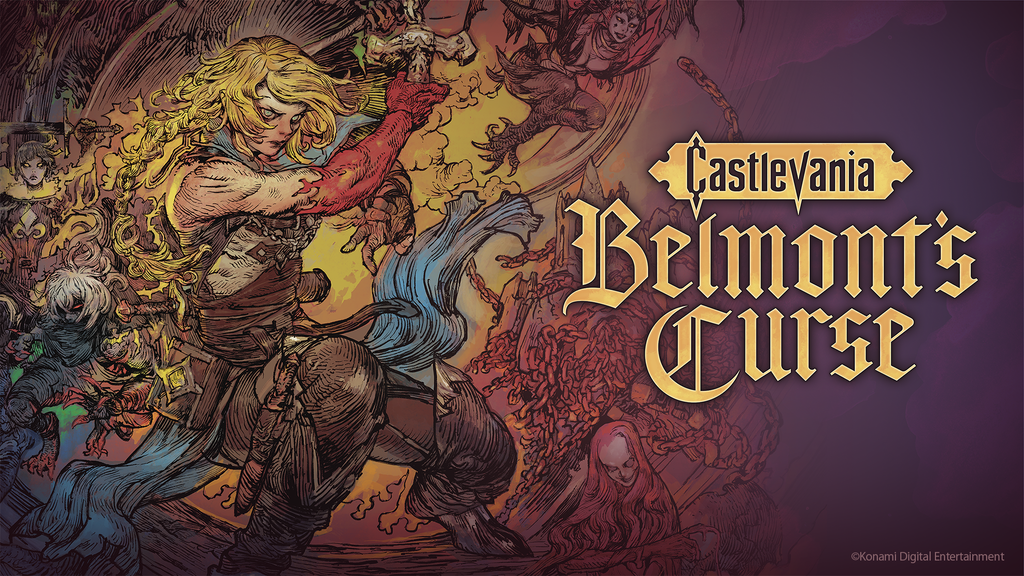
It has been 12 years since we got a game in the Castlevania series (and even then it was the “spin-off” Lords of Shadow 2 in 3D) — not counting Bloodstained: Ritual of the Night, which was a great game in the same spirit signed by Koji “Iga” Igarashi, who was involved in the classic SOTN. But now “the real” series is finally back in its “real” 2.5D form. This time, the baton has been passed to the French studio Evil Empire, best known for the Dead Cells series, and the question is whether their Castlevania: Belmont’s Curse is a “genuine” Castlevania game that can measure up to the best in the canon?
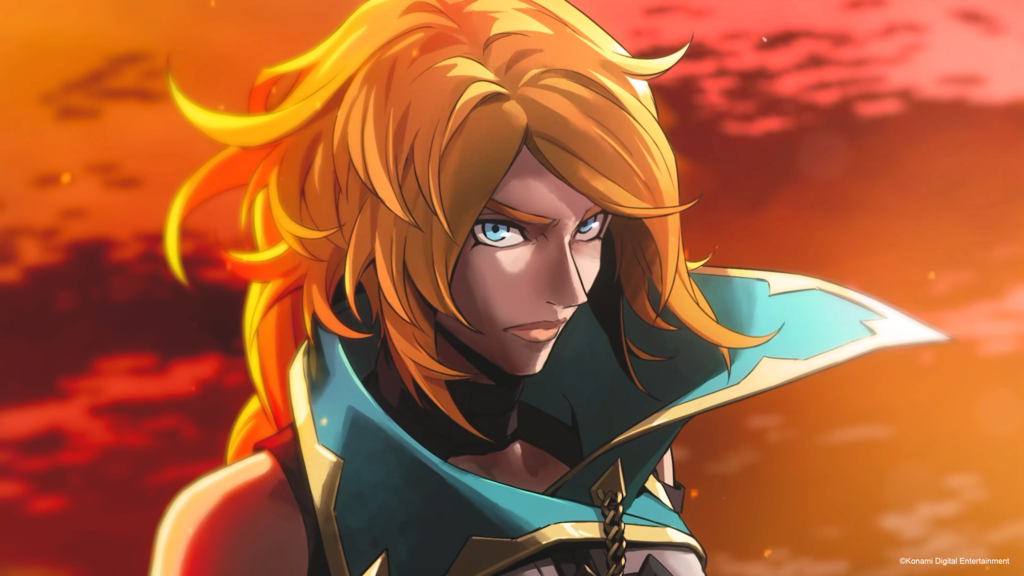
We are thrown into the year 1499, in the middle of a burning Paris. The protagonist is Rose Belmont, daughter of the legend Trevor Belmont and the witch Sypha Belnades (whom you might recognize from the somewhat shaky Netflix anime). Rose carries a curse in her right arm (signed by Dracula, of course) and must now cleanse both the French capital and Dracula’s castle of monsters. It is a dark, well-written, and handsomely presented premise that blends the series’ gothic mythology with historical figures like Jeanne d’Arc and a, to put it mildly, different King Arthur in a French, gothic, dark fantasy setting.
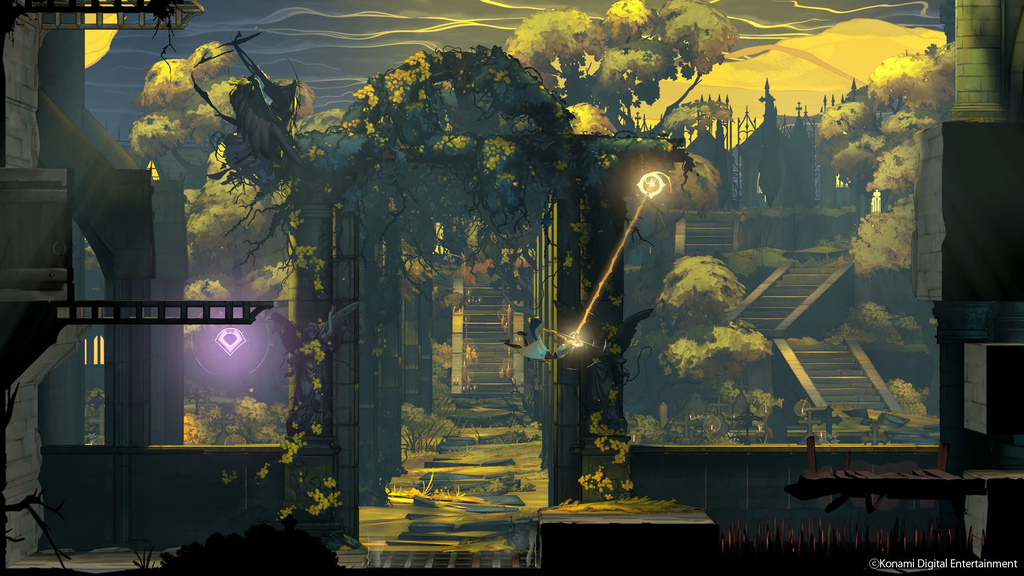
Mechanically, this is a very successful Castlevania game. Evil Empire has taken the classic 2D exploration and injected it with steroids. Rose moves with a nice flow, a kind of natural weight and speed (and she looks cool as hell in Alucard’s outfit that you can buy as DLC). Her whip, “Vampire Killer”, now also functions as a grappling hook, making platform jumping acrobatic and combat aggressive. The classic system of sub-weapons (axes and holy water that cost hearts) has been scrapped. Instead, you use “Arcana” – tarot cards powered by mana that let you use defeated bosses’ attacks, for example, petrifying enemies like Medusa or calling down Jeanne D’Arc’s pillars of fire. At the same time, you also get access to classic weapons like the spinning throwing-star cross. It is a modern, flexible system that encourages experimentation while echoing the familiar in just the right way.
But we need to talk about the two elephants in the gothic halls: the difficulty level and the controls. This game will probably be perceived as quite tough by most modern gamers (at least the boss fights, where the very first boss, The Fallen, gives many a real challenge). Combat borrows more from Dead Cells and Hollow Knight than from the forgiving Game Boy Advance games. Since each level up only provides marginal points in attack and defense, the game can at times feel like a “grind” – you have to wear down enemies and learn exact attack patterns rather than just leveling your way past problems, which in itself is not wrong. There is a certain satisfaction in decoding a boss’s attacks and then making mincemeat of it once you’ve figured out “the trick.” At the same time, the difficulty level is at times very fluctuating, and quite early bosses (which have several sub-phases, you’ll know which one I mean) can feel 100 times harder than bosses that come much later (like Carmilla and Arthur, who felt easy in context).
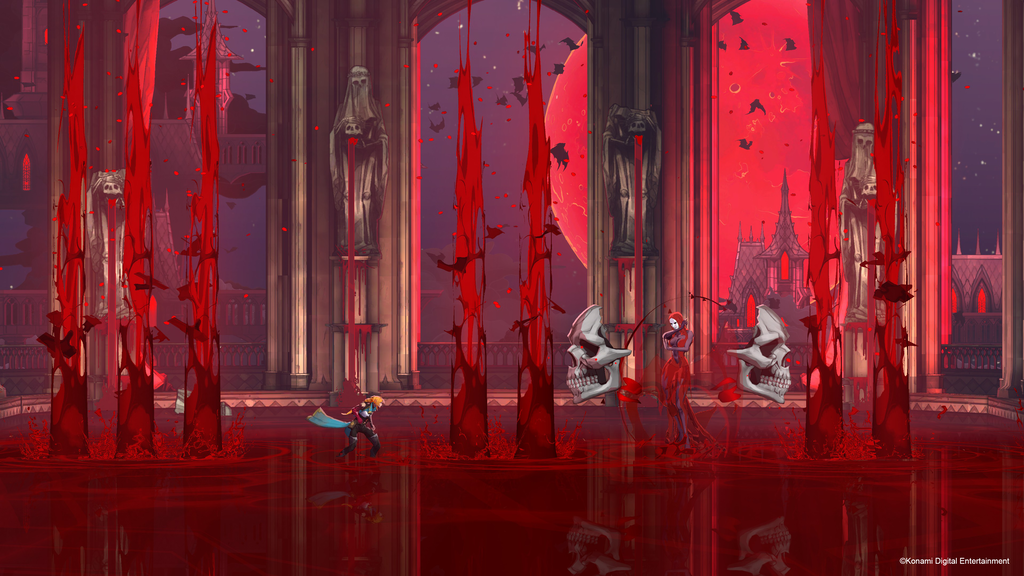
The controls are generally good, but not perfect. This makes some of the most difficult platforming sections unnecessarily challenging, and you’ll curse more than a few times at stone platforms you have to balance removing and keeping – something the developers borrowed from the latest Prince of Persia game The Lost Crown, which was my least favorite mechanic then, as well as now.
However – when it comes to the difficulty, the developers have implemented something borderline genius. If you feel that the whip lashes are stinging your own patience a bit too much, there is an extremely detailed system under the game’s settings. You don’t just choose “easy,” but can on a scale adjust exactly everything from how much damage you take to how much damage you deal, to activating respawning directly at the boss door. It works like a built-in, legitimate “hack” that lets you tailor the difficulty exactly on your own terms – and if you think it feels too easy, you can also adjust it upwards, in the other direction. It is respectful of the player’s time and opens up the adventure for those who have neither infinite time nor the inclination to grind the same boss fight for the umpteenth time.
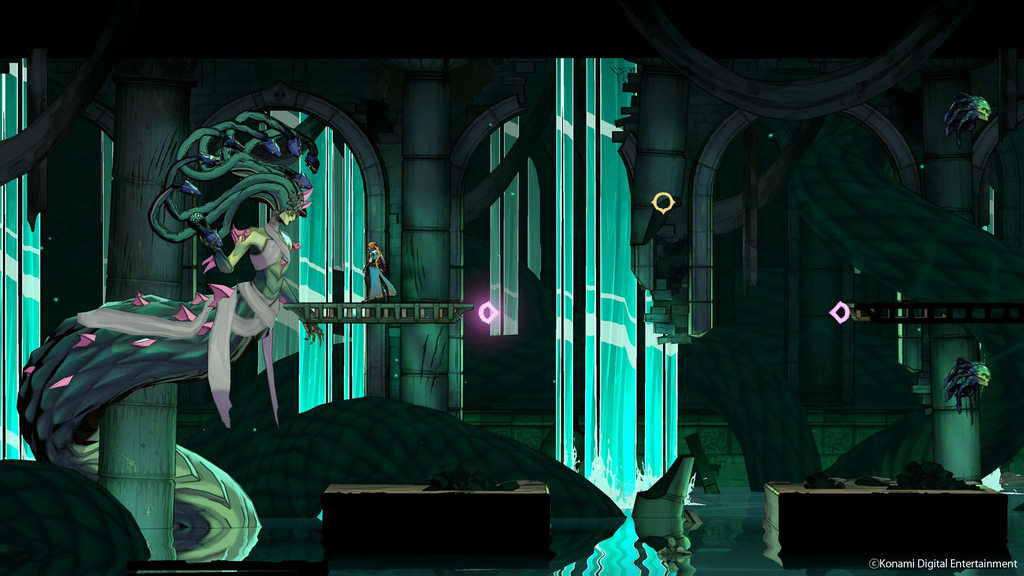
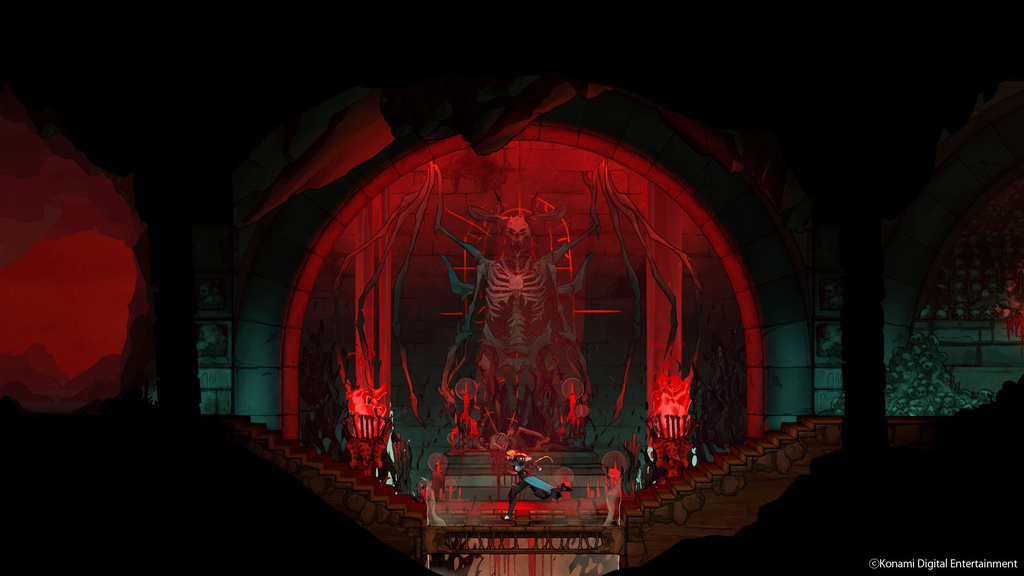
The graphics are stylish and the parallax effects provide a nice depth throughout the game. The colors and lighting from Dead Cells are recognizable, while the design borrows much of its inspiration from the Netflix series, for better or worse. The most enjoyable part is visiting Dracula’s castle anno 2026, where many sections (Clock Tower, Library, etc.) and enemies are recognizable (not least bosses), but they are presented in a new and fresh way.
The music has split fans into two camps – some love the modernization of classic Castlevania themes, others absolutely loathe it. I’m more in the positive camp overall; even if I can’t say I love the soundtrack, there’s at least nothing majorly wrong with it and it fits the setting. Listen for yourself and decide:
In terms of value, Belmont’s Curse is also a godsend. For around 300 kronor (Standard Edition), you get a game that easily provides 15-20 hours of entertainment, packed with secrets, alternative endings, and a massive map to explore and complete for those aiming for Platinum. Sure, the game has some technical hiccups, especially regarding resolution on the Nintendo Switch (unclear why Konami isn’t releasing a dedicated Switch 2 version?) and in the form of frame rate drops on PS5 when effects pile up on the screen. But these are minor points in context and will likely be ironed out with updates.
Castlevania: Belmont’s Curse does not knock Symphony of the Night off the throne — the question is whether any future game ever will (and that’s not nostalgia; I replay it about once a year and it is a perfect game!). But this is a worthy Castlevania game in the canon and a well-priced return that every Castlevania fan must take on and try, despite its flaws!
Konami sent a review code for this test. Senders of material have no editorial influence on our tests.
Review Highlights: Q&A
How difficult is Castlevania: Belmont's Curse to play?
Castlevania: Belmont's Curse features tough combat similar to Dead Cells and Hollow Knight, but players can finely adjust settings for damage taken, damage dealt, and boss door respawns.
How long does it take to beat Castlevania: Belmont's Curse?
The game provides 15 to 20 hours of entertainment, featuring a massive map to explore, secrets to uncover, and alternative endings.
Are there any technical issues on consoles?
The release suffers from resolution limitations on Nintendo Switch and experiences frame rate drops on PS5 when visual effects accumulate on screen.
How does combat differ from older series entries?
Instead of classic heart-powered sub-weapons, the combat uses Arcana tarot cards fueled by mana, which let players execute boss abilities alongside traditional items like the throwing-star cross.