TL;DR
Mortal Shell II is an action-oriented Soulslike sequel featuring over 60 dungeons. It excels with faster combat, tight controls, deep weapon variety, and detailed visuals. However, it suffers from repetitive boss encounters, frustrating stretches between checkpoints, and steep difficulty spikes. It appeals to players seeking challenging aggression-focused combat and technical polish, but players who dislike dying frequently or running long distances after death should bypass it.
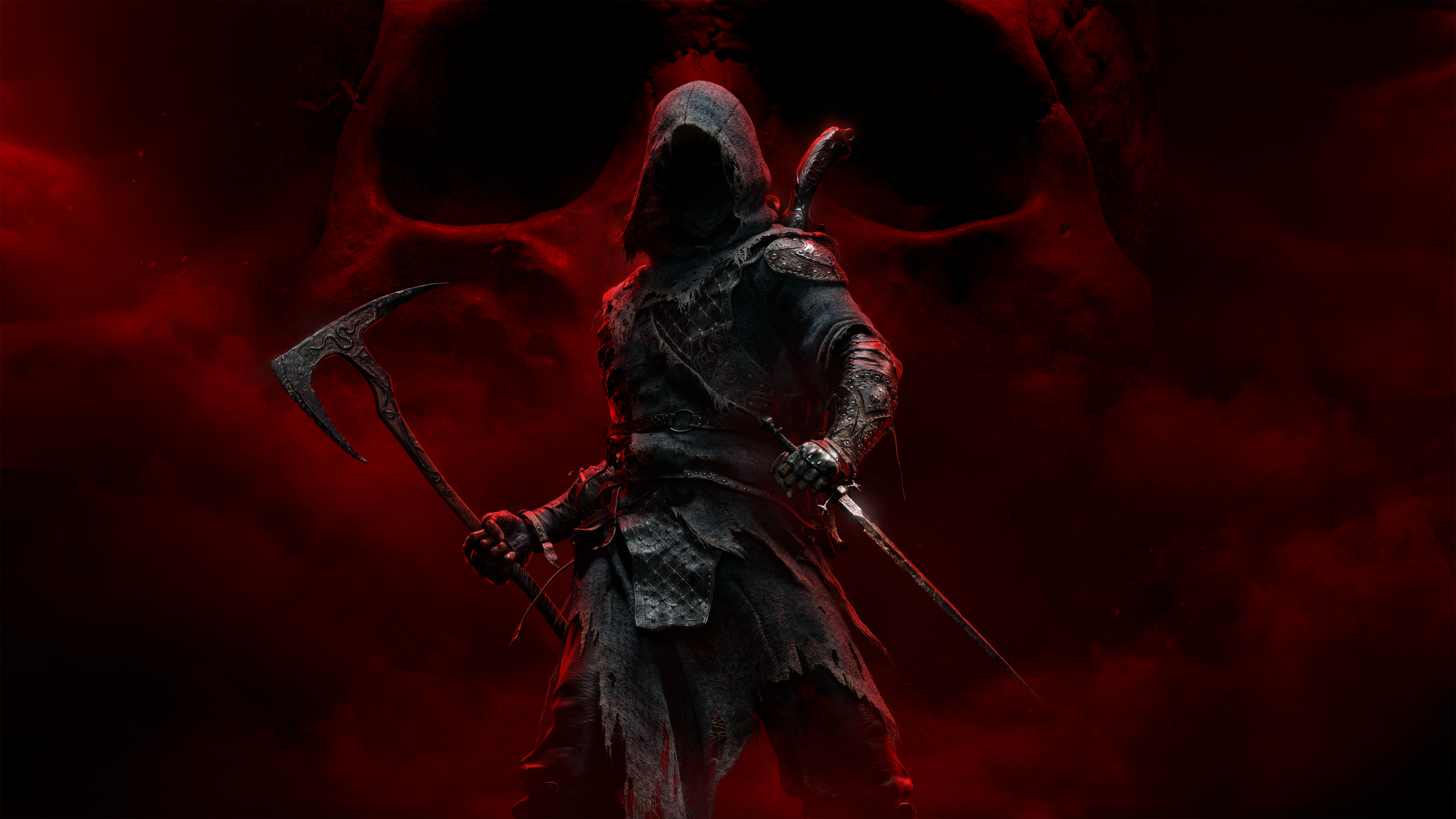
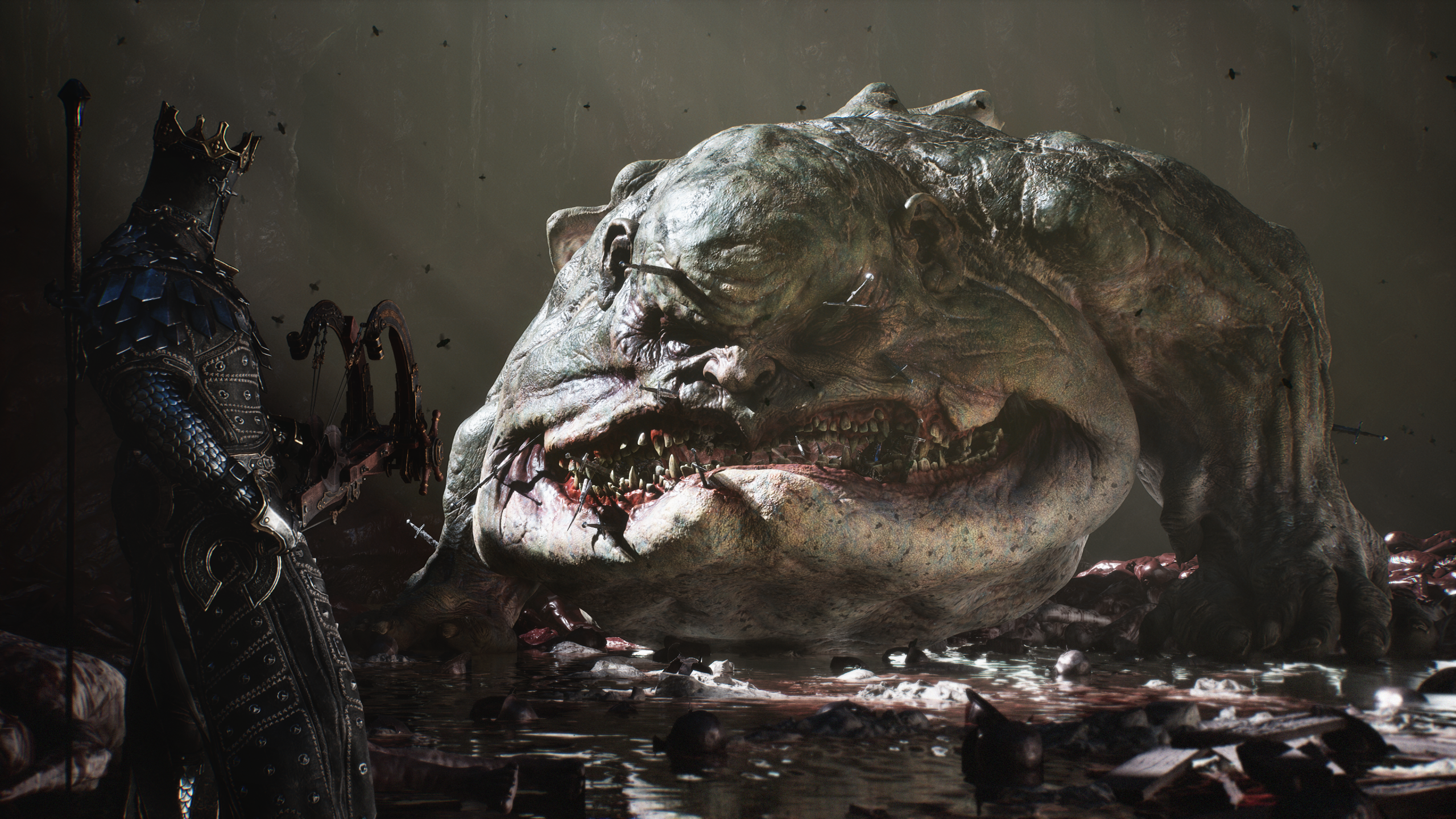
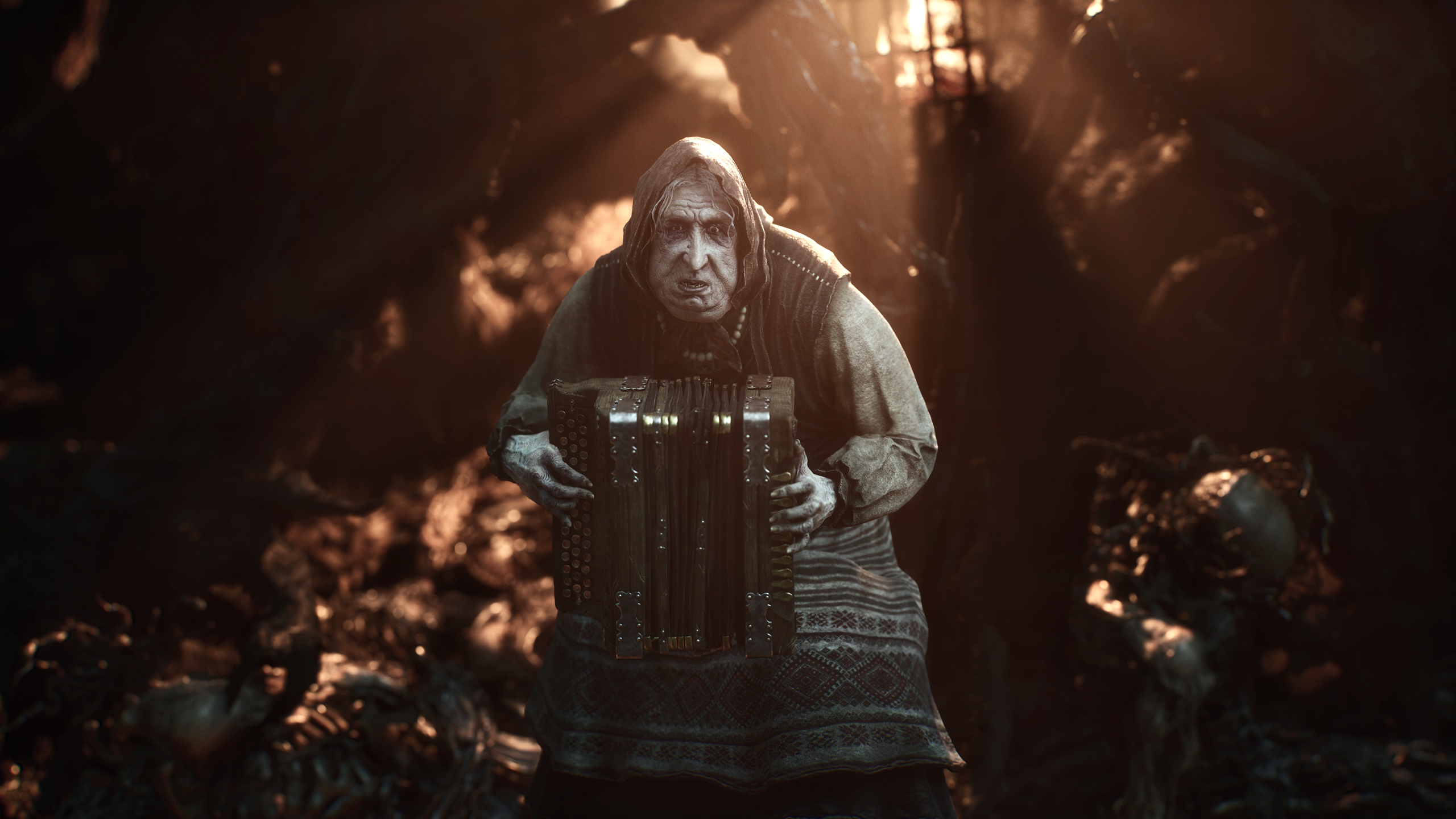
In Mortal Shell II we play as Harbinger, a god-like being created to reclaim the stolen Ova, which are artifacts that maintain a cosmic balance. The world has been infected by a dark parasite that corrupts its creators and drives them to madness, and to stop the collapse, you must “inhabit” the bodies of fallen warriors. You explore a vast interconnected world with over 60 handcrafted dungeons, gradually revealing secrets, bosses, and areas with their own unique aesthetic expressions. The tone is dark and grotesque, but the game also dares to be strangely humorous; some enemies are so absurd they become almost comical, giving the game its own identity in an otherwise dead-serious genre.
Overview and development
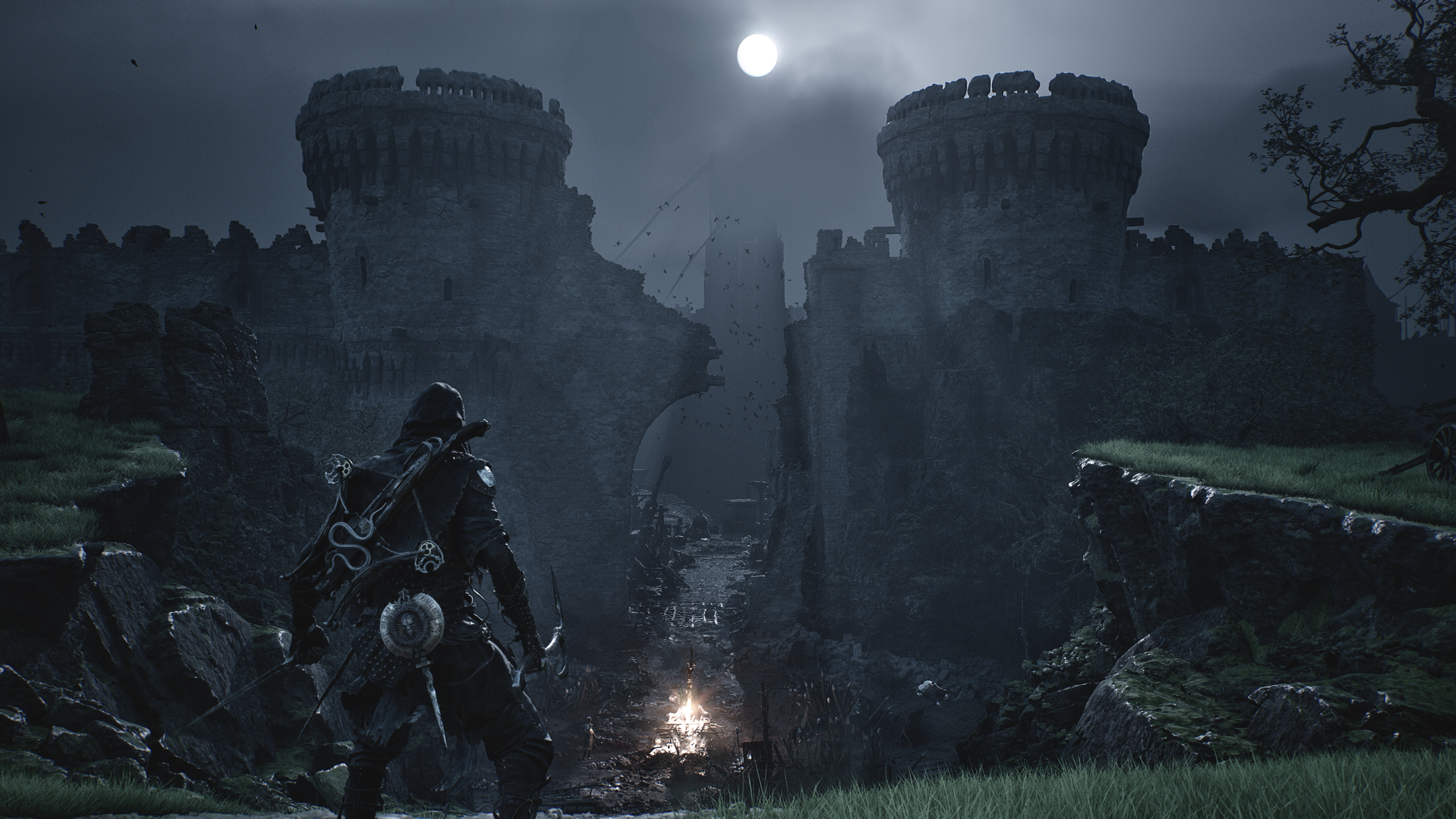
Mortal Shell II is a sequel that clearly aims for more than its predecessor. Almost every aspect has been expanded: combat is faster, the world is significantly larger, and the systems depth has been greatly broadened. The concept of taking over different “Shells” remains, but now with more weapons, more areas, and a clearer focus on aggression and tempo. This is a Soulslike that both respects Mortal Shell and dares to take major steps forward.
Combat system and mechanics
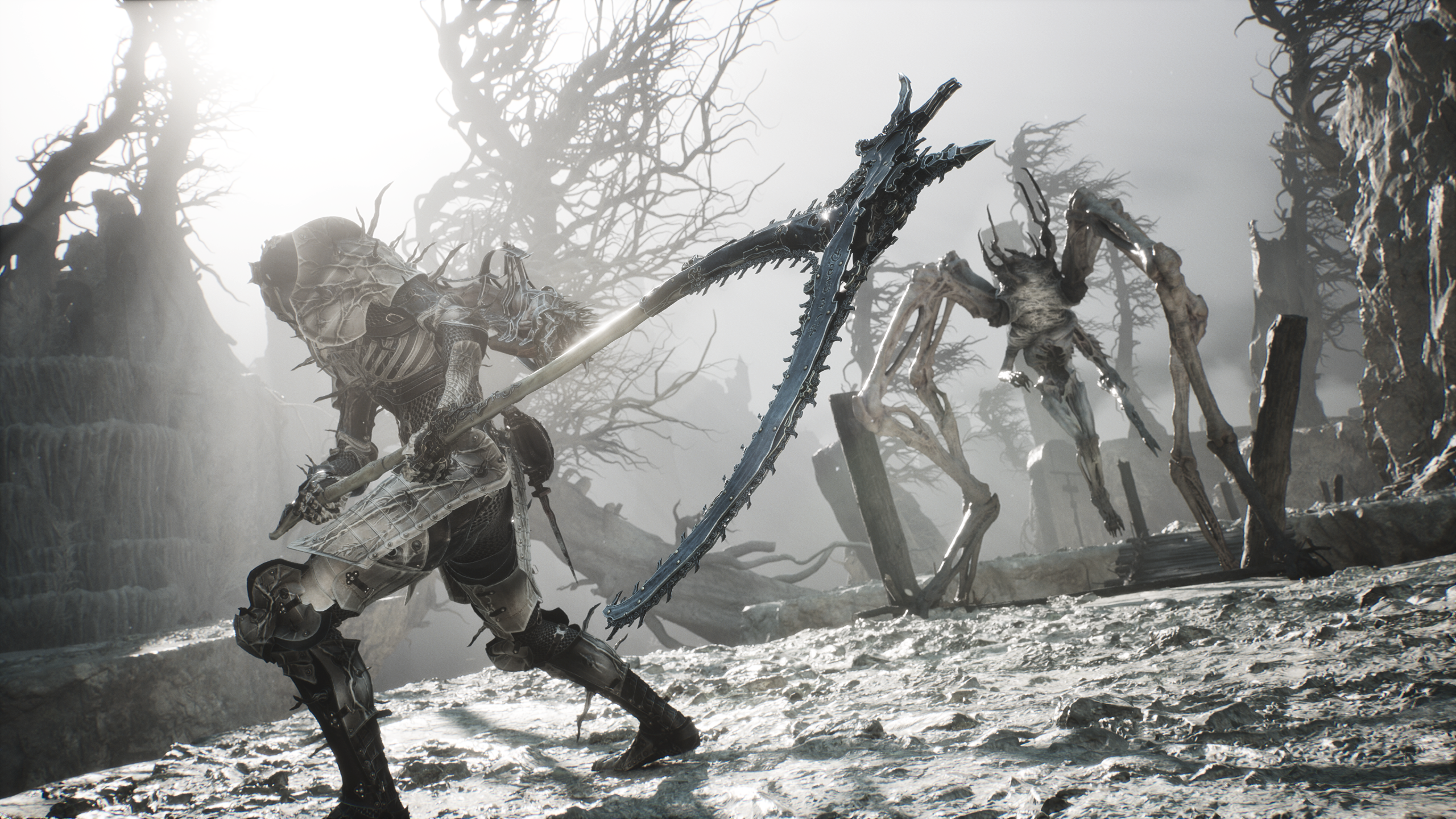
The combat system has changed, making Mortal Shell II significantly more action-oriented. The traditional stamina meter is gone, which allows combat to flow faster and encourages aggressive play. Instead, everything is governed by Resolve, a resource that affects advanced attacks, parries, weapon abilities, and Shell-specific techniques. There are now eight Shells, eight melee weapons, and eight sidearms, providing a level of freedom to experiment that the original never quite reached. Furthermore, enemies and bosses are more dynamic and varied.
Difficulty and progression
The difficulty level is not something you choose in a menu, but something shaped by how you play. Each Shell functions as its own difficulty profile: heavy Shells offer more health and poise but slower attacks, while lighter Shells are faster and generate Resolve more efficiently but require significantly more precision. The Resolve system replaces stamina and requires you to manage your resources smartly to avoid being overwhelmed. Enemies also react to your behavior; if you play aggressively, they become faster and more unpredictable, while defensive play makes them more methodical. Dungeons are designed with a natural progression where enemy variety, aggression, and mechanical demands increase the further you progress, causing the difficulty to shift organically throughout the game. You cannot save in the traditional sense; instead, the game relies on checkpoints in the form of the various dungeons that you can clear for extra points and equipment.
Graphics modes and performance
I tested Mortal Shell II on PlayStation 5 Pro, and it is clear that the game is optimized for the Pro console. Thanks to PSSR (PlayStation Spectral Super Resolution), you get a significantly sharper image and more stable reconstruction than on the standard PS5 model. In Performance mode, the game stays stable around 60 FPS, rendered at a lower internal resolution which is then upscaled to 2160p using PSSR, and the lighting as well as the level of detail are noticeably better than on the base PS5. Balanced mode runs at around 40 FPS with ray tracing enabled and requires a 120 Hz display, but provides a very good balance between fluidity and image quality. Quality mode stays around 30 FPS and prioritizes maximum image quality with ray tracing and higher internal resolution, making it perfect for exploration and somewhat calmer parts of the game.
On the standard PS5, the differences are clear: the console uses TSR instead of PSSR, ray tracing is limited to simpler SSR reflections, and the internal resolution is lower in Quality Mode. Performance Mode is fully playable and stays around 60 FPS, but lacks the visual advantages of the Pro console. Gameplay, enemy health, progression, and the Shell system are, however, identical between the consoles.
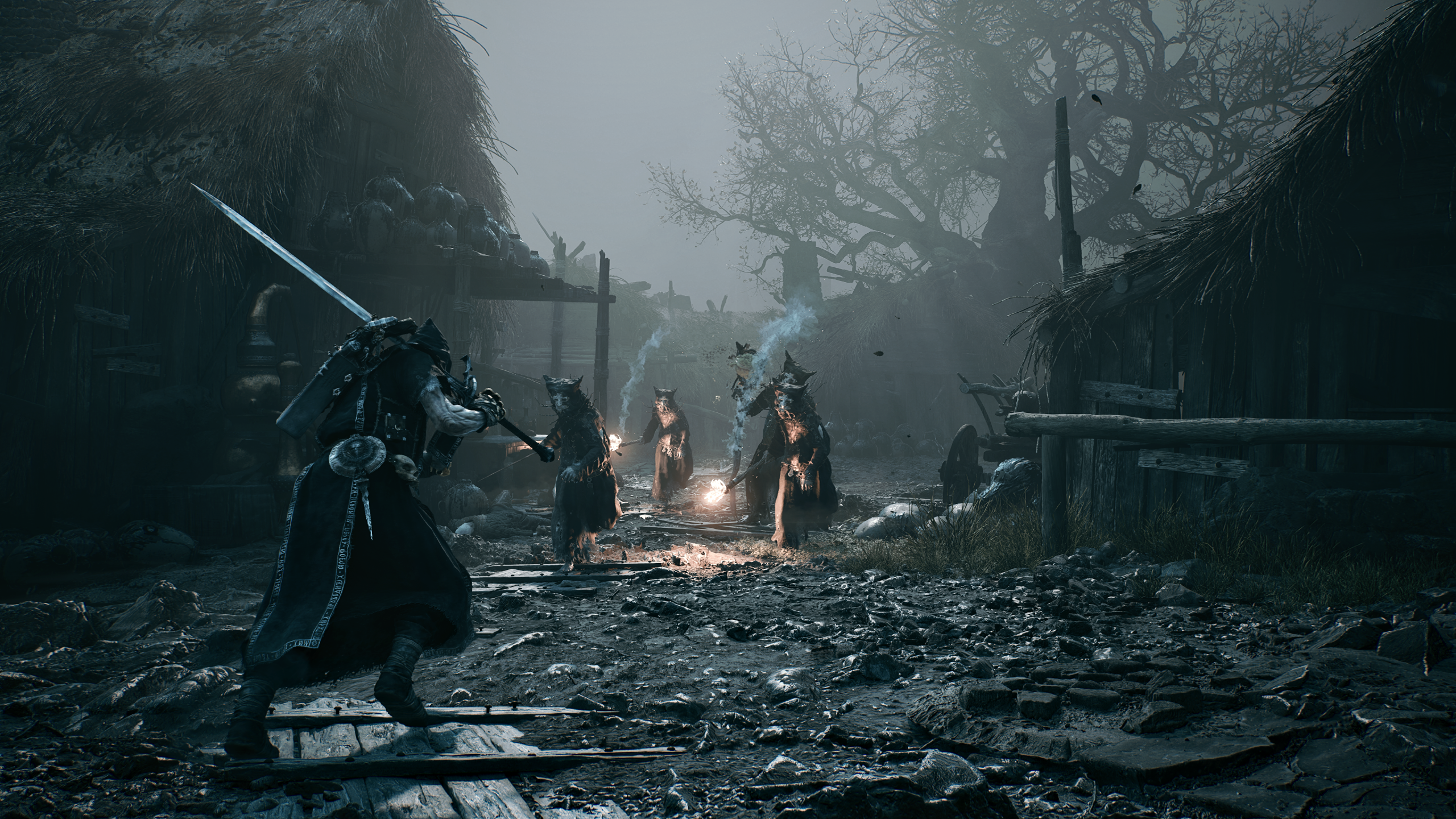
In summary, Mortal Shell II is a technically impressive and significantly more ambitious sequel that both respects the original and dares to take major steps forward. What bothered me is that even if the difficulty level is supposed to be based on how you play, you have to be prepared to die often, and since it is sometimes quite a long way between checkpoints, it quickly becomes frustrating. On the other hand, what compensates for this is that the game is gloriously bloody, the controls are tight, and the graphics are extremely well-made and detailed. So, the rating is high but doesn’t quite reach a recommendation, precisely because it is annoyingly difficult at times, there are long distances between checkpoints, and the boss fights are, as in all other games, an eternal running in circles and hitting and hitting until the beast is dead.
Playstack sent a review code. The sender of the material has no editorial influence on our tests.
How we rate products at Senses
Review Highlights: Q&A
How does combat differ from the first game?
Mortal Shell II removes the traditional stamina meter entirely in favor of Resolve, creating a much faster, aggression-oriented flow. It provides eight Shells, eight melee weapons, and eight sidearms to diversify playstyles.
How does the save and checkpoint system work?
There is no traditional manual saving. Progress relies on dungeon checkpoints, which can feature long distances between them that make frequent deaths frustrating.
How does the game perform on PlayStation 5 Pro?
On PS5 Pro, Performance mode maintains a stable 60 FPS upscaled to 2160p via PSSR. Balanced mode runs near 40 FPS with ray tracing on 120 Hz displays, while Quality mode targets 30 FPS.
How is difficulty handled during gameplay?
Difficulty is shaped by player actions rather than a menu setting. Each Shell functions as its own difficulty profile, and enemies dynamically alter their speed and tactics depending on whether combat is aggressive or defensive.