
TL;DR
The Huawei Watch D3 is a smartwatch featuring a built-in air pump and cuff for medical-grade blood pressure tracking. It excels at fast, quiet blood pressure readings and sleep-friendly 24-hour monitoring without requiring calibration. However, it cannot be worn while showering or swimming, lacks third-party apps, and has a poorly ventilated strap. Priced at 5,499 kr, it suits individuals who need continuous, discreet blood pressure monitoring.
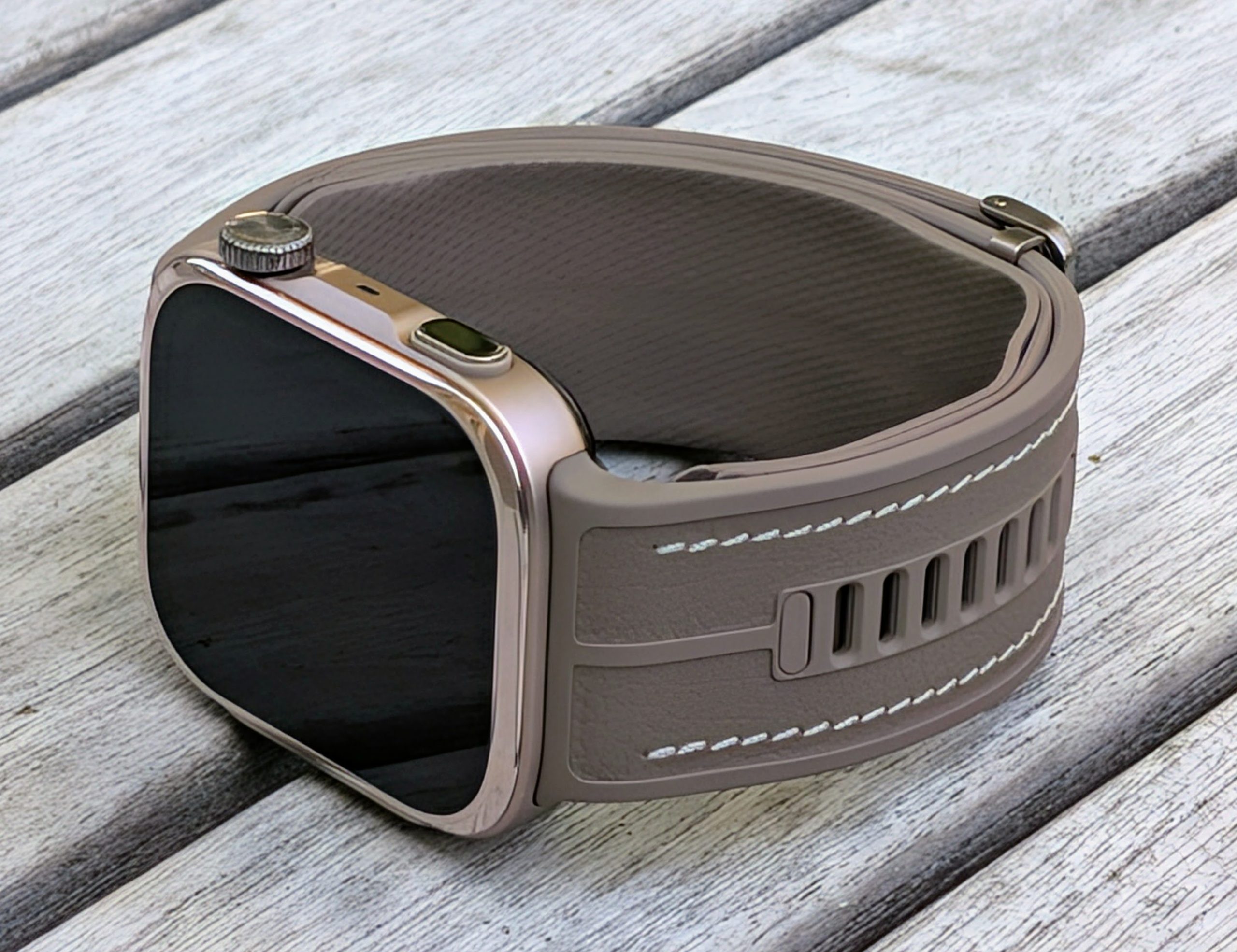
Is it a watch or is it a blood pressure monitor? The answer is actually both. Beneath the strap lies an air cushion and a micro-pump, utilizing the same principle as a real blood pressure cuff, and Huawei holds both CE marking according to MDR and Chinese NMPA registration for the measurement. Added to that is 24-hour monitoring, blood pressure tracking before and after exercise, ECG, and a health check that provides eleven values in one minute.
But is a feature that no other watch can match enough to make you want to wear it on your wrist around the clock? Let’s find out!
Design and Build Quality
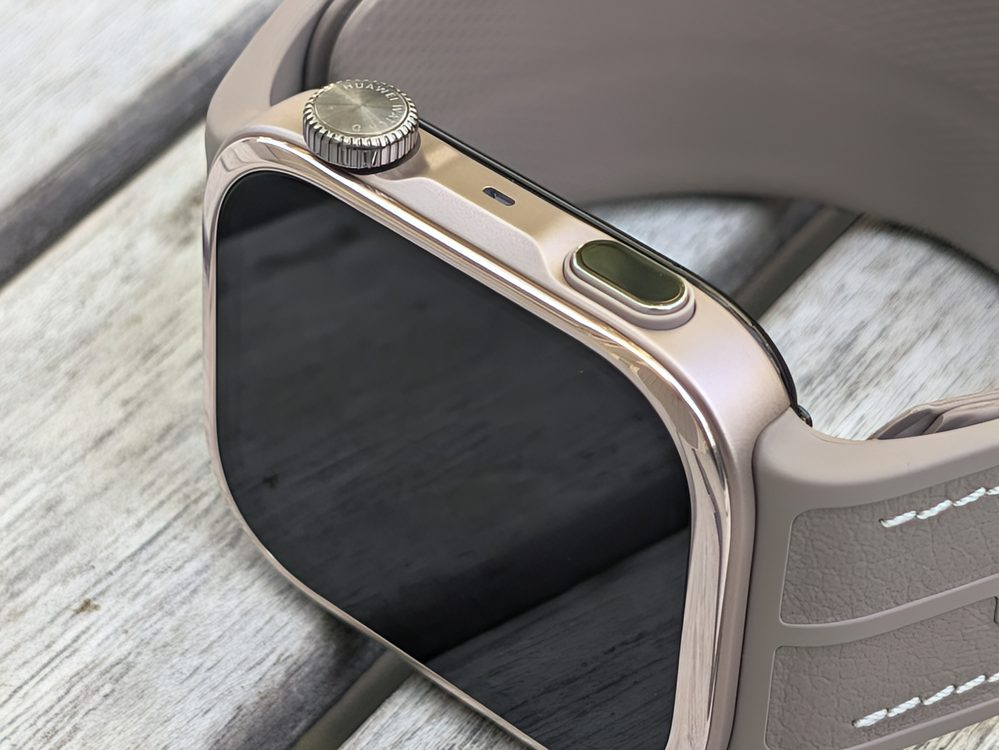
The D3 is stylish. The case is 11.3 millimeters thick, down from 13.3 on its predecessor, and the size L strap weighs 35 grams compared to the previous 44. These might sound like minor figures on paper, but it’s the difference between a watch you wear and a device you carry. This one, you wear.
The watch is available in Black, Gold, and Mocha Gold. The gold variants feature a composite and synthetic leather strap, while the black version comes with an HNBR rubber strap. The air cushion is 25.5 millimeters wide and hidden within the strap; if you see the watch on someone else’s wrist, you wouldn’t think of medical technology. That is a point in itself, and arguably the most important one for those who actually need to measure their blood pressure every day but don’t want to advertise it.
The box includes a charging puck, a wrist measuring tape, and straps in two sizes: M for 13 to 16 centimeters and L for 16 to 21 centimeters. If you fall outside this range, you should expect lower accuracy, so it’s worth measuring carefully the first time.
The wearing comfort is good. The watch is comfortable to sleep with and stays in place, which is a prerequisite for the measurements to be of any value.
Display
The screen is excellent. A 1.92-inch AMOLED with 3,000 nits peak brightness, and Huawei has reduced the bezels so that the screen surface occupies 6.4 percent more of the front than on the D2. In practice, this means that blood pressure values can be read in direct sunlight without needing to tilt your wrist, and that graphs and reports actually fit.
Installation
Here comes the first issue, and it’s the same problem as always with Huawei. On iPhone, you download Huawei Health and proceed. On Android, the app isn’t in Google Play; instead, you scan a QR code, download an APK, click past a warning that the file might be harmful, and install it anyway. On the editorial team’s Google Pixel 10 Pro XL, it eventually works, but it’s not something you’d want to guide a parent through over the phone.
Blood Pressure Measurement
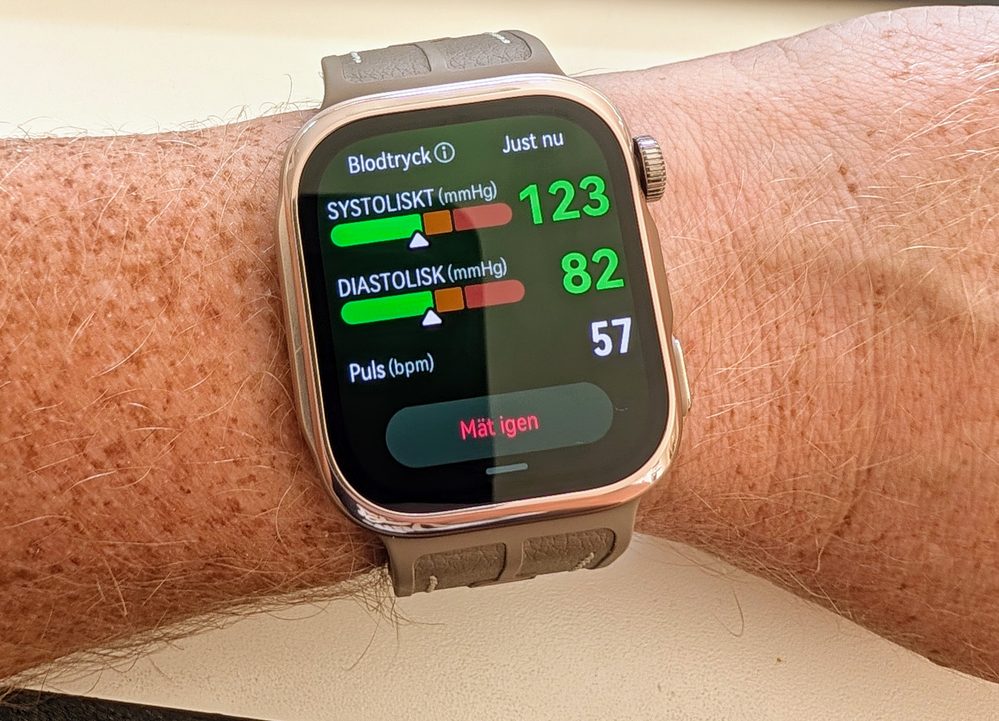
Measurement is accessed via the app list or the bottom button. You sit still, hold your arm at heart level with your hand against your chest, and remain quiet for thirty seconds to a minute. The watch actively flags if the strap is loose or if the arm position is incorrect, which is good, as posture affects the result more than you might think. Furthermore, the inflation is soft and quiet compared to a standard upper-arm monitor.
And it’s fast. The measurement is finished in under a minute, and it works excellently.
There is also a “guest mode” so you can lend it out and let an acquaintance test their blood pressure without it being logged or included in your data. Very convenient.
To determine if the values are reliable, we compared it against a blood pressure monitor from Beurer that we took to the health center to cross-reference with their equipment. The D3 comes very close. Not identical, but close enough that you can use the watch to track your values over time without having to question every single figure.
It’s worth being clear about one thing: CE marking according to MDR means the product meets the requirements to be sold as a medical device, not that it is interchangeable with professional healthcare equipment. However, compared to the optical estimations used by companies like Samsung, where you either only get a trend or have to recalibrate against a cuff periodically, this is something else entirely. The D3 measures; it doesn’t guess, and it requires no calibration.
24-Hour Measurement
The ambulatory measurement—the one that runs around the clock—is a feature that makes the watch truly interesting. The watch takes at least 20 measurements during the day and seven during the night, following the same intervals used by professional healthcare equipment.
It worked flawlessly. The nighttime measurements are barely noticeable, which is a big deal. Anyone who has worn a classic 24-hour monitor knows that the pump wakes you up every time, meaning the sleep data isn’t representative. Here, you actually sleep. The daytime measurements still require you to pause and sit down properly.
Blood Pressure Before and After Exercise
New for the D3 is measurement before and after a workout, something Huawei calls a world first in a smartwatch. The logic is sound: an exaggerated blood pressure response during exertion reveals things that a resting value does not. There is support for six types of exercise, including indoor and outdoor running, walking, and cycling. A resting value is taken as a reference before the session; after the session, the measurement should be started no sooner than 60 seconds and no later than 120 seconds after you have stopped.
Other Health Monitoring
Health Glance gathers eleven values in about 60 seconds: heart rate, SpO2, single-channel ECG, blood pressure, skin temperature, and stress via HRV, plus screenings for things like arterial elasticity. It’s a nice feature to incorporate into a morning routine, but the screenings should be viewed as indications and nothing more. Unlike the ECG and blood pressure measurements, the arterial stiffness measurement lacks medical device certification, and Huawei states themselves that it is not intended for medical use, not for persons under 18, not for pacemaker users, and not for those with serious arrhythmia.
Sleep tracking has been updated with a new sleep architecture and a measure of stable sleep. The times for falling asleep and waking up are quite accurate. Emotional states have increased from three to twelve, and stress tracking is integrated.
Health Insights sits on top of all this, providing daily summaries, comparisons between days when the difference is at least 10 mmHg, a morning briefing that appears five to ten minutes after you wake up, and a Physical Readiness Score.
Via an update this fall, the Family Health Community will be introduced, where you can follow family members’ values and receive alerts for deviations.
Training and Smart Features
There are over 100 training modes and new modes for golf, skiing, trail running, and mini-workouts. Auto-start for workouts and similar features work exactly as expected.
As a smartwatch, it is thin, but it’s the same story as with other Huawei watches, such as the Huawei Watch GT 7 Pro we recently tested. Bluetooth calling works with the speaker and microphone. Notifications are handled well on Android, with quick replies and a feature that silences the watch when you are actively using your phone, while iOS users only get to read them. The app ecosystem is practically non-existent. There is no Spotify, no Google Maps—none of the things you actually use. If you want a “real” smartwatch, the OnePlus Watch 3 with Wear OS is a completely different world.
Huawei has, however, addressed payments. Curve Pay is supported from the start in Sweden, aggregating Visa and Mastercard cards into an app that you download separately and pair with the watch.
Water, Sweat, and the Strap
And now for what is most annoying in everyday life.
The watch is IP68-rated, but you cannot shower with it, cannot swim with it, and it is also not waterproof during an active measurement. If water gets on the watch, it should be wiped off so as not to affect accuracy. The reason is mechanical. The air cushion and pump require small air holes, and soap and chlorine have no business being there. It’s understandable, but it still feels crazy that an IP68 watch has to come off before you step into the shower, especially when it’s a watch intended to be worn around the clock.
The strap is the second objection. It doesn’t breathe at all. After just a couple of weeks on the wrist, a hint of sweat odor began to develop, and how you are actually supposed to wash it without damaging the air cushion is unclear. This is a product meant to be worn every day for years, and in that context, the strap is not just a minor detail.
Battery and Charging
Huawei specifies up to six days with typical use, which assumes three measurements per day. With roughly one measurement a day, we manage a week without problems.
If you run 24-hour monitoring, it’s a different story. Then you have to charge once the 24 hours are up. Charging occurs wirelessly via a magnetic puck.
Conclusion
The Huawei Watch D3 does one thing that no other smartwatch truly does, and it does it well. The blood pressure measurement is fast, quiet, requires no calibration, and stays close to a validated home monitor. The 24-hour monitoring is the best reason to buy the watch, and the fact that you can sleep through it makes it more useful than professional healthcare equipment. The screen is excellent, the watch is stylish, and it is light enough to forget on your wrist.
Then there are the downsides: the installation on Android is still a pain. The app selection is basically non-existent. It can’t handle a shower despite the IP68 rating. And the strap breathes poorly and is difficult to wash, so the question is how fresh it will stay over time.
The recommended price is 5,499 SEK, and the watch will be released in Sweden on October 12th. That is a lot of money for a smartwatch, but it is a reasonable amount for a certified blood pressure monitor that you actually wear. If you have been told to keep track of your blood pressure, the Watch D3 is an excellent way to do it without your daily life revolving around it.
How we rate products at SensesReview Highlights: Q&A
How accurate is the blood pressure measurement?
The Huawei Watch D3 holds CE marking under MDR and uses an inflatable air cushion in the strap. In testing alongside a verified Beurer monitor, results came close enough to track trends reliably without requiring optical calibration.
Can I wear this watch in the shower or while swimming?
No. Although the watch has an IP68 rating, it cannot be used while swimming or showering because soap, chlorine, and water can enter the mechanical air holes needed for the pump.
How long does the battery last on a single charge?
With typical use of about one measurement per day, the battery lasts up to a full week. However, running continuous 24-hour ambulatory blood pressure monitoring drains the battery, requiring a recharge right after the 24 hours conclude.
What smart features and apps are supported?
The watch supports Bluetooth calling, notifications, and contactless payments via Curve Pay. However, there is no third-party app ecosystem for services like Spotify or Google Maps.
How difficult is the initial setup on an Android phone?
Setup on Android requires scanning a QR code to download and install the Huawei Health APK file manually rather than through Google Play, which can be cumbersome.