
TL;DR
After six years of anticipation and multiple delays, Capcom’s Pragmata has finally arrived, and it proves that some risks are worth taking. Set on a hauntingly beautiful lunar base, the game follows the subtle, growing bond between astronaut Hugh and the mysterious Diana. Its standout feature is a high-stakes combat system that blends real-time hacking with strategic weapon play, offering a refreshing—if occasionally frantic—challenge. While the pacing wavers and enemy variety thins toward the end, the game’s dreamlike visuals and emotional depth create an atmosphere that lingers long after the credits roll. Pragmata isn't just another sci-fi shooter; it is a bold, experimental passion project that prioritizes heart and innovation over playing it safe. Curious if this lunar odyssey lives up to the years of hype? Dive into our full review to see why Pragmata is Capcom’s most unique achievement yet.
Capcom has been on an incredible roll over the last few years – so much so that I would almost call it a modern golden age. With a series of strong releases behind them, expectations have only grown, and few games have carried that weight for as long as Pragmata.
The game was first shown a full six years ago, and has since undergone several delays – two, to be exact. In the meantime, it has gained almost mythical status: a project that promised something different, but which many began to wonder if it would even live up to the hype. And now it is finally here. So, is Pragmata fantastic? In short: yes.
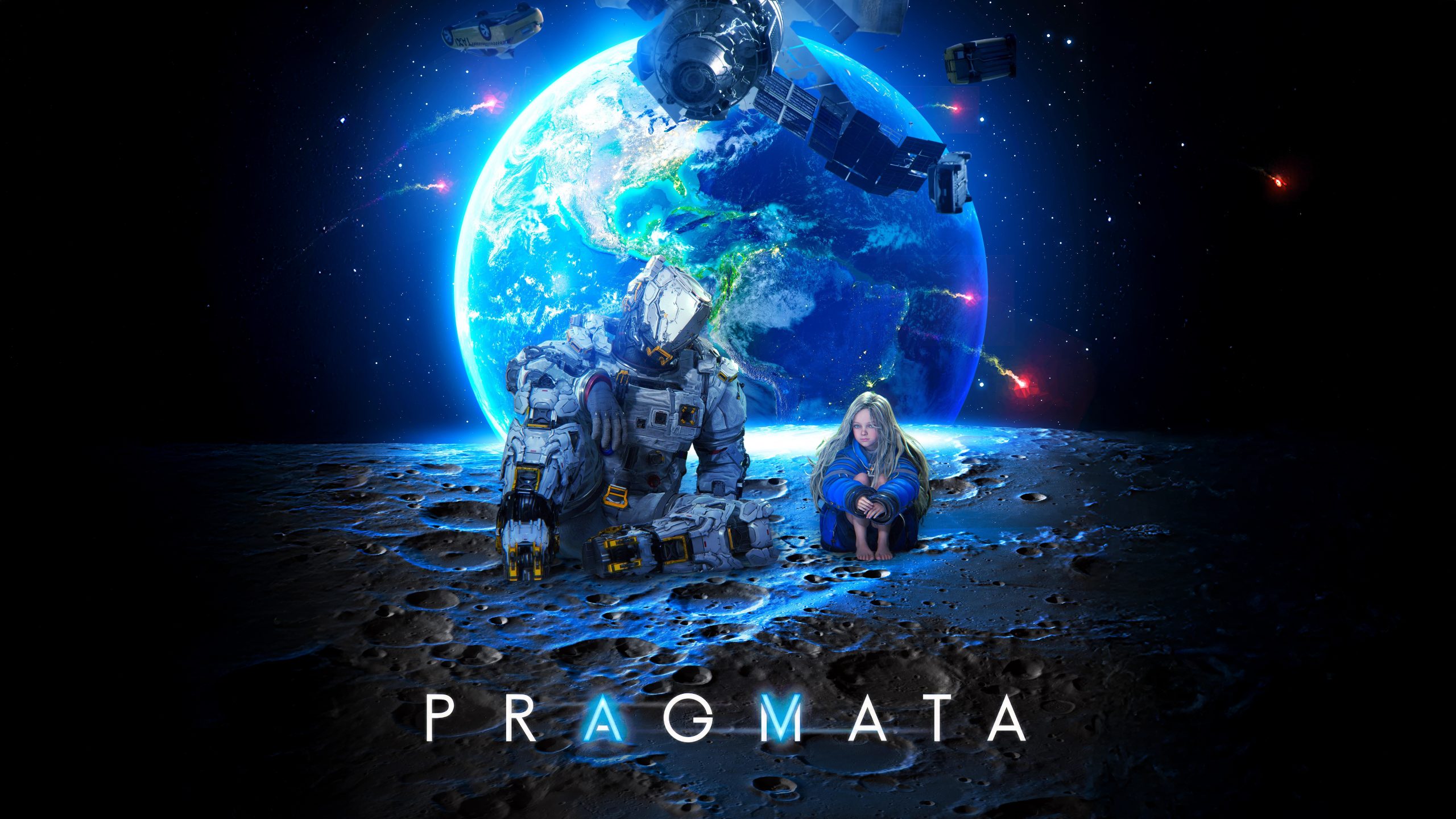
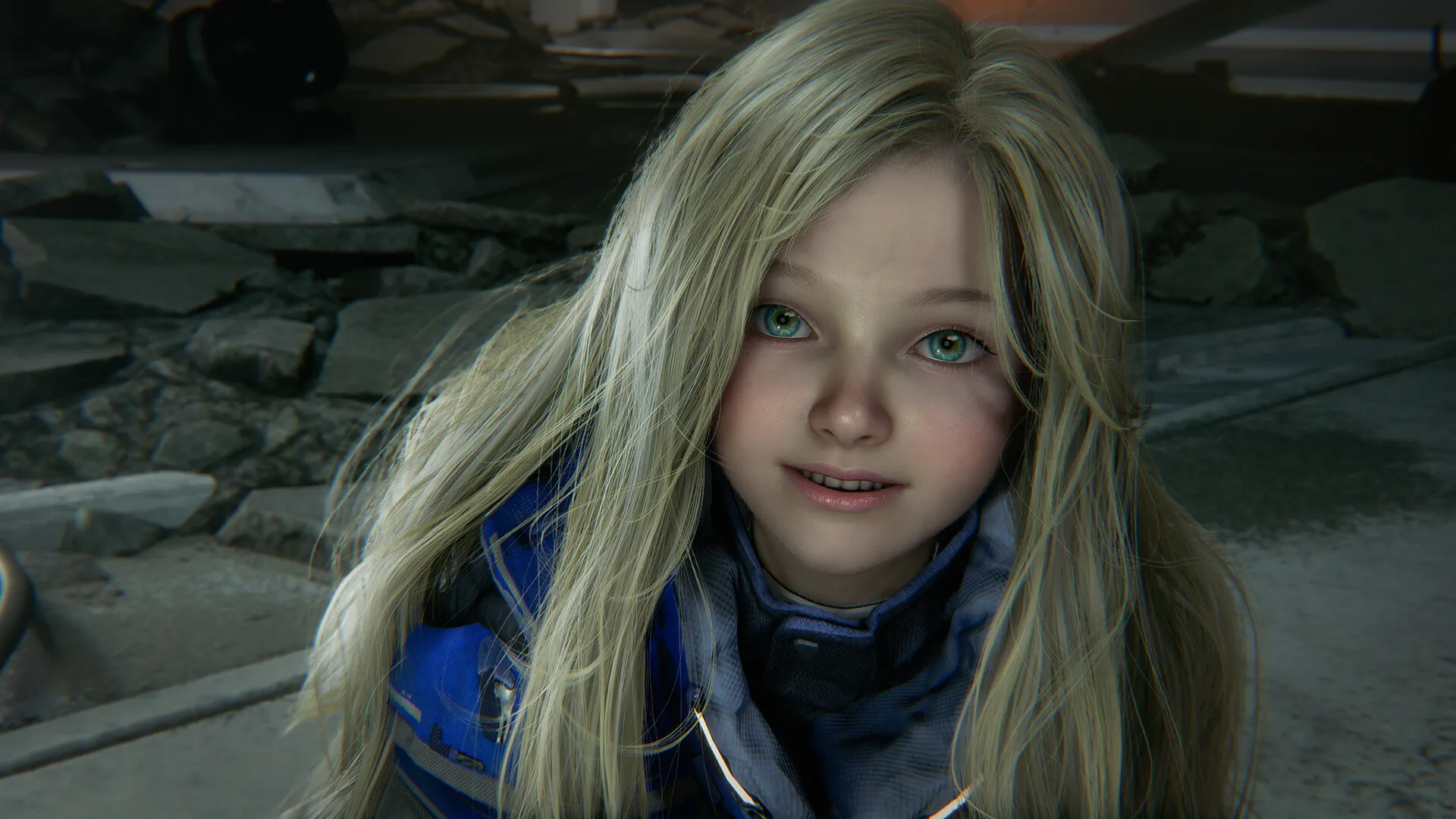
The premise – an abandoned lunar base, a lone astronaut, and a mysterious android girl. It could have been quite generic, but the relationship between our main characters, Hugh and Diana, is what elevates the entire experience. It is not a story that shouts its emotions, but rather one that creeps up on you. Small interactions, glances, and gameplay moments slowly build an unexpected warmth in an otherwise cold and sterile environment. I found myself caring more than I thought I would – not because the game tells me to do so, but because it earns it.
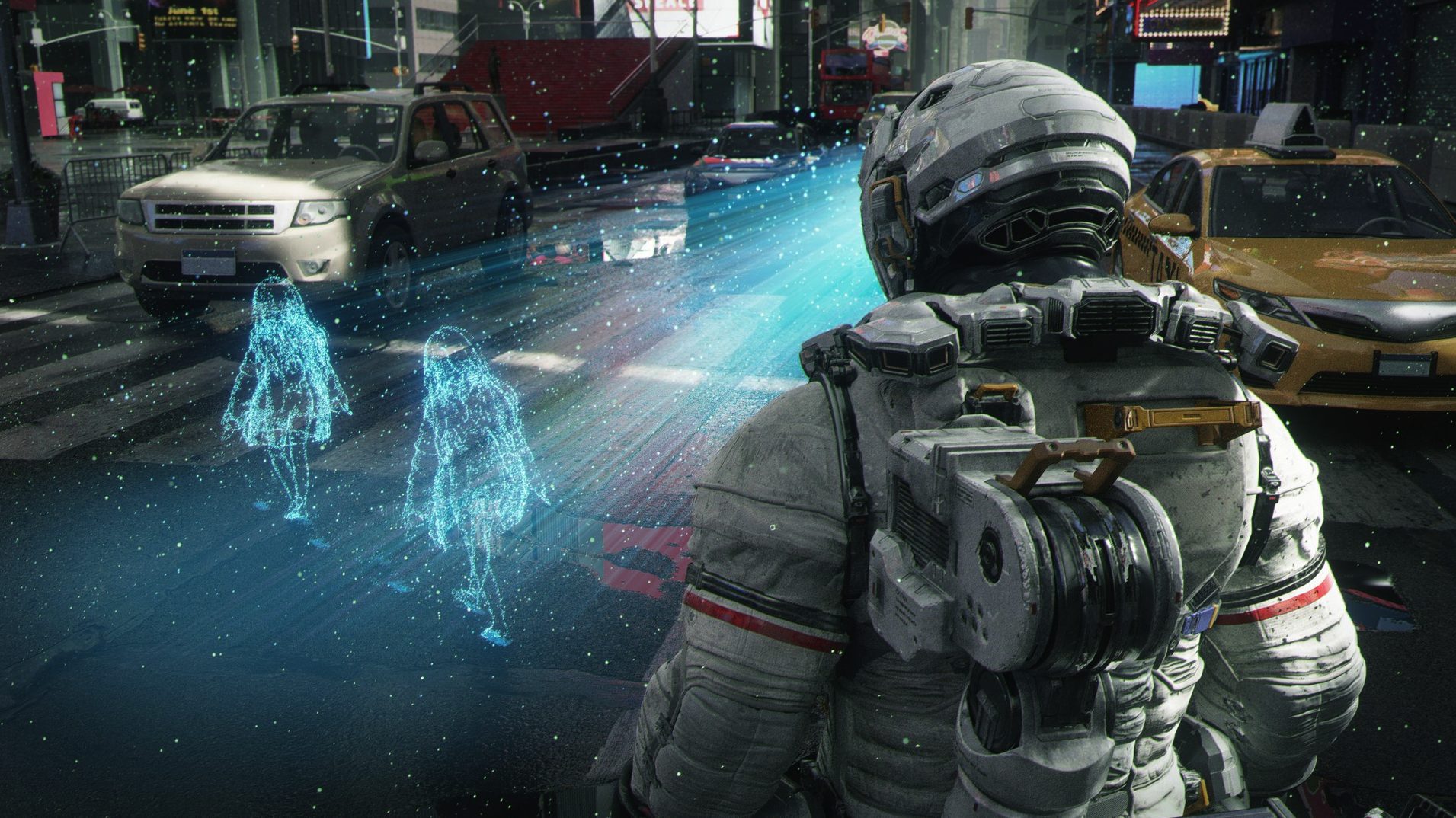
The gameplay is perhaps the most unique and most debated aspect of Pragmata. Instead of just shooting enemies, you must simultaneously hack their defenses in real time. It might sound gimmicky on paper, but in practice, it creates a constant sense of stress and focus. When it works, it’s fantastic: you get into a flow where you quickly switch between thinking and reacting. But this is also where the game’s unevenness becomes clear. In more intense battles, the system can feel overloaded, almost as if the game is demanding a bit too much of you at once. It’s not bad – but it’s not always perfectly polished.
When it comes to the selection of weapons, Pragmata does something interesting. Instead of piling on hundreds of options, the game chooses a more focused arsenal where every weapon serves a clear function. You have classic energy weapons, but also more experimental tools that interact directly with the hacking system. For example, some weapons are better at exploiting specific types of exposed weak points, while others are more about crowd control – creating space rather than directly eliminating threats. This means that the choice of weapon isn’t just about damage, but about how you want to handle situations. Should you play aggressively and finish off enemies quickly after a successful hack, or more defensively and control the battlefield?
What really elevates the weapon system is how it is linked to progression. Instead of traditional upgrades that only increase damage or ammo, you unlock new ways to interact with enemies. This can involve faster hacking routes, alternative effects, or synergies between different systems. This makes the game feel more dynamic over time – you don’t just learn to get better, you also gain more tools to express your playstyle.
Enemy design also plays a major role in how combat feels. Early in the game, distinct types with different behaviors are introduced, allowing you to quickly learn how to engage them. The problem is that the game doesn’t always build upon these ideas sufficiently. Toward the end, you start to recognize the patterns a bit too well, and the combat loses some of its initial edge.
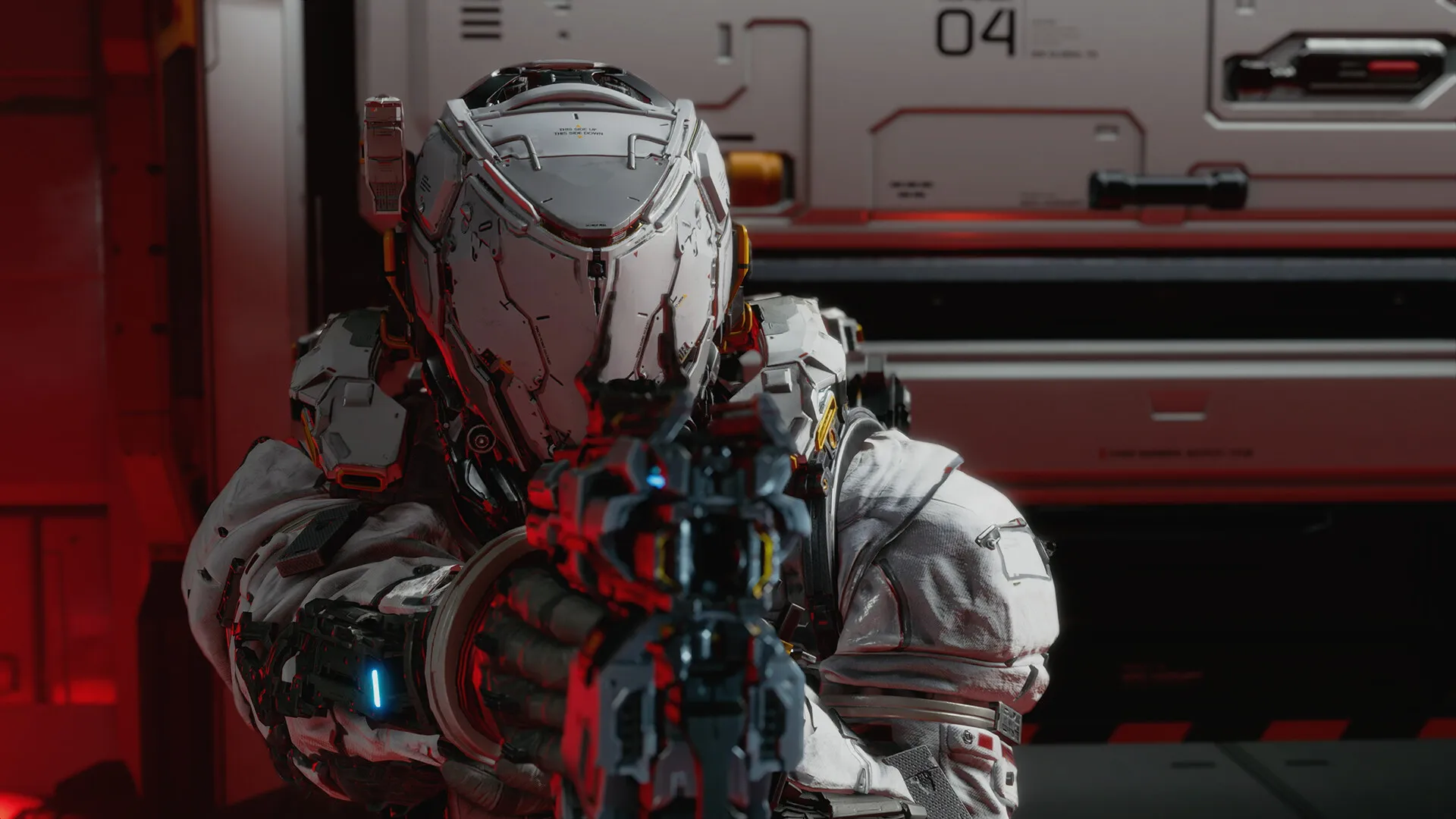
Despite this, the game is filled with moments where Pragmata truly shines. When you’re surrounded, forced to prioritize targets, quickly hack an enemy, exploit the opening with the right weapon, and then reposition yourself – that’s when it feels incredibly satisfying. It is in these moments the game shows its full potential.
Ultimately, the combat system in Pragmata is not just a mechanic – it is the game’s entire identity. It is bold, different, and occasionally frustrating, but almost never boring. And in a genre where many games play it safe, it’s actually quite refreshing.
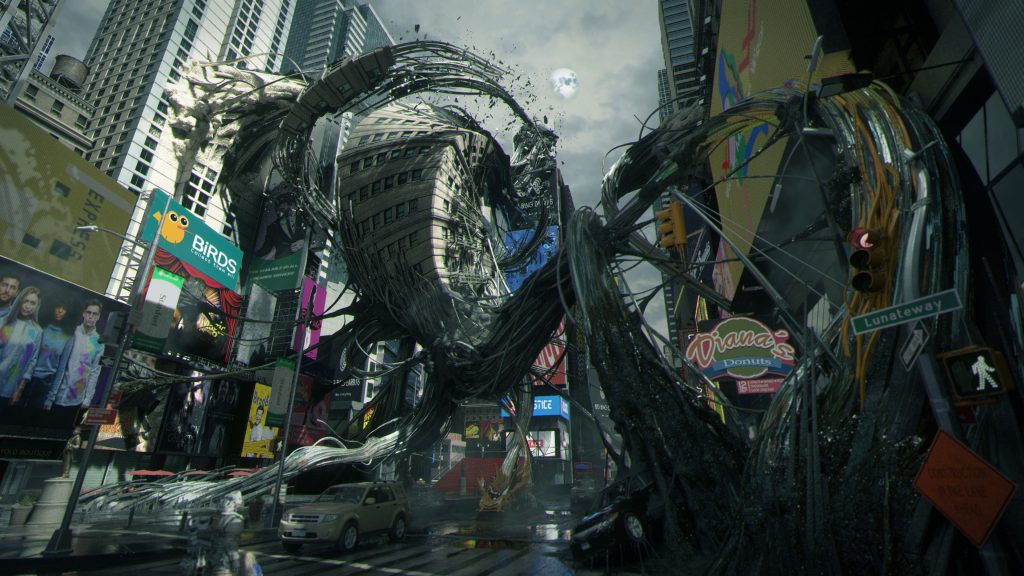
Visuellt, however, the game is consistently impressive. The lunar base feels both realistic and strangely dreamlike, as if something is fundamentally wrong beneath the surface. The lighting, the open space vistas, and the contrast between the technical and the human create an atmosphere that is hard to shake off. It’s the kind of world where you sometimes stop, not because the game tells you to – but because you actually want to look.
The soundscape further reinforces this. The music is often low-key, almost absent, but when it does step forward, it does so with precision. This contributes to the sense of isolation, but also to the more emotional moments that might otherwise have felt flat.
But Pragmata is not a perfect game. The pacing can waver, especially in the middle section where certain sequences drag on. Enemy variety is also something that could have been developed more. Toward the end, you start to feel like the game reuses ideas a little too often. And while the story has strong moments, there are parts that feel more predictable than the game’s unique style might suggest.
At the same time, this is exactly what makes Pragmata so interesting. It’s a game that dares to test ideas, even when they don’t always land perfectly. It feels more like a passion project than a strictly calculated product – and that is something I personally value highly.
Looking back on my time with Pragmata, it’s not the individual battles or specific levels that I remember most vividly. It’s the feeling. That strange mixture of hope and melancholy that lingers even after you’ve put down the controller.
Capcom sent a review code for this game. Providers of material have no editorial influence on our tests.
Review Highlights: Q&A
Who are the main characters?
The story centers on Hugh, an astronaut, and Diana, a mysterious android girl.
What makes the combat unique?
It requires you to shoot enemies and hack their defenses simultaneously in real time.
Where does the game take place?
Most of the game is set within a realistic yet dreamlike abandoned lunar base.
How does weapon progression work?
You unlock new enemy interaction tools and synergies rather than basic upgrades.
Are there any issues with the pacing?
Yes, certain sequences in the middle section of the game tend to drag on.
Does the enemy variety hold up?
Early variety is strong, but ideas are reused too often toward the end.
How would you describe the atmosphere?
It creates a strange mixture of hope and melancholy through its visuals and sound.