

TL;DR
Xiaomi's latest flagship, the 17 Ultra, pushes the boundaries of mobile photography with a focus on tangible hardware advancements and Leica collaboration. It boasts an impressive new periscope lens system for exceptional zoom and image quality, a 1-inch sensor main camera for outstanding low-light performance, and a vibrant 6.9-inch display. While it's a powerhouse for camera enthusiasts, offering features like Dolby Vision recording and a dedicated Film mode, it also excels as a general smartphone with swift performance and a large 6,000 mAh battery. Despite a slightly wider build and a premium price tag, the Xiaomi 17 Ultra seems to deliver on its promise of a truly professional-grade camera experience in your pocket. Ready to see if this camera beast lives up to the hype? Read the full review!
Ever since we tested the Xiaomi 14 Ultra, the initial feeling was that the line between a real camera and a mobile camera was starting to blur. Xiaomi followed up with the Xiaomi 15 Ultra, where the technology was further improved and refined. It is now time to evaluate the next successor, the Xiaomi 17 Ultra (Xiaomi skipped number 16). Has the technology evolved even further, or is it merely a matter of more pixels and newer software? One detail that was pleasant from the start was that digital enhancement could take a back seat (though we shouldn’t kid ourselves, plenty of digital processing goes into every image) in favor of actual hardware expansion. With the Xiaomi 14 Ultra, for instance, we were impressed by the mechanical aperture. So, it is with great interest that we dive in to look at the details.
A first impression – Xiaomi 17 Ultra
(Photo: senses.se)
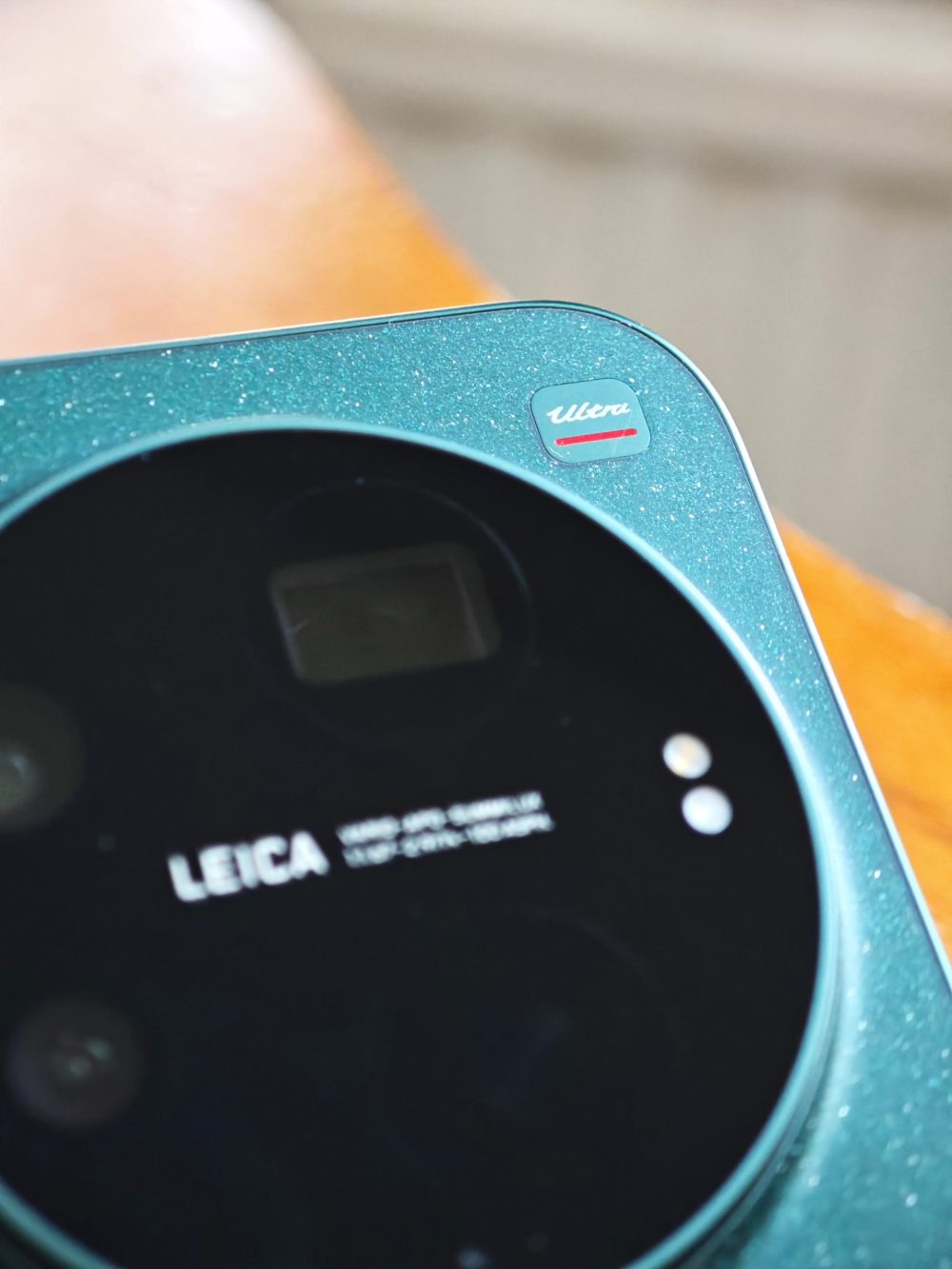
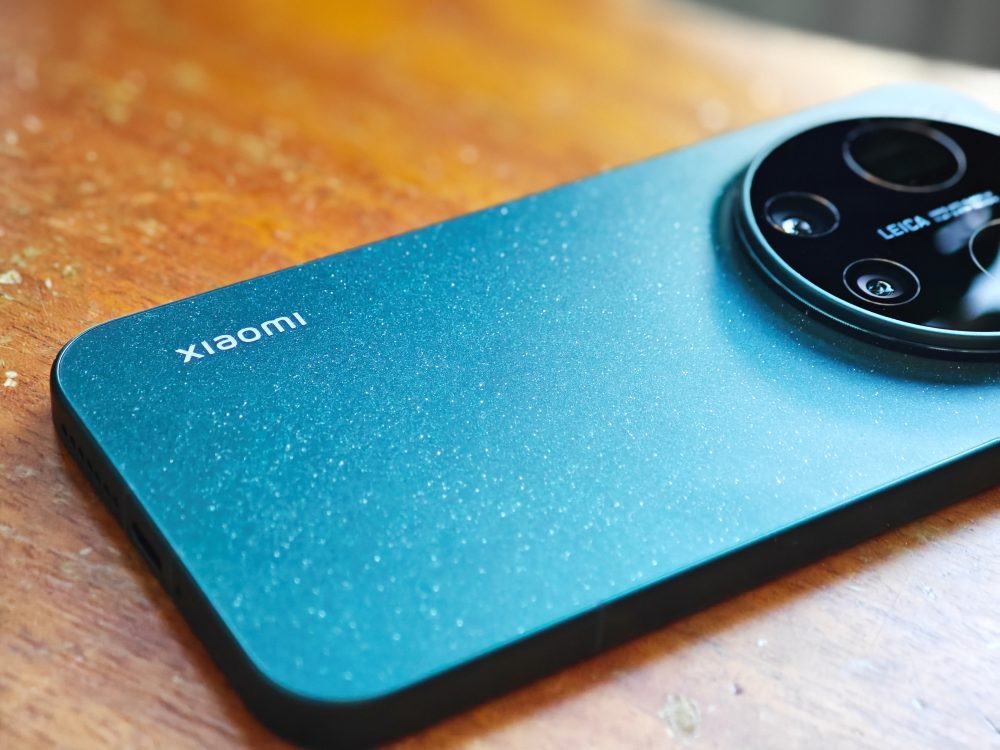
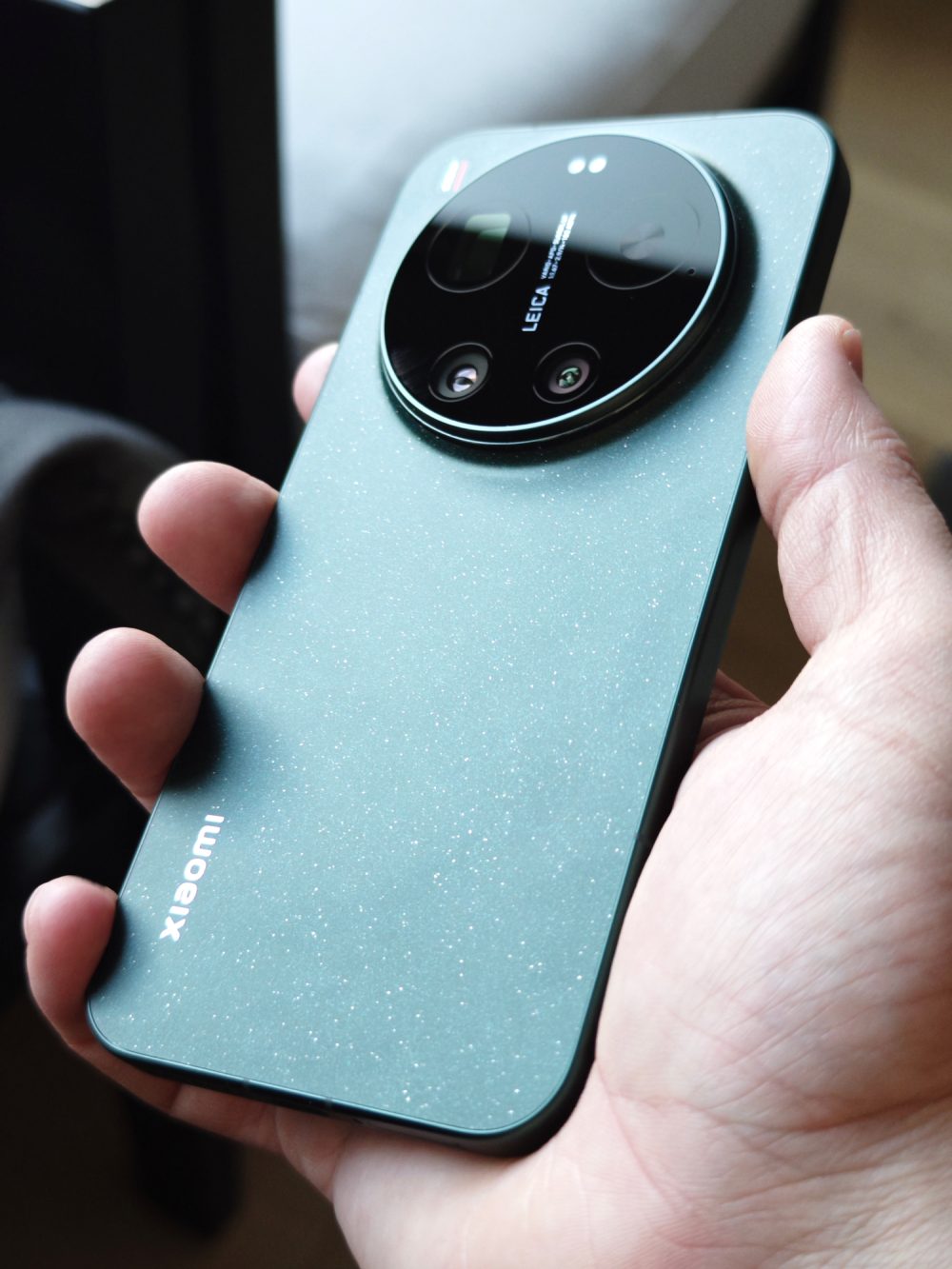
From the start, we are pleased that Xiaomi continues to make the Ultra series look a bit special in terms of design. The unit we tested came in the color Starlit Green. However, the previous flirtation with a traditional camera aesthetic has disappeared, replaced by a somewhat busy badge emphasizing that it is an Ultra model. It has also become slightly wider, and while it’s a matter of habit, the original felt a bit more compact.
This time, we didn’t get to try the accompanying Photography Kit, which was actually a good addition and not just a gimmick. Handling became easier, and the extra battery made it perfect for occasions when you knew you’d be taking a lot of photos. Like at a wedding. But it is available for those who feel the need. The box included a transparent case along with a charging cable. You’ll have to buy the wall plug yourself.
(Photo: senses.se)
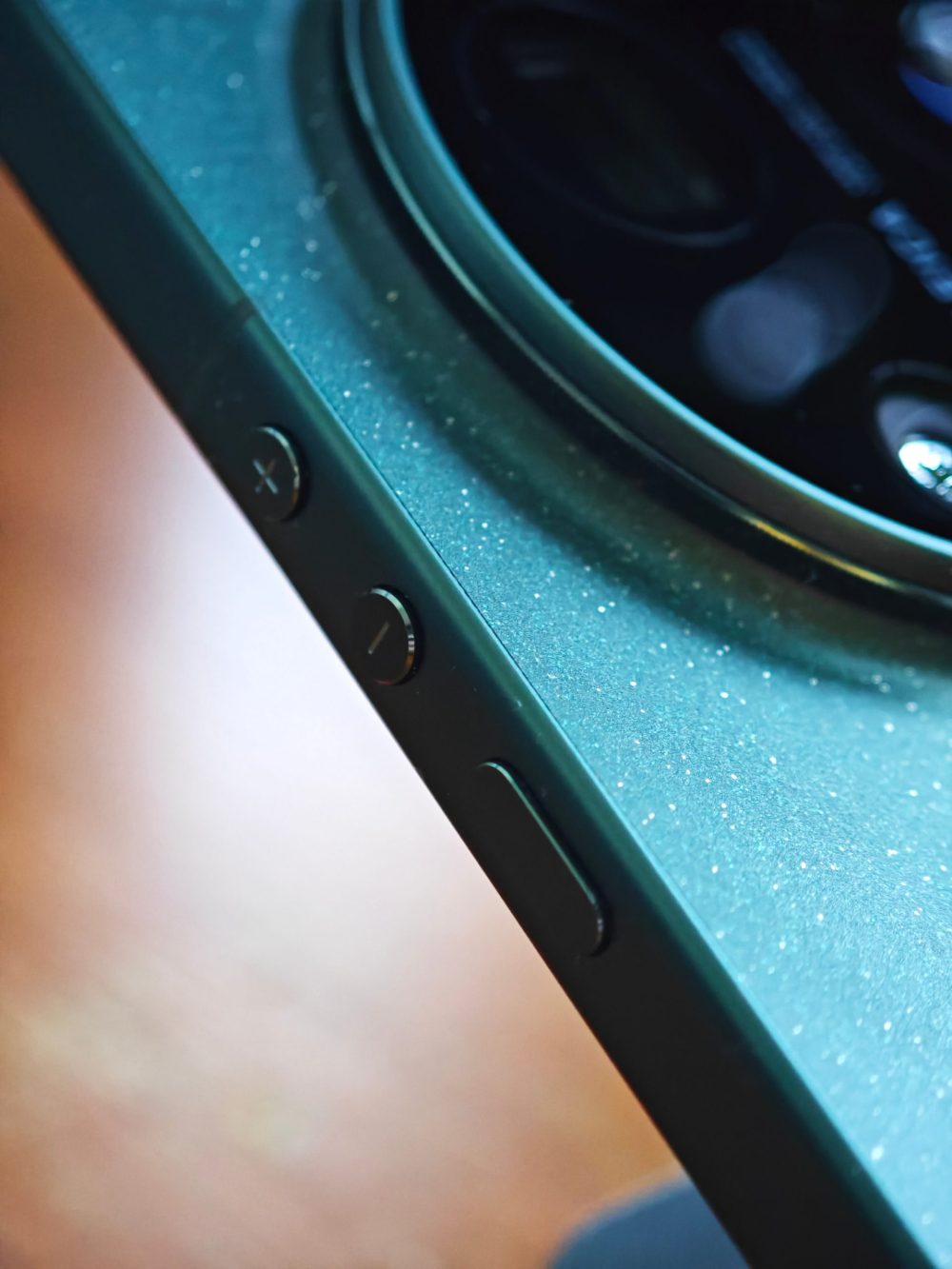
A good physical improvement is the buttons. Instead of joined +/- buttons and a separate power button, as on both the Xiaomi 14 and 15, all three are now separated. They are sleek, easy to find, and also easier to press. The Xiaomi 17 Ultra has also become a notch tougher, maintaining an IP68 rating but now claimed to withstand being dropped in water to a depth of 6 meters instead of 1.5 meters. You still have to find it within half an hour, though.
The Screen
As mentioned, the screen has increased from 6.73 inches to 6.9 inches, but the resolution has been lowered to 1200 x 2608 pixels (approximately 416 ppi). Both previous versions had a resolution of 1440 x 3200 (approximately 522 ppi), so there is a difference, even if it is hard to tell with the naked eye. However, it has received a faster refresh rate of 1-120Hz LTPO (Low-Temperature Polycrystalline Oxide) and has become brighter with a peak value of 3,500 nits. Just like its predecessors, the screen is slightly curved upwards, which gives a sleek impression, though with the downside that it’s easy to accidentally launch apps.
Power Supply and Audio
The Xiaomi 17 Ultra has been equipped with a larger battery than its predecessors—a 6,000 mAh battery. You can still fast-charge the phone at 90W, which in many cases, especially in the morning, can be a real lifesaver. However, if you have invested in Xiaomi’s substantial charger with a capacity of up to 80W wireless charging, you won’t be able to utilize it fully. The Xiaomi 17 Ultra only handles up to 50W wirelessly, unlike its predecessors which managed 80W. But it is a large battery, and combined with the fast charging, battery capacity is not something you’ll worry about. Sound-wise, all relevant codecs are in place, and the Xiaomi 17 Ultra naturally supports 24-bit/192kHz. The ingenious share audio feature is present—something we were very excited about as far back as the Xiaomi 14 Ultra and which is also found on Xiaomi’s tablets—allowing you to share audio to two pairs of headphones simultaneously.
Operating System and Performance
The Xiaomi 17 Ultra runs Android 16 at its core, layered with its HyperOS 3. Under the hood is the Snapdragon® 8 Elite Gen 5 Mobile Platform, which includes the 3rd generation Qualcomm Oryon™ CPU, Qualcomm® Adreno™ GPU, and Qualcomm® Hexagon™ NPU.
(Photo: senses.se)
The Camera – Xiaomi 17 Ultra
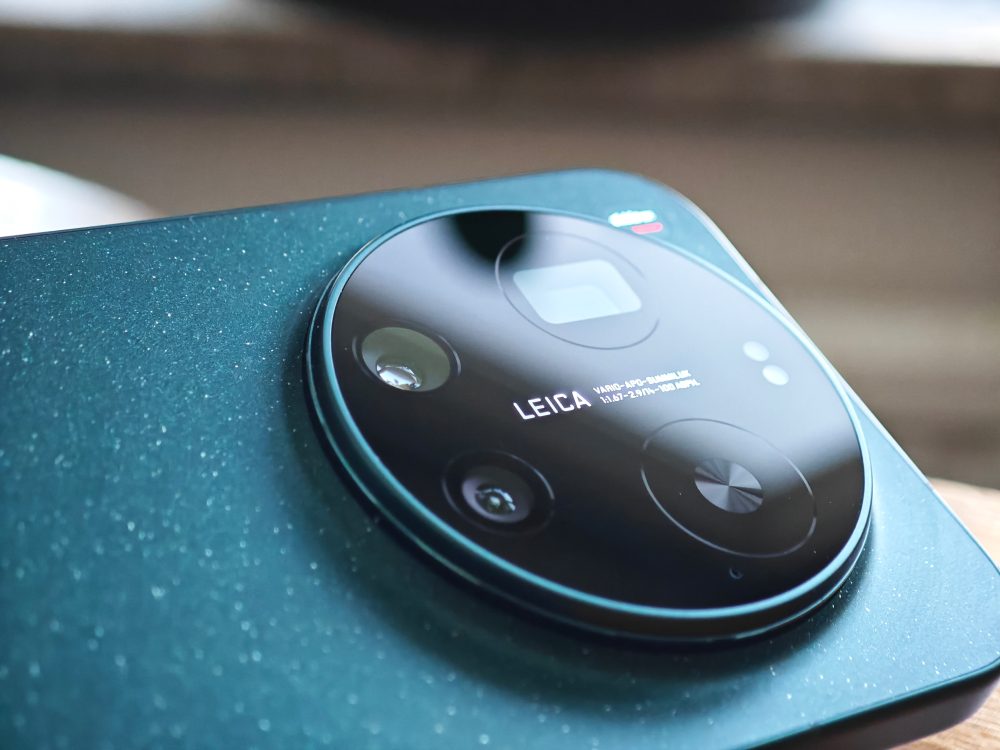
Initially, we must marvel at how Xiaomi, together with Leica, has taken another step in camera development. With the Xiaomi 17 Ultra, you only get three cameras—one fewer than in previous versions. But the addition is truly interesting.
Mobile Camera Challenges
One major issue with mobile phone cameras is, first and foremost, the limited ability to take in light. When compared to a DSLR lens, this becomes extremely clear. But with the help of HDR—where the phone takes a series of images, utilizes all cameras, and finally merges them—much of this is compensated for. The images we see on our phones are, in many ways, “based on a true story.” The second problem is depth. A DSLR lens has virtually no limitations (as long as you’re willing to carry it), but a flat mobile phone does.
Xiaomi and Leica’s Solution
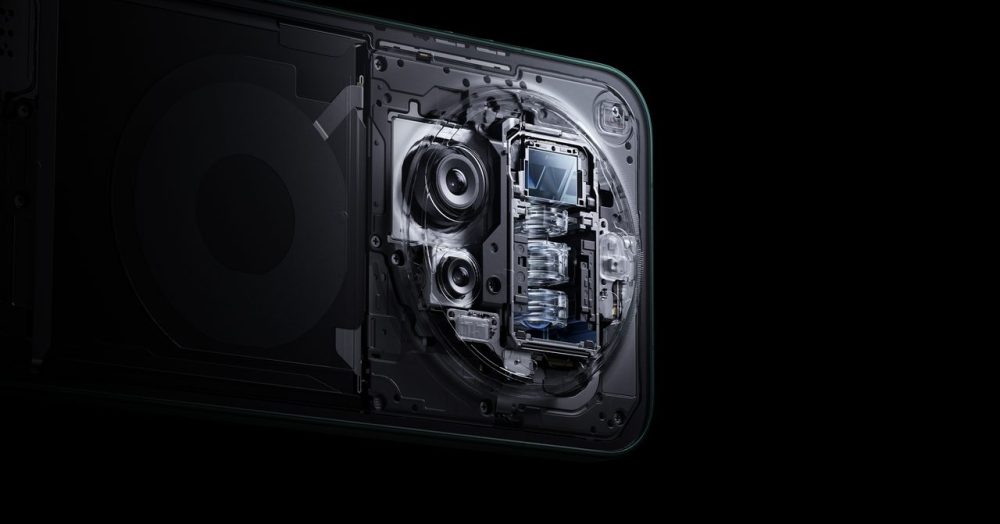
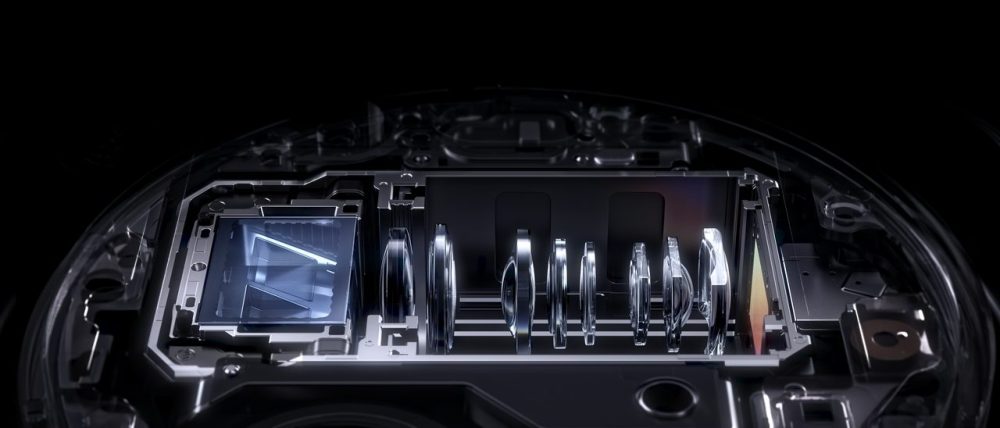
Xiaomi and Leica have solved this second problem by replacing one camera and instead horizontally lining up a series of lenses that “see” through the phone via a mirror. This allows the lenses to be mechanically aligned, further resembling a telephoto lens. Because what happens when you turn a DSLR lens is that you adjust the distance between the lenses to achieve focus.
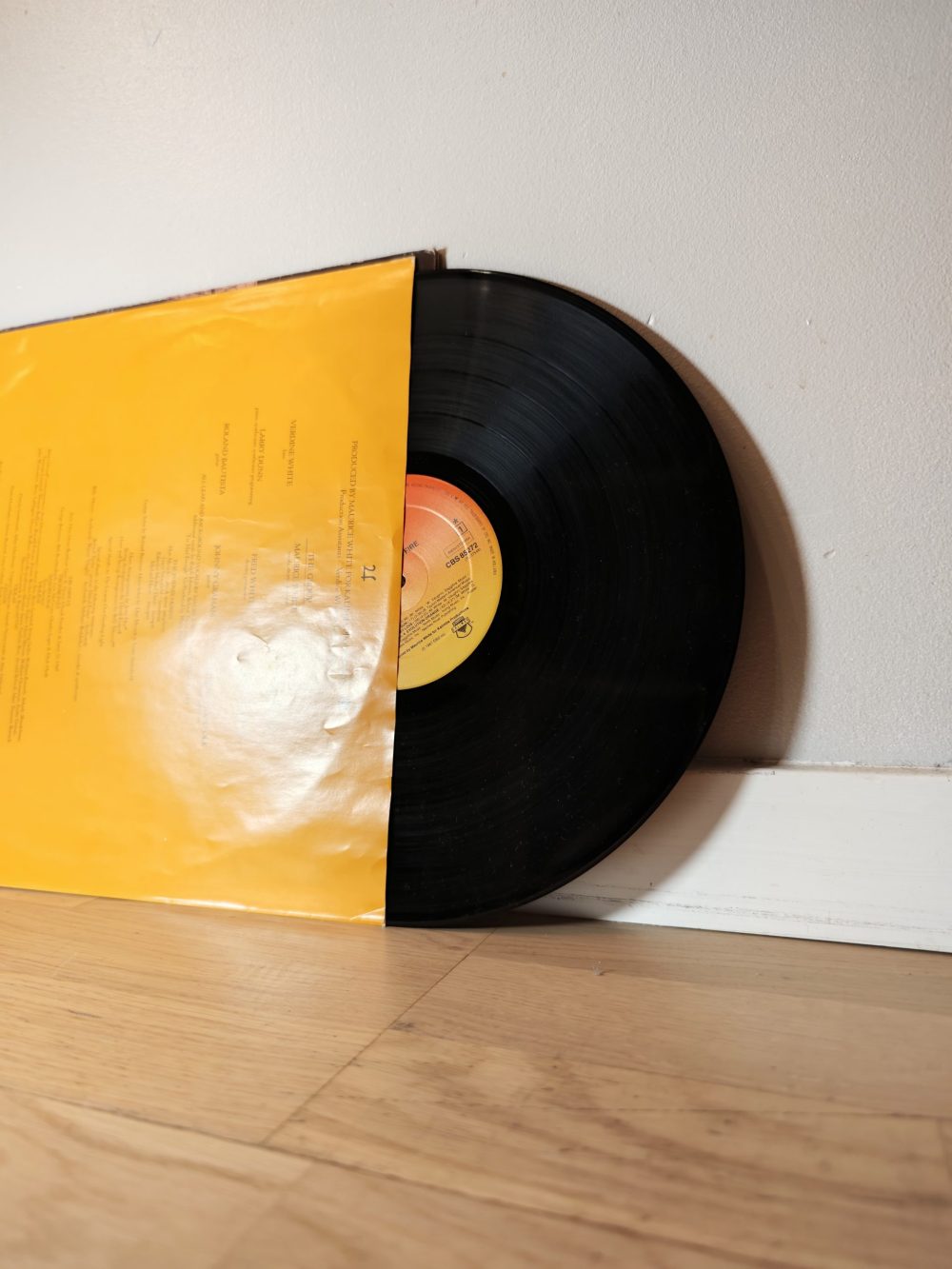
Xiaomi 17 Ultra zoom capability.
(Photo: senses.se)
Xiaomi 17 Ultra zoom capability.
(Photo: senses.se)
Xiaomi 17 Ultra zoom capability.
(Photo: senses.se)
Xiaomi 17 Ultra zoom capability.
(Photo: senses.se)
Xiaomi 17 Ultra zoom capability.
(Photo: senses.se)
Xiaomi 17 Ultra zoom capability.
(Photo: senses.se)
Xiaomi 17 Ultra zoom capability.
(Photo: senses.se)
Xiaomi 17 Ultra zoom capability.
(Photo: senses.se)
And this is what constitutes Leica’s 200MP 75-100mm periscope lens. This camera, built according to Leica’s APO optical references, delivers high image quality throughout the zoom range and can expand to a 400mm (17.2x) equivalent focal length. On top of that, three custom-made Leica lenses minimize a photographic defect where unwanted color contours—often purple or green (purple and green fringing)—appear. This has made the Xiaomi 17 Ultra the first phone ever to be Leica APO (apochromatic) certified.
Alongside this is a 50MP sensor featuring a massive 1-inch Light Hunter 1050L sensor and a variable aperture (f/1.67), which was clearly noticeable when trying to take photos in the dark. Activating night mode didn’t really have an effect; it was bright anyway. And finally, there’s a 50MP ultra-wide-angle lens so you can capture a truly wide image.

(Photo: senses.se)

(Photo: senses.se)

(Photo: senses.se)

(Photo: senses.se)

(Photo: senses.se)

(Photo: senses.se)

(Photo: senses.se)

(Photo: senses.se)

(Photo: senses.se)

(Photo: senses.se)

(Photo: senses.se)

(Photo: senses.se)

(Photo: senses.se)
The mechanical aperture remains and rattles a bit cozily at times until the camera is activated. It’s quite fascinating that you can now also feel the camera’s various moving parts vibrate as you switch between the extensive range of software features. This is a truly impressive camera phone—or rather, a mobile phone camera.
What About Video?
For video recording, the Xiaomi 17 Ultra supports both Dolby Vision® and ACES Log recording at up to 4K 120 fps for both the main and telephoto cameras. Most notably, there is the incredibly effective Film mode, which creates cinematic movies with a dynamic range and feel that gives off professional vibes. And if you feel like it, you can even step up to 8K.
The Experience – Xiaomi 17 Ultra
The big thing with the Xiaomi 17 Ultra is, of course, the camera, and that is also where Xiaomi has placed its focus. Xiaomi Hyper AI is on board, and there is support for other AI, but that is far from where the focus lies. It becomes clear that Xiaomi relies much more heavily on its collaboration with Leica and its advanced camera technology. Which is refreshing. And it’s fun to use.
(Photo: senses.se)
Almost every picture turns out well, and if you lack inspiration or just want the image to look a bit different, there are plenty of options to make it more exciting. Maybe a softer feel? Switch over to Pro and select the preset C2 mode, or try one of Leica’s own filters. Or why not try the different supplemental scenes for standard photography. There are four to choose from, including silhouette, stage, fireworks, and flames. These different scenes adapt and enhance the images in delightful ways. Accessible and easy to use.
As a phone, the Xiaomi 17 Ultra is excellent. It is fast, has a sharp screen, and is bright. However, it is a wide phone and not entirely easy to handle with one hand. The fingerprint reader is lightning-fast, and you rarely need more than one attempt to unlock it. So all in all, a very good and capable phone. As it should be, given it’s a flagship model.
One problem we discovered during our test, however, was that the Bluetooth link repeatedly dropped and then reconnected. We tried several pairs of headphones, but the problem persisted. Since the OS version we were running was not yet official, there is reason to believe that this issue will be resolved. But it’s not something we know for sure, as we haven’t been able to run any updates.


The Bottom Line – Xiaomi 17 Ultra
As with previous versions, the Xiaomi 17 Ultra is more camera than mobile phone, even though it is, of course, excellent as a phone too. But then we come to the price. Two variants are available: Xiaomi 17 Ultra 16GB + 1TB for 19,990 SEK, and 16GB + 512GB for 17,990 SEK (with a launch offer where it costs 15,990 SEK between February 28 and March 29, 2026). So it’s quite a price tag.
(Photo: senses.se)
As is often the case, it’s not entirely obvious to say it’s expensive, considering you’re getting a top-tier camera that has largely solved both light intake and depth issues. But it is undeniably a large sum. However, it is a flagship, and it’s packed with the latest and sharpest technology. So, if that part is most important to you as a consumer, then just go for it. Because you won’t be disappointed.
Xiaomi sent a review unit for this review. Senders of material have no editorial influence on our tests.
How we rate products at SensesReview Highlights: Q&A
What is included in the box with the phone?
It includes a transparent case and a cable, but no wall plug.
How water-resistant is the Xiaomi 17 Ultra?
It has an IP68 rating and can withstand depths of up to 6 meters.
How has the screen changed from the previous model?
It is larger at 6.9 inches but features a lower screen resolution.
What are the wireless charging capabilities?
It supports up to 50W wireless charging, less than its predecessors.
What makes the new periscope lens special?
It is a 200MP Leica APO certified lens with 17.2x zoom equivalent.
Does the phone allow for multiple headphone connections?
Yes, you can share audio to two pairs of headphones simultaneously.
What is the battery capacity and wired charging speed?
The device features a 6,000 mAh battery with 90W fast wired charging.
Which processor and operating system does it use?
It runs Android 16 using the Snapdragon 8 Elite Gen 5 platform.
