
TL;DR
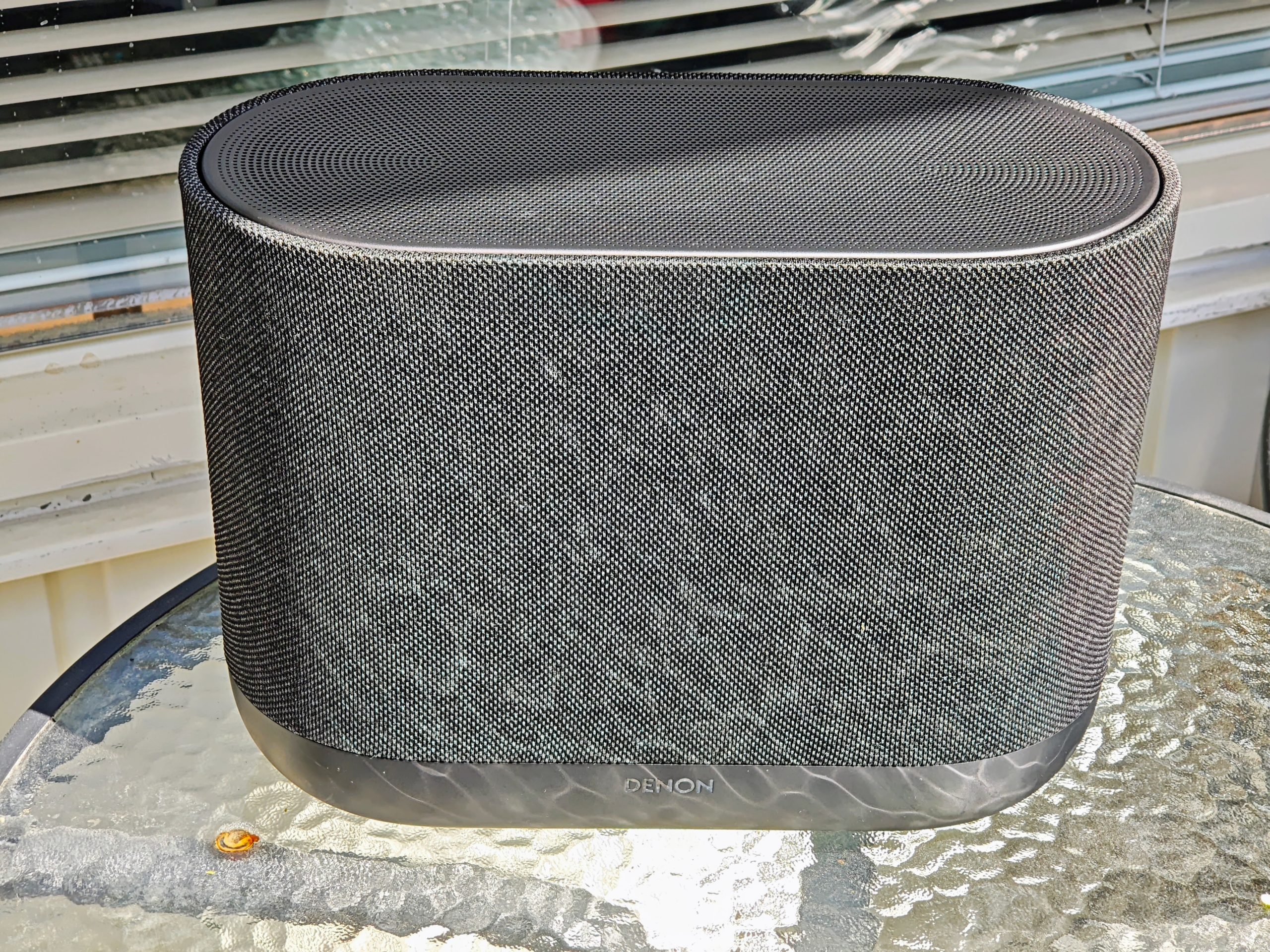
The Denon Home 400 enters the multiroom arena as a sleek, Atmos-ready alternative to its massive predecessors. While it sacrifices some of the raw bass power found in the legendary Home 350, it compensates with dedicated upward-firing drivers that create a stunningly immersive 3D soundstage. Denon has also improved the user experience by replacing finicky touch sensors with intuitive physical controls and adding modern essentials like Wi-Fi 6E and USB-C. At 6,000 SEK, it positions itself as a sophisticated high-fidelity choice that challenges the best from Sonos. Its refined design makes it perfect for windowsills and shelves, but does its spatial performance justify the premium price tag over the older bass-heavy models? Dive into our comprehensive review to discover if the Denon Home 400 is the immersive upgrade your home audio system deserves.
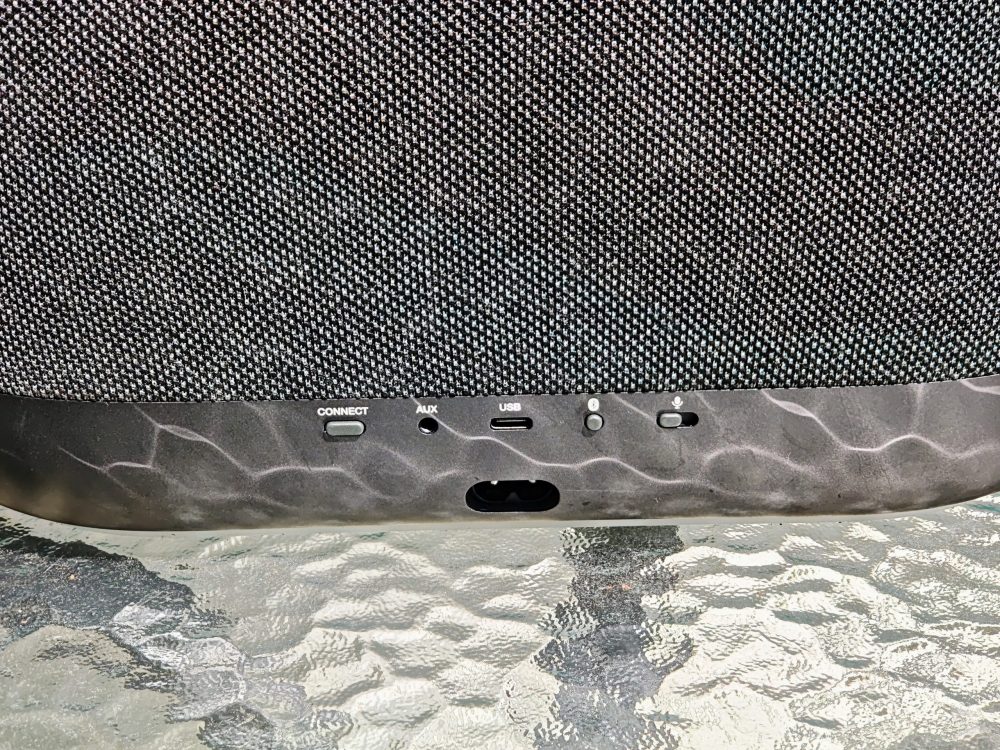
In recent years, Denon has cemented its place in the multiroom war with its own HEOS platform, which competes with more well-known solutions like Sonos. As they now launch the Denon Home 400, a wireless premium speaker equipped with physical Dolby Atmos drivers, expectations among many consumers are high. Technically, the model is positioned below the literally massive flagship Home 600, but for me, the most interesting comparison is the former editorial favorite Home 350 as it is similar to it in design and size. Even though the Home 600 is the official heavyweight today, it feels too large for most ordinary rooms and interiors. So—how does the newcomer hold up?
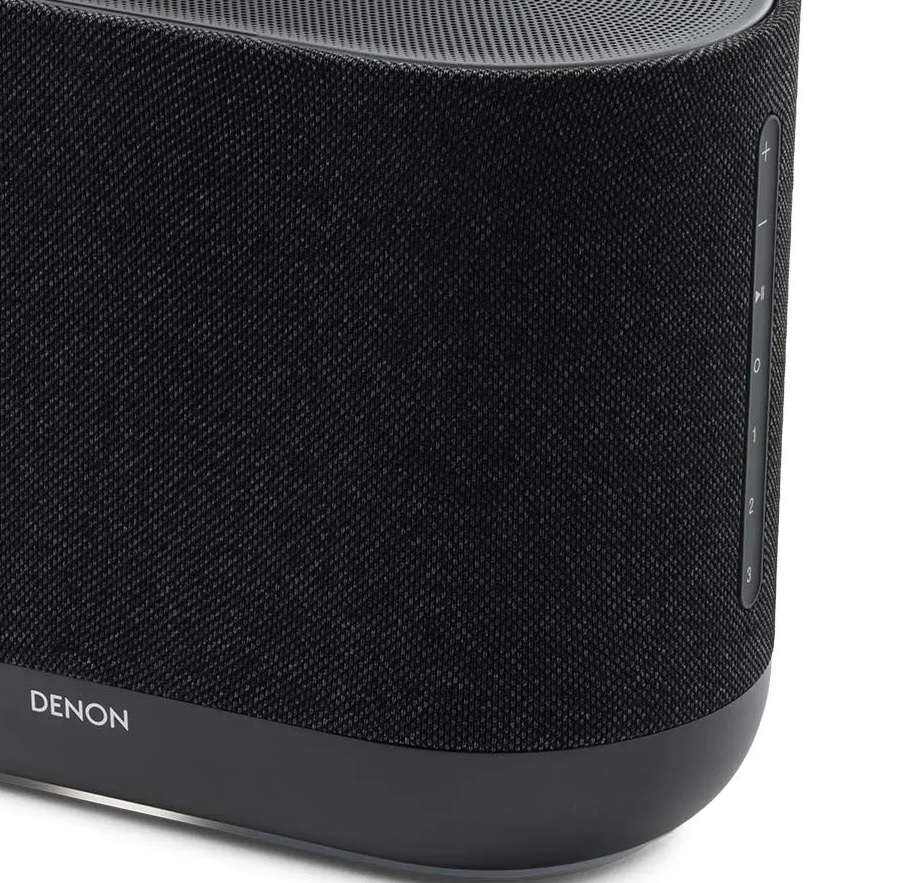
Let’s start with the exterior. The Home 400 is clearly sleeker and, in my eyes, somewhat more attractive to have on display than the rather brutally square 350. Its softly rounded horizontal profile makes it fit perfectly on a windowsill or a shelf without visually dominating the room entirely. Another clear improvement is the handling. I have previously been somewhat annoyed by the 350 model’s touch system with disappearing buttons that are supposed to “wake up” when your hand is near them, but don’t always do so. On the Home 400, Denon has placed physical buttons on the right side of the unit—a design choice made to leave the entire top free for the upward-firing Atmos drivers—and these buttons for volume, play/pause, and three presets are obviously much easier and more intuitive to use in everyday life, even if they might give a more plasticky impression.
Sound-wise, the Denon Home 400 offers a convincing spatial experience, not entirely unlike the Google Home Speaker. Thanks to the two dedicated upward-firing speaker drivers (flanked by two tweeters and two 4.5-inch woofers), a soundstage is created that becomes quite immersive. When you stream Dolby Atmos Music (if you can find it), it manages to project sound both in width and height in a way that feels significantly more immersive than traditional stereo sound. At the same time, Dolby Atmos is mostly a thing for movies and perhaps video games, so if you don’t intend to let the speaker double as a soundbar, this might be more “nice-to-have” than “must-have.”
But how does it measure up to the Home 350 in terms of raw power? Here it becomes clear that physical cabinet volume and driver size matter. The bass in the Home 400 is significantly thinner and sounds somewhat “boxier.” The older 350 model (just like the new 600) is equipped with dual opposing 6.5-inch woofers, making it a veritable bass monster compared to the 400’s dual 4.5-inch drivers. I probably lean towards the 350 sounding a bit sharper, cleaner, and more authoritative overall. However, the difference in midrange and pure detail is not enormous, and for critical listening, the Home 400 delivers a dense and well-articulated Hi-Fi feel that often beats its main competitor, the Sonos Era 300.
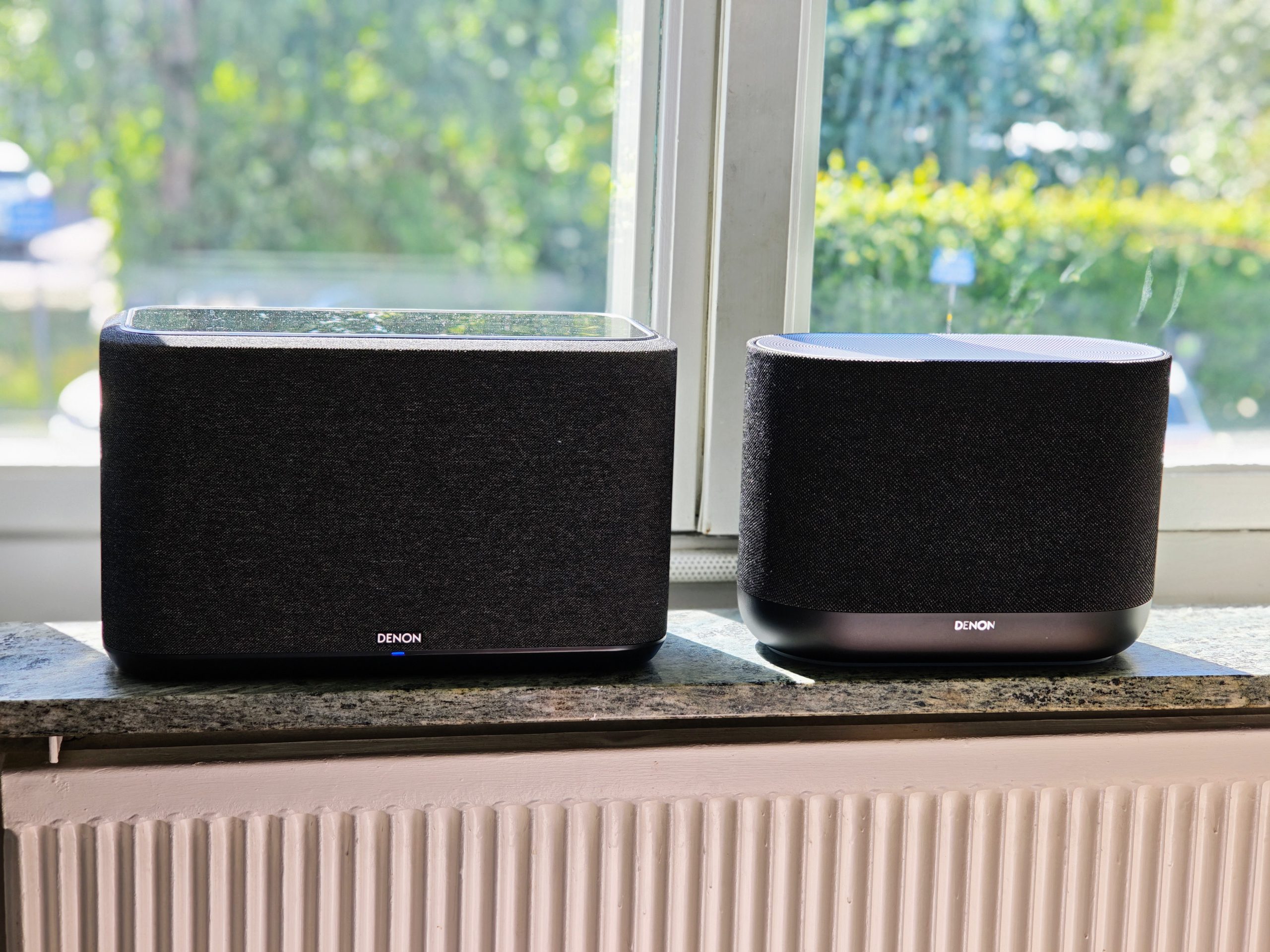
A big plus goes to the connectivity options. Unlike several Sonos models, you don’t have to look for adapters; the Home 400 has both a 3.5 mm AUX and a USB-C port directly on the back. It is also equipped with a modern Wi-Fi 6E card, which is worth its weight in gold for lag-free multiroom streaming if you have a crowded home network. A small minus must be given to the Bluetooth implementation which, as before, lacks high-resolution codecs and stops at standard SBC and AAC.
In summary, the Denon Home 400 is a capable and good-sounding active smart speaker that delivers, but it also costs a fair bit—just over 6,000 SEK, which is a lot of money and isn’t likely to make it a blockbuster. You sacrifice the raw bass power of the 350 model (which is starting to be phased out as an End of Life product), but in return, you gain a more sophisticated and immersive 3D sound, more attractive packaging, and superior physical control.
Denon sent a test sample for this review. Senders of material have no editorial influence on our tests.
Review Highlights: Q&A
Does it support Dolby Atmos?
Yes, it has dedicated upward-firing drivers.
How does the bass sound?
The bass is significantly thinner and boxier.
What controls are on the device?
It has side buttons for volume and playback.
What are the connectivity options?
It includes a 3.5 mm AUX and a USB-C port.
Is the Wi-Fi connection fast?
It features a modern Wi-Fi 6E card for speed.
Does it beat the Sonos Era 300?
It delivers a well-articulated Hi-Fi feel.
Does it support high-res Bluetooth?
No, it only supports standard SBC and AAC.