
TL;DR
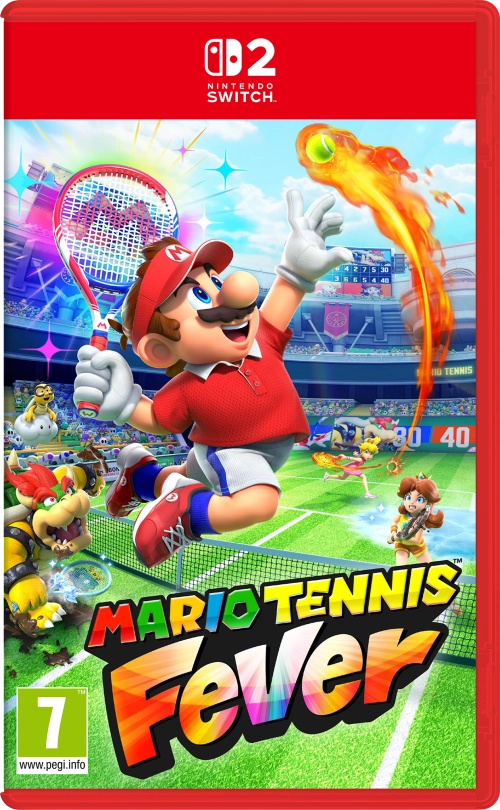
Mario Tennis Fever arrives on the Nintendo Switch 2, promising a blend of arcade fun and high-octane spectacle. Developed by Camelot, the game boasts an impressive 38-character roster and the innovative Fever system, which introduces elemental rackets and game-changing speed boosts. While the multiplayer and ranked modes deliver addictive, top-tier competition, the title struggles elsewhere. A lackluster, three-hour single-player campaign and inconsistent technical performance—including frame rate dips during intense particle effects—hold it back from perfection. Despite recycled animations and a premium price tag, its social play remains the series' strongest yet. Is this the definitive tennis experience for the next generation, or just a flashy expansion of its predecessor? Dive into our full review to see if Mario Tennis Fever serves up an ace or a double fault.
As fans of SEGA’s Virtua Tennis we have long yearned for a game to satisfy our tennis cravings at the editorial office. Games like Top Spin have certainly been quite alright, but none have truly captured the perceived balance between arcade fun and precision that SEGA’s classic peaked at. So when Nintendo rolled out its new console, Nintendo Switch 2, nearly a year ago, expectations for the early titles were sky-high. One of the games intended to showcase the hardware’s capabilities is today’s subject Mario Tennis Fever, once again developed by the veterans at the Nintendo studio Camelot. The result is a game that offers plenty of laughter and visual spectacle, but also suffers from a bit of an identity crisis. It features an absolutely brilliant multiplayer mode but stumbles at the finish line when it comes to single-player content and technical polish.
Fever on the court and a complete character roster
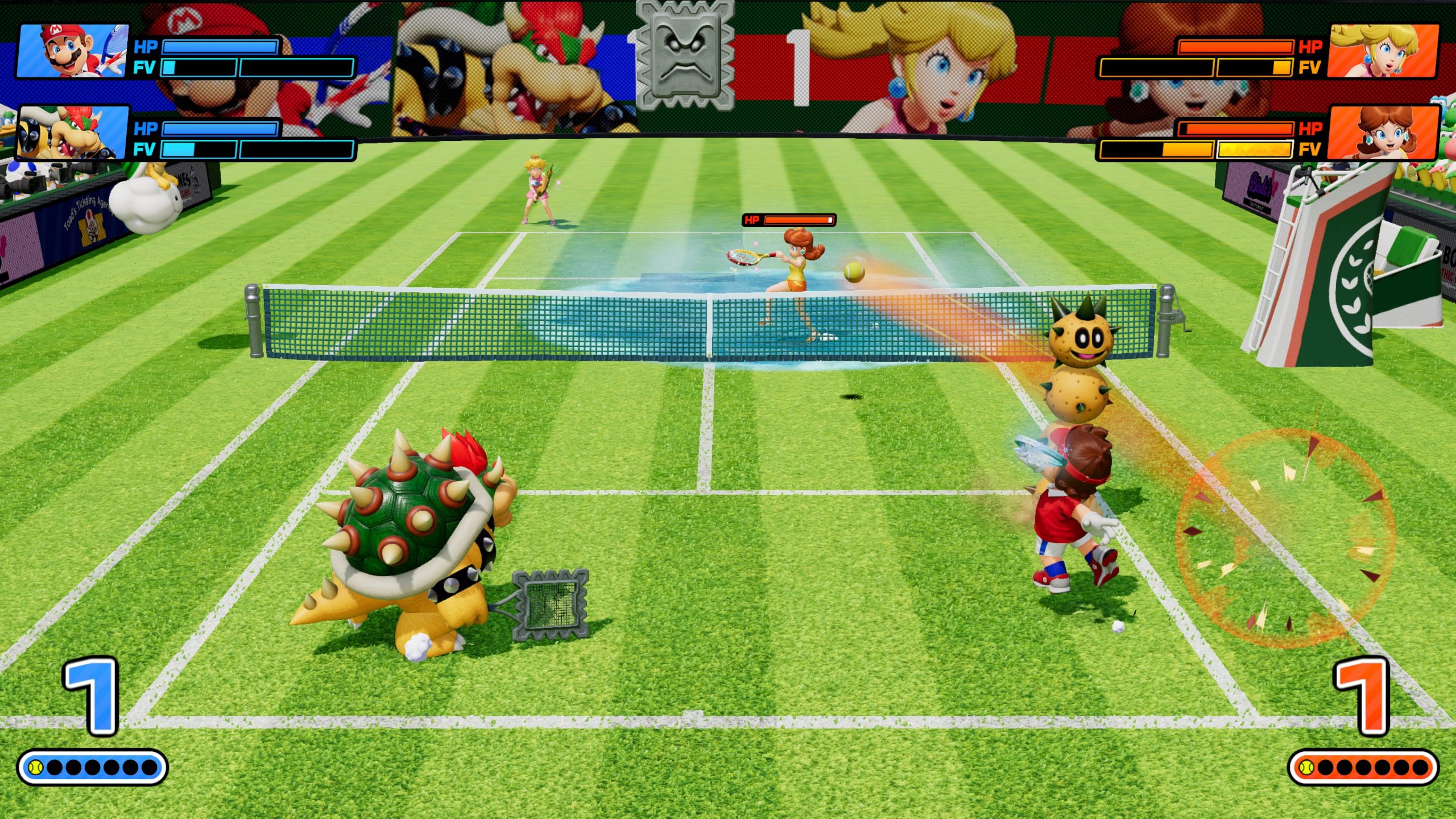
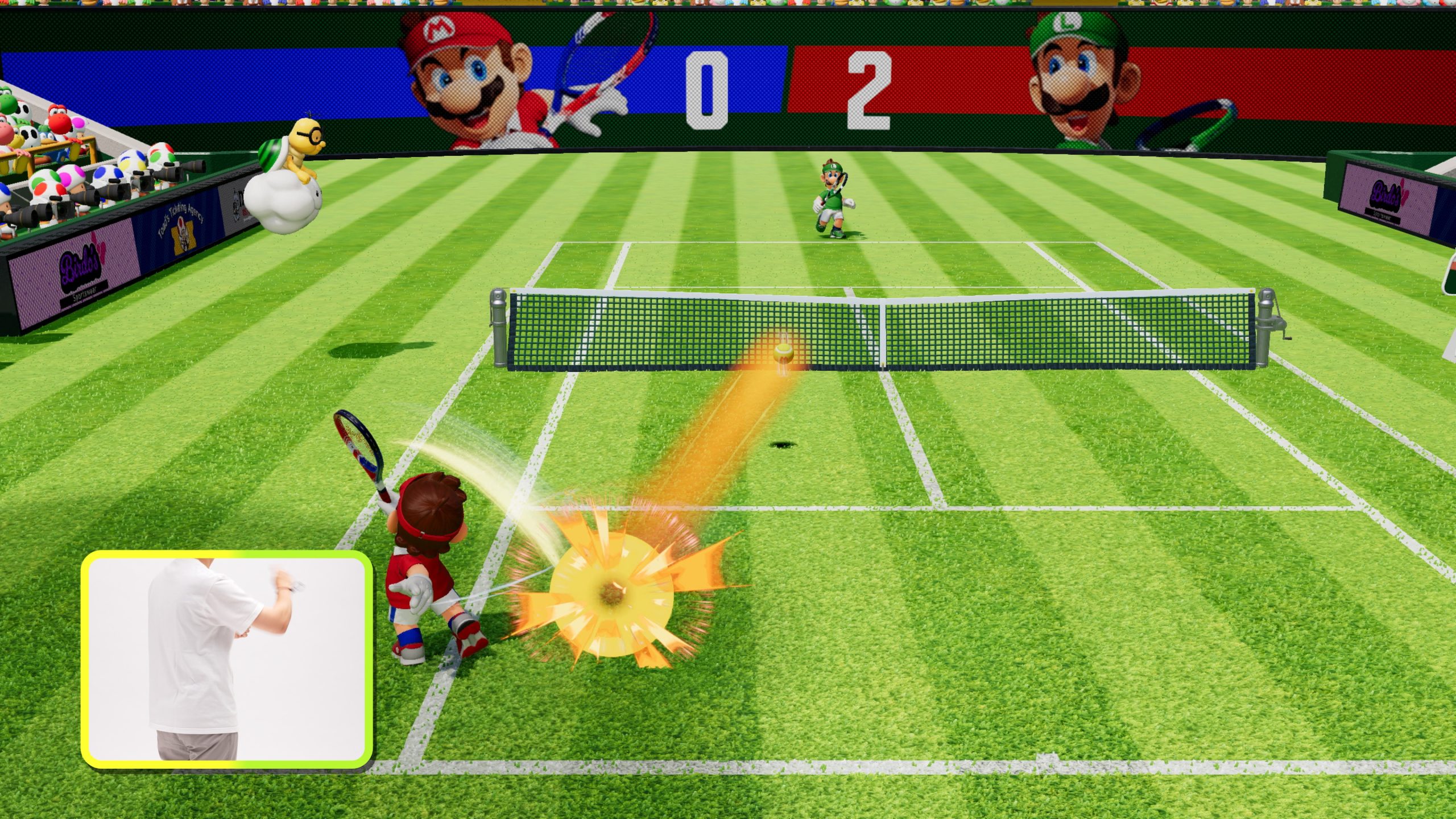
The absolute best thing about Mario Tennis Fever is that Nintendo and Camelot seem to have listened to the criticism from Aces and Super Rush. We don’t have to wait for months of updates to get a complete game. Right on the cartridge, there are 38 playable characters—the largest selection in the series’ history!
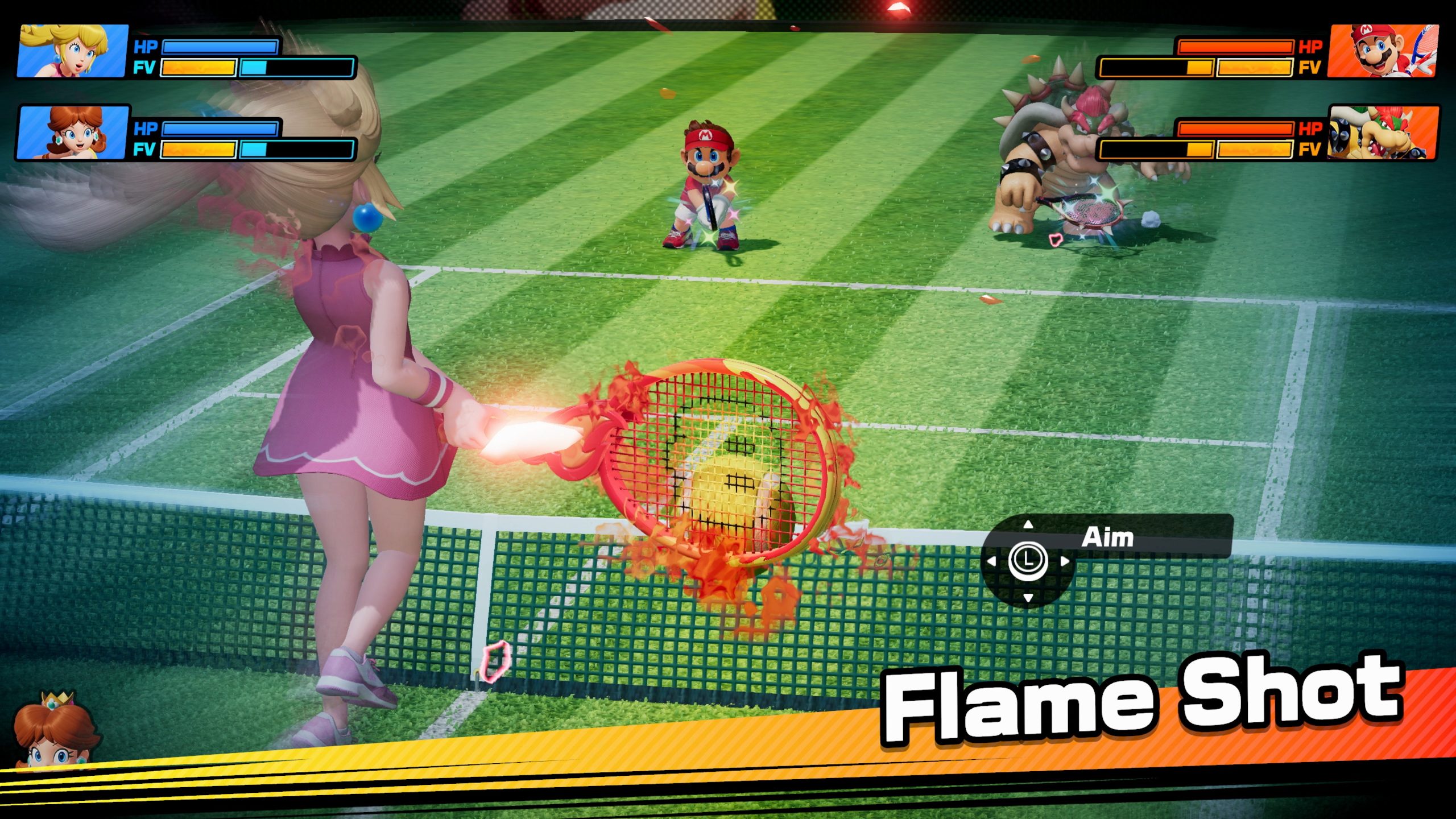
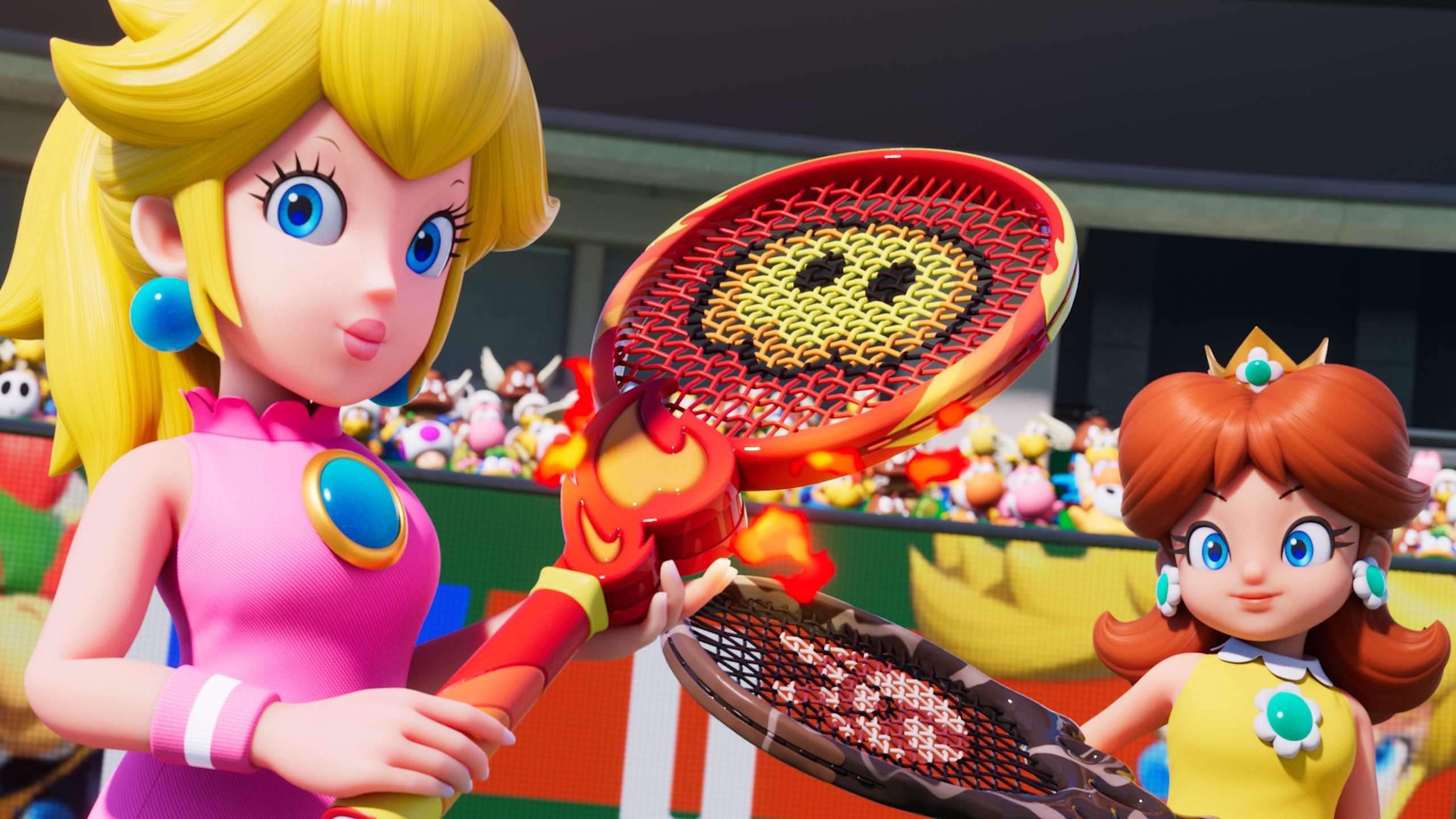
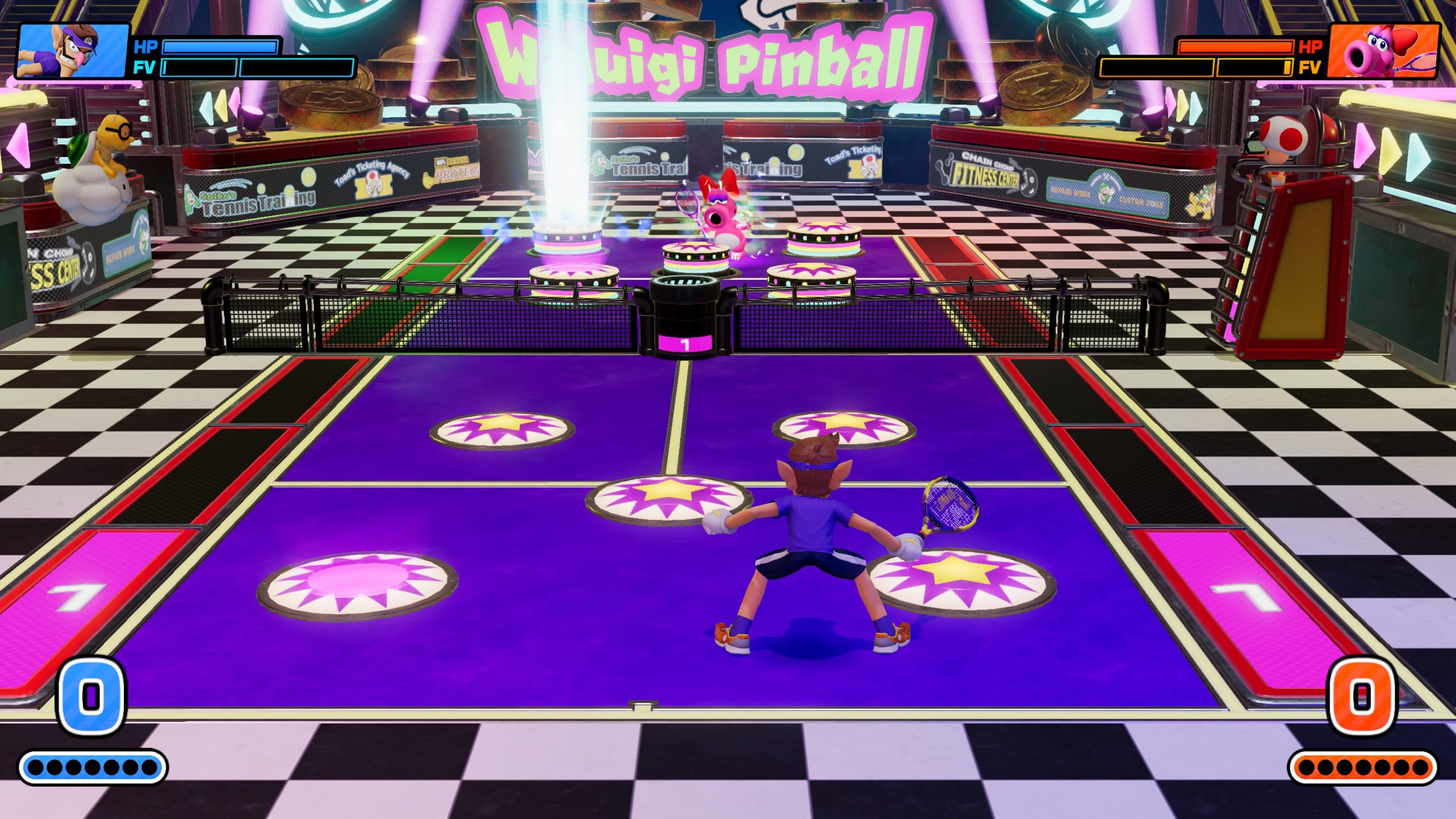
The game’s major gameplay innovation this time, as the name suggests, is the “Fever system.” By building up a meter during rallies, you can activate a Fever mode for massive speed increases. What really shakes things up are the 30 different Fever rackets that introduce elemental powers to the court. A Volcano racket can create a crater that spews fire, while a Tornado racket hurls the opponent into the air. It’s crazy, unpredictable, and requires lightning-fast reflexes. When your character runs out of stamina, they need to leave the court to rest for a while, something that really impacts doubles matches. For purists, this can, of course, be turned off.
Tennis against the curse: an underwhelming campaign
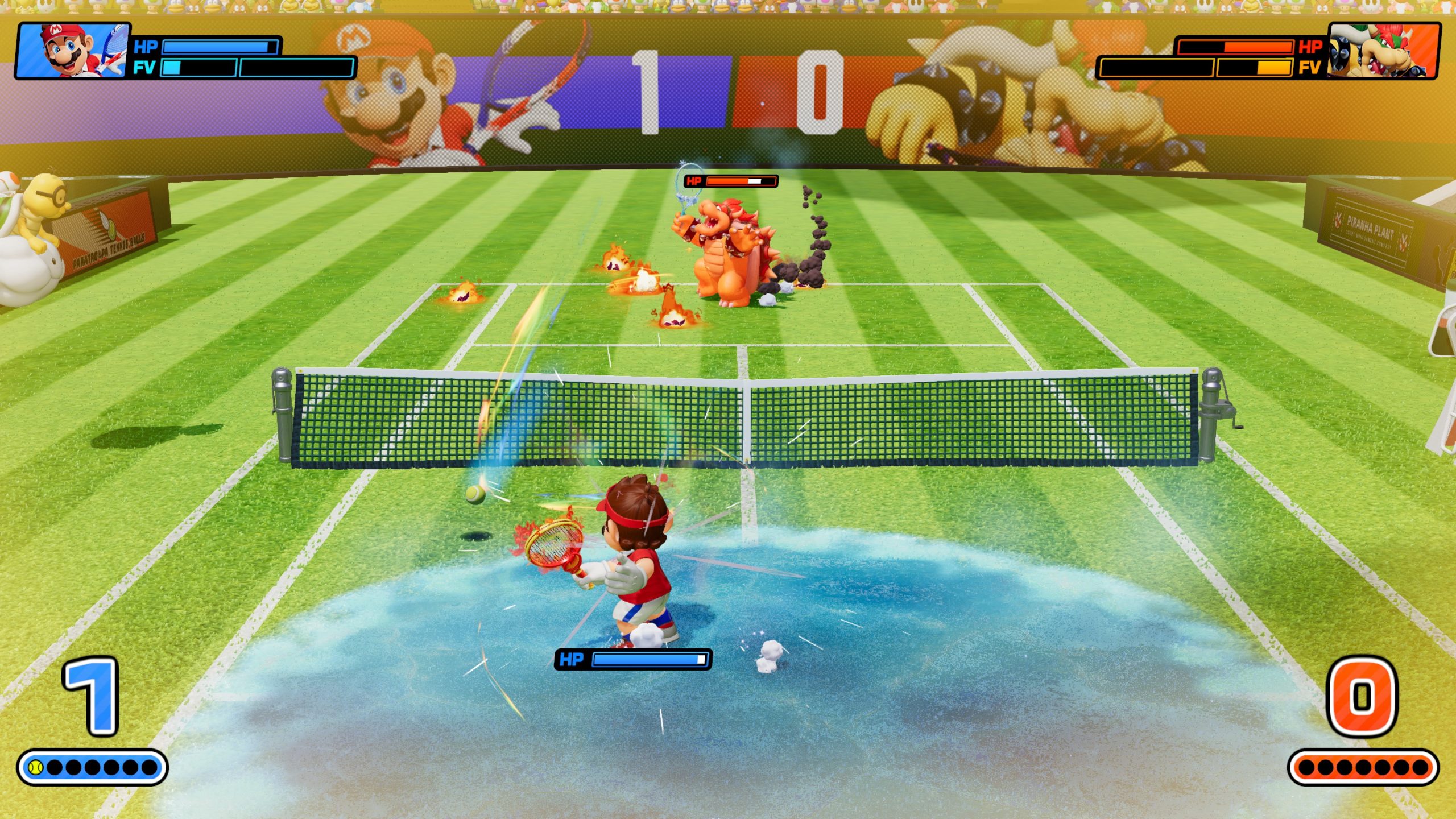
The plot in the game’s “Adventure Mode” is exactly as bizarre as one would expect from a Mario sports game. A mysterious curse has swept across the Mushroom Kingdom, turning several of the iconic characters into babies (!). To break the curse and save a deep-sleeping Princess Daisy, Mario and the remaining heroes must enter a magical tennis tournament to win the ancient “Fever rackets.” It’s a thin excuse to play tennis, presented through often overly long and stiff text boxes. If you were hoping for a return of the fantastic RPG modes from the Game Boy era, you will be deeply disappointed. The adventure is a three-to-four-hour short and somewhat dull affair. Instead of real tennis matches, you are forced to endure endless minigames (like hitting bombs back at Bowser) that feel more like a glorified tutorial. The RPG elements are completely superficial; you can’t even choose how your upgrade points are distributed.
Technical performance wavering on new hardware
As one of the first flagship games for Switch 2, we expected technical perfection. The game aims for 4K resolution via upscaling, but when the screen fills with particle effects from the Fever rackets, the frame rate can dip from 60 all the way down to 40 frames per second. In a game built on timing, this becomes a problem. Furthermore, many animations are directly recycled from Mario Tennis Aces, making it feel more like an expansion than a generational leap. All games have become expensive, but the price tag of 700–800 SEK (and sometimes more at certain retailers) also stings significantly, considering how little substance there is for those playing solo.
Summary
What ultimately becomes the game’s trump card and recommendation, despite its flaws, is the online mode and couch multiplayer. The ranked mode is extremely addictive, and the netcode generally works very well. It’s a shame and a bit frustrating that Mario Tennis Fever couldn’t have been even better than it is, because it has potential and great qualities.
We hope to see in the future that Nintendo picks up the pace and surprises us with several major first-party titles that become system sellers—new Mario and Zelda games feel like a given, but nothing official has been said about them yet. Right now, Yoshi and the Mysterious Book is the only confirmed first-party game on the near horizon that feels exciting; the rest are either third-party titles you can also play on other formats or polishings of existing games.
Nintendo sent review code for this test. Material providers have no editorial influence on our reviews.
