
TL;DR
Xiaomi's latest flagship, the 17 Ultra, pushes the boundaries of mobile photography with a focus on tangible hardware advancements and Leica collaboration. It boasts an impressive new periscope lens system for exceptional zoom and image quality, a 1-inch sensor main camera for outstanding low-light performance, and a vibrant 6.9-inch display. While it's a powerhouse for camera enthusiasts, offering features like Dolby Vision recording and a dedicated Film mode, it also excels as a general smartphone with swift performance and a large 6,000 mAh battery. Despite a slightly wider build and a premium price tag, the Xiaomi 17 Ultra seems to deliver on its promise of a truly professional-grade camera experience in your pocket. Ready to see if this camera beast lives up to the hype? Read the full review!
When we reviewed the Xiaomi 14 Ultra, our initial impression was that the boundary between dedicated cameras and mobile devices was beginning to blur. Xiaomi followed up with the Xiaomi 15 Ultra, further refining the technology. Now, it is time to evaluate its successor, the Xiaomi 17 Ultra (Xiaomi skipped the number 16). Has the technology continued to evolve, or is this simply a matter of higher pixel counts and updated software? One promising development is the shift toward expanded hardware rather than relying solely on digital enhancement—though processing remains an inherent part of mobile photography. Following the impressive mechanical aperture of the 14 Ultra, we dive into the details of this new flagship with high expectations.
First Impressions – Xiaomi 17 Ultra
(Photo: senses.se)
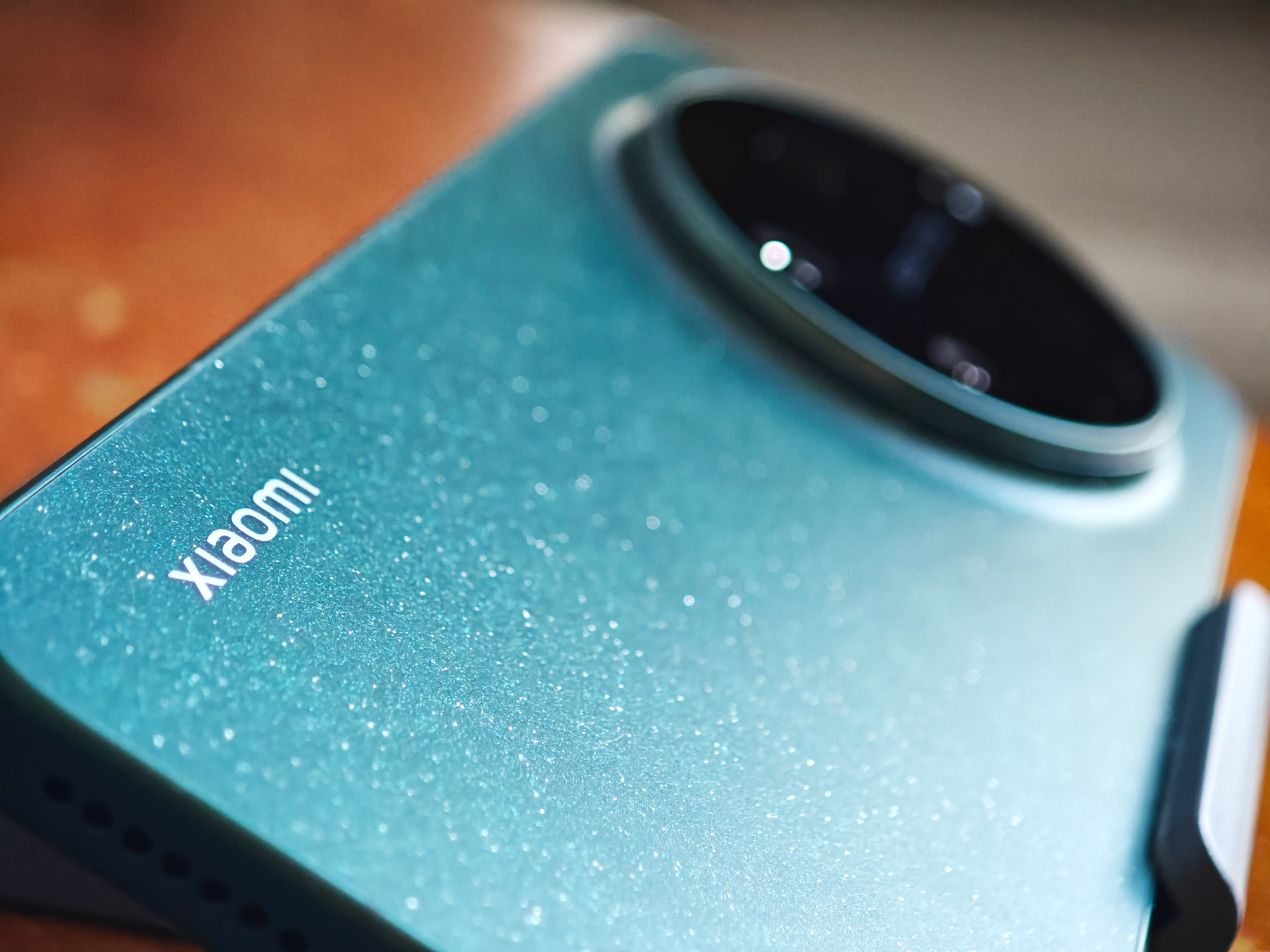
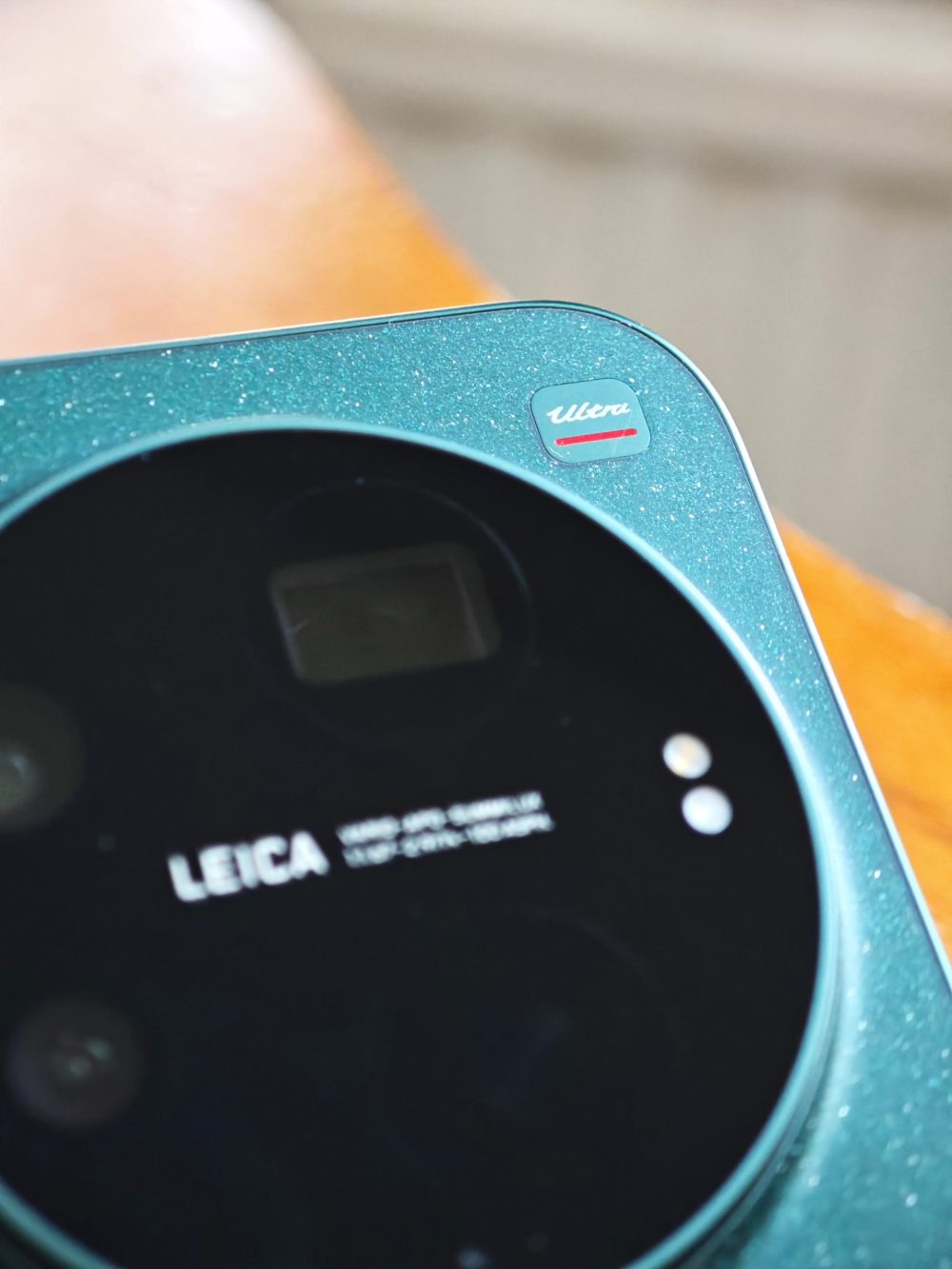
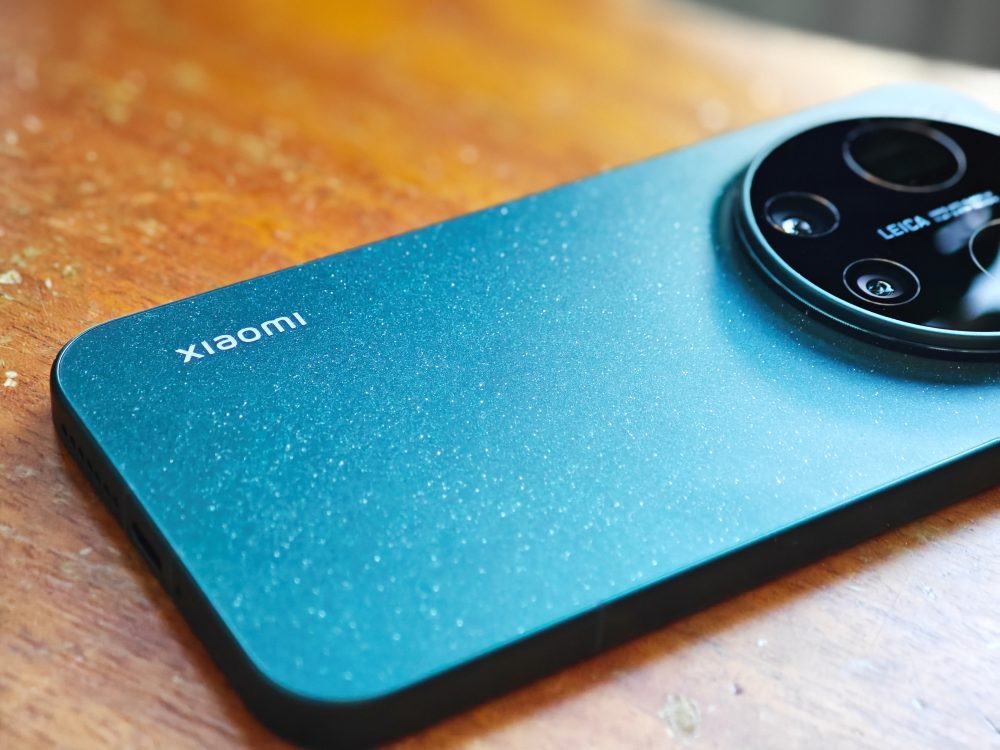
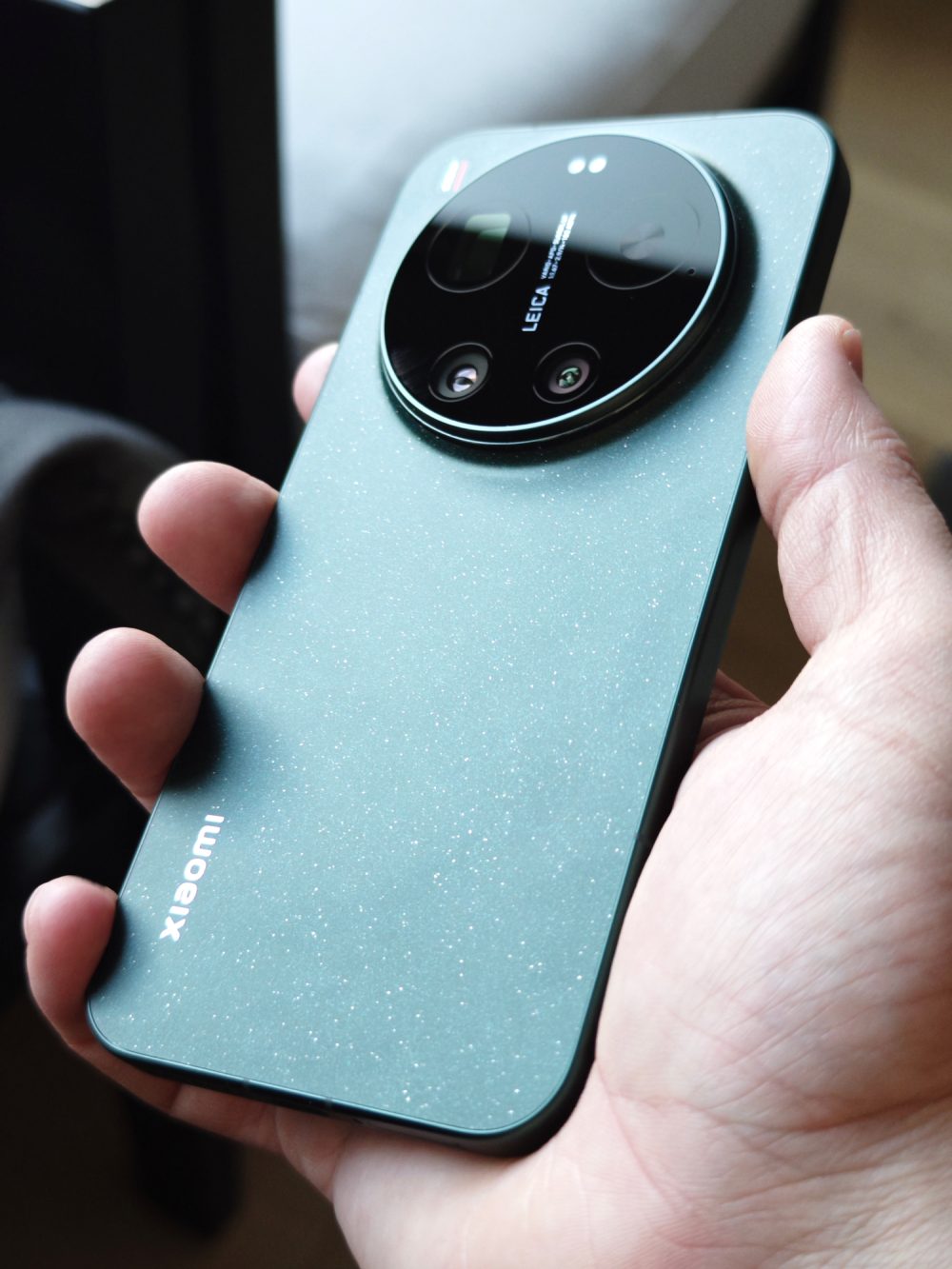
It is pleasing to see that Xiaomi continues to give the Ultra series a distinct aesthetic. Our test unit arrived in Starlit Green. However, the previous design’s homage to traditional cameras has been replaced by a more prominent badge emphasizing its Ultra status. The device has also become slightly wider; while it requires some adjustment, the original design felt somewhat sleeker in hand.
For this review, we did not have access to the accompanying Photography Kit, which in previous iterations proved to be a practical accessory rather than a mere gimmick. It improved ergonomics, and the integrated battery was ideal for high-volume shooting scenarios, such as weddings. It remains available for those who prioritize the camera experience. A transparent protective case and a charging cable are included in the box, though the wall adapter must be purchased separately.
(Photo: senses.se)
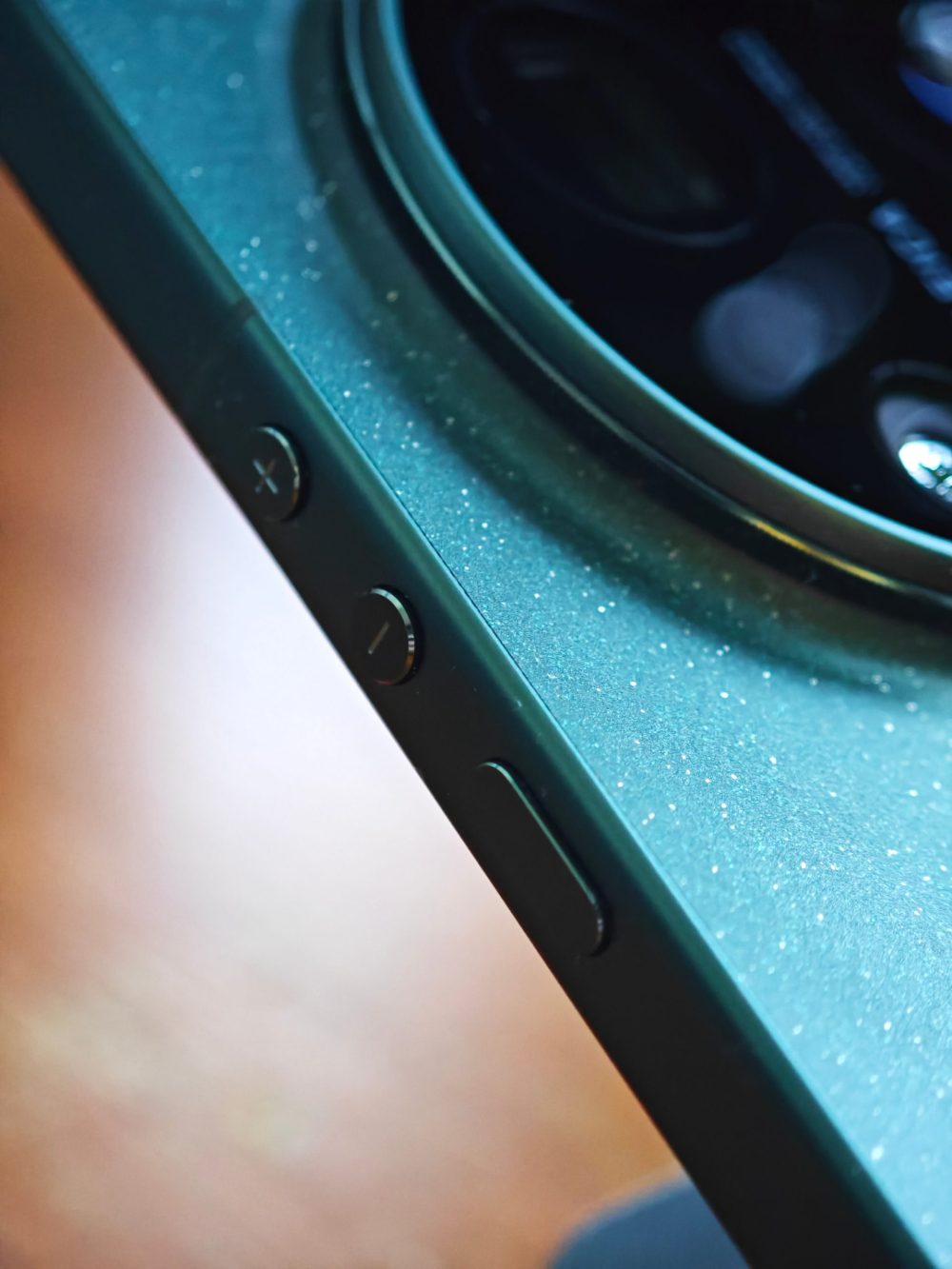
A notable physical improvement can be found in the button layout. Instead of a combined volume rocker and a separate power button as seen on the Xiaomi 14 and 15, all three are now distinct. They are well-defined, easy to locate by touch, and offer satisfying tactile feedback. The Xiaomi 17 Ultra has also seen an upgrade in durability; while maintaining an IP68 rating, it is now rated for submersion in water up to 6 meters deep for 30 minutes, a significant increase from the previous 1.5-meter limit.
The Display
The display has grown from 6.73 inches to 6.9 inches, though the resolution has been adjusted to 1200 x 2608 pixels (approximately 416 ppi). This is a step down from the 1440 x 3200 resolution (approximately 522 ppi) of its predecessors, and while the difference is difficult to discern with the naked eye, it is a noteworthy change on paper. On the plus side, it features a faster 1-120Hz LTPO (Low-Temperature Polycrystalline Oxide) refresh rate and improved brightness, reaching a peak of 3500 nits. Consistent with previous models, the screen features slightly curved edges, which provides a premium look but can occasionally lead to accidental app launches.
Power and Audio
The Xiaomi 17 Ultra houses a high-capacity 6,000 mAh battery, a step up from previous models. 90W wired fast charging is supported, which remains a major convenience for quick top-ups. However, users who invested in Xiaomi’s 80W wireless charger should note that the 17 Ultra is capped at 50W wireless charging, a downgrade from the 80W supported by its predecessors. Regardless, given the large battery and rapid wired speeds, battery anxiety is rarely an issue. On the audio front, all major codecs are supported, including 24-bit/192kHz high-resolution audio. The excellent share audio feature—which impressed us on the Xiaomi 14 Ultra and Xiaomi’s tablets—is also present, allowing users to stream audio to two pairs of headphones simultaneously.
Operating System and Performance
The Xiaomi 17 Ultra runs on Android 16, layered with the HyperOS 3 skin. Powering the device is the Snapdragon® 8 Elite Gen 5 Mobile Platform, which features the 3rd generation Qualcomm Oryon™ CPU, Qualcomm® Adreno™ GPU, and Qualcomm® Hexagon™ NPU.
(Photo: senses.se)
The Camera – Xiaomi 17 Ultra
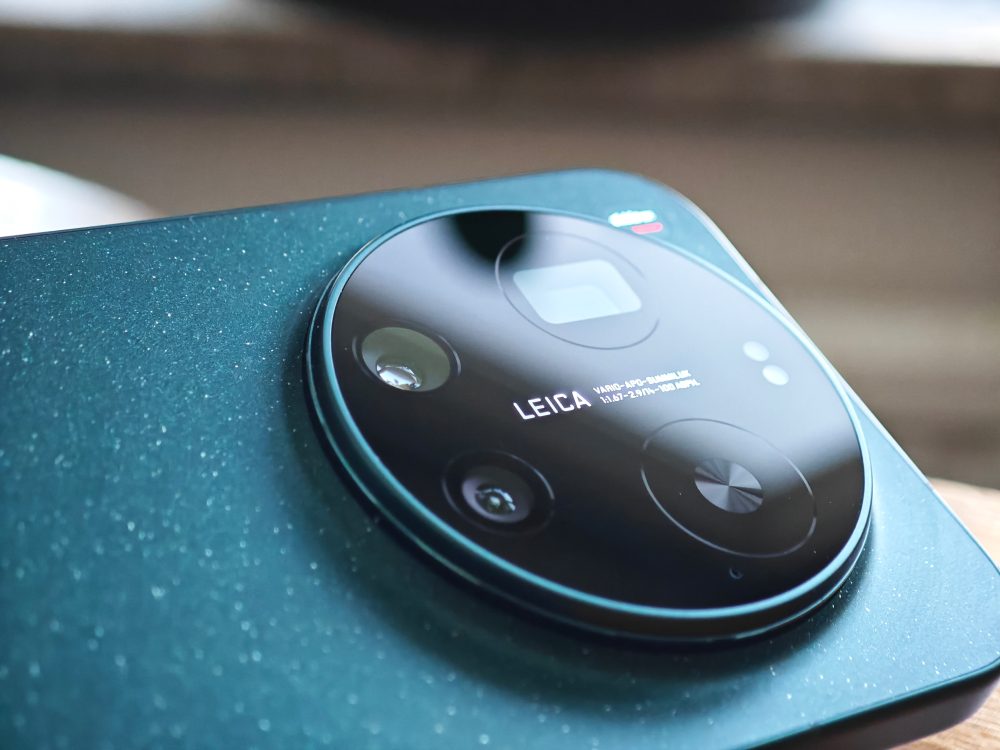
Xiaomi’s continued collaboration with Leica has pushed mobile imaging even further. Interestingly, the Xiaomi 17 Ultra features a three-camera array—one fewer than previous models—but the implementation of the remaining sensors is highly sophisticated.
The Constraints of Mobile Imaging
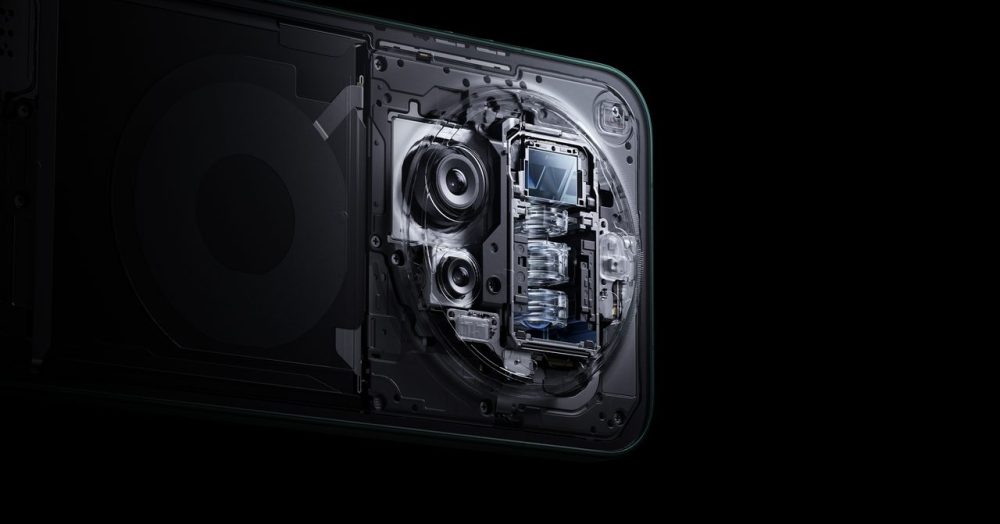
The primary hurdle for mobile cameras is light intake, which is inherently limited by physical sensor and lens size compared to DSLR or mirrorless systems. Modern smartphones compensate for this through HDR and complex computational photography, merging data from multiple sensors to produce a final image. The second major hurdle is depth of field; while professional lenses have the physical space to manipulate optics, flat mobile devices are constrained by their form factor.
Xiaomi and Leica’s Engineering Solution
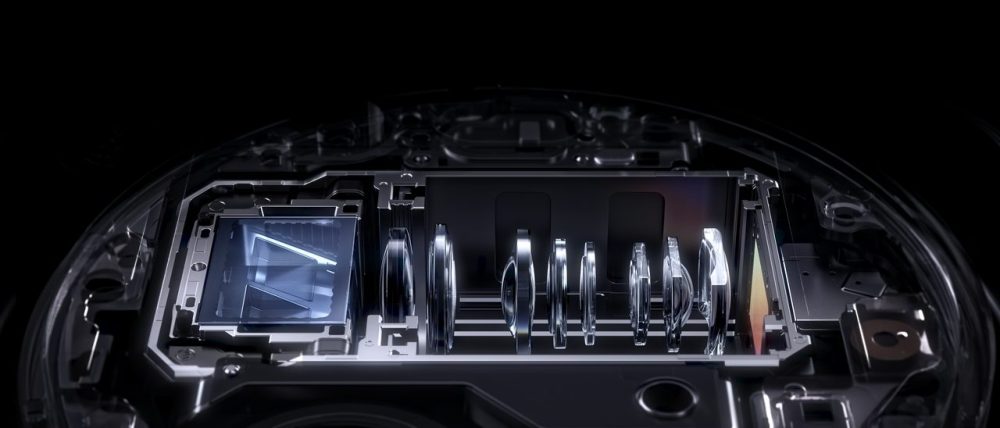
Xiaomi and Leica have addressed the depth issue by utilizing a horizontal lens arrangement coupled with a mirror system. This periscope design allows for mechanical alignment of the lenses, more closely mimicking the behavior of a traditional telephoto lens, where the distance between glass elements is adjusted to achieve focus.

Xiaomi 17 Ultra zoom capability.
(Photo: senses.se)Xiaomi 17 Ultra zoom capability.
(Photo: senses.se)Xiaomi 17 Ultra zoom capability.
(Photo: senses.se)Xiaomi 17 Ultra zoom capability.
(Photo: senses.se)Xiaomi 17 Ultra zoom capability.
(Photo: senses.se)Xiaomi 17 Ultra zoom capability.
(Photo: senses.se)Xiaomi 17 Ultra zoom capability.
(Photo: senses.se)Xiaomi 17 Ultra zoom capability.
(Photo: senses.se)








The result is Leica’s 200MP 75-100mm periscope lens. Developed to Leica’s APO (apochromatic) optical standards, it delivers exceptional image quality across the zoom range and can reach an equivalent focal length of 400mm (17.2x). Furthermore, three custom Leica lenses work to minimize chromatic aberration—the unwanted purple or green outlines known as fringing. This makes the Xiaomi 17 Ultra the first smartphone to achieve Leica APO certification.
This is complemented by a 50MP primary camera featuring a substantial 1-inch Light Hunter 1050L sensor and a variable aperture (f/1.67). In low-light testing, the sensor’s performance was remarkable; the standard output was often bright enough that the dedicated night mode felt unnecessary. Rounding out the trio is a 50MP ultra-wide-angle lens for expansive vistas.

(Photo: senses.se)

(Photo: senses.se)

(Photo: senses.se)

(Photo: senses.se)

(Photo: senses.se)

(Photo: senses.se)

(Photo: senses.se)

(Photo: senses.se)

(Photo: senses.se)

(Photo: senses.se)

(Photo: senses.se)

(Photo: senses.se)

(Photo: senses.se)
The mechanical aperture is still present, producing a faint, satisfying sound when the camera is engaged. It is fascinating to feel the haptic feedback from the various moving optical parts when cycling through features in the software. This is a truly impressive achievement in mobile engineering—it feels less like a smartphone and more like a high-end camera with integrated phone functionality.
Video Capabilities
For videographers, the Xiaomi 17 Ultra supports Dolby Vision® and ACES Log recording at up to 4K 120 fps across both the main and telephoto cameras. The Movie mode is particularly effective, producing dynamic footage with a professional cinematic feel. For those requiring maximum resolution, 8K recording is also supported.
The User Experience – Xiaomi 17 Ultra
While Xiaomi Hyper AI is integrated and the device supports various AI features, it is clear that the focus remains firmly on optics. Xiaomi’s reliance on its partnership with Leica and advanced hardware engineering is a refreshing approach in an industry currently obsessed with generative software. The result is a device that is genuinely enjoyable to use for photography.
(Photo: senses.se)
Image consistency is high, and the software offers a wealth of creative options. Users can switch to Pro mode to use the C2 preset, apply Leica’s signature filters, or explore specialized scene modes like Silhouette, Fireworks, and Flames. these modes enhance the image in a sophisticated manner and are easily accessible within the UI.
As a daily driver, the Xiaomi 17 Ultra is excellent—fast, bright, and equipped with a sharp display. However, its width makes one-handed operation a bit challenging. The fingerprint reader is impressively fast and reliable. Overall, it performs exactly as a flagship should.
We did encounter one issue during our testing: the Bluetooth connection repeatedly dropped and reconnected across multiple pairs of headphones. Since our unit was running a pre-release version of the OS, this is likely a software bug that will be addressed in a future update, though we could not verify this during our review period.


The Bottom Line – Xiaomi 17 Ultra
Like its predecessors, the Xiaomi 17 Ultra feels more like a professional camera than a smartphone, despite being highly capable in both roles. This level of technology comes with a significant price tag: the 16GB + 1TB model is priced at 19,990 SEK, while the 16GB + 512GB variant retails for 17,990 SEK (with a limited-time launch offer of 15,990 SEK).
(Photo: senses.se)
While the price is high, the value proposition is rooted in the fact that this device largely solves the traditional limitations of mobile photography regarding light and depth. It is a flagship in the truest sense, packed with cutting-edge technology. For enthusiasts who prioritize having the most capable camera system in their pocket, the Xiaomi 17 Ultra is unlikely to disappoint.
Xiaomi provided a review unit for this article. Senders of material have no editorial influence on our testing or conclusions.
