
TL;DR
Ebola Village throws you into a community gone wild, tasking you with finding out why. While the environments and sound design are surprisingly decent, prepare for a bumpy ride. From jarring YouTube redirections and awkward introductions to nonsensical puzzles and clunky combat animations, this game feels like a highly derivative Resident Evil clone with significant polish issues. Despite being a largely one-person project, which is commendable, the lack of originality and logic problems overshadow any potential. Curious about this budget survival horror? Dive into the full review to see if its quirks are unintentional entertainment or just plain frustrating.
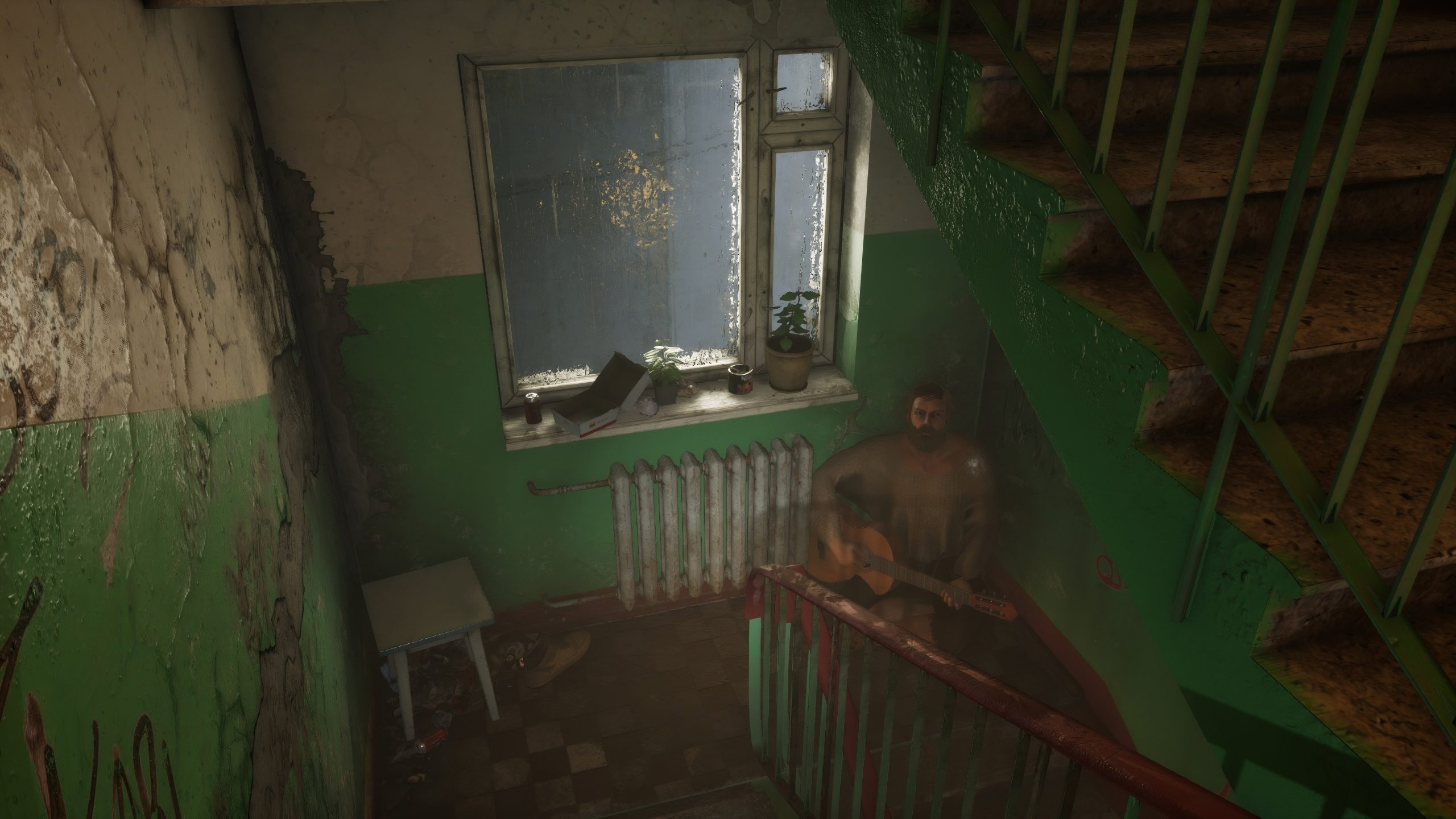
In Ebola Village, players arrive at a settlement where a horrific transformation has occurred. The inhabitants have become violent, bloodthirsty killers, and it falls to us to uncover the mystery behind the outbreak—a task that quickly proves more difficult than anticipated.
On Imitation and Influence
Charles Caleb Colton coined the famous expression “Imitation is the sincerest form of flattery” in the early 19th century, and Pablo Picasso (or T.S. Eliot) famously suggested that “Good artists borrow, great artists steal.” However, there is a fine line between inspiration and imitation—a boundary that Ebola Village frequently crosses.
First Impressions
Upon launching the game, two things were immediately apparent. First, the game is entirely in Russian; while there is no English voice acting, it is, fortunately, subtitled in English. Secondly, the menu offers a prologue film to explain the backstory. Bizarrely, clicking this does not trigger an in-game cinematic; instead, it opens YouTube in an external browser. While this might feel standard on a PC, being pulled completely out of the experience while playing on Xbox Series X was a jarring break in immersion.
I have included that short film at the bottom of this review; interestingly, the film features English dialogue with rather poor dubbing. As for the gameplay itself, it begins with our female protagonist in her apartment, presented in an unnecessarily provocative manner. As she watches the news, a massive jar of pickled cucumbers (!) sits prominently next to the TV. The intro is quite slow-paced, and in my eagerness to start the actual gameplay, I initially opted to skip it.
A Frustrating Start
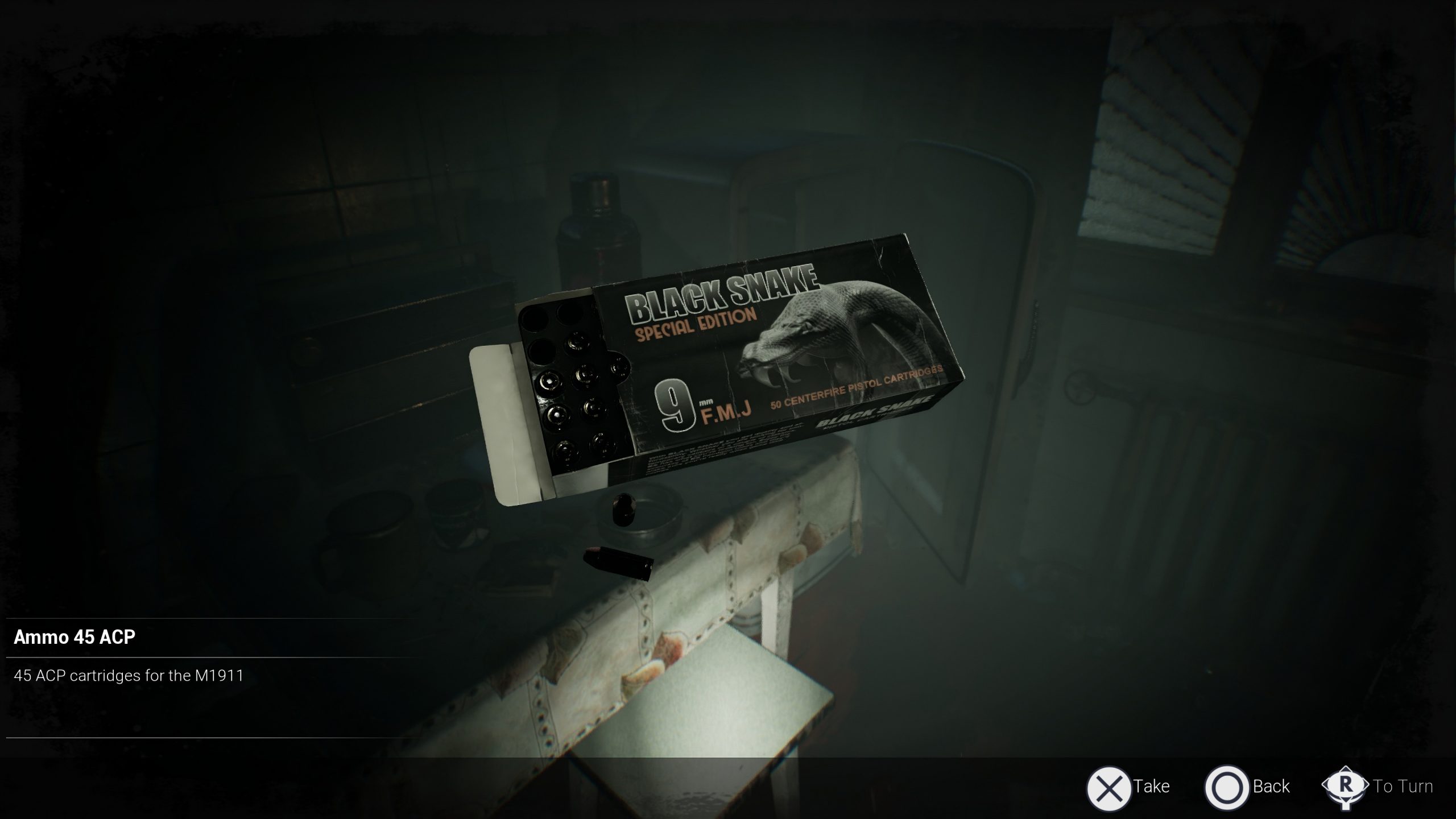
The game shifts to a first-person perspective, allowing for exploration of the apartment. I collected a ring, read a diary—which curiously appears as a typed A4 sheet—and located clothes in the closet. However, interaction was impossible; clicking the clothes merely triggered a text prompt stating, “Your Clothes.” After wandering between the kitchen and the balcony with no clear path forward, I found myself stuck.
Following some frustration, I consulted a walkthrough and discovered that a cutscene was supposed to trigger in the hallway. Despite multiple attempts, the sequence failed to load. I eventually realized that the game requires you to watch the entire intro without skipping; only then did the cutscene trigger, finally allowing me to equip the protagonist’s clothing and proceed.
Game Logic and Puzzles
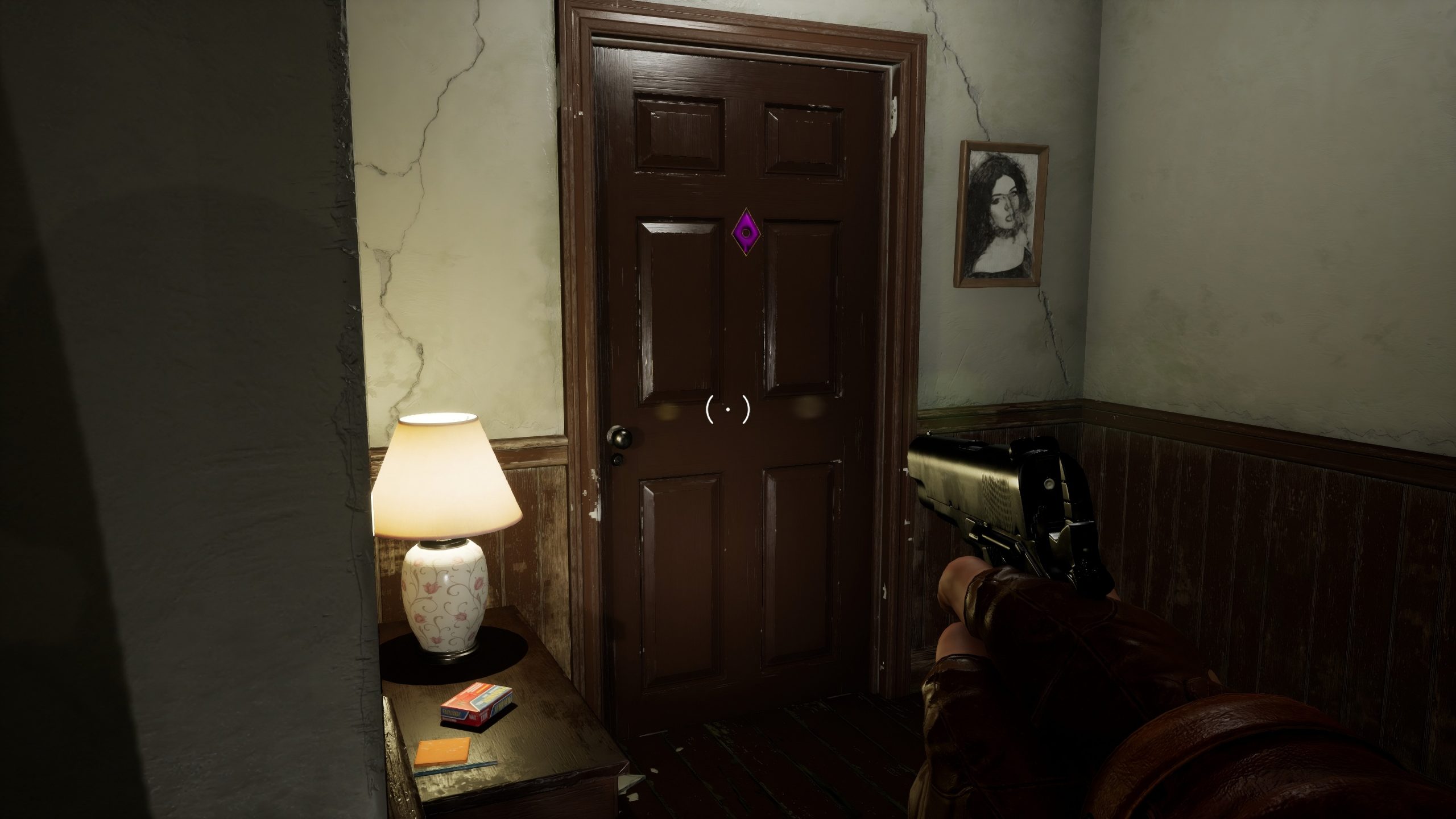
Unfortunately, these technical quirks are not isolated incidents. While the environments and sound design are reasonably well-executed, much of the game logic is amateurish. For instance, the first “puzzle” involves the protagonist refusing to enter her own bathroom because it is too dark—despite having a functional flashlight. To resolve this, you must navigate a pitch-black apartment to find a fuse. The ultimate goal? Retrieving a driver’s license, because apparently, the police are still conducting routine traffic stops during a zombie apocalypse.
Combat and Animation
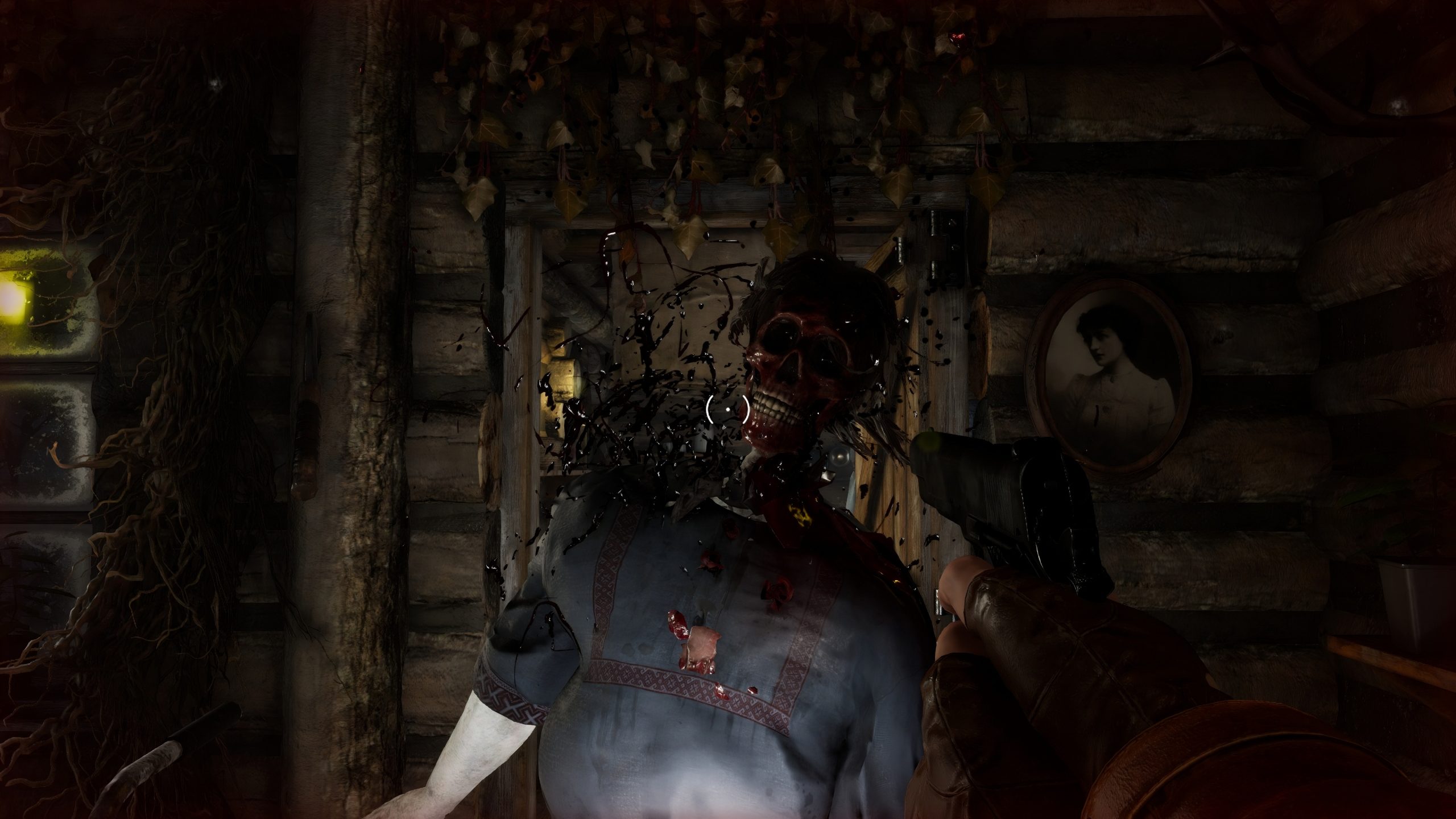
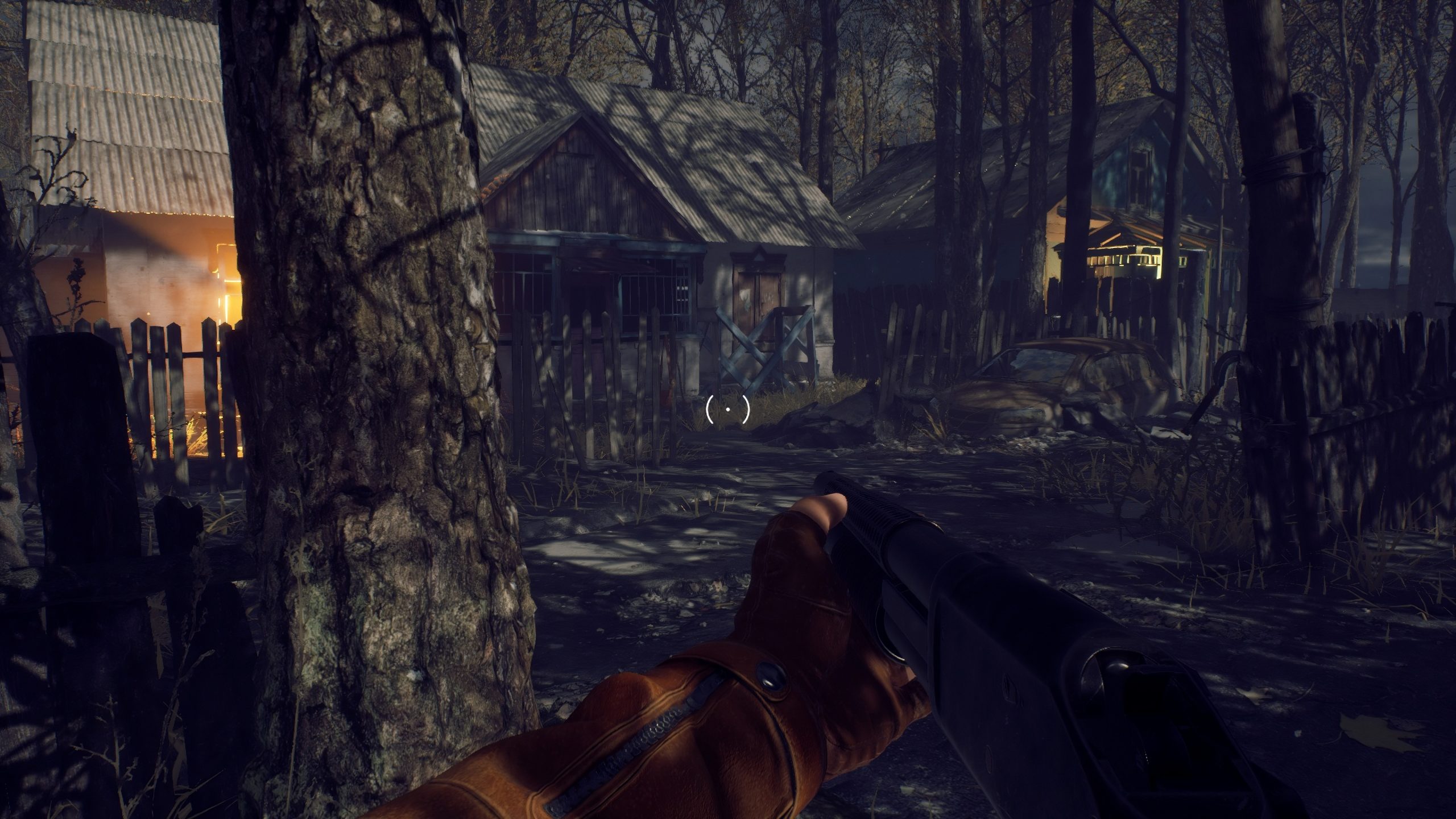
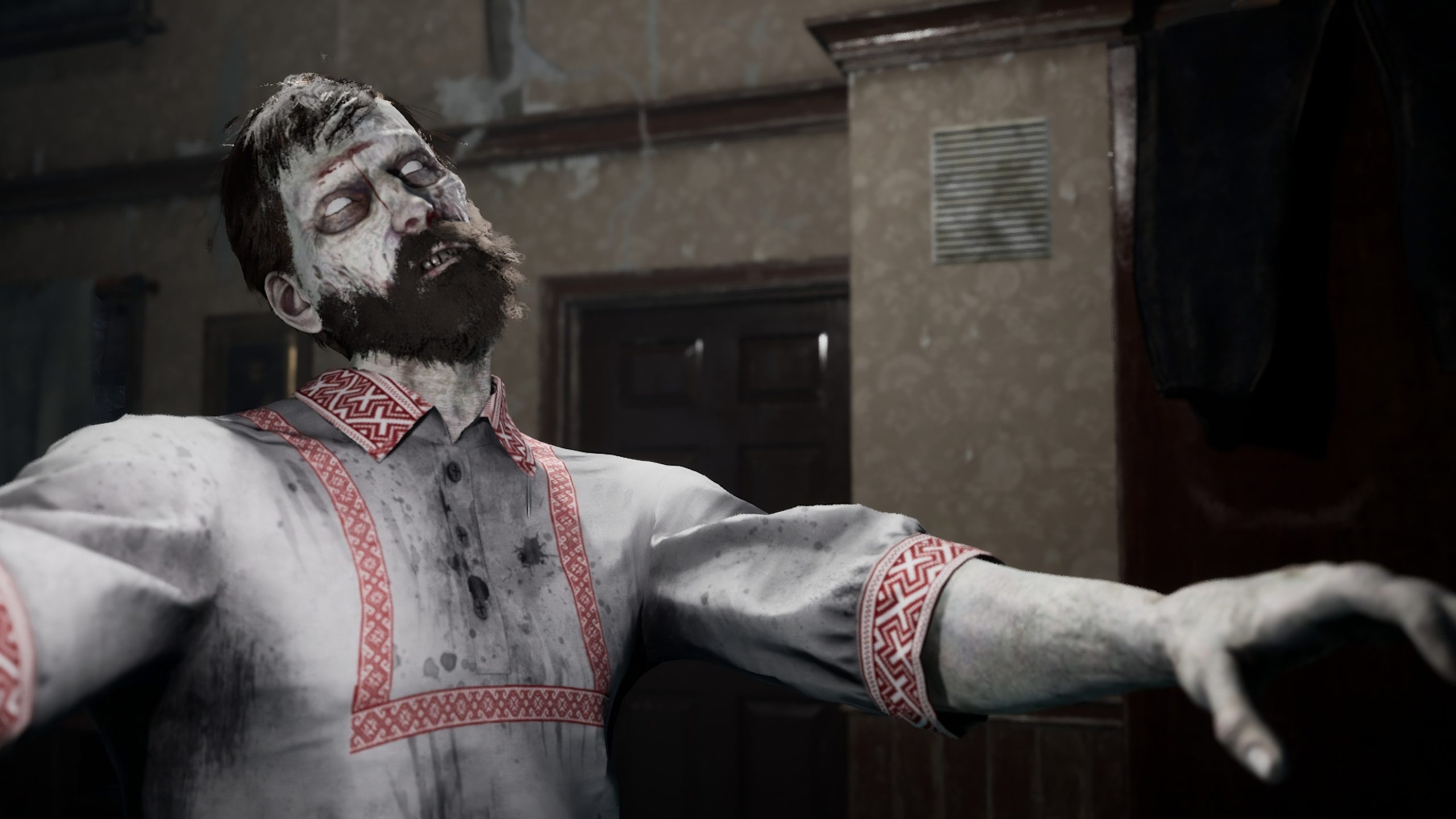
This illogical design persists throughout the experience. Once combat begins, the flaws become even more pronounced. The enemy animations are incredibly stiff, representing some of the poorest character work I have seen recently. One small redeeming quality, however, is the visual feedback of injuries when shooting enemies.

An Unabashed Clone
It is impossible to ignore that Ebola Village is a direct clone of the Resident Evil franchise. From the protagonist’s outfit change into short shorts and a tank top to the core mechanics, the similarities are blatant. While the developers avoided the term “zombie,” the enemies behave exactly like the classic undead. Other borrowed tropes include collecting and combining herbs for medicine, the iconic “opening door” loading screens between areas, and saving progress at telephones. It feels remarkably derivative.
Performance and Optimization
Ebola Village features a single graphical mode with a frame rate that fluctuates inconsistently between 30 and 60 FPS. While indoor environments perform slightly better due to their smaller scale, the overall optimization is poor. Textures frequently pop in one by one when entering new areas, making for a subpar technical experience.
A Solo Effort
There are, however, some extenuating circumstances. Upon reaching the end credits after a short two-and-a-half-hour playthrough, I realized that the project is essentially the work of a single developer.
While a few voice actors and composers are credited, Victor Trokhin appears to have handled almost every other aspect of development. It is a bit disappointing, as there are competent elements within the game that actually function well. It would have been more interesting to see Trokhin apply his skills to an original concept rather than a direct imitation of an established series.

In summary, Ebola Village is objectively not a “good” game, but for those looking for a budget-friendly, Russian take on the Resident Evil formula, it offers a certain campy charm. It is an impressive feat for such a small team, and the unintentional humor provides a level of entertainment that keeps the experience from being entirely forgettable.
Axyos Games provided a review code for this critique. Material providers have no editorial influence on our reviews.
